hr-tech
(195)
Degreed wants to know what you can do.
A degree records where you studied. Degreed is building a business around everything you learned afterward - and the awkward question of whether you can actually use it.
Relocity and the last mile of moving
A relocation allowance can buy a plane ticket. Relocity pairs software with local know-how to help employees build a life at the other end.
HireArt figured out what happens after “you’re hired.”
Finding the worker was only the beginning. HireArt built its business around the payroll, benefits, and everyday friction that come next.
Lever: Hire the people who never apply
Lever scrapped its first product and built a recruiting platform around a better question: how do you hire someone who never joins the applicant queue? Its answer puts relationships at the center of the system.

Noon AI wants to learn your hiring taste
Finding people is the easy part. Noon AI is building a recruiting agent around the harder question: which people would your team actually want to meet?

Guide makes hiring easier to see
A candidate portal became an AI recruiting coordinator. Behind Guide’s expansion is a useful idea: the hiring process works better when people can see what happens next.
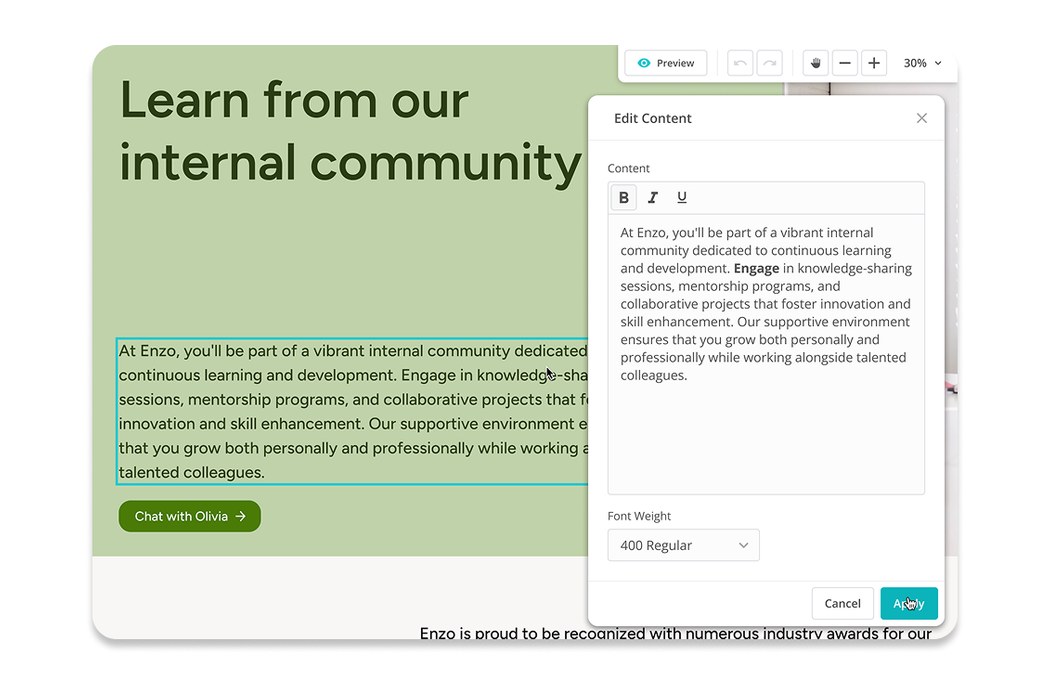
Recruiting.com: Make the next step easy.
A career site can lose a candidate before a recruiter ever says hello. Recruiting.com built a business around that awkward gap - and its current home at Paradox makes the conversation part of the product.

Talentify.io and the art of spending less
The recruiting company learned to grow by narrowing its ambition. Today, its pitch starts with a surprisingly useful question: does this job really need another ad?
SimplifyVMS connects the work between the hires
Hiring a contractor is only the beginning. SimplifyVMS tackles the approvals, suppliers, credentials and invoices that turn outside talent into work a company can actually manage.
SkillGigs lets employers make the first move
Name your price. Let the bids come to you. SkillGigs brings marketplace bargaining to healthcare and tech hiring - then takes the same idea inside the enterprise.

Careerminds and the promise to stay until you land
A layoff ends a job. Careerminds sells employers a way to keep helping afterward - and is building a business around the careers that come next.
TMP Worldwide closes the gap between click and hire.
A recruitment ad agency became Radancy by following the candidate beyond the advertisement. Its real product is the connection between all the steps that usually fall apart.
Appcast makes every hiring dollar answerable.
A job ad can win a click and still lose a hire. Appcast built its business in that gap - then bought a century-old agency to follow the money further.
Independently wants proof before the first invoice
Hiring a freelancer is easy. Proving they belong outside payroll is the harder job Independently wants to make routine.

Hireology puts hiring on the clock
A great candidate can disappear while a manager clears their inbox. Hireology turns that everyday delay into a problem a business can see, measure and fix.

Observatis wants to catch the quiet exit
The resignation letter arrives last. Observatis connects the workforce signals that come before it - pay, performance, learning and the slow loss of connection.
Omnipresent made the world your hiring pool
A physicist and a former Special Forces officer built a business around the paperwork nobody wanted. Now part of Deel, Omnipresent shows what it takes to turn a remote hire into a legal employee.
Clover Venture puts the CV on trial
A hackathon gave Clover Venture a clue: companies could see ideas, but struggled to see the skills behind them. Its answer pairs real business challenges with software that makes those skills easier to act on.
Take2 AI found a hiring problem hiding in the clock
Healthcare runs all night. Recruiting usually does not. Take2 AI is building a business in the hours between a clinician’s application and a recruiter’s first coffee.
Niural AI spent years building what a paycheck takes for granted
Before it could ask an AI coworker to run payroll, Niural had to build the machinery that moves the money. Its wager: growing companies will pay to stop changing systems every time they change shape.
Landit wants career coaching off the executive floor
A former venture capitalist had the credentials, the contacts and no clear next step. Landit grew from that awkward discovery into a business selling employers a more personal route to career development.
Bravely: rehearse the conversation that could change your job
The difficult conversation is a workplace skill with remarkably little rehearsal time. Bravely sells employers a place for that rehearsal - and is now bringing an AI coach into the meeting itself.
MakiPeople wants your skills, not your pedigree
When applications multiply faster than recruiters, the CV becomes an expensive shortcut. MakiPeople is betting that a short test and a structured conversation can tell employers more.

Learnsoft makes the training fit the organization
Hospitals and state agencies rarely come with tidy org charts. Learnsoft builds learning software for the awkward bits: changing roles, scattered records and people who need to get back to work.
Terryberry and the business of being remembered
A company that once put appreciation into pocket watches now puts it into software. Its most interesting wager is that a thank-you works better when people can see it, choose it, and sometimes keep it.
Bennie wants your benefits to work after open enrollment
Buying health insurance is only the opening act. Bennie pairs a full-service brokerage with an app and human advocates to handle the awkward business of actually using it.

iMocha wants to know what your job title is hiding
A beauty company’s 75-person pilot became a 9,000-person skills rollout. Behind it is iMocha’s bet that the most useful thing about an employee is what they can actually do.

Good&Co and the cost of asking too much, too soon
Good&Co turned personality quizzes into a bet on better hiring. Its own product history offers an equally useful lesson: people need to see the value before they surrender their money, their time, or their team.
Fond made a business of saying thank you
A corporate discount gets you a cheaper ticket. A timely thank-you tells you somebody noticed. Fond built its business in the space between the two.
Leoforce and the candidate you already paid to find
The next person you hire may already be sitting in your database. Leoforce has built a recruiting business around finding that person, starting the conversation, and charging for something more useful than a click.