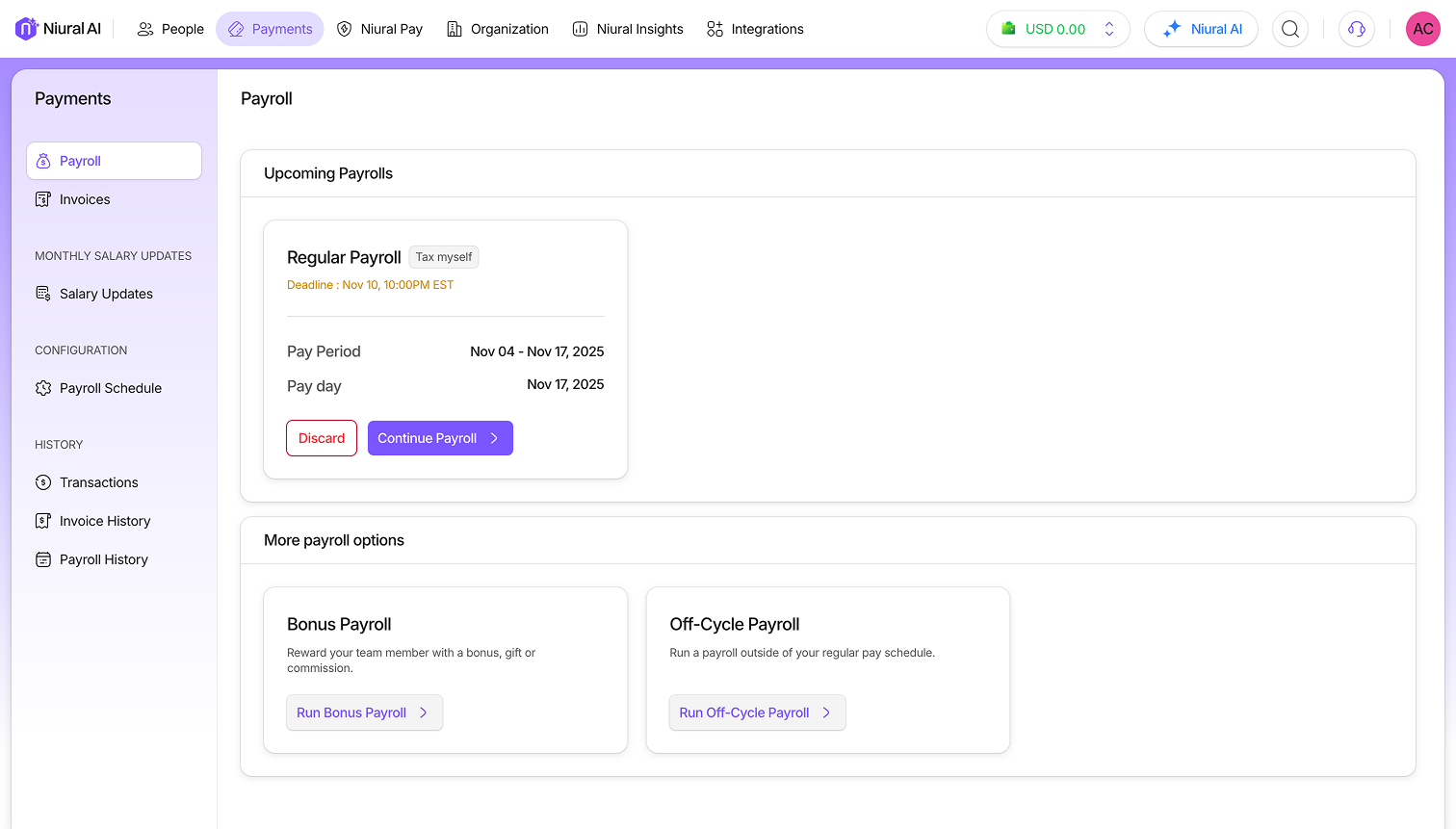
A paycheck is a remarkably dull miracle. A salary becomes a deposit; somewhere in between, taxes, benefits, bank accounts and deadlines agree with one another. The employee sees one number. The employer sees the machinery. Niural AI has built its business around the distance between those two views.
- Payroll, benefits, international hiring and payments share a platform.
- The founders spent roughly two and a half years building infrastructure.
- EMMA, its AI coworker, can act inside workforce workflows.
- The commercial bet is continuity as customers grow more complicated.
Consider a company with employees in several US states, a contractor overseas and a new foreign subsidiary. These people belong to the same team. Their pay belongs to different legal arrangements. Each arrangement invites another system, another approval and another opportunity for a spreadsheet to become an unofficial member of staff.
The expensive part was underneath
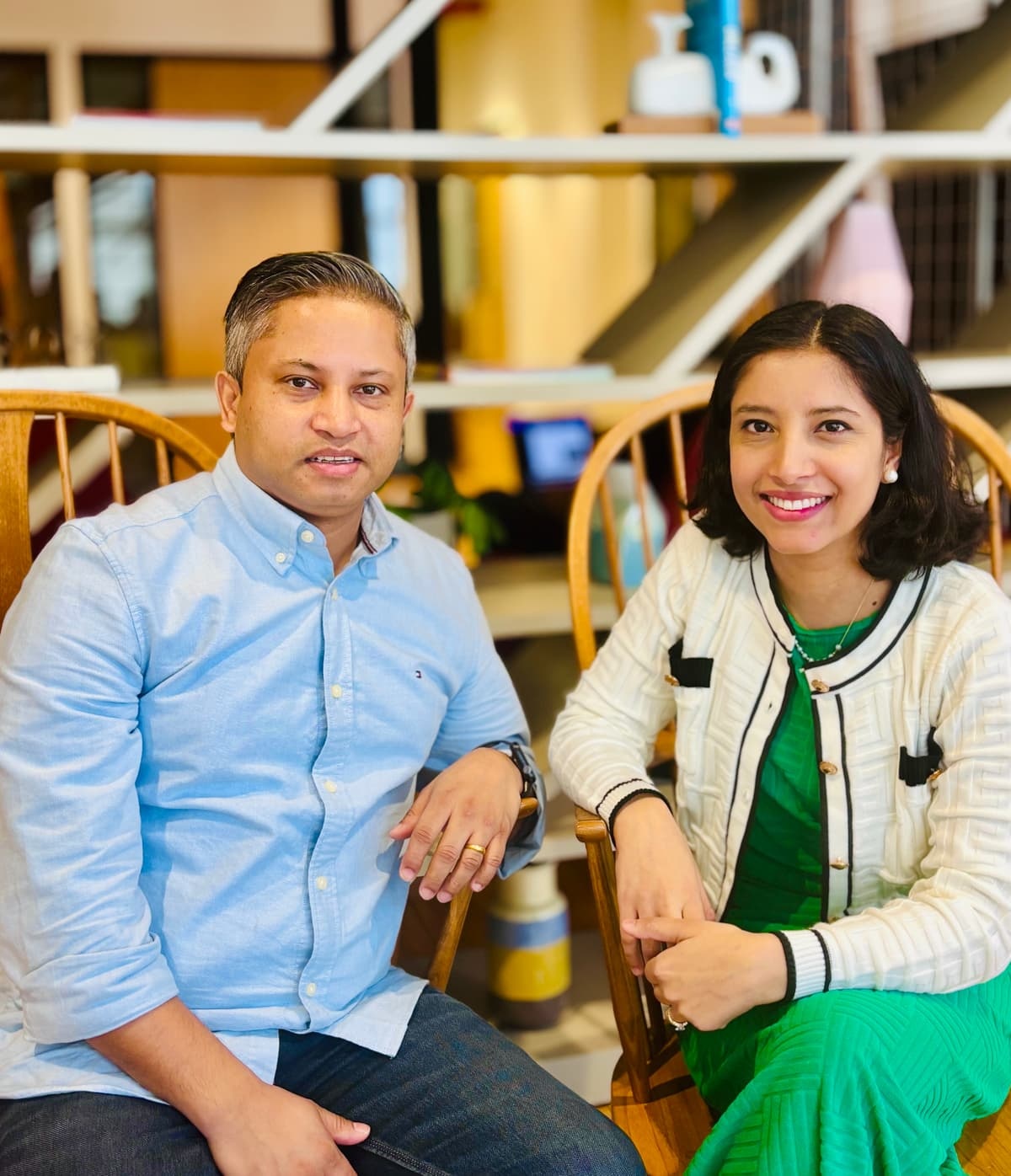
Founded in 2022, Niural entered a market already crowded with international hiring services and domestic payroll providers. In a 2024 industry interview, president Nabin Banskota identified four co-founders: himself, CEO Nami Baral, Sarin Regmi and Brabim Baral. The problem they described was the post-pandemic distributed workforce, whose administrative complexity had arrived even at small companies.
Baral and Banskota brought experience from building Harvest, an AI debt-settlement company acquired by Acorns in 2021. Banskota had also worked at global payroll provider TMF. They knew that an agreeable interface could conceal disagreeable plumbing.
According to investor NewView Capital, Niural’s initial work included its own ledger, payroll tax engine, payout infrastructure and dedicated customer accounts with partner banks. That took roughly two and a half years before meaningful market entry, Banskota told OutSail. Time was the visible price of the decision. It postponed the moment when a finished-looking product could be sold at scale.
Owning infrastructure does not mean dispensing with institutions. Niural discloses banking services through i3 Bank and a commercial relationship with JPMorgan Chase. Currencycloud and Nium provide certain international payment services. Software can organize the transaction; regulated partners still matter to its journey.
A workforce changes shape
Niural’s US PEO offering combines payroll, HR administration and benefits through co-employment. For a growing employer, pooled benefits and help with state obligations can be the immediate attraction. Later, the business might want standalone administration under its own entity. Niural markets a transition to that ASO model within the same platform.
Internationally, the choices divide differently. An employer of record supports hiring without establishing a foreign entity. Global Entity Payroll, expanded in February 2026, handles payroll for entities the customer already has. Contractor management deals with contracts, timesheets and payments. The distinction matters: sending money abroad and employing someone abroad are different jobs.
Niural Pay extends the platform to vendor invoices, approval routing and payments in more than 100 currencies, including stablecoins. This gives the product a particular appeal to companies whose money moves in several forms. Payroll begins the relationship; other financial chores can follow it through the door.
The customer who wanted a dashboard
In her Sacra interview, Baral recalled an early complication: customers were apprehensive about AI. Niural built a conventional dashboard alongside the AI version. The product had to accommodate people who wanted automation and people who wanted familiar controls. Trust, it turns out, has an interface preference.
“I didn't set out to build a payroll company.”
Nami Baral, speaking to Sacra
Baral says that attitude later changed as customers became accustomed to capable AI elsewhere, crediting Sonnet in particular. That is her explanation of the shift. It suggests a practical lesson for builders: adoption may depend as much on a customer’s experiences outside your product as on the demonstration inside it.
EMMA is Niural’s AI coworker, embedded in onboarding, payroll, compliance and benefits. The promised advantage comes from acting on the system’s records. A request can lead to an employment or payment workflow, rather than ending with instructions for someone else to follow. Banskota describes human review and outside accounting expertise as part of the work supporting its models.
Benefits are an especially legible example. Niural’s enrollment tools explain plan costs and trade-offs in ordinary language. The work combines underwriting, enrollment and guidance, rather than leaving HR to translate an insurance brochure repeatedly. Niural’s Aetna master medical partnership went live in April 2026.
The price of fewer handoffs
Published US payroll pricing is $100 a month plus $20 per employee. Twenty employees would therefore mean $500 monthly in listed platform charges. PEO Basic starts at $59 per employee; PEO Plus at $120. EOR starts at $299. Wages, taxes, insurance premiums and other employment costs still belong in the comparison.
The customer evidence is more specific than the slogan. Tensor Labs needed international contractor support; its CTO cited crypto workflows and responsive service when explaining its choice over Deel and Remote. Niural’s Slingshot AI case study reports a 40% reduction in benefits costs after adopting PEO and EOR services. That is a vendor-published result for one customer, rather than a savings promise for everyone.
Expanded Series A announced June 2026.
Niural competes across territory occupied by ADP, Workday, Rippling, Deel and others. Its argument is that customers should be able to change employment models without changing their system. A simple domestic business may find less value in that breadth. A buyer with multiple jurisdictions should test actual country coverage, benefit eligibility and approval controls against its own requirements.
Count the retyping
June 2026 brought AI Labs, additional capital and a company-reported PEO run rate above $200 million in annualized gross revenue. The last figure measures a different thing from software ARR. Niural’s expansion is conspicuous; the accounting label deserves to remain attached.
A quieter July update may offer the more useful test. Niural added an Ashby integration after customers requested a path from recruiting data to workforce operations. Readers can copy the diagnostic: follow one new hire’s details and count how many times someone enters them. Every repetition is a handoff to examine. The paycheck may remain wonderfully boring. Getting it there should require fewer adventures.