A hiring system can be perfectly organized and still make everybody miserable. Recruiters live in it. Hiring managers visit under protest. Candidates never see most of it, yet feel every delay it creates. Lever was built around a useful observation: the person you want to hire may not have applied today, or ever. So the record should begin with a relationship, not an application. That is still the clearest reason to put Lever on a shortlist.
The product joins an applicant tracking system, or ATS, with a recruiting CRM. One side moves jobs, applications, interviews and offers along. The other remembers sourced prospects, referrals, old finalists and the conversations that might matter six months from now. In practice, a recruiting team gets one place to source, nurture, evaluate and report, while interviewers get a shared view instead of another forwarded résumé and a calendar invitation with no context.
Who is it for? The cleanest fit is a growing organization with a real talent team, recurring hiring, active sourcing and enough hiring-manager participation to benefit from collaboration. Smaller companies can use it, and Lever markets to them, but a twenty-hires-a-year shop should price the convenience against simpler tools. A global or process-heavy enterprise should test permissions, compliance, reporting and integrations against its messiest real requisition. The demo should look like your Tuesday afternoon, not the vendor's best Tuesday ever.
The original trick is still the good trick
Lever began in 2012 with Nate Smith, Sarah Nahm, Randal Truong and Brian Noguchi, and entered Y Combinator that summer. Its first idea did not survive contact with recruiters. The founders spent roughly nine months watching hiring teams and reworking the product. Five months after the reset, Change.org signed on as the first customer. The company later raised a reported $50 million Series D in 2021 and was acquired by Employ Inc. in 2022 for an undisclosed price.
The formative insight sounds obvious only after somebody says it: sought-after candidates often do not arrive through an application form. They are introduced, sourced, rediscovered or patiently courted. Traditional applicant systems were built to process applicants. Lever wanted a candidate record that could exist before there was a résumé or even an open job. This is why its CRM is not decorative frosting. It is the product's point of view.
“You're investing in relationships.”Sarah Nahm, speaking about long-term candidate nurture in a 2019 Y Combinator interview
That premise changes the daily work. A prospect can move from a browser-sourced profile into a talent pool, through a nurture sequence, onto a requisition and into structured interviews without becoming five disconnected entries. Hiring managers can leave feedback in the same trail. Automation can tag, email, advance or archive people when a stage changes. The result is less archaeology when a good candidate resurfaces.
or refer
the maybe
with context
together
and onboard
What the 2026 version puts on the desk
Lever now describes the core as an AI-powered hiring platform. The base package includes ATS and CRM, reporting, integrations, AI screening, unlimited AI interview transcripts and summaries, and fraud-prevention signals. Candidate Insights, VONQ-powered screening and Onboarding appear as add-ons. That packaging matters: buyers should ask which AI capabilities shown in a demo are core, which are separate, and which require another provider.
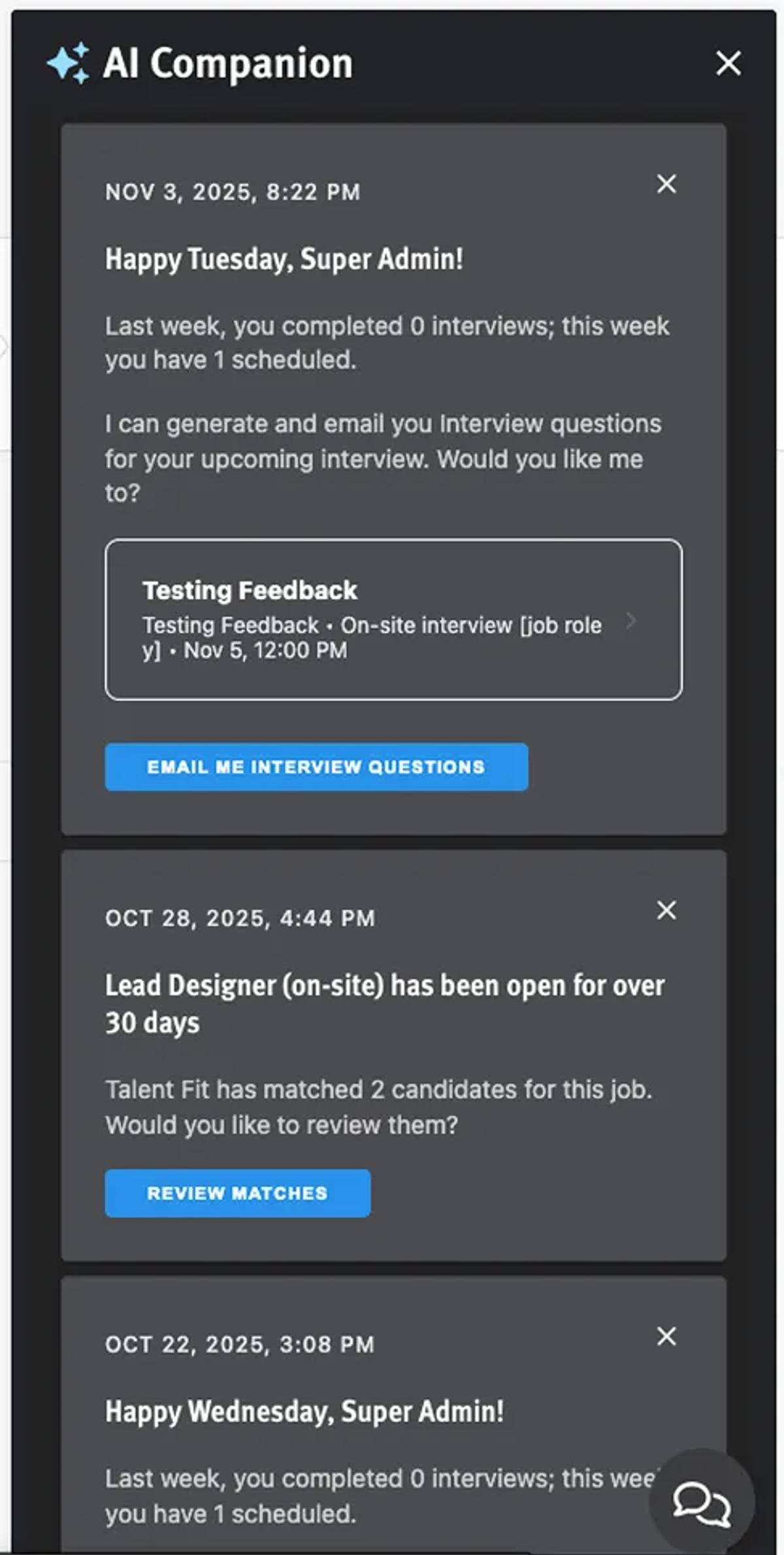
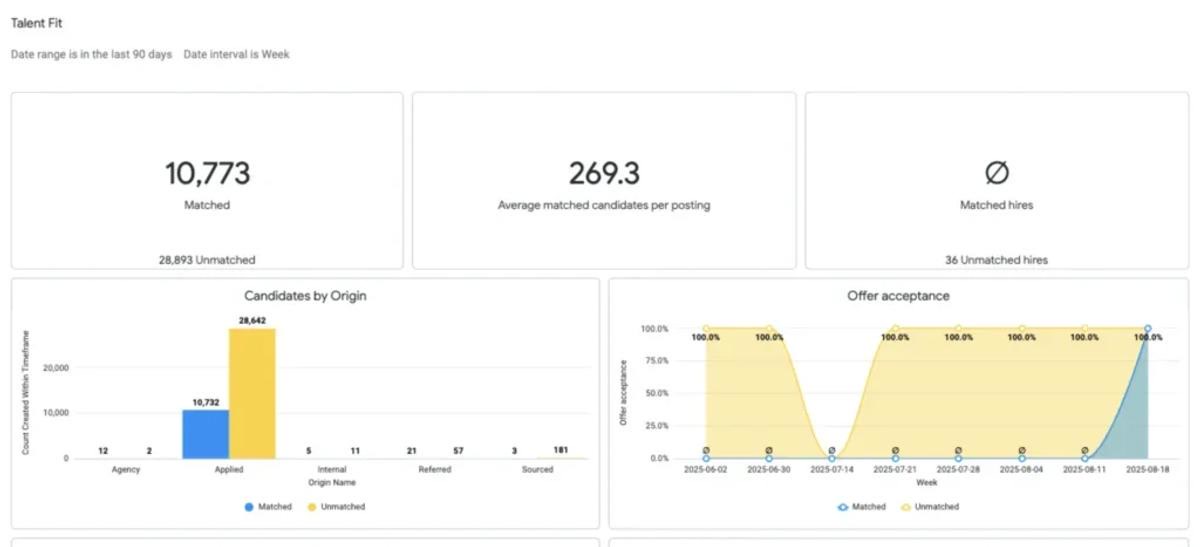
The AI Interview Companion prepares a snapshot from the résumé and job description, generates tailored questions and previews upcoming interviews. After the conversation, transcripts and summaries can reduce the familiar chase for scorecards. Talent Fit matches candidate qualifications against job criteria and adds a dashboard for match volume, sources and outcomes. Lever says recruiters retain the decision and can see context for recommendations. Its AI governance uses IBM's watsonx tooling, a practical detail for teams that need to explain how hiring automation is controlled.
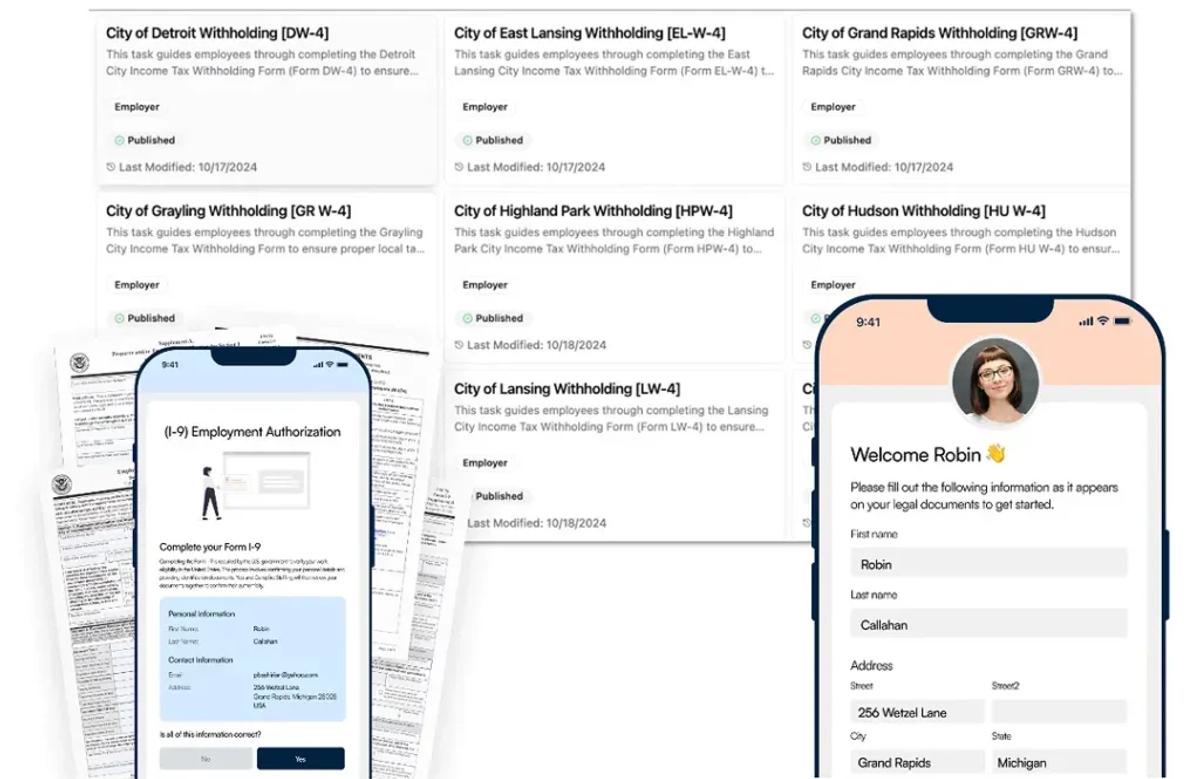
The spring release also pushed beyond the signed offer. Onboarding supplies workflows, document generation, signatures, forms, E-Verify integration and a mobile-first new-hire experience. It is optional, but it closes an awkward seam: the candidate who received careful communication for weeks should not land in a swamp of PDFs on Friday afternoon.
The feature map, minus the confetti
| Job to be done | What Lever brings | What to test |
|---|---|---|
| Keep prospects warm | CRM records, talent pools, personalized outreach and Advanced Nurture. | Campaign limits, consent rules, duplicate handling and deliverability. |
| Run interviews | Scheduling, guides, shared feedback, transcripts, summaries and generated questions. | Calendar edge cases, scorecard completion and candidate consent. |
| Move work automatically | Automation Hub actions for tags, emails, stages and archiving. | Your odd approval path and every exception the operations team knows by name. |
| See the funnel | Standard dashboards, configurable reports and Talent Fit analytics. | A board report, a compliance export and one cross-department question. |
| Connect the stack | Marketplace integrations, API, webhooks and a sourcing browser extension. | Whether each connector is native, paid, partner-run or custom work. |
The reporting question will not leave the room
Independent feedback is favorable on ease of use. Capterra showed a 4.6 rating from 654 reviews in August 2026, with ease of use and customer service also at 4.6. One March 2026 reviewer said centralizing candidate data and hiring activity immediately reduced coordination overhead. TechRadar praised the core features, automation and usability, while noting fewer screening and assessment tools than some rivals. Those are sensible compliments: Lever is at its best when many occasional users need to understand the pipeline without becoming ATS hobbyists.
Then comes the recurring bruise. Reddit threads from recruiters repeatedly describe custom reporting and exports as clunky, even when they like the everyday interface. Others mention cost, support inconsistency, limited customization or a temperamental Chrome extension. Anonymous comments are not a product audit, but repeated complaints make excellent demo scripts. Ask the rep to build the report while you watch. Ask how data exports work without API help. Ask who owns a broken integration and what support tier answers.
Pricing deserves the same directness. Lever publishes no dollar figures, free plan or public self-serve trial. Quotes vary with company size, hiring volume, products, integrations, implementation and support. This does not make the product unsuitable, but it makes procurement part of the product experience. Request a three-year view, renewal assumptions, implementation fees, sandbox access, data migration, API access, support response targets and the cost of every add-on you saw.
Lever, Greenhouse or Ashby?
The lazy comparison is a feature checklist. The useful comparison starts with your pain. Lever should appeal when native candidate relationship management and approachable collaboration are central. Greenhouse belongs in the test when structured process, configuration and a broad ecosystem lead the brief. Ashby is often shortlisted by technical recruiting teams that care intensely about analytics and an integrated modern workflow. Workable can suit teams seeking a simpler recruitment suite; iCIMS and Workday enter when enterprise process and existing HR architecture dominate.
Bring the same four exercises to every vendor: revive a sourced candidate from last year, schedule a panel across calendars, change an approved offer, and build the monthly funnel report from scratch. Count the handoffs. Watch the hiring manager's face. Software procurement becomes much clearer when the test contains actual work.
Shortlist Lever when relationships, recruiter usability and shared hiring context matter more than endless configuration. Make reporting, exports, add-on boundaries and total contract cost prove themselves before you sign.
The buying guide you can take into the demo
Start with data. How will Lever merge duplicate people, preserve consent, map old stages and handle attachments during migration? Then ask about adoption. Which actions can an interviewer complete from email or calendar, and which require a login? How are overdue scorecards nudged? A recruiting platform fails quietly when the occasional users avoid it.
Next, make AI specific. Ask what data trains or powers each function, what leaves your environment, how candidates are notified, which recommendations can be explained, and how a human overrides them. Confirm retention settings by geography and role. Lever advertises SOC 2 Type II controls, ISO 27001 certification, and support for GDPR and CCPA compliance; your security and legal teams still need the current reports, architecture materials and contractual terms.
Finally, measure the boring wins. Time to schedule. Days stuck in stage. Scorecard completion. Response rate from nurtured prospects. Application completion. Hours spent assembling leadership reports. Lever's case studies contain striking results, but your baseline is the number that pays the invoice. If the platform gives hiring managers enough context to respond today instead of next Thursday, that may be the most valuable intelligence in the building.