applicant-tracking-system
(32)
Talos360 wants to give hiring its lost days back
Wagamama cut 12 days from hiring with Talos ATS, according to its published customer story. Now Talos360 is taking its recruitment software into the rest of working life.
Oleeo Wants to Give Hiring Its Time Back
A hospital trust cut average hiring time from 24 to 17 working days with Oleeo. The recruitment software company’s bigger test is helping employers move faster while keeping people in charge of the decisions.
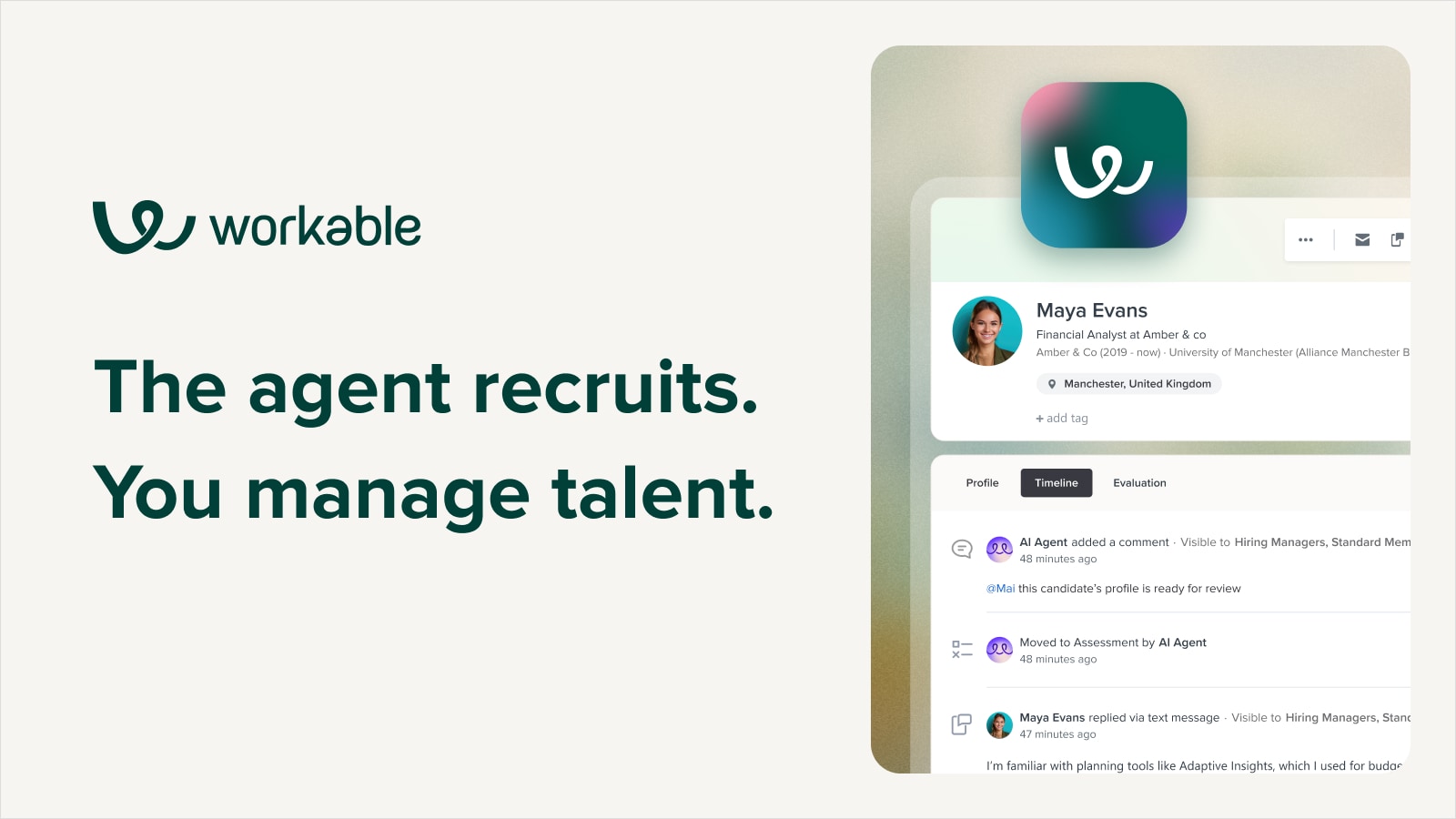
Workable Wants the Résumé Pile to Sort Itself
The Athens-born hiring platform grew up by making applicant tracking less punishing. Now its AI agent wants to run the top of the funnel - useful, ambitious, and worth inspecting before you hand it the keys.
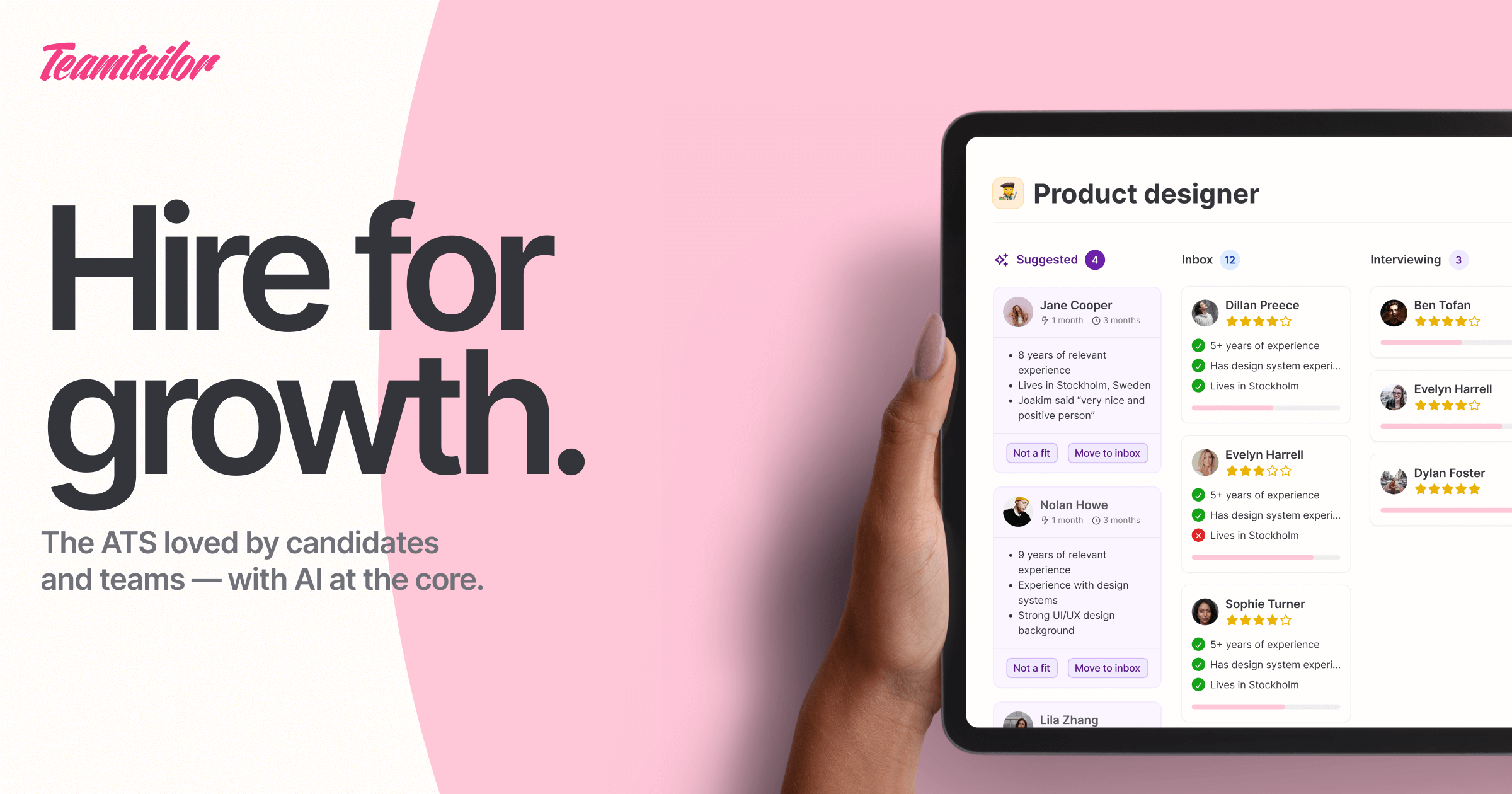
Teamtailor Makes Hiring Feel Less Like Filing
This Swedish ATS puts the career site and the candidate experience in the same room as the hiring pipeline. The result is unusually friendly recruiting software, with one grown-up catch: you have to ask what it costs.

Recruitee Makes Hiring Feel Like a Team Sport
A friendly applicant tracker for companies that have outgrown inbox archaeology. Recruitee gives every hiring manager a seat, then keeps the process from turning into a committee meeting.
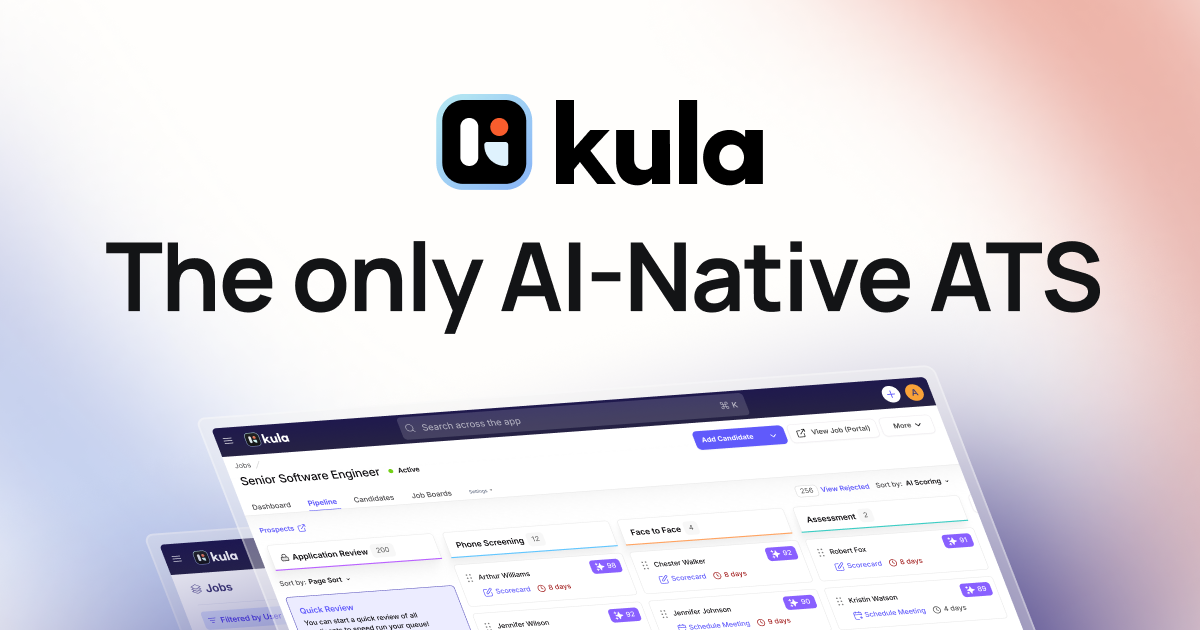
Kula Wants to Fire Your Recruiting Franken-stack
The recruiter who helped Freshworks grow from 87 to 913 employees got tired of doing the busywork by hand. His answer is one colorful ATS that sources, scores, schedules, takes notes, and still expects a human to make the call.
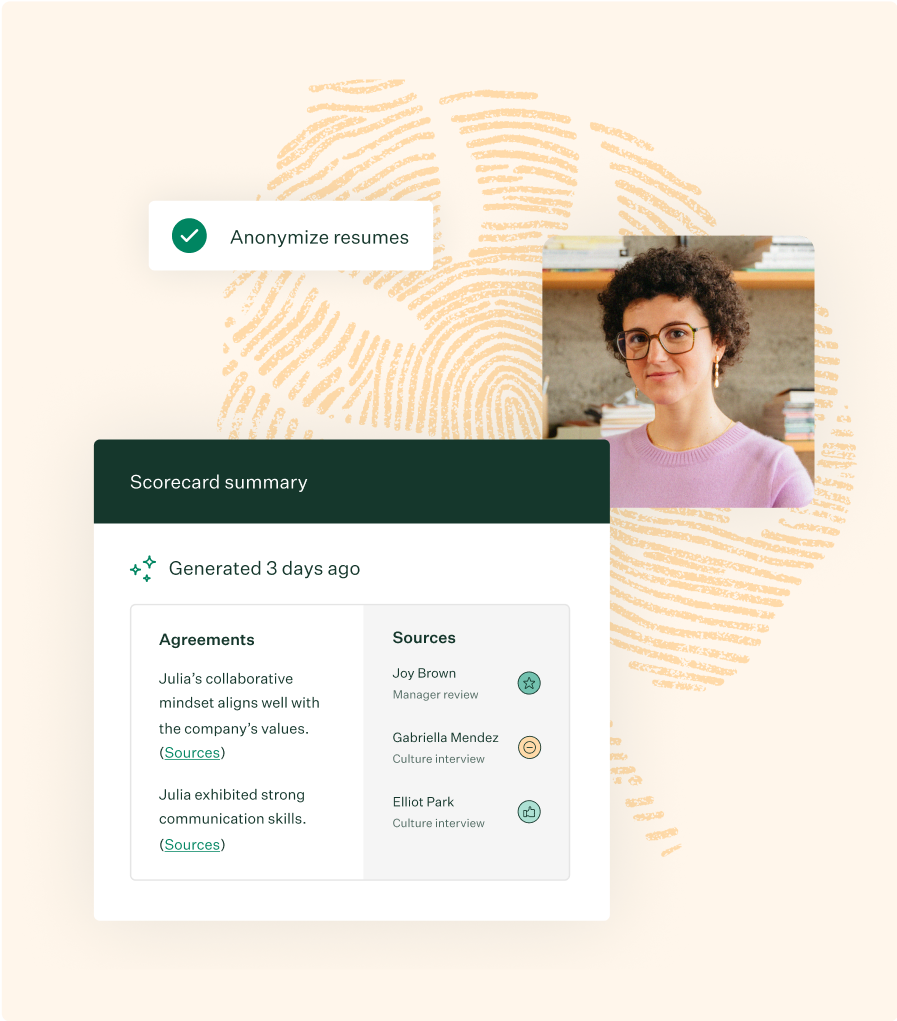
Greenhouse Turns Hiring Into a Team Sport
The hiring platform replaces interview improvisation with scorecards, shared evidence and a process the whole company can follow. It asks for more setup than a lightweight ATS, then pays that effort back when hiring gets busy.
Lever Wants Hiring to Feel Less Like Filing Cabinet Duty
Lever built its name by treating candidates as relationships, not paperwork. Its newest AI tools push that idea further - but the smartest buyers will test the reports before they fall for the tidy interface.

Manatal Puts the Hiring Mess on One Board
Manatal is the affordable ATS that wants your spreadsheet, inbox, job boards, and candidate notes in one calm place. The price is friendly; the buying decision depends on how much reporting, automation, and AI your team actually needs.

Screenloop Puts the Interview on the Record
Screenloop turns the hiring meeting everyone half-remembers into a searchable, shareable record. For growing talent teams, its real trick is connecting that record to the scorecard, the candidate experience and the eventual quality of hire.

Pinpoint Makes Complex Hiring Behave
The ATS for companies whose hiring process has grown extra limbs. Pinpoint turns regional rules, multiple brands and wildly different roles into one system people may actually use.
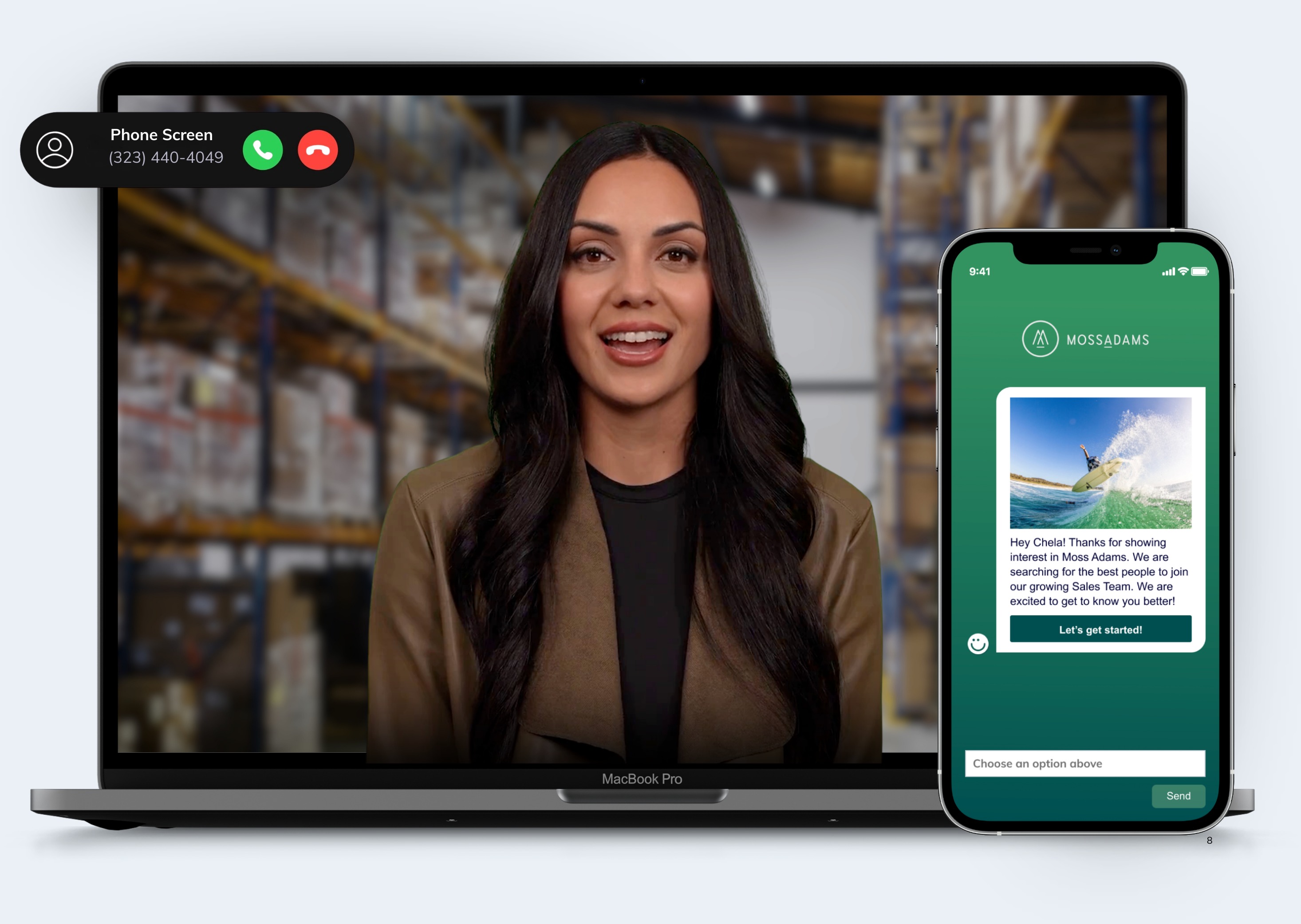
Humanly Wants to Interview Everyone Before Breakfast
Applications arrive at machine speed. Humanly gives recruiting teams a way to answer at the same pace - then puts people back in charge when judgment matters.

Choose Greenhouse or iCIMS by the Bottleneck You Cannot Ignore
Greenhouse turns interviews into a repeatable decision system. iCIMS is built to keep complex, high-volume enterprise hiring moving - and the right choice starts with knowing which failure costs you more.
GR8 People Bet the Recruiting Stack Was Broken. Its Answer Was One Big Workflow.
Most recruiting software adds another tab. GR8 People built an ATS, CRM, career-site engine and AI layer around one data model - a bet that the real enemy is the handoff between tools.

Journeyfront Found a $2.5 Million Leak Hiding Inside the Job Interview
Most hiring software records decisions and stops there. Journeyfront follows employees onto the job, then uses retention and performance data to make the next hiring class less of a guess.
Crelate Wants to Turn the Recruiting Database Into a Living Network
The Idaho software company spent years making the applicant-tracking system more flexible. Now it is betting that recruiters need a database that searches, refreshes and suggests - without taking the relationship out of their hands.

Bullhorn Built the Operating System for Recruiters. Now It Wants to Run the Busywork.
The Boston software company spent 26 years turning staffing’s messy three-way relationship - candidate, job, client - into one system. Its next act is giving that system a set of AI workers.

Greenhouse vs Lever Is the Wrong Question
The better recruiting platform is the one that matches how your team actually hires. Greenhouse rewards process discipline; Lever puts candidate relationships and pipeline flow at the center.

Ashby or iCIMS Is Really a Bet on How You Hire
The fashionable ATS and the entrenched enterprise platform solve different kinds of recruiting pain. The right choice starts with your operating model, not a feature checklist.

The HR Rivals That Barely Compete
Insperity takes HR work off an owner’s desk. SmartRecruiters gives a global talent team a better desk. The useful comparison starts with who wants to keep control.

Your ATS Is Really a Bet on Its Owner
Greenhouse, Lever, Ashby, iCIMS and SmartRecruiters increasingly sell the same promise. The better buying question is who controls the roadmap - and what kind of hiring operation you actually run.

MochaCare
MochaCare is a San Francisco startup in Y Combinator's Winter 2026 batch that runs the back office of home care agencies. It pairs AI agents with human operators to handle hiring, scheduling, and client intake end to end, so agency owners can spend less time on operations and more time growing and serving their communities.
Moka
Moka (MokaHR) is an AI-native HR SaaS company founded in 2015 in Beijing that builds recruiting and human-capital-management software for mid-market and enterprise employers. Its platform combines an applicant tracking system, talent CRM, recruitment automation, analytics, and the Moka Eva AI assistant to speed up hiring and HR operations. Moka reached unicorn status after a $100M Series C led by Tiger Global in 2021 and serves 2,000-3,000+ brands, including roughly 30% of the Fortune 500, with a growing presence in Singapore and Southeast Asia.
X0PA AI
X0PA AI is a Singapore-based HR technology company that builds an AI-powered talent acquisition platform to make hiring more objective, faster and less biased. Founded in 2017 by serial entrepreneur Nina Alag Suri, the SaaS platform uses machine learning, predictive analytics and natural language processing to source, screen, score and rank candidates for enterprises, governments and universities. It has since expanded into an agentic AI suite of named hiring agents and positions itself around responsible, explainable AI, having become one of the first HR-tech firms to earn Singapore's AI Verify certification.

Daniel Chait
Daniel Chait is the co-founder and CEO of Greenhouse Software, the New York-based recruiting platform he started with Jon Stross in 2012 to help companies make hiring a competitive advantage. A University of Michigan computer engineer who spent more than a decade as a software consultant and previously co-founded the investment-banking tech firm Lab49, Chait built Greenhouse around the idea of 'structured hiring.' He is co-author of the book Talent Makers, a frequent conference speaker, and a vocal commentator on how AI is reshaping recruiting - including his warning about an 'AI doom loop' flooding both job seekers and employers.

Flo
Flo (formerly Flo Recruit) is an Austin-based software company building the talent platform for the legal industry. It connects law firms, law schools, attorneys, and search firms through a connected suite of recruiting and performance-management tools - including an applicant tracking system, the Flo Forward career platform, pipeline building, and Flo AI. Founded in 2017 by University of Texas students Katherine Allen and Atreya Misra, the company works with roughly 70% of AmLaw 100 firms and 85% of the top 50 U.S. law schools.
Greenhouse Software
Greenhouse Software is a New York-based hiring platform that helps companies run structured, data-driven recruiting. Founded in 2012 by Daniel Chait and Jon Stross, it centralizes applicant tracking, interview scorecards, candidate sourcing, onboarding and reporting into one system used by more than 7,500 organizations. Rather than pushing automation for its own sake, Greenhouse pitches 'structured hiring' - a consistent, comparable process for evaluating candidates - and has layered in AI tools and fraud detection to keep that process reliable as application volumes surge.

Katherine Allen
Katherine Allen is the co-founder and CEO of Flo Recruit (branded as Flo), an Austin-based vertical SaaS company that builds recruiting and hiring software for the legal industry. She started the company as an undergraduate at the University of Texas at Austin, went through Y Combinator in 2019, and left school to build Flo full time with co-founder Atreya Misra. Today Flo partners with more than 125 law firms, including close to 70% of the AmLaw 100, and over 100 law schools serving 25,000-plus students, and has raised roughly $5.5 million-plus across seed and a 2025 Series A round.
Fountain
Fountain is a San Francisco-based software company that builds an AI-native hiring and workforce-management platform for the frontline - the hourly, deskless, high-turnover workers who staff restaurants, warehouses, retail floors, delivery fleets, hospitals and factories. Founded in 2014, its platform sources, screens, hires, onboards and schedules workers at high volume, and it has moved aggressively toward autonomous 'agentic' AI with products like Frontline OS and its orchestrator agent Cue. Fountain says it helps more than 500 employers hire well over a million frontline workers a year, and counts brands such as Chipotle, Stitch Fix, GoPuff and Just Eat Takeaway among its customers.
Keka HR
Keka HR is a cloud-based human resource, payroll and people-operations platform for small and mid-sized businesses. Founded in Hyderabad in 2014 by Vijay Yalamanchili, it bundles payroll, attendance, leave, performance, hiring and employee-engagement tools into a single self-serve system. After bootstrapping for years, Keka raised a $57 million Series A from WestBridge Capital in 2022 - reported as India's largest Series A in SaaS at the time - and now serves thousands of companies while processing payroll for more than a million employees each month.