Hiring goes sideways in familiar ways. A manager opens an interview with “tell me about yourself,” three colleagues test the same skill, nobody writes feedback until the debrief, and the room finally hires the person who produced the warmest feeling. Greenhouse exists to put rails around that little circus. It is an applicant tracking and hiring platform built for companies where recruiting has become too important, too busy or too distributed to live in a spreadsheet and one recruiter’s memory.
The defining idea is structured hiring. Before candidates arrive, a team agrees on what the job requires, assigns those attributes to interviews and builds scorecards. Interviewers get a kit with the questions and criteria they own. Their notes land on a shared candidate record. The debrief can begin with evidence instead of a half-remembered vibe. Plenty of systems store applicants; Greenhouse’s more interesting ambition is to change how a company reaches a decision.
Who is it for? Recruiting teams at scaling companies, midsize businesses and enterprises with many hiring managers, repeatable roles, compliance needs or a sprawling recruiting stack. Greenhouse says more than 7,500 companies use it, with customers including HubSpot, Duolingo, DoorDash, Major League Baseball, SeatGeek and Lyft. A founder hiring employee number eight can use it. The economics and setup are easier to defend when employee number 800 is interviewing across departments and time zones.
The humble scorecard has teeth
Greenhouse starts with a job plan: outcomes, skills, traits and interview stages. A product designer might be assessed for interaction craft, systems thinking and collaboration. Those subjects can be distributed across a portfolio review, working session and cross-functional conversation. The scorecard gives each interviewer a specific patch of ground. This reduces duplicate questioning and makes “culture fit” harder to use as a decorative label for personal comfort.
The system also nudges interviewers to submit scorecards before they see everyone else’s feedback. That sequencing matters. The first confident opinion in a meeting can bend the group around it; private, timely judgments preserve independent signal. Greenhouse cannot make a sloppy question useful or a timid interviewer candid. It can make the expected behavior obvious and show the recruiting team where the process is leaking.
“Greenhouse is a process machine disguised as an applicant tracker.”Our read after tracing the workflow from role setup to offer
Build the plan
Define criteria, stages, interview kits and approvals before calendars fill up.
Work the pipeline
Collect applications and referrals, move candidates and automate routine actions.
Gather signal
Coordinate interviews, reminders and scorecards around one candidate record.
Learn the pattern
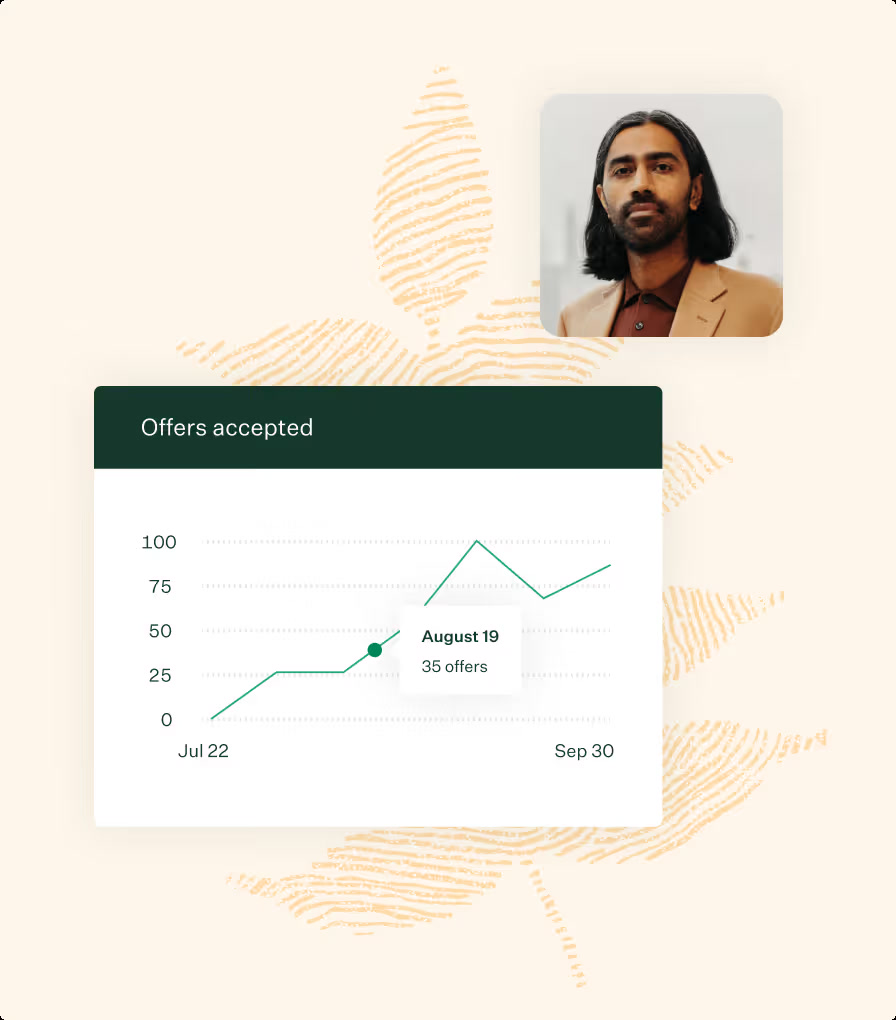
Use reports and Analytics to find bottlenecks, conversion gaps and slow decisions.
What you can actually do
At the front of the funnel, Greenhouse publishes jobs, collects applications and referrals, organizes prospect pools and connects to external sourcing tools. Recruiters can build automations around common stage changes, messages and tasks. Candidate records gather résumés, activity, email, interview feedback and approvals. Calendar connections, self-scheduling and interview reminders address the practical work of getting five adults into the same conversation.
Candidates encounter branded job boards and, where enabled, MyGreenhouse. Introduced in 2025, that portal offers status updates, job alerts, saved information and Quick Apply across participating Greenhouse customer boards. The candidate experience still depends heavily on the employer. A responsive portal cannot force a hiring manager to answer. It does give a company better plumbing for doing the decent thing.
After an offer, Greenhouse Onboarding can assign tasks, collect information, share welcome material and involve the new hire’s manager and colleagues. Reporting covers pipeline health, source performance, interviewer behavior, diversity data and operational speed. Enterprise teams get the controls expected around sensitive candidate data: permissions, SSO, SCIM, audit tooling and data governance. The company reports annual SOC 1 Type 2 and SOC 2 Type 2 audits, plus ISO 27001, 27701 and 42001 certifications.
The ecosystem is a practical reason teams stay. More than 500 pre-built integrations cover job boards, assessments, background checks, calendars, video meetings, HR systems and specialist recruiting tools. Open interfaces include the Harvest, Job Board, Assessment and Onboarding APIs, with webhooks for event-driven work. This makes Greenhouse a hub rather than a sealed suite. An engineering team can publish jobs into a custom career site; recruiting operations can move hiring data into a warehouse; HR can hand an accepted candidate to the employee system. The flexibility comes with maintenance. Every connection has an owner, permissions and a failure mode, so the architecture diagram deserves the same attention as the demo.
Recruiters are not chained to a laptop, either. The iOS and Android apps cover common tasks such as reviewing applications, opening interview kits, reading candidate profiles, completing scorecards, approving offers and checking open jobs. The mobile experience is a companion rather than the place to rebuild an interview process. Its best moment is simpler: an interviewer leaves a meeting, files the scorecard while the details are fresh and gets on with the day.
The Greenhouse loop: decide what good looks like before deciding who looks good.
The AI arrives wearing a visitor badge
Greenhouse’s 2026 release cycle is its answer to a recruiting market flooded by generated applications and equally generated screening. Notetaker can join a video interview, transcribe it and draft structured notes against scorecard questions. Greenhouse Analytics lets recruiting teams ask and share questions without waiting for a business-intelligence queue. The new MCP connection gives approved AI tools permissioned access to Greenhouse data and workflows, with governance positioned as part of the product rather than an appendix.
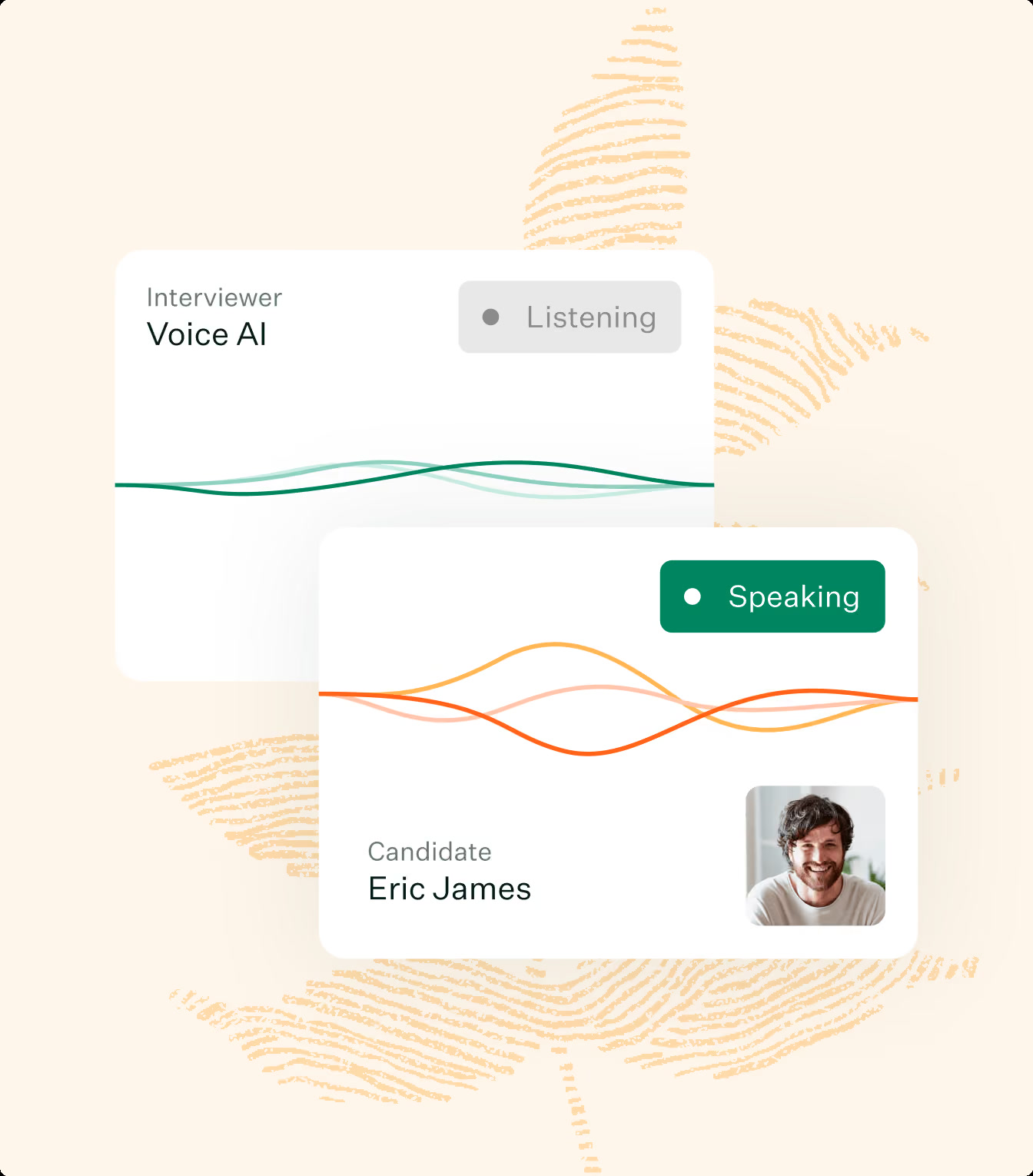
The larger bet came through the acquisition of Ezra AI Labs. Greenhouse Voice AI conducts an on-demand, two-way conversation early in the process. Its pitch is broader access to an interview and richer evidence than a résumé provides. That is also the feature buyers should examine most carefully. Candidates deserve clear disclosure, a practical way to opt out and a human accountable for the decision. Greenhouse’s published principles say AI should assist people and keep humans in control. Procurement should test that promise in the actual configuration, candidate copy and audit trail.
The setup tax is real
Structure is Greenhouse’s advantage and its invoice. Someone must design scorecards, define permissions, clean data, map workflows, connect calendars, train hiring managers and keep templates from fossilizing. If leadership wants a tool that politely contains the existing chaos, the organization may end up with expensive chaos in tidy green boxes.
Independent review themes are remarkably consistent. Users praise integrations, collaborative workflows and the ability to standardize interviews. They also complain about clunky navigation, scheduling friction and reports that can be difficult to customize or learn. Reddit discussions echo the same split: experienced recruiters value a purpose-built ATS and broad ecosystem, while others bolt on scheduling or analytics products to cover rough edges. These are rarely fatal flaws. They are demo homework.
| Option | Look here when… | Question to press in the demo |
|---|---|---|
| Greenhouse | Structured interviews, ecosystem depth and cross-company adoption matter. | How much admin work will our exact workflow require? |
| Ashby | You want recruiting analytics and automation in a newer all-in-one package. | Does its ecosystem cover every specialist tool we rely on? |
| Lever | Candidate relationship management and pipeline nurturing are central. | How will reporting and complex approvals behave at our scale? |
| Workday | Recruiting must sit inside a broad enterprise HR and finance suite. | What will candidates and occasional interviewers experience? |
| Workable / Teamtailor | A smaller team wants quicker setup or employer-brand tools. | Which controls will we outgrow in the next two years? |
Pricing requires a conversation
Greenhouse sells annual subscriptions and publishes three current tiers: Core, Plus and Pro. Core covers essential structure and candidate experience. Plus adds automation, configuration and deeper reporting. Pro adds enterprise governance, security, analytics and extensibility. The company does not publish dollar prices; quotes vary with the plan, hiring volume, organizational complexity and features. There is no public free tier.
Ask for the total operating cost, not merely the license. Include implementation, migration, integrations, premium support, sandbox access, analytics work and the staff time needed for system ownership. Ask which AI features are included, separately priced or usage-limited. Insist on renewal assumptions and an export plan. Then run a working session using one real role, one real approval chain and one miserable scheduling scenario. A polished overview can hide the click count.
A practical buying checklist
Bring recruiters, recruiting operations, IT, privacy, a frequent hiring manager and one skeptical interviewer into the evaluation. Measure time to configure a role, schedule a panel, submit a scorecard, correct a permission mistake, build a funnel report and move data into your HRIS. Preview the candidate emails on a phone. Review data residency, retention, AI subprocessors and accessibility. Finally, call two customers with a similar hiring volume and calendar stack. The useful question is: “What do you still do outside Greenhouse?”
The verdict
Greenhouse is a serious choice for organizations that see hiring as an operating capability. Its scorecards and interview plans give teams a common language; its integrations keep it from demanding sole ownership of the stack; its governance can satisfy grown-up procurement. The platform is less persuasive for tiny teams, casual hiring or buyers unwilling to assign a real administrator.
The decision turns on behavior. If your company will define roles carefully, train interviewers and inspect the resulting data, Greenhouse can make hiring calmer and more defensible. If every manager plans to improvise, buy lunch instead. At least the meeting will be pleasant.