Consider the arithmetic of a recruiting department. In Maki’s account of Forvis Mazars, applications rose from 60,000 in 2020 to more than 200,000 in 2025. Recruiting staff did not increase in proportion. Somewhere between the inbox and the interview, somebody still had to decide which stranger deserved a chance. A familiar school name offered a convenient shortcut. So did a familiar employer. Neither required watching the applicant do anything.
- The proposition: assess skills before letting the CV do all the talking.
- The machinery: five agents covering screening, assessment, scheduling and interviews.
- The boundary: Maki says a human must review any adverse decision.
The pile got bigger. The team didn’t.
MakiPeople, usually branded simply as Maki, sells software for that crowded middle of recruitment. Employers use it to test candidates, conduct conversational screening and assemble evidence inside their existing hiring systems. Its market includes frontline workers, graduates and specialists. The common problem is less glamorous than discovering genius: too many applications, too much administration, too little comparable information.
Forvis Mazars’ French junior-hiring pilot makes the argument concrete. Its team wanted to move beyond schools and diplomas, while managing an application flow that manual CV and cover-letter review could no longer comfortably support. Maki supplied branded, multilingual assessments combining technical, cognitive, language and behavioral skills. Candidates received feedback; recruiters received a more structured view of ability.
“We don’t want to determine candidates’ futures based only on a diploma.”Mathilde Le Coz · Forvis Mazars, in Maki’s customer account
Notice the change in the question. A CV asks where someone has been. An assessment asks what someone can do under specified conditions. Neither is a complete portrait. But when pedigree becomes the substitute for observation, a recruiting process can be exquisitely organized around the wrong evidence.
From a test library to a cast of five
Maki began in 2021 with Maxime Legardez-Coquin, Paul-Louis Caylar and Benjamin Chino. Early French reporting described a platform informed by interviews with roughly 50 HR directors. Its first module evaluated hard and soft skills. The company raised €6 million in seed funding that November. The initial wager was practical: give employers a simpler way to compare applicants.
The founders had experience outside recruitment software. Legardez-Coquin founded freight startup Everoad, later acquired by Sennder. Caylar was a McKinsey partner and subsequently led Sennder France. Chino worked in product operations at Uber and became Sennder’s VP of Product. Their biographies suggest familiarity with moving complicated processes through software, an apt preparation for a hiring funnel.

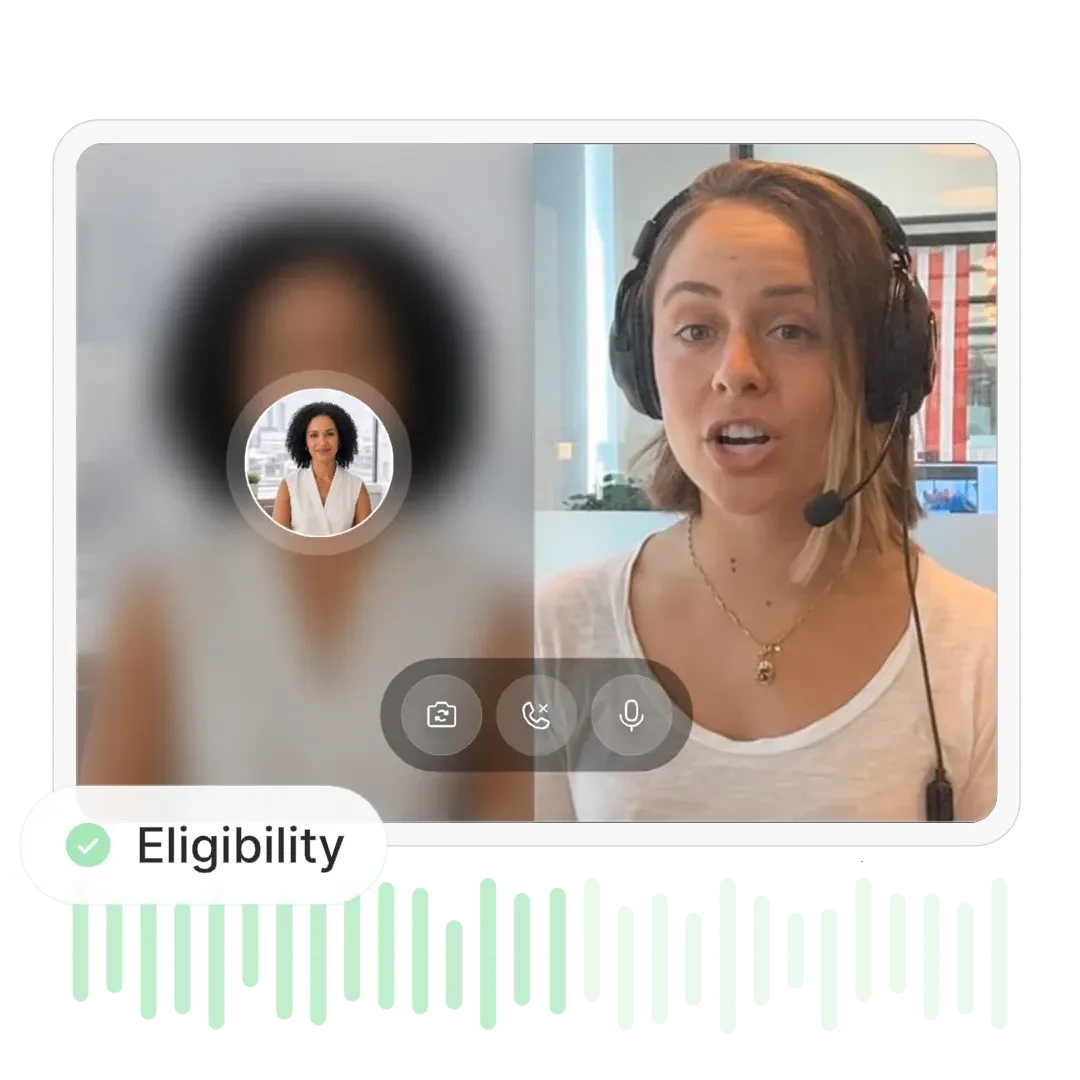
Today, the product has a small cast. Shiro supplies short, standardized skills screening, typically lasting 10 to 15 minutes. Mochi conducts browser or telephone conversations and asks follow-up questions. Ken goes deeper into coding, reasoning, cases and leadership. It is available only after Shiro, a deliberate sequence rather than an invitation to test everybody forever.
Kumi handles scheduling through calendar integration and candidate self-booking. Tomo supports the human interview: a role-based plan beforehand, recording and guidance during the conversation, then transcript-linked evidence and a report afterward. Introduced in a July 2026 company post, Tomo extends Maki into the stage where a recruiter’s memory might otherwise become the official record.
- 01 / ShiroShow the skill
- 02 / MochiHave the conversation
- 03 / KenGo deeper if needed
- 04 / KumiBook the interview
- 05 / TomoKeep the evidence
The numbers need their manners checked
In Maki’s published Forvis Mazars case study, manual screening time fell 60%. The assessment completion rate was 96%. There is a useful qualification: 65% of candidates started. A high completion rate among starters answers a different question from participation across the whole applicant pool. Good hiring analysis keeps both numbers in the room.
Other customer stories describe different bottlenecks. Capgemini had disconnected tools and repetitive screening; it adopted a two-stage approach combining initial evaluation with deeper, role-specific assessment. Nespresso needed greater consistency and integration with SAP SuccessFactors. Maki reports that Nespresso’s hiring time moved from 27 days to 20, roughly a week returned to the store’s staffing calendar.
Those accounts are vendor-published outcomes, not controlled experiments. They explain why a buyer might become interested. They do not establish that the software alone caused every improvement, or that a different employer will reproduce them. The sensible next step is a pilot with a baseline and a definition of success agreed beforehand.
The invoice follows the candidate
Maki’s pricing is built around enterprise quotes and usage credits for candidate interactions. The commercial unit is activity rather than simply adding recruiter seats. That makes application volume part of the buying conversation. Buyers should ask which interactions consume credits, how unfinished assessments are counted and what integration work their quote includes.
In January 2025, a $28.6 million Series A led by Blossom Capital funded product development, U.S. expansion and hiring. Maki now sits among assessment providers such as TestGorilla and Mercer Mettl, alongside enterprise interviewing alternatives such as HireVue. Its particular pitch combines psychometric work, conversational agents and connected workflows. Existing applicant-tracking software stays in the picture; Maki advertises more than 30 ATS and HR integrations.
Distribution is widening too. An April 2026 Hudson Talent Solutions partnership brings Maki into outsourced recruitment delivery. June’s Recruitics agreement places voice interviews in AdaptiveApply’s pre-application workflow. Screening can happen before an application reaches the ATS, moving the information upstream.
An answer must survive inspection
The less photogenic product is the measurement work. Maki’s science team, led by Aiden Loe, describes piloting questions, standardizing assessments and comparing AI scoring with expert ratings. Its security page lists independent March 2026 bias audits of Mochi and Shiro. It also states that a score cannot automatically disqualify someone: an adverse decision requires human review.
The copyable lesson is modest. Define the skills, ask comparable questions, give useful feedback and check results against subsequent work. Automation will struggle if the employer cannot define competence, offers inaccessible tasks or treats a score as permission to stop thinking. Maki makes the process easier to operate. The employer still has to decide what deserves measuring.