skills-based-hiring
(15)
Amanda Hahn Spent Her Career Removing the Friction From Hiring
She started recruiting in her teens, learned the machinery from inside, then spent years making hiring technology legible. Amanda Hahn’s career is a study in what happens when the marketer has actually done the work.

Samir Gulati Has Spent Three Decades Making Enterprise Software Make Sense
From electronic commerce at GE to AI-assisted hiring at Hirevue, Gulati’s career follows one durable idea: complicated technology earns attention only when its value becomes plain.

Nobody Agrees What a Skill Is. Lightcast Built the Dictionary for 6,000 Organizations.
The Idaho-born data company translates the unruly language of work into 34,000 skills, 1,800-plus occupations and decisions about what to teach, whom to hire and where to invest. Its real product is not a dashboard. It is agreement.
Eightfold AI Fired Its Working Product - Then Built a $2.1 Billion Talent Machine
The HR software company’s useful mistake was abandoning the thing customers wanted. Its return to skills-first matching - and a move upmarket - offers a sharper lesson than another AI success story.
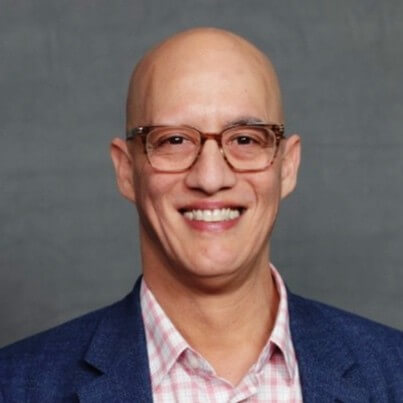
Jam Khan Traded the Résumé for Something Stronger
He began as an engineer, learned to sell complicated software around the world, and now argues that hiring should reward what people can do - not how elegantly they package their past.
HireVue Made the Interview Software. Then It Had to Explain the Machine.
The Utah company turned a missed campus interview into a global hiring platform. Its next act is harder: sell the speed of AI while proving that every score deserves to shape a person’s future.

Mahe Bayireddi Built a Hiring Company Around a Promise His Father Repeated 6,000 Times
The Phenom co-founder turned a childhood refrain into an enterprise software company. His next test is making AI useful at work without letting it forget the people doing it.

Satish Kumar Is Rebuilding Hiring Around Proof
From borrowed physics notes in rural India to a 2026 deal with Findem, the Glider AI co-founder has spent his career turning one stubborn belief into software: opportunity should follow demonstrated ability, not pedigree.

Glider AI Bet the Résumé Was Broken. Then AI Made It Worse.
The hiring platform began by testing what candidates could actually do. Six years, a $10 million Series A and a Findem acquisition later, it is selling something more urgent: proof that the candidate on screen is real.
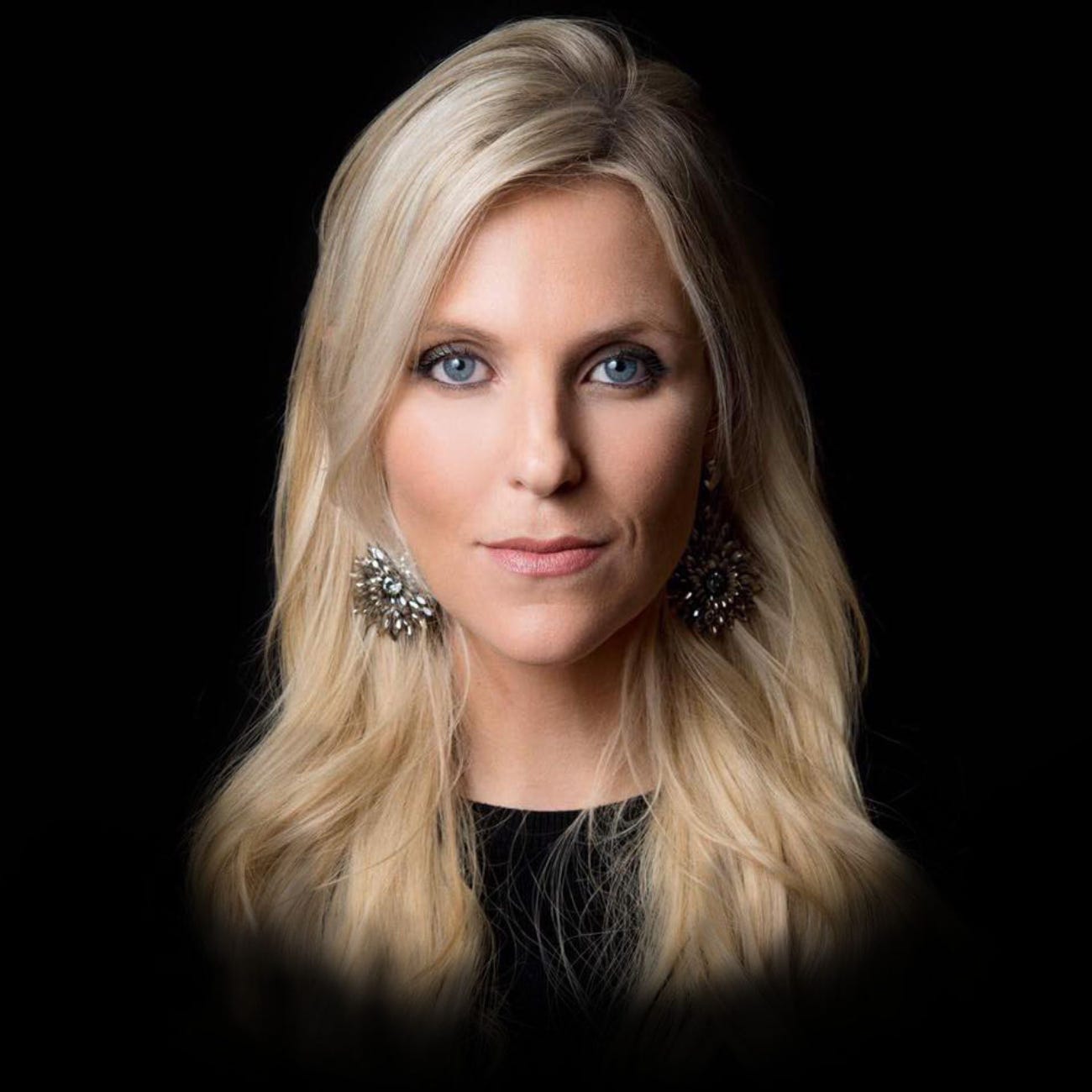
Joanna Riley Is Teaching AI to See the People a Résumé Misses
A rowing scholarship, an FBI post and a public-company flameout gave the Censia co-founder an unusual education in patterns, pressure and reinvention. Her next bet is that better data can help employers see potential before pedigree.
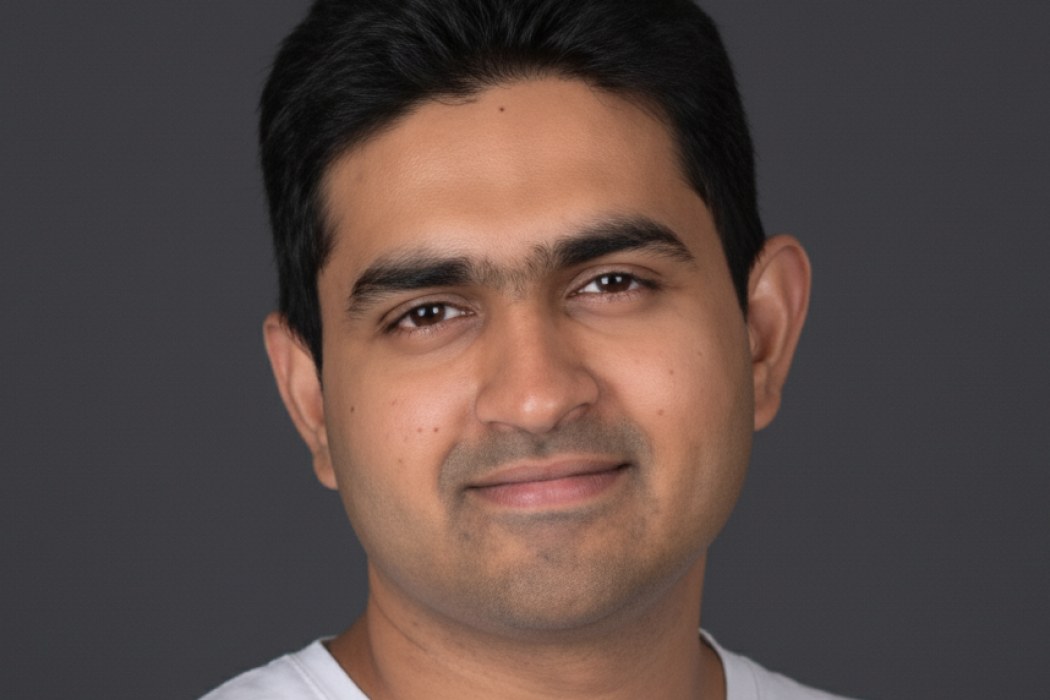
Vivek Ravisankar
Vivek Ravisankar is the co-founder and CEO of HackerRank, the technical hiring platform he started in 2012 after leaving a developer job at Amazon. Frustrated by the hours engineers lost to unstructured interviews, he and co-founder Hari Karunanidhi built a way to measure programming skill directly. After several pivots and three tries at Y Combinator, HackerRank grew into a platform used by thousands of companies and millions of developers. Ravisankar's stated mission is to build a meritocracy in hiring, where a developer's skills matter more than their school, geography, or resume brands.

Casey Powers
Casey Powers is the CEO of Climb Credit, a New York-based fintech that finances career-focused and vocational education for students of all credit profiles. She rose to the top job in February 2022 after three years as Climb's Chief Operating Officer, bringing more than 15 years of experience across investment banking and mission-driven fintech startups. A vocal advocate for skills-based hiring, Powers has centered her leadership on expanding access to affordable education that improves earning potential for underserved learners and career switchers.

Censia
Censia is a San Francisco-based talent intelligence company that uses AI to turn billions of workforce data points into skills-based profiles of employees and candidates. Its platform enriches HR systems - most notably Workday - so enterprises can see hidden internal talent, plan their workforce around skills rather than job titles, and make faster, fairer hiring and mobility decisions. Founded in 2017 and led by CEO Joanna Riley, Censia sells to large enterprises and pitches itself on ethical, bias-aware AI applied to talent data.

HackerRank
HackerRank is a technical skills platform that helps companies screen, interview, and hire developers based on what they can actually build rather than what their resume claims. Founded in 2009 by Vivek Ravisankar and Hari Karunanidhi, the company runs a two-sided model: a community where millions of developers practice coding challenges, and an enterprise product that lets 3,000+ companies - including a large share of the Fortune 100 - assess candidates with real-world coding tests, live pair-programming interviews, and, increasingly, AI-assisted evaluation and proctoring.

Kian Katanforoosh
Kian Katanforoosh is the CEO and co-founder of Workera, an AI-powered skills intelligence platform that has raised $55.5M and serves enterprise clients including Samsung, Siemens Energy, and the U.S. Air Force. Born in France to Iranian immigrant parents, he came to Silicon Valley via Stanford, where he co-created the Deep Learning Specialization on Coursera with Andrew Ng, reaching over 4 million learners. He holds Stanford's Walter J. Gores Award (the university's highest teaching honor) and was named a Forbes 30 Under 30 and World Economic Forum Technology Pioneer in 2025. His mission: make elite mentorship - the kind he received from Andrew Ng - accessible to anyone through AI-powered skill assessment and personalized learning.