hr-tech
(170)
Rahul Varma Kalidindi wants to give HR its time back
From industrial automation to Akrivia HCM, Rahul Varma Kalidindi has kept returning to one practical question: which tasks should software take off people’s hands? His answer connects engineering, employee experience and a continuing involvement in education.

Steven Jiang gave himself six months in the job he wanted to change
To build AI for recruiters, Steven Jiang became one. The hireEZ co-founder’s career has followed that same demanding habit: learn the work, then question the machinery.

Toby Hervey and the conversation before the conversation
A friend’s difficult day at work gave Toby Hervey and Sarah Sheehan the idea for Bravely. Building it would teach him how much useful advice can ask of the person receiving it.

Maxime Legardez-Coquin and the trouble with a perfect CV
Before he built MakiPeople, Maxime Legardez-Coquin sold tyres, ran food-delivery businesses and matched freight with trucks. Hiring the people to do all that gave him his next problem to solve.

Amit D Mishra had 600 customers. Then came the awkward question.
The iMocha co-founder had learned how to win customers. Learning which ones to serve changed the business - and sharpened his question about what people can actually do.

Tony Liu and the long wait for a simple job
Helping his mother find kitchen work showed Tony Liu how much time hiring could waste. JobGet grew from that frustration into a network spanning hourly workers and early-career candidates.

Dean Zimberg's theory of the extra shift
Before Jolly, Dean Zimberg was bringing finance students and engineers into the same room. Now he wants the rewards of a better-run business to reach the people doing the work.

Ian White and the company that outgrew its own map
At Sailthru, Ian White watched a team grow from two people to 200. ChartHop is his answer to a problem success made harder: understanding the company you have built.

Jaclyn Chen and the fine print of a better working life
The Benepass co-founder learned finance on Wall Street and leadership by selling an idea people could dismiss. Her answer to an everyday corporate frustration starts with a simple question: can employees actually use what they have been given?

Eran Heffetz and the lesson that wouldn’t stick
After opening and operating eight restaurants, Eran Heffetz knew how easily instructions could go astray. At Bites, he is building training around the people who have to use it between customers.

Tatjana Domovits and the time hidden inside a payslip
An EY auditor saw how much work went into paying people. As Mercans’ founder and Group CEO, Tatjana Domovits has spent her career getting closer to the problem - and building a business around making it simpler.

Samar Birwadker and the trouble with a perfect job
A job that looked right on paper sent Samar Birwadker looking for a better way to understand work. Good&Co grew from that mismatch into a business built around the relationships a résumé leaves out.

Raj Das and the distance between a job and a reply
He helped build Hirect around a direct conversation with the person doing the hiring. Now, at HiBOSS, Raj Das is taking the same question closer to home: who nearby needs you, and how quickly can you talk?
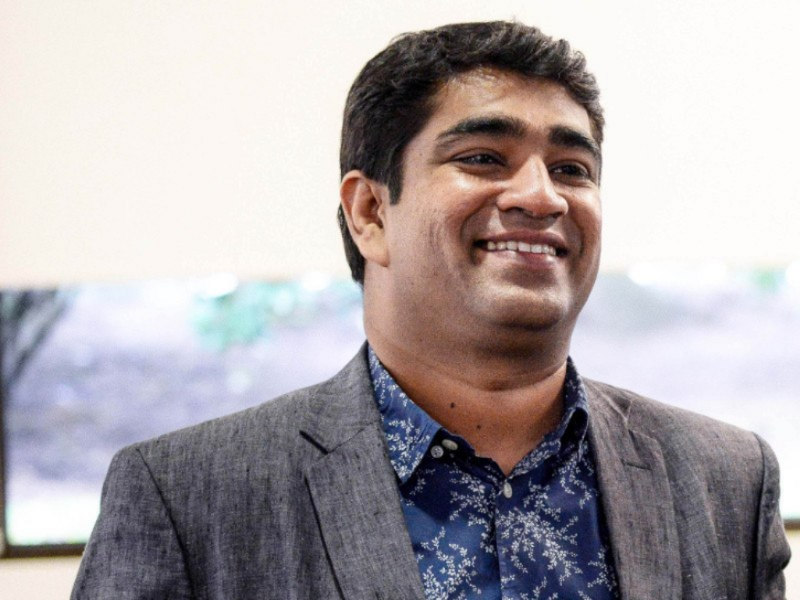
Sanjoe Tom Jose and the Appointment That Became a Company
At IIT Bombay, a mock interview kept colliding with the calendar. Sanjoe Tom Jose helped move it off the clock - and began a career asking what keeps capable people from getting their chance.

Troy Sultan and the case for showing your hand
He left Google after nine months, sold Resource to Gem, and built Guide around a simple courtesy: give candidates enough information to make up their own minds.

Othamar Gama Filho and the advantage of doing less
He built recruiting businesses in Brazil, then brought Talentify to Orlando. The harder move was learning which parts of the business to leave behind.

Manoj Agarwal and the work behind the work
After building US Tech Solutions, Manoj Agarwal turned to the machinery behind hiring. At SimplifyVMS, his subject is the complicated business of making flexible work run smoothly.
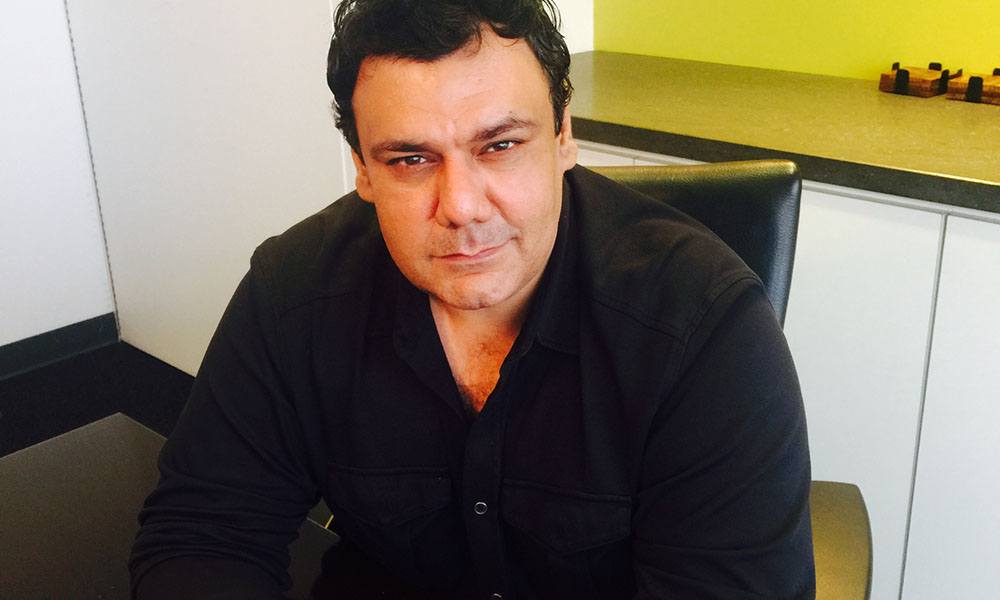
Kashif Aftab and the price of an introduction
A family shoe factory taught him to watch how business works. At SkillGigs, the Houston founder is rearranging the steps between having a skill and getting hired.

Jaibir Nihal Singh and the art of being believed
He studied film in Malibu, built TraqCheck from Delhi, and found an audience by making fun of the world he knew. Across software and satire, Jaibir Nihal Singh keeps returning to the same problem: getting people to pay attention.

Lander Degrève Would Like You to Close the Laptop
The Spott co-founder left consulting to build recruiting software with two university friends. His test of progress is becoming rather personal: can the recruiter go home earlier?

Mariana Dias had a good job. Then she asked for a napkin.
A recruiting problem at Ambev sent Mariana Dias into business with three cofounders. Building Gupy would teach her when to move quickly, when to change her mind, and why some useful deals begin over Sunday breakfast.
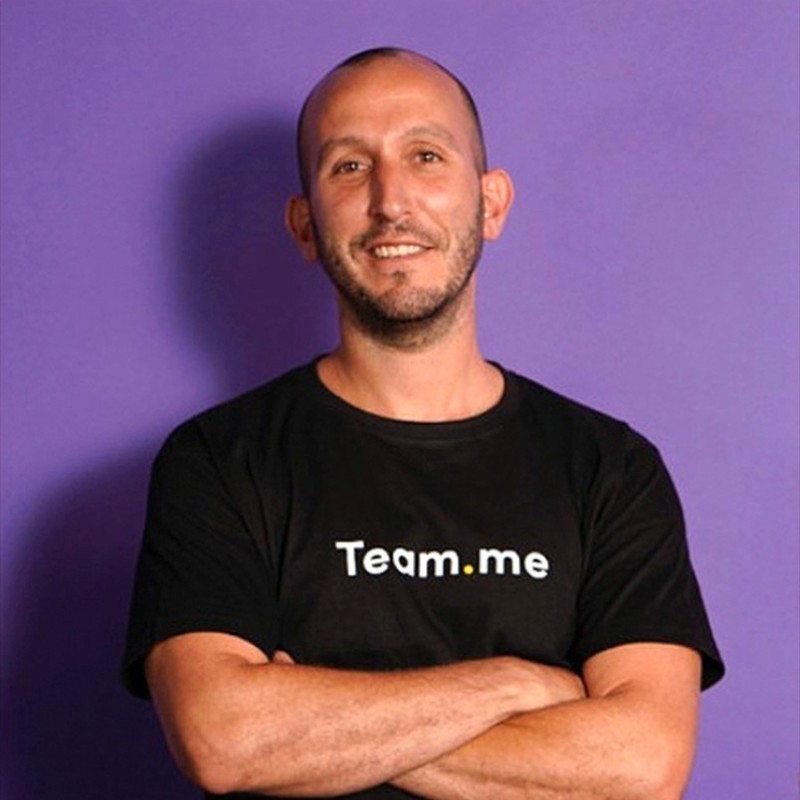
Yotam Tzuker and the value of a good introduction
A student meetup in Be’er Sheva became a career in bringing people together. From Tech7 to recruitment software, Yotam Tzuker keeps returning to the distance between having talent and getting through the door.

Matt Straz and the problem of the moving desk
He built Namely to make working life easier to understand. As the company grew, Matt Straz found that understanding his own workplace required a different kind of work.

Allan Jones and the cost of doing it yourself
A family mini-market taught Allan Jones how expensive a missing HR department could be. After a clothing startup failed and a marketing career took off, he built Bambee for owners who could not afford one.

Benjamin Croc and the trouble with managing people
Badminton helped bring Benjamin Croc from France to Malaysia. Years spent leading teams gave the brioHR co-founder a second reason to stay: making the everyday work of managing people less cumbersome.

Sultan Saidov and the trouble with a perfect CV
Oxford and Goldman Sachs gave Sultan Saidov a convincing CV. Helping other people find work gave the Beamery co-founder a reason to question what a CV can tell you.

Josh Millet and the seven-minute problem
A medieval historian walked into a bad job interview and found a business idea. Twenty years after co-founding Criteria, Josh Millet is still asking what a résumé can really tell us.

Tanmaya Jain and the business of being heard
He started inFeedo in college, nearly gave up, and found a way forward by asking better questions. For Tanmaya Jain, the enduring experiment is whether a growing company can keep listening.

Sourabh Deorah and the small business of feeling valued
A student deals venture, a Microsoft benefits card, and a question about why people stay. Sourabh Deorah has spent his career turning everyday rewards into a business with Smiti Bhatt Deorah.

Li Guoxing and the work before the interview
Moka’s co-founder saw a business in the spreadsheets and messages holding recruitment together. His next bet asks how much of that work an AI colleague can take on.