In 2012, a state transportation department acquired a learning management system. The intention was sensible: organize employee training. The software, according to Learnsoft’s account, proved incompatible with the department’s other systems and processes. A tool purchased to impose order had become another thing to work around. Learnsoft replaced it. Seven years later, a new state administration looking at technology costs and inefficiencies awarded Learnsoft learning and talent management contracts across more than 70 agencies.
- Configurable learning and talent software for complicated organizations.
- Healthcare and government customers with demanding training requirements.
- Automated assignments, HR integrations and reports that administrators can build.
- A $16.7 million Series A announced in September 2022.
That sequence gives this company its most interesting quality. Software buyers often begin with a list of features. Here, the original failure was the relationship between the software and the institution around it. The subsequent expansion suggests a useful buying principle: watch what works inside one department before asking it to serve an entire bureaucracy.
The failure came before the rollout
Learnsoft supplies cloud-based learning management software, or LMS, alongside a talent management system, or TMS. Employers use it to distribute courses, assign requirements, monitor completion and organize development. Its particular territory is regulated work: hospitals, public agencies and other organizations where a missed training requirement has consequences beyond an unticked box.
The statewide case is anonymous. A separate 2022 funding announcement names Kansas, whose personnel director described a relationship that grew from one agency to the Executive Branch. Those accounts should be kept distinct. Together, they explain the appeal of a platform that can accommodate different departments while exchanging information with existing human resources systems.
A departmental deployment became a wider LMS and TMS contract. Company-reported scope, published in 2022.
The hospital does not fit in a dropdown
At JPS Health, the sticking point was customization. The health network needed a learning system suited to its workflow and its mix of internal workers and contractors. Its previous provider could not accommodate the required changes, Learnsoft says. JPS switched in 2021. By the March 2023 case account, Learnsoft was delivering learning to more than 5,000 unique users each month.
MaineHealth presented another sort of puzzle. Mergers and acquisitions had left it with multiple enterprise systems. It wanted a dedicated tenant for Epic electronic medical record training, plus connections to clinical learning providers. Learnsoft describes accepting multiple data feeds and supporting centralized or decentralized administration. Northwell Health, meanwhile, used the platform for its branded iLearn system, including learning for people outside the employee population.
These are unusually revealing customer requirements. A hospital can contain several kinds of learner, several sources of employee data and several definitions of who controls training. The lesson is about matching those arrangements. Buying a pleasant course screen is only one part of that job.
“The capabilities of the LMS and TMS continue to impress.”
Bridget McCormick, Cooper University Health Care
In Learnsoft’s published customer material
A learning platform has a backstage
For the learner, the product delivers courses and records progress. For administrators, it automates curriculum assignments, tracks certification status and provides configurable reporting. Managers can inspect training by individual, team or department. Connections to HR systems help keep user information synchronized. Blended and virtual training let organizations combine different forms of instruction.
- 01 / ConnectBring in workforce data and learning content.
- 02 / AssignMatch training requirements to the right people.
- 03 / LearnDeliver courses across supported formats.
- 04 / TrackReview completion, certifications and gaps.
The talent tools extend that record into skills assessments, goals, development plans, succession planning and 360 evaluations. Cooper University Health Care wanted a three-by-three performance-versus-potential matrix to identify emerging and top leaders. Learnsoft describes building that review process and linking it to learning and competency gaps. “Customizable” becomes a more useful word when someone supplies the actual nine boxes.
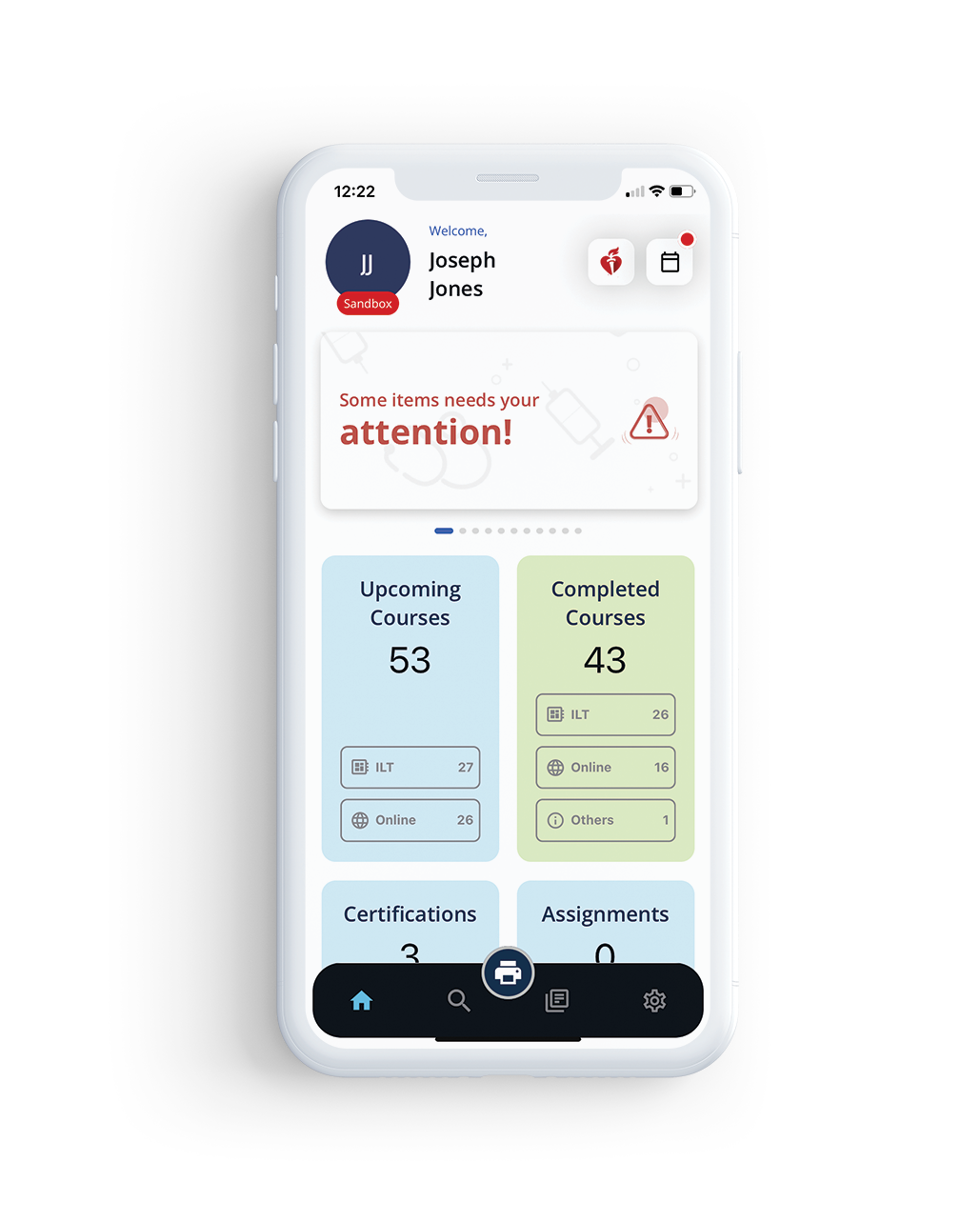
Mobile access addresses a different mismatch: the assumption that every worker has a desk. Learnsoft announced its mobile expansion in early 2023. Its product material describes access to learning and tracking away from a desktop, with progress moving between devices. That is a practical consideration for organizations whose employees work across locations.

Growth capital, with homework attached
The company’s commercial model is enterprise SaaS, sold through a demo and configuration process. Customers select modules suited to their requirements. Learnsoft’s Cooper case even reports a 40 percent increase in that customer’s monthly recurring revenue after additional modules were sold. That is a vendor revenue measure, not evidence that the hospital became 40 percent more productive.
On September 1, 2022, Learnsoft announced a $16.7 million Series A led by Elsewhere Partners. The stated uses included product development, hiring, SaaS adoption and entry into new markets. Robbie Abt became CEO; technology-platform founder Kishor Amberkar was named President and CTO. The company’s current leadership page lists Jen Meyer as CEO.
Content proved to be another constraint. In February 2023, Learnsoft said customer conversations had revealed engagement difficulties beyond platform usability. It partnered with OpenSesame, then announced an integration in June connecting its LMS to the course marketplace and curated collections. The reasoning was straightforward: convenient delivery still needs material worth delivering.
Bring your awkward cases to the demo
Learnsoft occupies a recognizable corner of enterprise learning. Healthcare buyers can also consider HealthStream and Relias. Learnsoft’s case-based argument rests on configurable workflows, integrations and the relationship between learning and talent development. A sensible comparison should test those against the buyer’s own requirements, rather than treat configuration as an exclusive invention.
The copyable practice is to bring exceptions to the sales meeting. Try a contractor who needs training, an employee changing departments and a manager requesting a compliance report. Budget for data migration, integrations, content and administrator time alongside the software agreement. A system cannot repair inaccurate workforce data or decide which requirements the organization should enforce. Its usefulness depends on people owning those decisions.
That returns us to the transportation department. Its first purchase failed to fit the surrounding work. Learnsoft’s opportunity came from taking that work seriously. For anyone buying enterprise software, the awkward record is a better opening exhibit than the polished homepage.