blockchain
(193)
Yoda Regev wanted passive income. Then came the skyscraper.
A search for a quieter investment became Jointer, a proposed Chrysler Building deal and a career spent rearranging how money reaches an idea.

Tegan Kline and the business of giving power away
She left Wall Street to help build an internet with fewer gatekeepers. At Edge & Node, Tegan Kline discovered that the work involved fundraising, data plumbing and, occasionally, finding everyone a room.

Mitch Liu and the strange afterlife of a streaming bill
Before Theta sold computing power for AI, it had a video bill to pay. Mitch Liu’s route from mobile games to distributed GPUs began with a practical question: could the audience help carry the show?

Chris Wang and the trouble with being early
He helped build Playdom into a business Disney agreed to buy for $563.2 million. At ThunderCore, Chris Wang returned to a harder question: what makes people actually use a new technology?

Scott Bambacigno’s Long Bet on the Business Behind Bitcoin
Before he became Alphapoint’s CEO, Scott Bambacigno sold enterprise software, built coffee businesses, and took exchange technology on the road. His career follows the patient work of turning a new idea about money into something institutions can use.

Ken Kodama and the trouble with making money useful
He came to crypto from financial planning and built EMURGO around a practical question: what can people actually do with Cardano? Now its founder and chairman faces a harder version of that question, as the wallet business he helped establish winds down.

Chung Dao and the Trouble Between Machines
Before Oraichain, Chung Dao was making data software work on supercomputers. His career keeps returning to the same awkward place: the gap between what a technology promises and what another system can actually use.
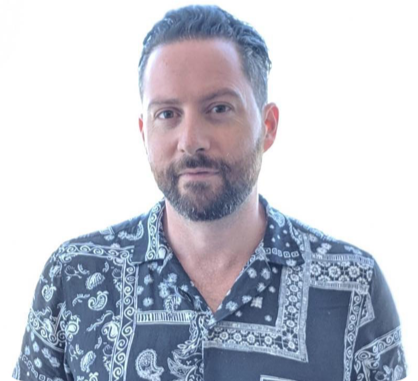
Alon Shavit and the art of opening doors
Before he helped founders find mentors and markets, Alon Shavit programmed a robot to open a gate. At Upright Ventures, the engineering problem has become a human one.

Jenny Johnson knows where the machinery is
Before she became Franklin Templeton’s CEO, Jenny Johnson ran credit cards, auto finance, operations, and technology. Her long apprenticeship helps explain why a third-generation family executive keeps looking for things to change.
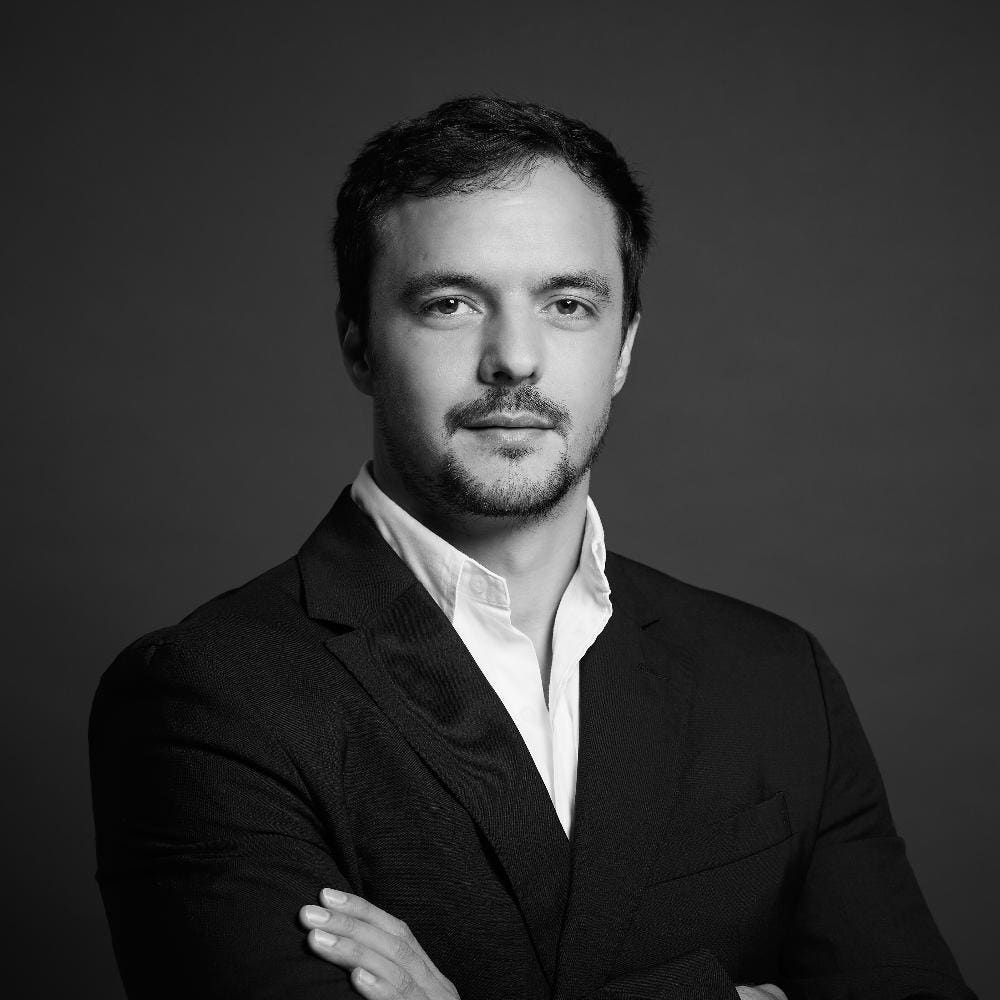
Lior Lamesh and the value of a locked door
A wallet vulnerability sent Lior Lamesh into business with Shahar Shamai. Two acquisitions later, their custody technology is helping Galaxy bring digital assets into the banking system.

Kate Laurence Wants Trust to Survive the People in Charge
Growing up in Russia gave Kate Laurence a reason to question institutions. A career at Gartner gave her a way to question technology. At Bloccelerate VC, she has made a business of doing both.

Howard Wu and the Case for Keeping a Secret
The Aleo co-founder and Provable CEO has spent years turning zero-knowledge research into working software. His next test is making financial privacy feel ordinary.
Al Burgio and the trouble with waiting
An Ontario founder made a business out of shortening the distance between networks. His journey from Console Connect to blockchain shows what happens when the same instinct meets a very different market.

Gavin Wood and the problem with being in charge
He helped build Ethereum, gave Web3 its name and created Polkadot. Gavin Wood keeps returning to a more awkward question: how much power should any one person have?
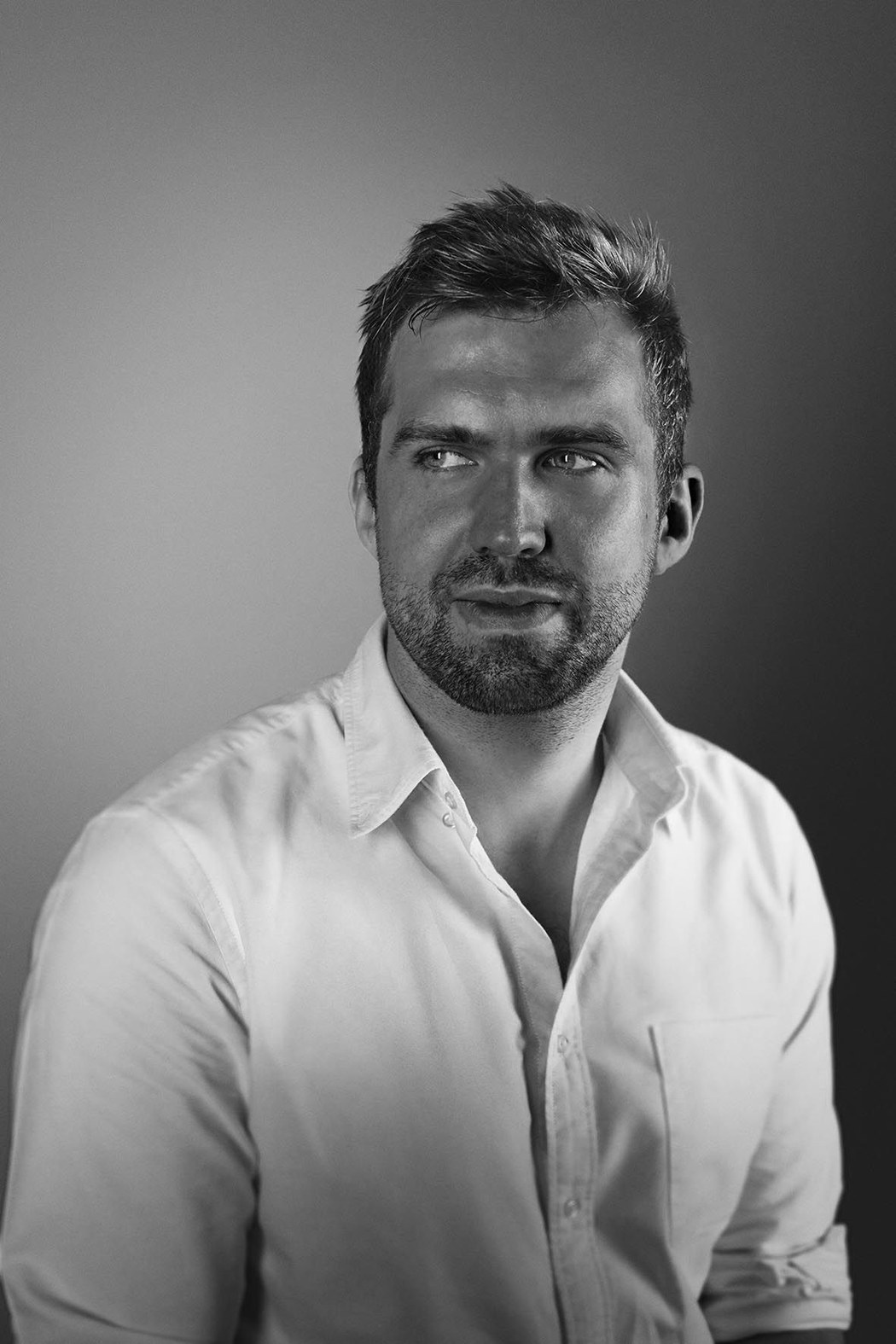
Peter Lipka and the price of a millisecond
From Goldman Sachs to Improbable, Peter Lipka has worked on the systems behind shared virtual worlds. Now, as Somnia’s CEO, he is putting that experience to work on a blockchain with a changing clientele.

Jarred Winn and the trouble with being early
Jarred Winn built a career helping people understand new technology. From a California preschool to Binance Charity and an AI studio, his more interesting question is what happens after the excitement wears off.

Bruce Pon and the problem of owning an idea
Before BigchainDB and Ocean Protocol, Bruce Pon helped build banks. His move into blockchain began with a familiar question: how do people turn what they own into an opportunity?

Valery Vavilov and the price of a promise
Growing up in Latvia, Valery Vavilov saw how quickly money and ownership could lose their meaning. At Bitfury, that memory became a business in chips, public records and, eventually, a $1 billion investment initiative.

David Janczewski and the problem a vault couldn't solve
At the Royal Mint, David Janczewski worked on putting gold on a blockchain. With Coincover, he turned to a less glamorous question: how do you get your money back when you lose the key?
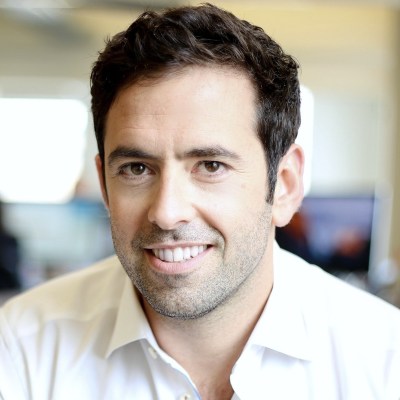
Yuval Rooz and the trouble with staying in your lane
Before he co-founded Digital Asset, Yuval Rooz tried to leave a trading firm and came away with a venture business. His career since has been an education in getting ambitious ideas past the people who must live with them.

Adam Winnick’s Theory of the Small Room
Before he built Finality Capital, Adam Winnick built a room where crypto founders and institutional investors could talk. His career keeps returning to the same question: who gets to participate, and what do they get to own?
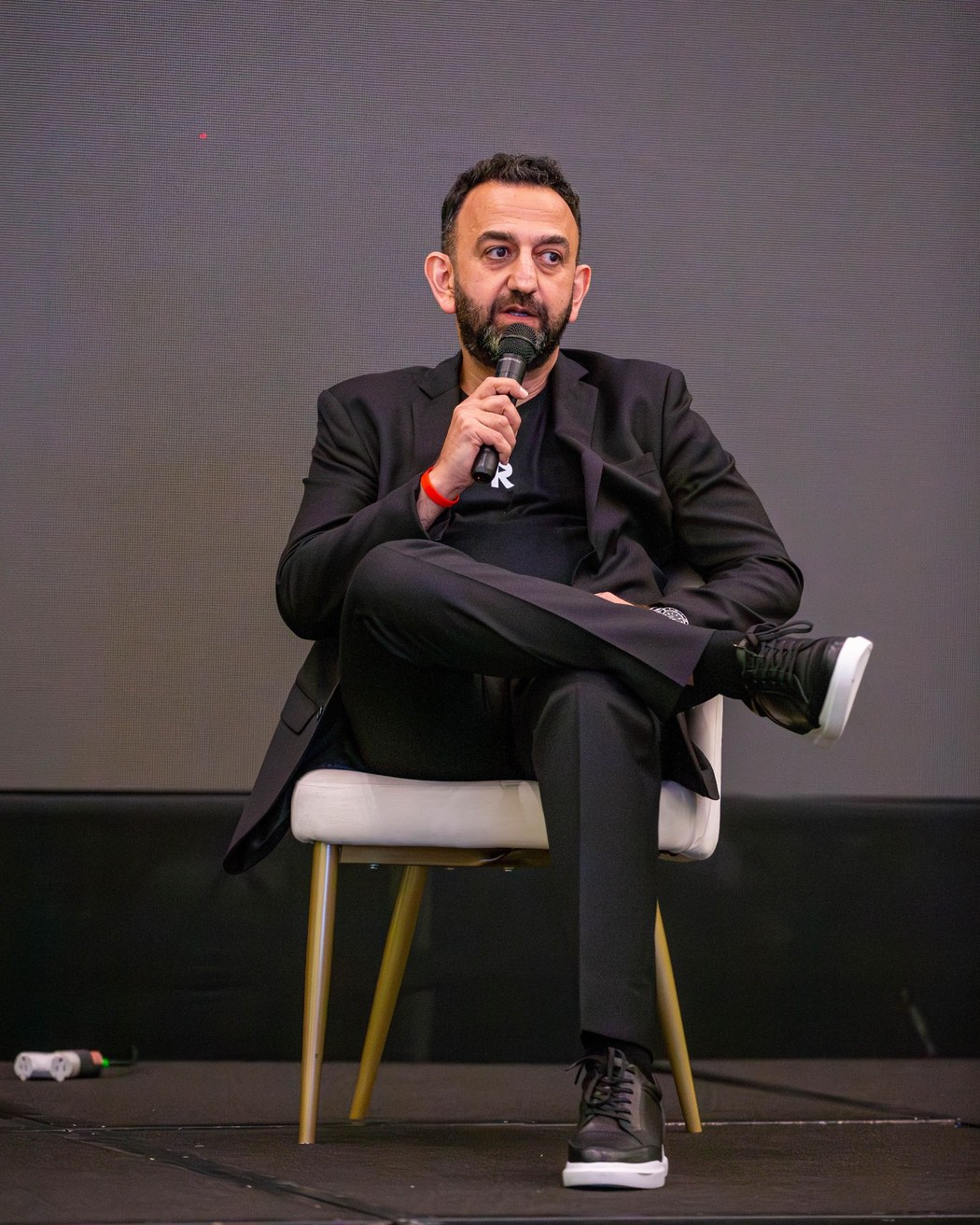
Soren Azorian and the business after the sale
From REDLINE LAB to REDFi, Soren Azorian is building around the awkward gaps between a good idea and a working business. His recurring subject is what happens when money, people and technology have to cross a border.

Brook Armstrong and the Trouble With an Ordinary Business Trip
A traveler wanted a better fare and a seat of his own choosing. Brook Armstrong took the complaint seriously enough to question the machinery of corporate travel.

Mike Cagney keeps finding a shorter route for money
He helped turn a Stanford alumni lending experiment into SoFi. After a contentious exit, Mike Cagney built Figure around the machinery behind loans. His latest venture, Navra, brings the same question back to the screen: why is moving money still so complicated?
Nate Holiday and the problem with “trust me”
Before co-founding Space and Time, Nate Holiday helped run the machinery of enterprise sales. Now he wants databases to show their work, and more people to build businesses of their own.

Rayne Steinberg and the trouble with a good idea
At WisdomTree, Rayne Steinberg helped turn an unfamiliar investment vehicle into a business. At Arca, he is working through the harder question: what must change before digital finance becomes useful to the people expected to trust it?

Xinshu Dong and the work after the breakthrough
A billion-dollar token market cap made Zilliqa conspicuous. Xinshu Dong’s path through RockX, venture investing and Bitcoin staking tells a quieter story about getting an idea to work outside the lab.

Dato' Eric Cheng and the value of an open door
From airline cabins to landed homes and digital-asset exchanges, Dato' Eric Cheng has made a career of entering unfamiliar rooms. In Singapore, his latest gatherings bring the neighbours through his own front door.
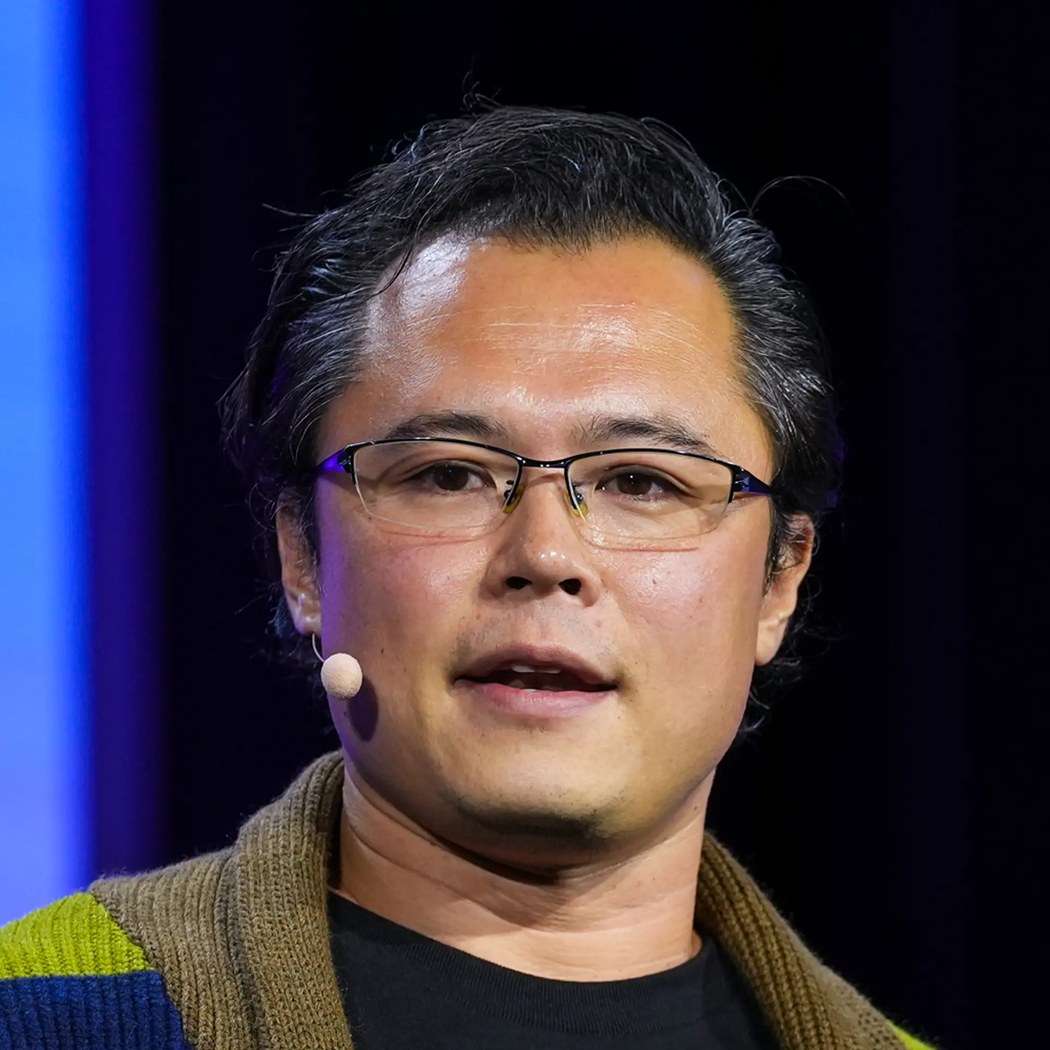
Joshua D. Tobkin puts a price on being right
A whitepaper club in San Francisco became a research lab in Taipei, then Supra. Joshua D. Tobkin’s path runs through poker, blockchain design, and a personal token bounty for anyone who could beat his team’s execution engine.

Matthew Van Niekerk and the art of making blockchain ordinary
An unfunded currency-exchange idea, seven years in Tokyo, and a career inside a Belgian bank led Matthew Van Niekerk to SettleMint. A decade later, its co-founder wants digital assets to become an ordinary part of banking.