research-commercialization
(27)
Charlie Hipwood and the art of the first yes
After three startups of his own, Charlie Hipwood moved to the other side of the table. At MassVentures, he helps first-time founders turn Massachusetts research into companies that can stand on their own.
Chalmers Ventures gives good science a business partner
A discovery needs more than a patent to become a company. Chalmers Ventures pairs research with entrepreneurs, invests in the result and puts the proceeds back to work.
Nordic Startup Ventures makes founders do their homework
A Finnish venture builder puts customer questions before investor applause. Its school and deep-tech program tackle the awkward distance between a clever invention and a business someone will pay for.
KIT-Gründerschmiede and the art of getting out of the lab
A research result can be brilliant and still have no customers. In Karlsruhe, KIT-Gründerschmiede helps founders make the awkward, necessary journey between the two.
innovosource and the missing middle of invention
A discovery can win a grant and still lose its way to market. Innovosource works with the university funds, accelerators, and partners trying to finance that awkward interval.
SINE IIT Bombay: Great science needs a first customer
A laboratory can prove that an invention works. SINE helps answer the more awkward question: who will buy it? Inside IIT Bombay’s incubator, patient support now has a venture fund behind it.
INOVIA found its breakthrough by knocking on doors
An innovation centre in northern Slovakia learned that helping businesses starts with leaving the office. Now INOVIA turns those conversations into expert support, customer tests and introductions that travel beyond the region.
MaRS Discovery District: Great science needs a buyer
Toronto built a place where research could meet money. MaRS’s harder assignment is getting promising technology through the door of its first paying customer.
ARTPARK and the robot that had to begin with a joint
At IISc, a publicly backed venture builder tackles the expensive distance between a clever experiment and a useful machine. Its wager: share the tools, fund the awkward early work, and let some inventions belong to everyone.

ASPER-HUJI Innovate teaches ideas to survive the real world
At the Hebrew University of Jerusalem, entrepreneurship begins with a question before it becomes a pitch. Free venture programs, social projects and a campus hub give academic ideas somewhere to meet reality.
INAM and the art of finding your first industrial customer
A clever material can spend years waiting for someone to use it. Berlin’s INAM brings scientists, manufacturers and investors together around a more useful question: what would it take to buy this?
Innovate Calgary makes the expensive middle of invention cheaper
A rejected accelerator application, shared laboratories and philanthropy-backed investment reveal how Calgary helps research become a business. The useful lesson is where to spend before anyone knows whether an idea will sell.
Canada Invents the Medicine. adMare Wants It to Own the Company, Too.
Canada has no shortage of good science. Its leak is what happens next. adMare puts capital, commercial judgment, lab benches and trained operators around discoveries so the companies - and more of their value - can stay home.
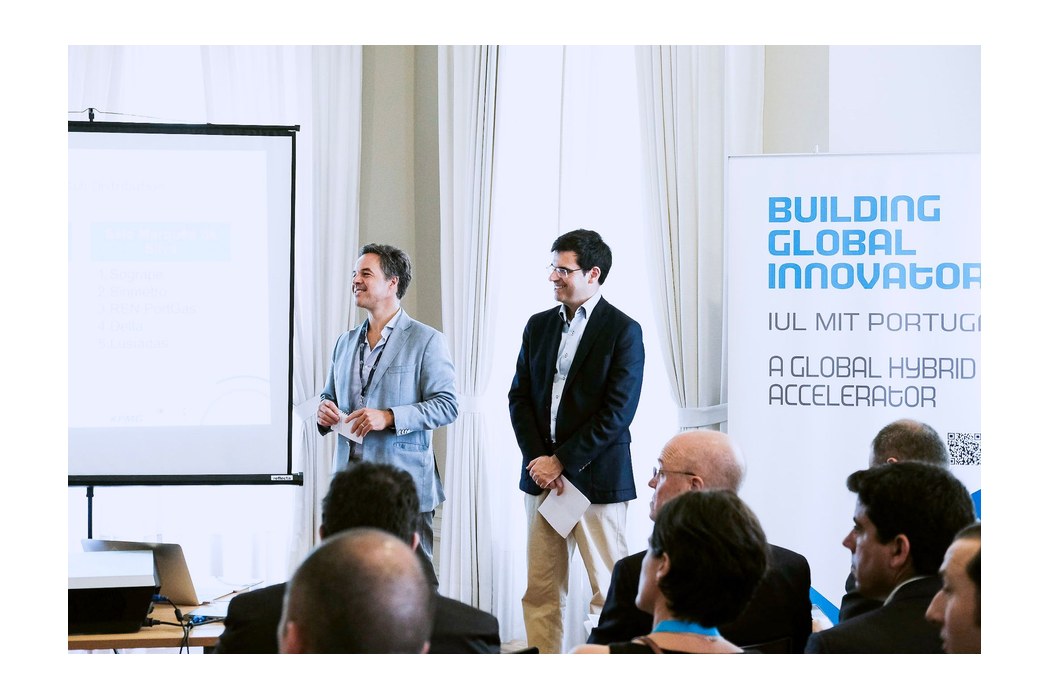
BGI Built a Bridge From the Lab to the Market - Then Put It in a Greenhouse
The Lisbon accelerator began by exporting ambitious founders to Boston. Fifteen years later, it is putting science through a tougher test: will it survive contact with farms, cities, customers and capital?
At LEAD, the goal is to get the boot
The Swedish incubator sends its graduates off with a golden shoe. Getting there means turning clever technology into something customers will pay for - a discipline now reaching NATO’s innovation network.
PoliHub asks the €40,000 question: who will buy your science?
At Milan’s university-born accelerator, research meets the awkward business of finding customers. Its next chapter, inside Tech Europe Foundation, raises the stakes for turning laboratory promise into working companies.

Purdue has the patents. Now comes the hard part.
Purdue Innovates connects university inventions with licenses, founders and capital. Its most revealing work happens when a promising idea meets an inconvenient customer.
Science & Startups wants your research to pay its own way
Berlin’s university startup service offers founders free advice, lab access and a route to equity-free funding. The harder assignment is teaching a good experiment to become a business.
FONGIT Takes Care of the Company Behind the Invention
The Geneva nonprofit pairs technical founders with business help, workspace and financing. Its history with Proton shows why the work between a promising idea and a working company matters.
Velocity built a home for startups. Then it kept adding rooms.
A Waterloo dorm experiment grew into an incubator with laboratories, founder coaching and a separate venture fund. Its real business is helping good ideas survive their next expensive problem.
Opportunity Machine wants you to test the idea before you build the business
Inside a former Lafayette nightclub, Opportunity Machine helps founders find customers, question assumptions, and get to work. Its $100-a-month starting membership is only part of the story.
AIC-ISB helps startups face the hardest test: a customer
At the Indian School of Business in Mohali, startup support gets practical: build the prototype, find a pilot, and work out who will pay. The price of that help depends on which door a founder walks through.
At Dalhousie’s ideaHUB, the next business starts on a workbench
Hardware founders need somewhere to build, test and change their minds. Inside Dalhousie’s Emera ideaHUB, shared labs and engineering advice help turn promising research into physical products.
Wadi Makkah wants university ideas to earn their keep
Owned by Umm Al-Qura University, Wadi Makkah turns research, educational know-how and campus assets into commercial ventures. Its most revealing market is close to home: the businesses serving Hajj and Umrah.
District 3 Takes No Equity. Bring Your Time.
At Concordia’s startup incubator, founders keep their shares and face some awkward questions. The real investment is learning what customers will actually pay for.
José Luis Mullor Built a Business Around the Question Beauty Brands Cannot Dodge: Does It Work?
For more than a decade, the Bionos founder has turned laboratory methods into a commercial answer to extravagant claims - test the ingredient, test the finished product, and let the evidence speak.
Heungyeol Lee Spent a Decade Turning Brain Science Into a Language People Can Use
Before he built a brain-analysis company with his scientist brother, Heungyeol Lee worked in accounting, advertising and telecom. His unlikely route became the point: make difficult science legible, useful and human.