public-policy
(39)
Erine Gray and the trouble with finding help
Before Findhelp had a national network, Erine Gray had a spreadsheet and a small Austin office. His long experiment asks a practical question: what good is assistance if people cannot find it?

Peter Orszag and the price of knowing what comes next
A young economist wanted to understand Washington. Now, as CEO and chairman of Lazard, Peter Orszag is putting a price on the connections between policy, power, and the next corporate decision.
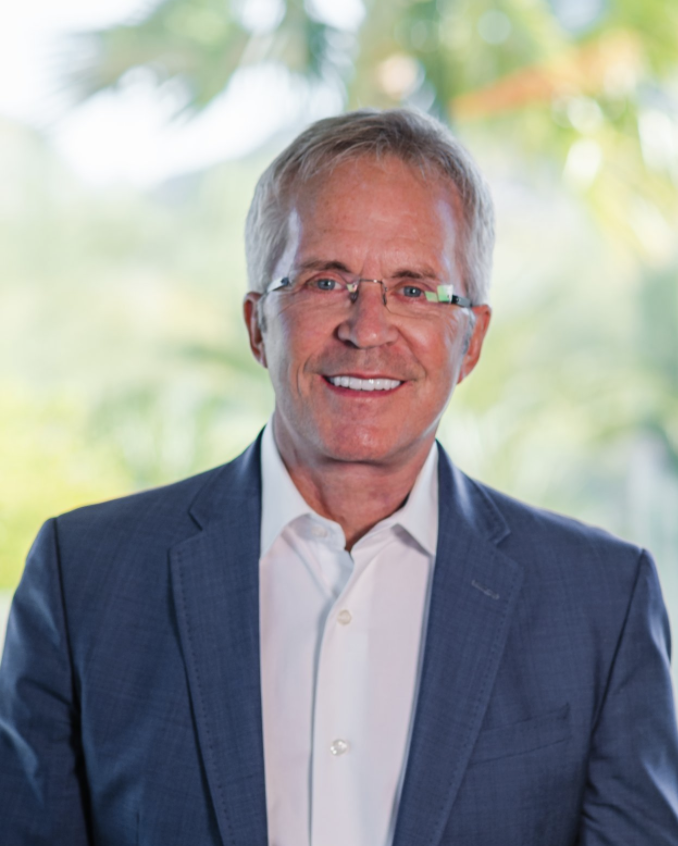
Mark L. Cushing and the revolution on the sofa
A trial lawyer followed a phone call into the pet business. Then he began tracing how America’s affection for dogs and cats was rewriting the rules of everyday life.
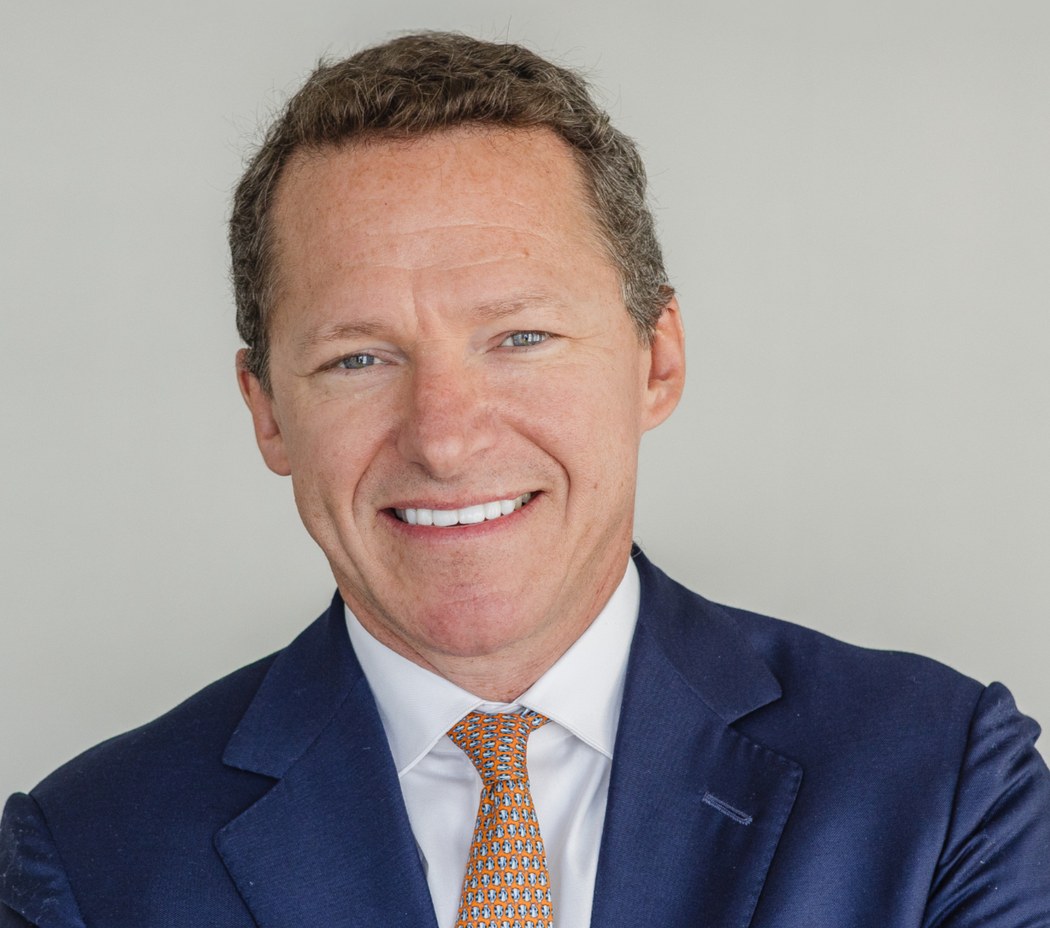
Jeffrey J. Kimbell and the art of getting people in the room
A Washington career, a live-music business, a charity drag race, and a classroom without walls. Jeffrey J. Kimbell keeps finding reasons for people to show up.
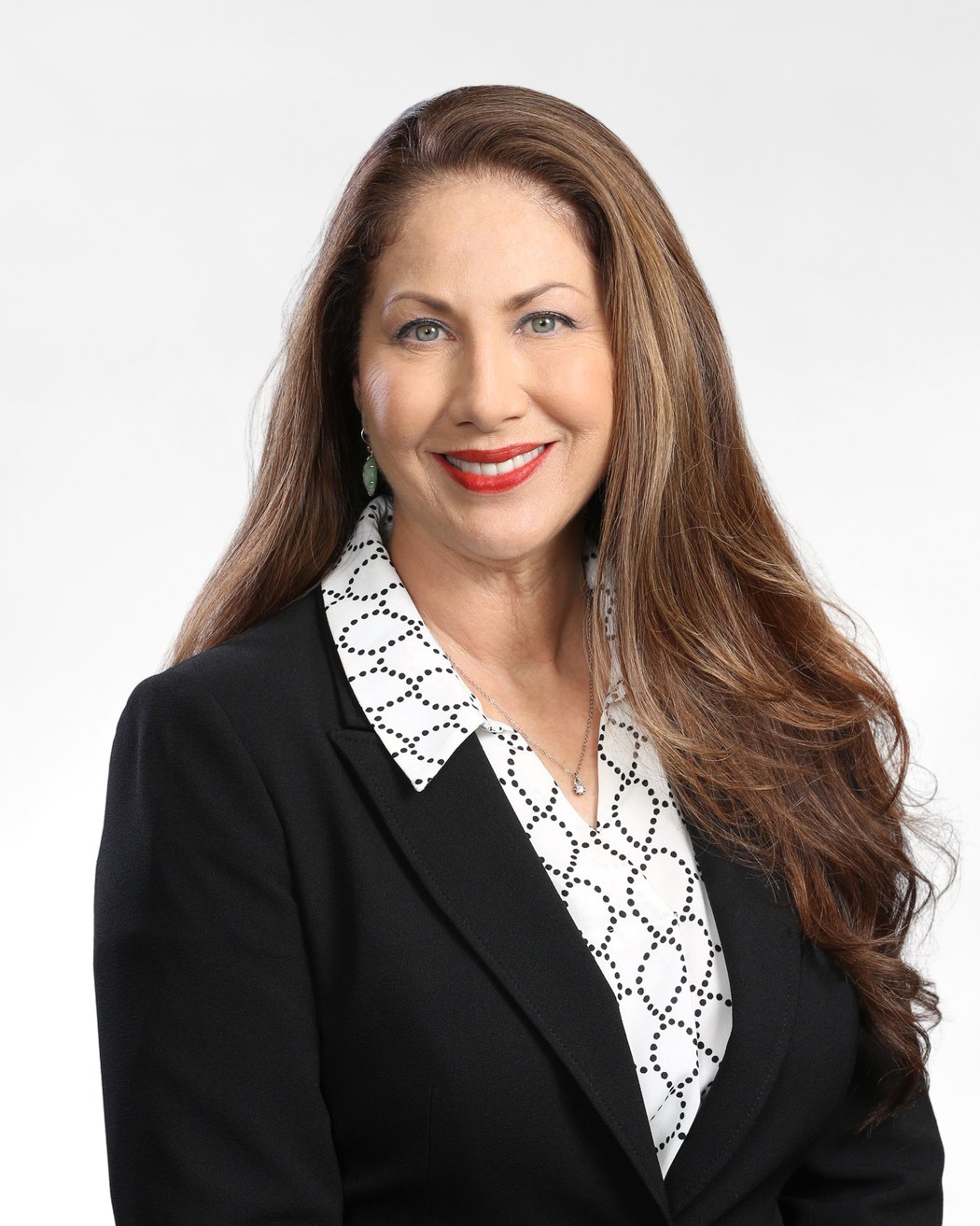
Genoveva Arellano and the power of staying in the room
A Rolodex helped her start a business. Three decades of public meetings, freeway construction and rail projects reveal what Genoveva Arellano built from those first introductions.
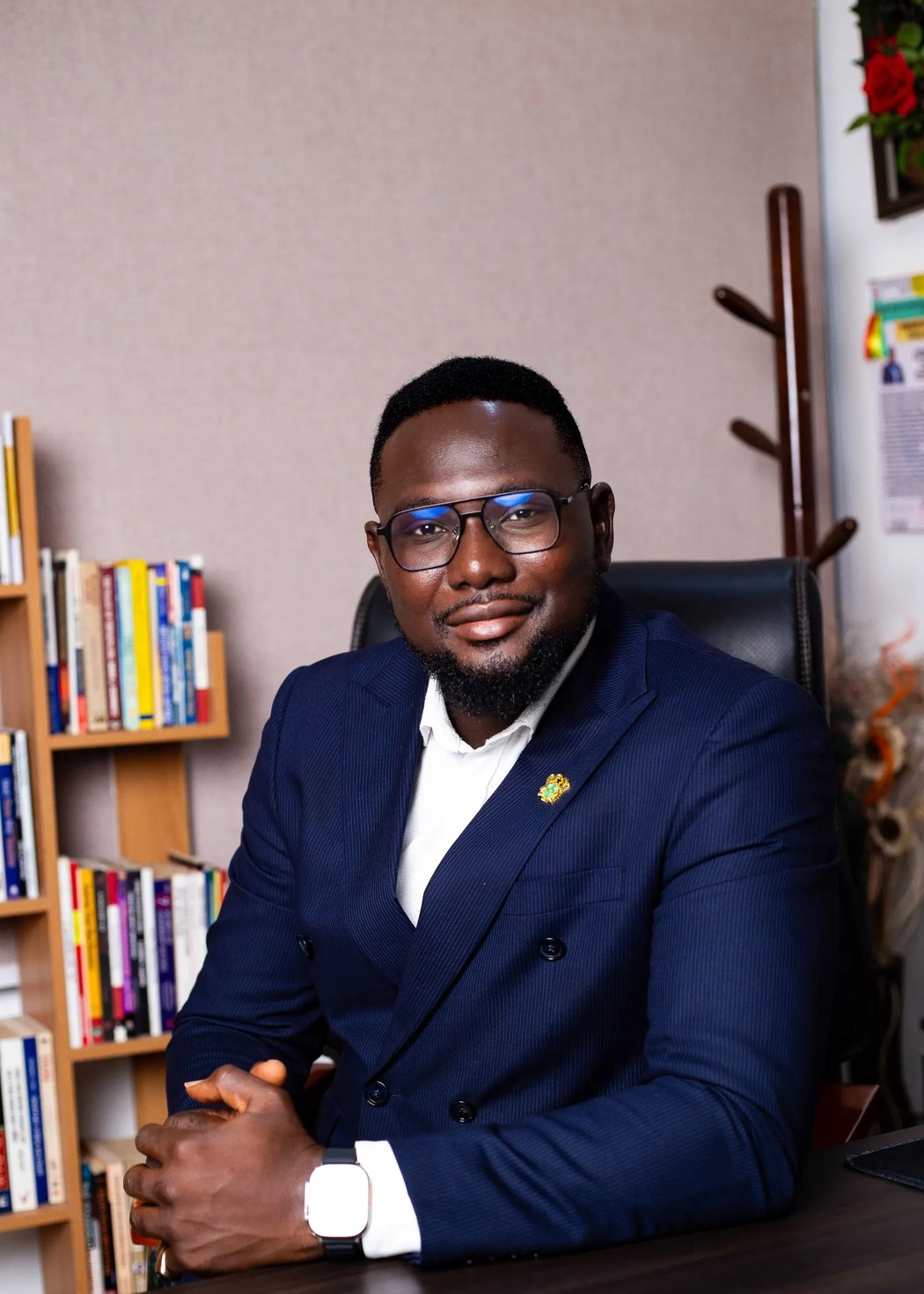
Sherif Ghali built a chamber. Then he handed over the keys.
He started with 15 entrepreneurs. A decade later, Sherif Ghali stepped aside as chief executive of a Ghanaian business network reporting more than 19,000 members, with another institution already on his agenda.

Bruce Caswell and the distance between a promise and a person
The Maximus CEO has spent his career turning public policy into working services. Away from the office, ten finishes at the JFK 50 Mile offer a more personal measure of staying the course.
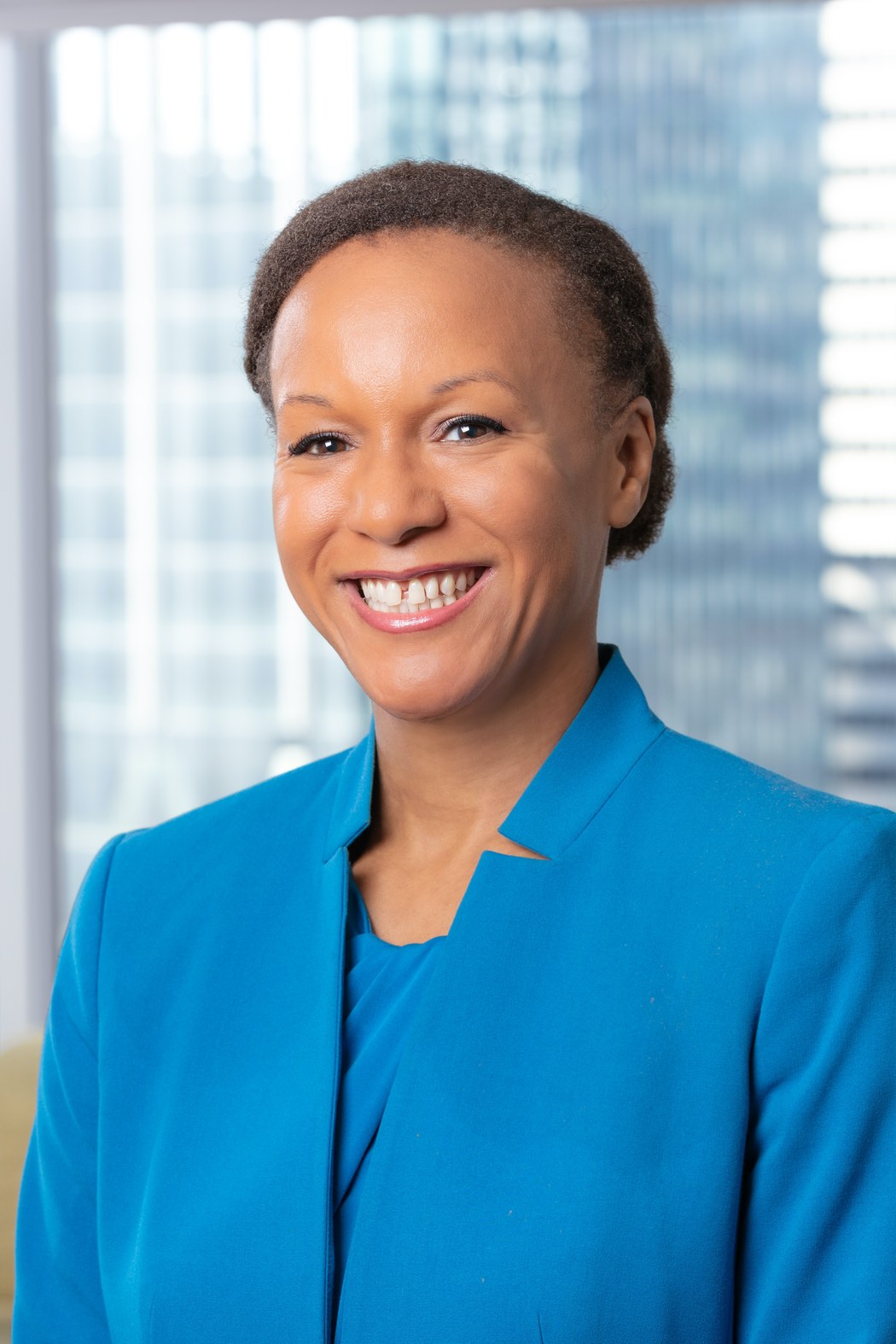
Cristal Gary and the distance between a decision and a neighborhood
From an Illinois deputy governor’s office to a South Side giving circle, Cristal Gary has worked on both sides of the institutional front door. Her career offers a close look at who gets to make decisions, and who gets invited into the room.
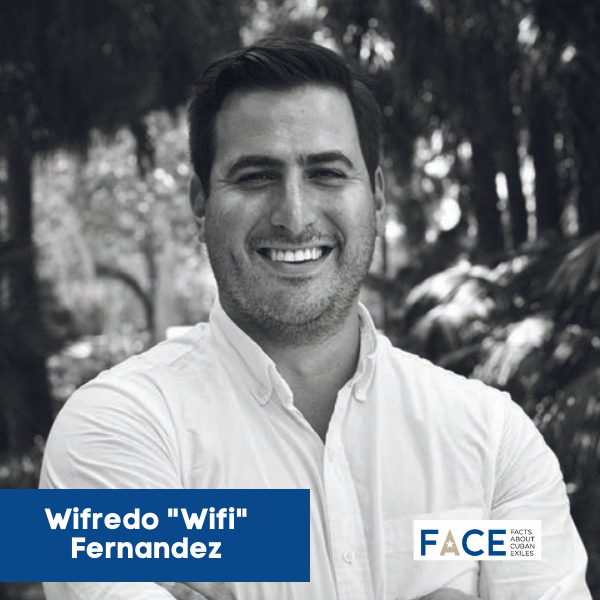
Wifredo Fernandez and the $300 theory of a startup city
The LAB Miami began with shipping pallets, homemade desks and a question about where good ideas go. Wifredo “Wifi” Fernandez has carried that question from Wynwood into classrooms, venture investing and technology policy.

Greg Volynsky and the questions that refuse to stay in class
Before Zoa Research, Greg Volynsky made business plans, coached young debaters and studied law. His work in forecasting extends a long-running interest in how we learn enough to make a decision.

Iyah Romm and the art of changing course
Before he crossed the Pacific with his family, Iyah Romm helped build Cityblock with Toyin Ajayi and Bay Gross. His career has moved through committee rooms, startup offices and boardrooms - with room for a boat named Moondoggie.
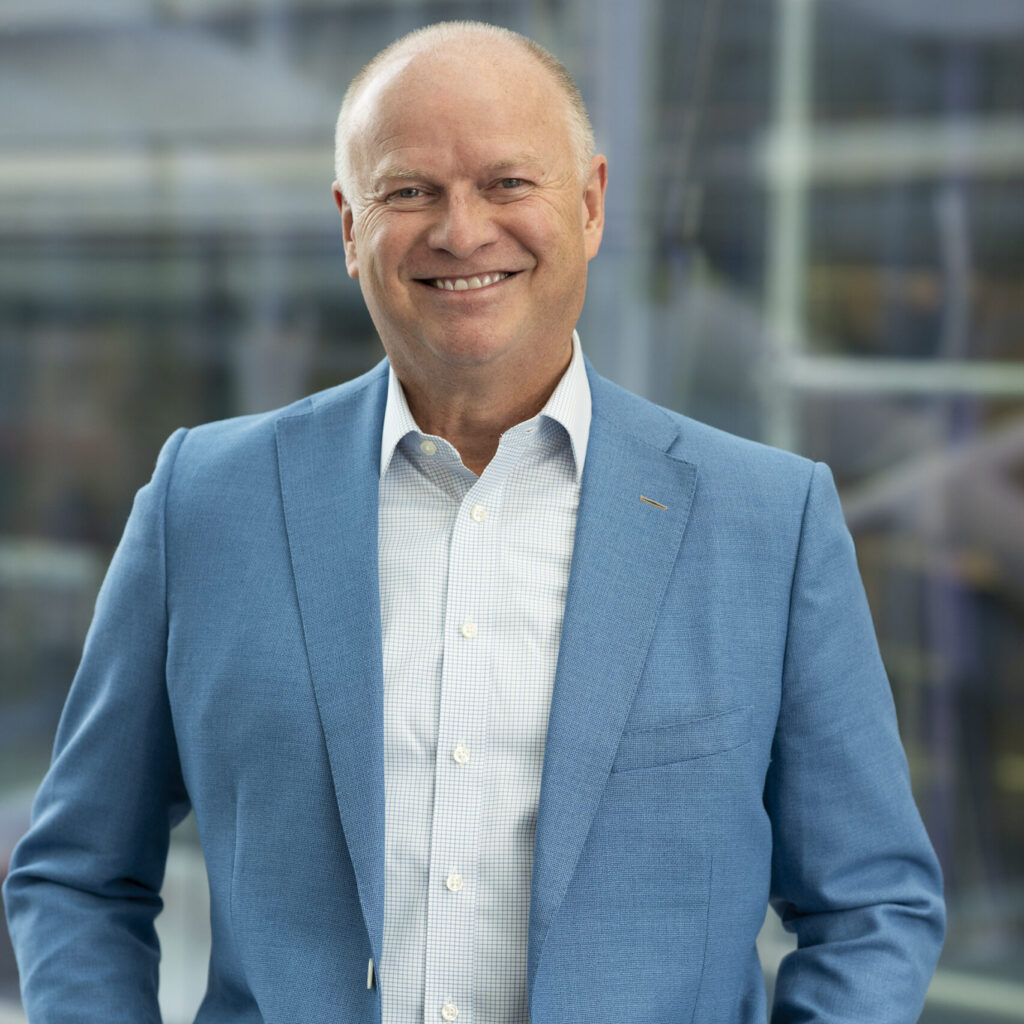
Bobby Franklin and the six weeks that never ended
He came to Washington with a finance degree and a six-week internship. More than three decades later, Bobby Franklin is still there, working on the rules that shape who gets to build the next company.
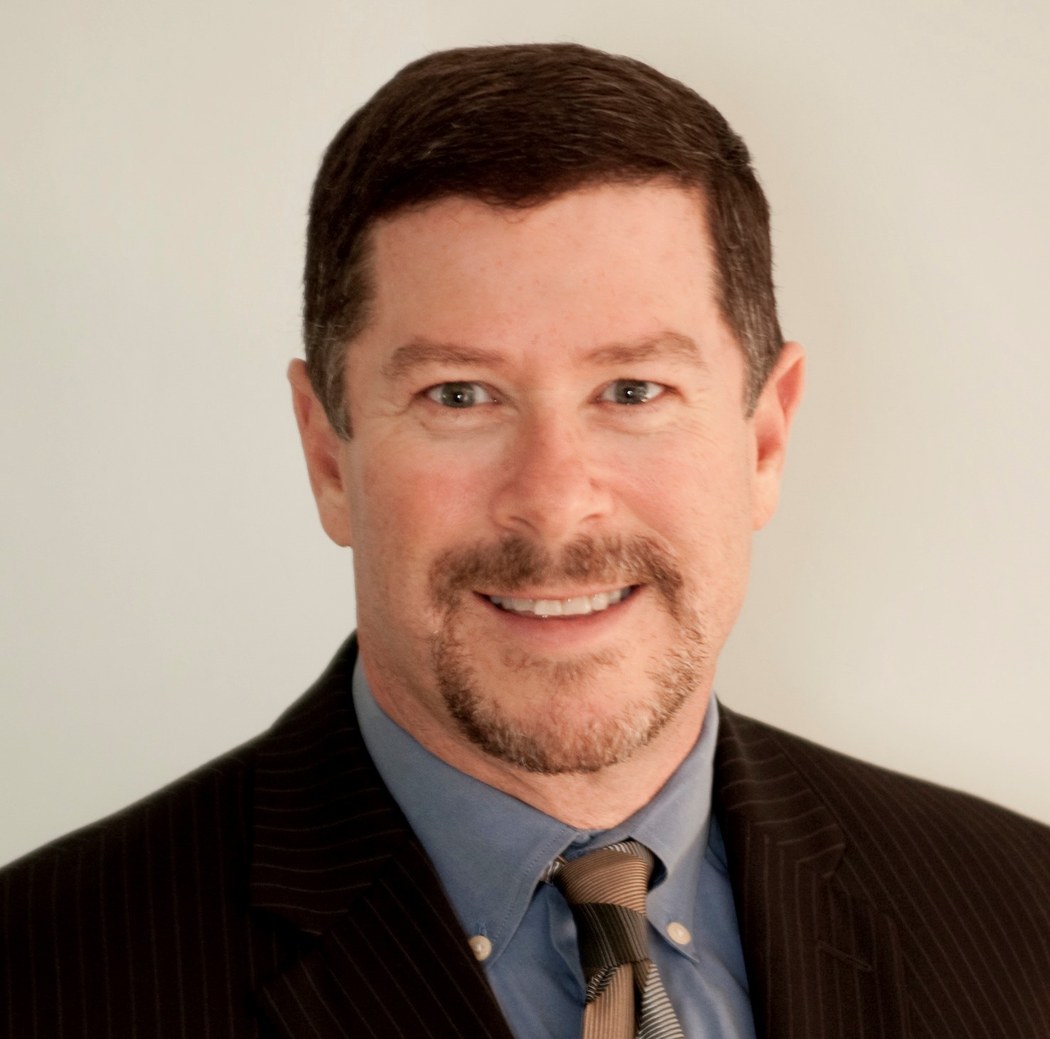
Pat Gouhin and the education of an angel
An aerospace engineer found his next assignment among startup investors. At the Angel Capital Association, Pat Gouhin is helping a profession built on experience decide what it can teach the next person through the door.
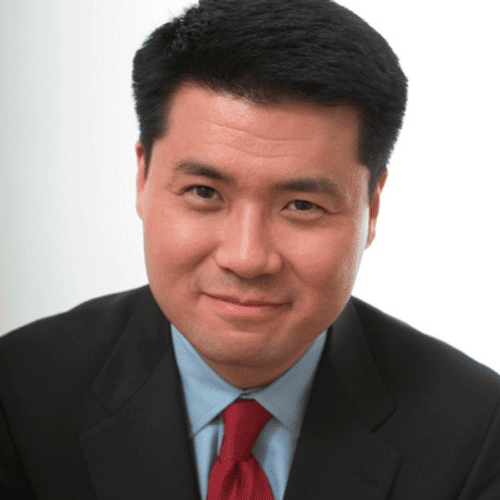
Jun Choi and the Second Life of a Place
Before he began turning old industrial sites into new warehouses, Jun Choi ran the town where he grew up. The former Edison mayor’s career follows a stubbornly local question: what should happen here next?
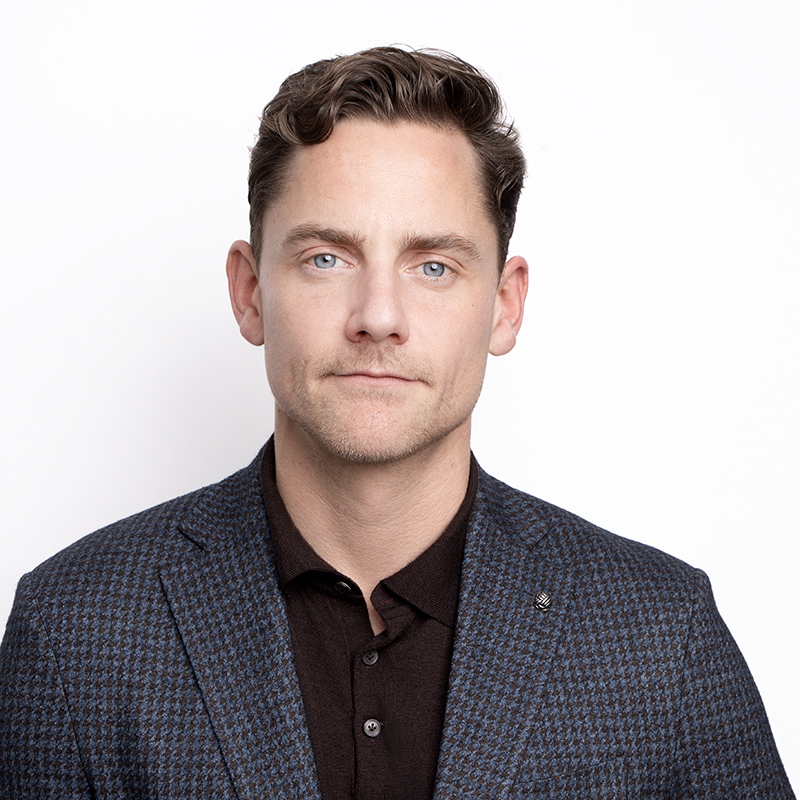
Benjamin Bergen and the business of keeping Canada in the picture
He spent a decade helping Canadian technology companies find a voice in Ottawa. Now, as CVCA’s CEO, Benjamin Bergen is working on the next question: who will finance their growth?

Peter Willis and the business of showing up
After years building teams and provider partnerships at Hireup, Peter Willis has taken the CEO chair. His career turns on a practical question: how do you make a promise work on an ordinary Tuesday?
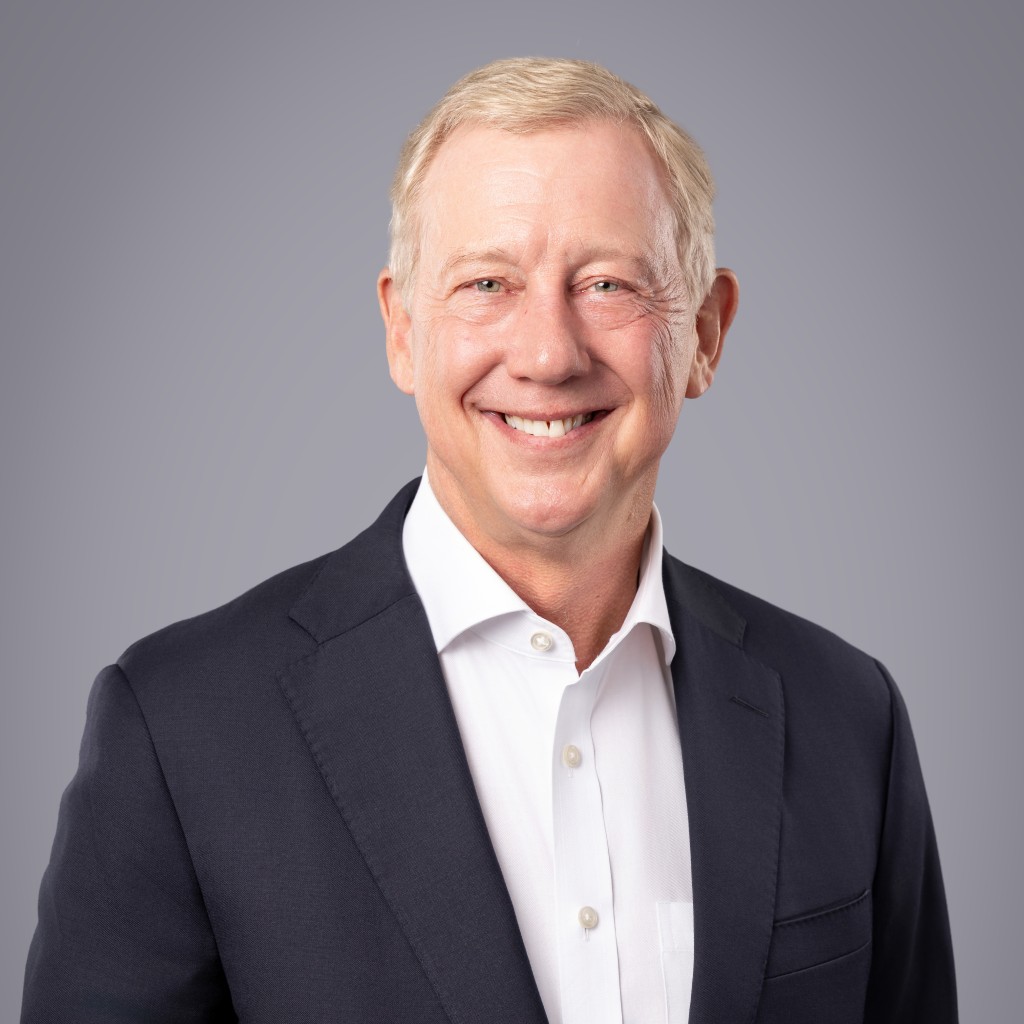
Adam Schwarz and the distance between a promise and a permit
A Jakarta newspaper placement became a career spent reading Southeast Asia’s political fine print. After reporting, writing and twelve years at McKinsey, Adam Schwarz built Asia Group Advisors around the gap between economic ambition and what governments can deliver.
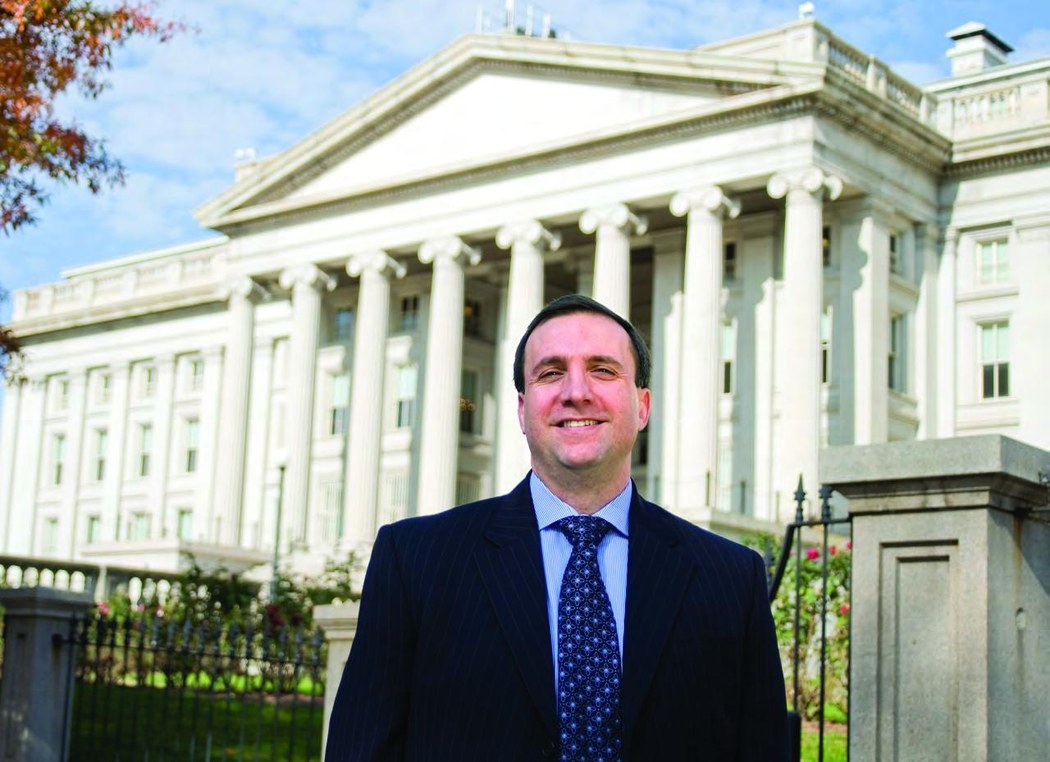
Howard Schweitzer and the thirty-minute appointment with history
An 8:30 a.m. phone call put Howard Schweitzer on the operating team for a $700 billion rescue. His career since then has kept returning to the same question: how do you turn a decision into something that works?
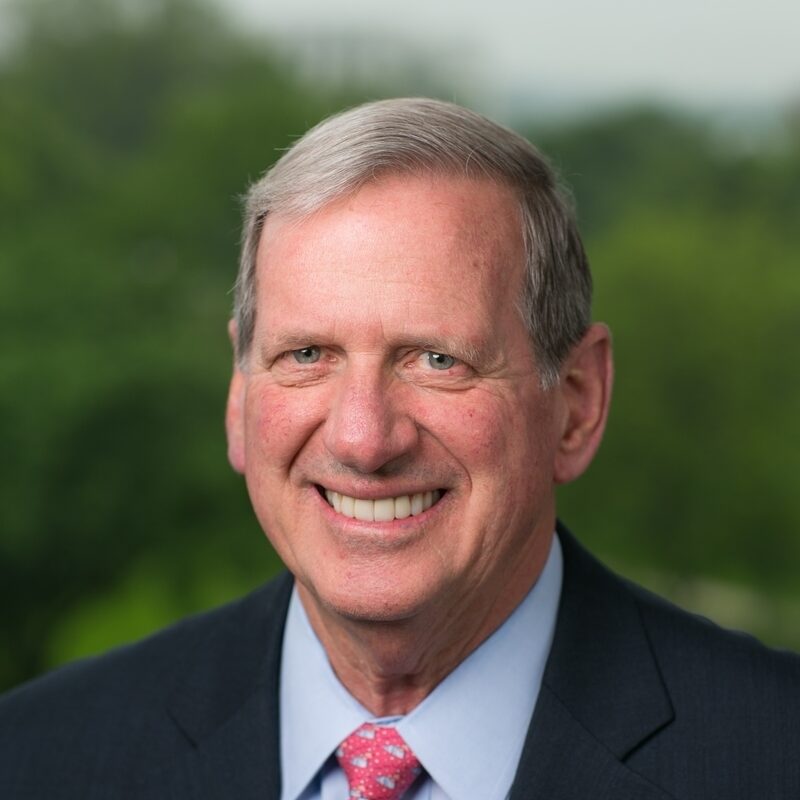
Stu Van Scoyoc Built a Washington Firm on Three Employees, a 5-Pound Phone, and Timing
A chemical engineer turned lawyer turned lobbyist, Stu Van Scoyoc built a national advocacy business by treating Washington as a problem of translation: the right message, delivered to the right person, at the right time.
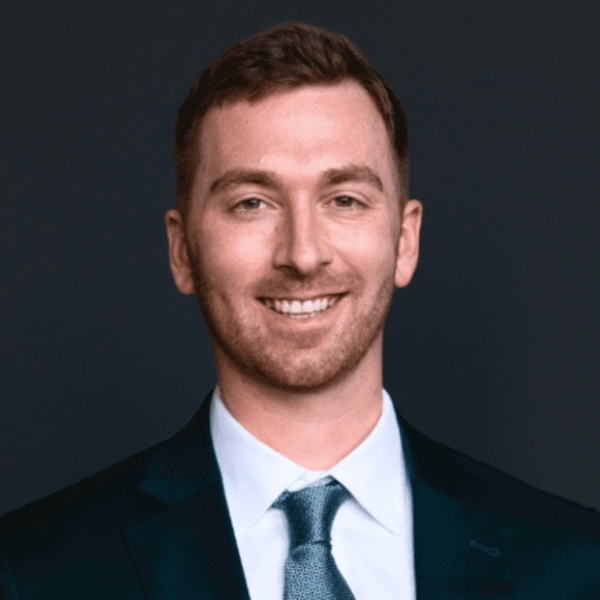
Cody Carbone Wants Washington to Stop Debating Crypto and Start Writing the Rules
The Digital Chamber's CEO has spent his career translating technical arguments into Washington action. Now he is trying to turn a rare political opening into durable rules for digital assets.

Thomas Freedman Has Spent a Career Making Coalitions Do the Work
From a year studying famine in Africa to the Clinton White House and a 20,000-company jobs coalition, Thomas Freedman's career follows one durable idea: public problems yield when institutions learn to work together.

Eshan Dosani Is Turning Paperwork Into a Field Problem
Before he built software for clinics, Eshan Dosani studied policy, organized on the ground and helped families clear the small financial barriers that keep large problems in place. His operating principle has stayed remarkably consistent: get close enough to the work that the paperwork can no longer hide the problem.
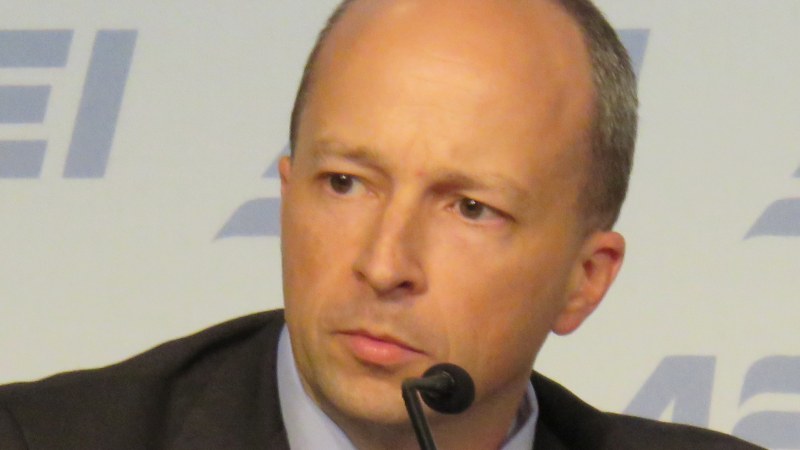
Yuval Levin
Yuval Levin is an Israeli-American political theorist and one of the most influential conservative thinkers in Washington. He directs Social, Cultural, and Constitutional Studies at the American Enterprise Institute, founded and edits the policy journal National Affairs, and writes for The New York Times and National Review. A student of the Committee on Social Thought at the University of Chicago, he is best known for books that read the present through political philosophy, from The Great Debate on Burke and Paine to American Covenant, his 2024 argument that the Constitution was built to hold a divided nation together.

Adam Ozimek
Adam Ozimek is a labor economist and Chief Economist at the Economic Innovation Group (EIG), where he leads research on economic dynamism, demographics, remote work, and immigration. A former Chief Economist at Upwork and senior economist at Moody's Analytics, he became one of the most-cited voices on the future of work, repeatedly arguing that remote work is a 'general-purpose technology' that will reshape where and how Americans live and work. Known online as @ModeledBehavior, he pairs national policy influence with running a small entertainment business in his hometown of Lancaster, Pennsylvania.
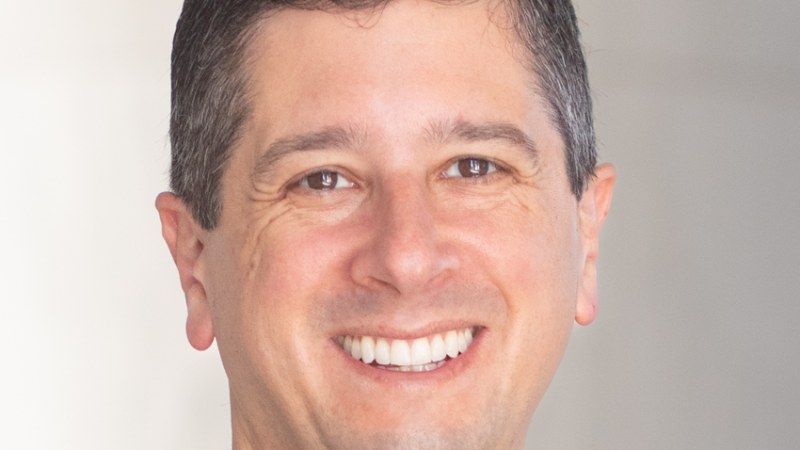
Alex Brill
Alex Brill is a Washington economist who turns tax code arcana into arguments lawmakers actually use. He is the founder and CEO of Matrix Global Advisors, a boutique economic consulting firm, and a senior fellow at the American Enterprise Institute. Before going independent he was policy director and chief economist of the House Ways and Means Committee and served on the White House Council of Economic Advisers. He edits and writes books on tax policy, testifies before Congress, and works the seam between tax, health care, and fiscal policy.
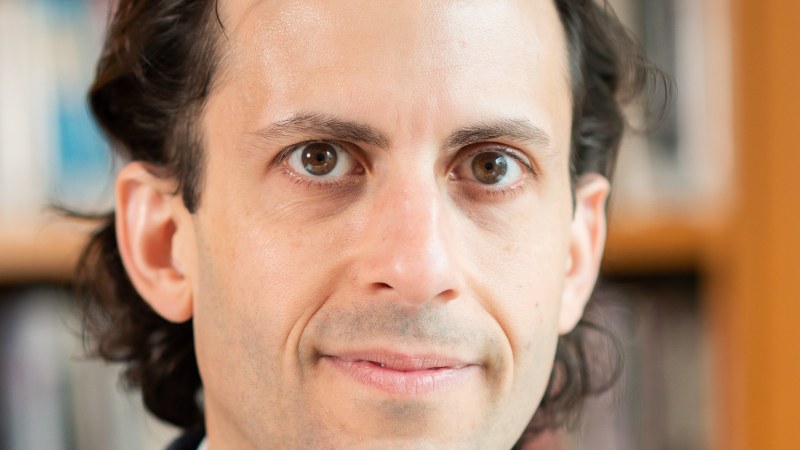
Alex Nowrasteh
Alex Nowrasteh is Senior Vice President for Policy at the Cato Institute and one of the most cited and combative voices in the U.S. immigration debate. A self-described 'radical' for open borders, he turns the standard fears about immigration - crime, terrorism, welfare, wages, culture - into testable claims and then publishes the numbers. He co-wrote the prize-winning 'Wretched Refuse?' and the rebuttal handbook 'The Most Common Arguments Against Immigration and Why They're Wrong,' and he is a regular on Capitol Hill, on cable news, and across the op-ed pages.
Angela Rachidi
Angela Rachidi is a senior fellow and the Rowe Scholar in opportunity and mobility studies at the American Enterprise Institute, where she studies poverty and how federal safety-net programs shape the lives of low-income Americans. A former New York City welfare official turned think-tank scholar, she has become one of Washington's most-cited voices on SNAP, the Child Tax Credit, child care, and the link between work and poverty - testifying repeatedly before Congress and arguing that programs should pull families toward employment and self-sufficiency, not away from it. A Lancaster, Wisconsin native and four-time all-conference college softball player, she runs her own research firm and works from Middleton, Wisconsin.
Betsey Stevenson
Betsey Stevenson is a labor economist at the University of Michigan's Ford School of Public Policy who has spent her career proving that the things people assume are soft - happiness, marriage, who does the dishes - are measurable, and that measuring them changes policy. She served as Chief Economist at the U.S. Department of Labor and as a member of President Obama's Council of Economic Advisers, co-authored a bestselling Principles of Economics textbook, co-hosts the Think Like An Economist podcast, sits on Lyft's board, and is now turning her attention to what a post-AGI economy does to human flourishing.

Catherine Rampell
Catherine Rampell is an economics journalist who turned spreadsheets into prime time. After 11 years as a Washington Post opinion columnist, she now runs the economics desk at The Bulwark, writes the 'Receipts' newsletter, and co-anchors 'The Weekend: Primetime' on MS NOW. Her trademark is data-driven argument: charts, receipts and footnotes deployed against political spin, on immigration, inflation, trade and the cost of living.
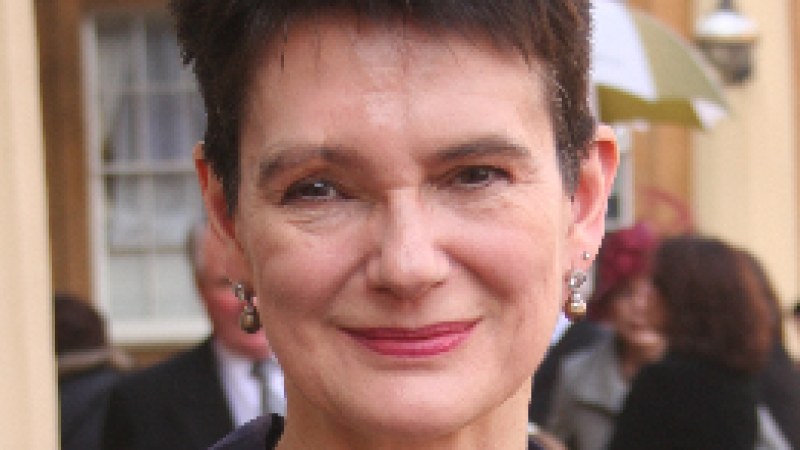
Diane Coyle
Diane Coyle is the Bennett Professor of Public Policy at the University of Cambridge, where she co-directs the Bennett Institute and spends her days arguing that the numbers we use to run the economy are quietly out of date. A former economics editor at The Independent turned academic, she has written ten books, including the surprise hit GDP: A Brief but Affectionate History and her 2025 work The Measure of Progress. She has helped shape UK competition policy, sat on the BBC Trust, advised the Competition and Markets Authority, and was made a Dame in 2023 for services to economics.