public-policy
(64)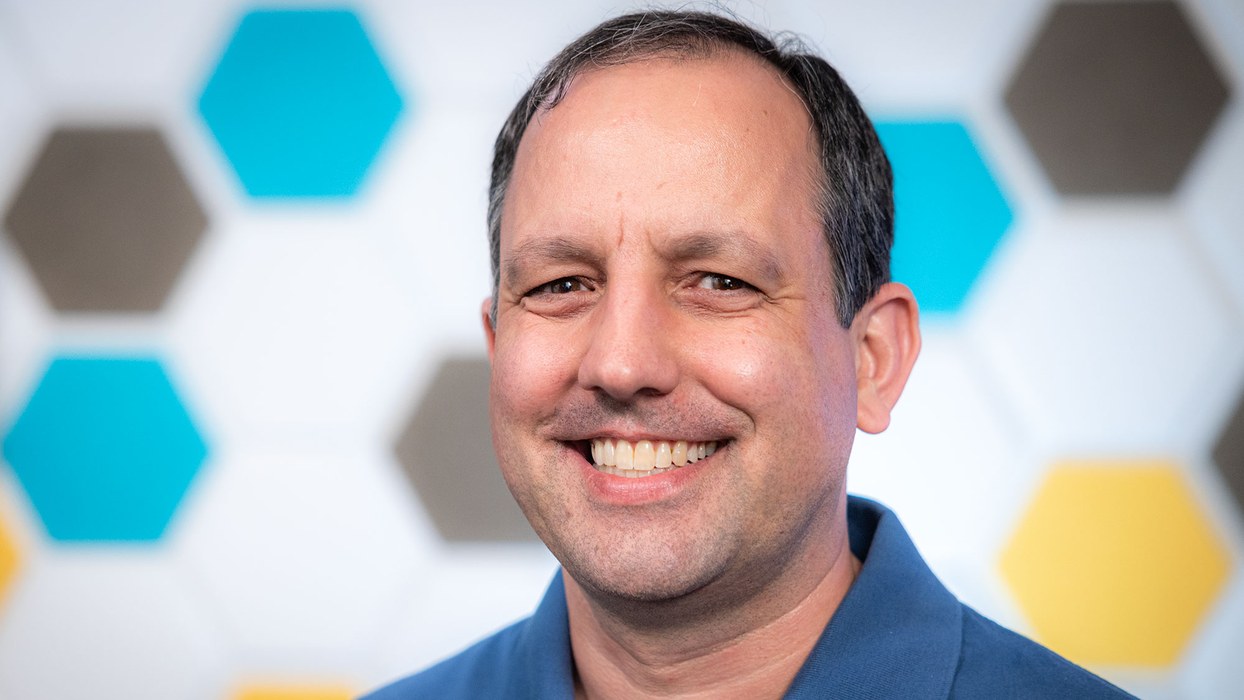
Erine Gray and the trouble with finding help
Before Findhelp had a national network, Erine Gray had a spreadsheet and a small Austin office. His long experiment asks a practical question: what good is assistance if people cannot find it?

Peter Orszag and the price of knowing what comes next
A young economist wanted to understand Washington. Now, as CEO and chairman of Lazard, Peter Orszag is putting a price on the connections between policy, power, and the next corporate decision.
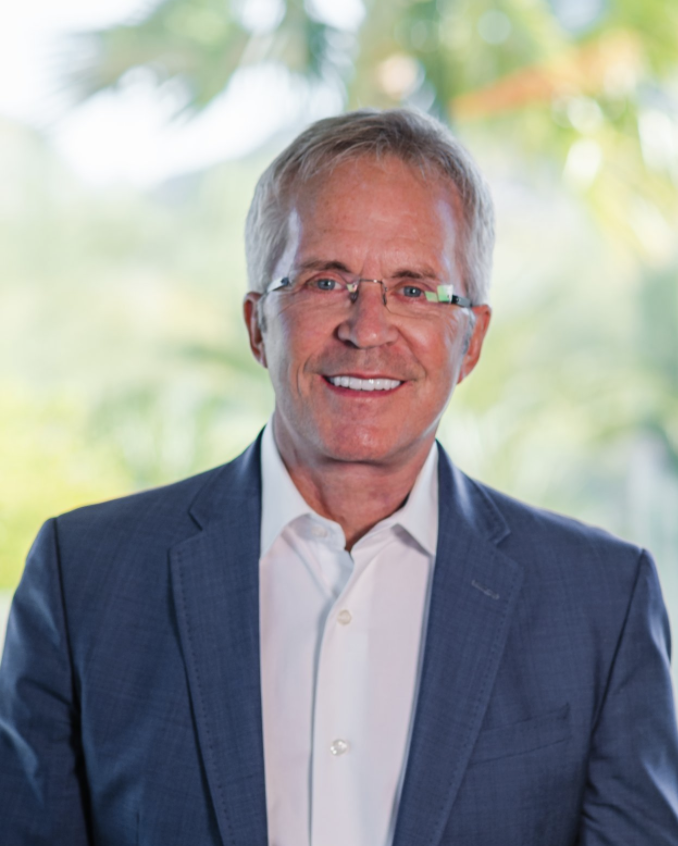
Mark L. Cushing and the revolution on the sofa
A trial lawyer followed a phone call into the pet business. Then he began tracing how America’s affection for dogs and cats was rewriting the rules of everyday life.
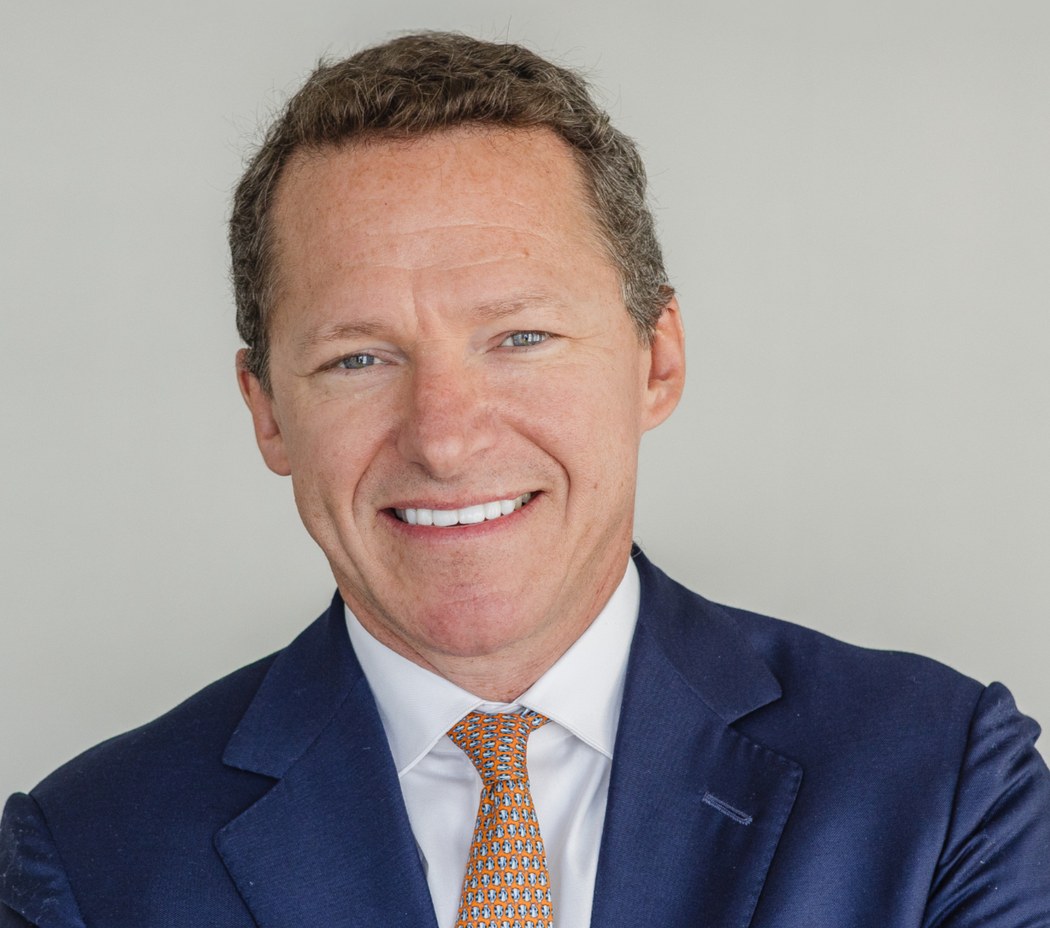
Jeffrey J. Kimbell and the art of getting people in the room
A Washington career, a live-music business, a charity drag race, and a classroom without walls. Jeffrey J. Kimbell keeps finding reasons for people to show up.
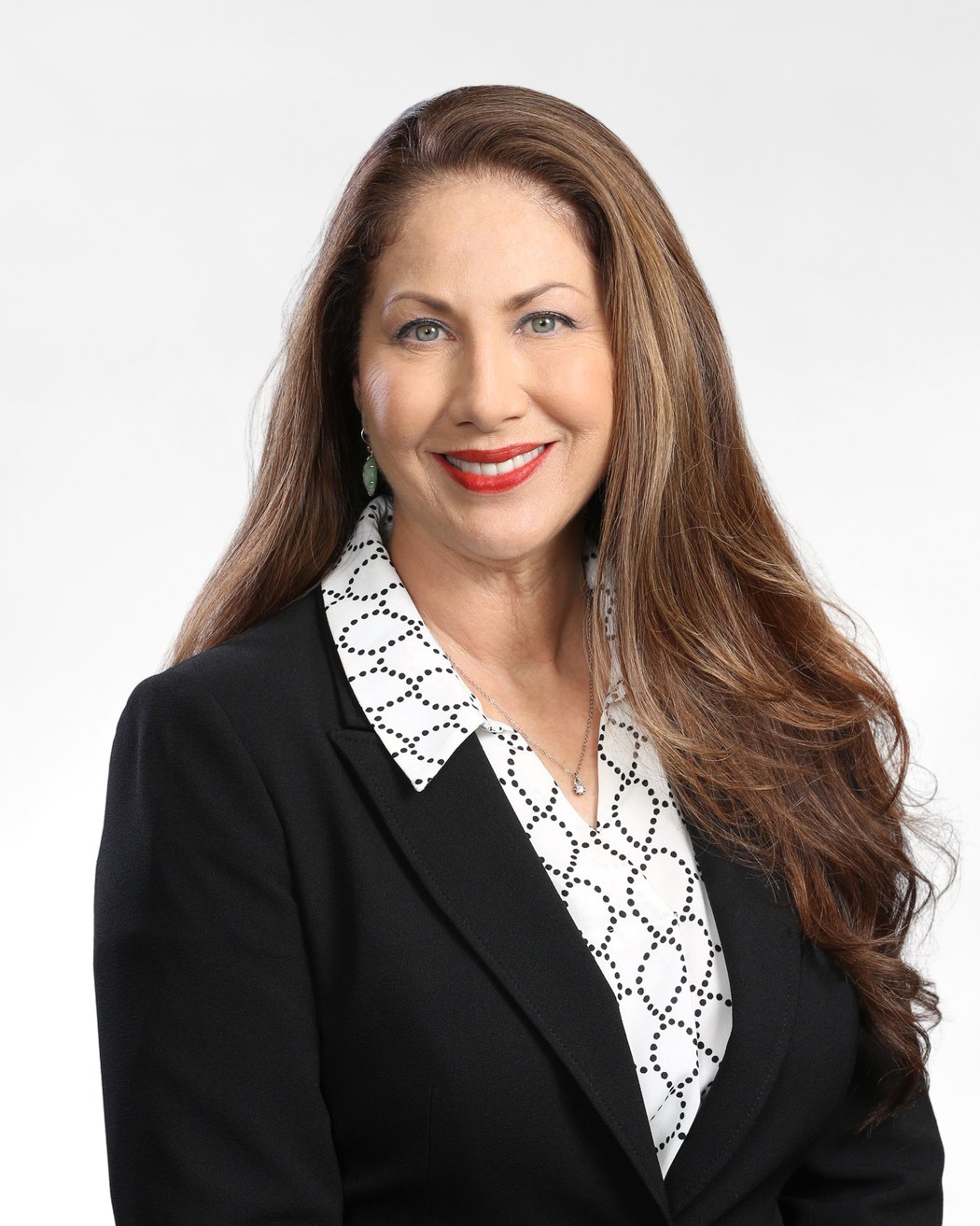
Genoveva Arellano and the power of staying in the room
A Rolodex helped her start a business. Three decades of public meetings, freeway construction and rail projects reveal what Genoveva Arellano built from those first introductions.
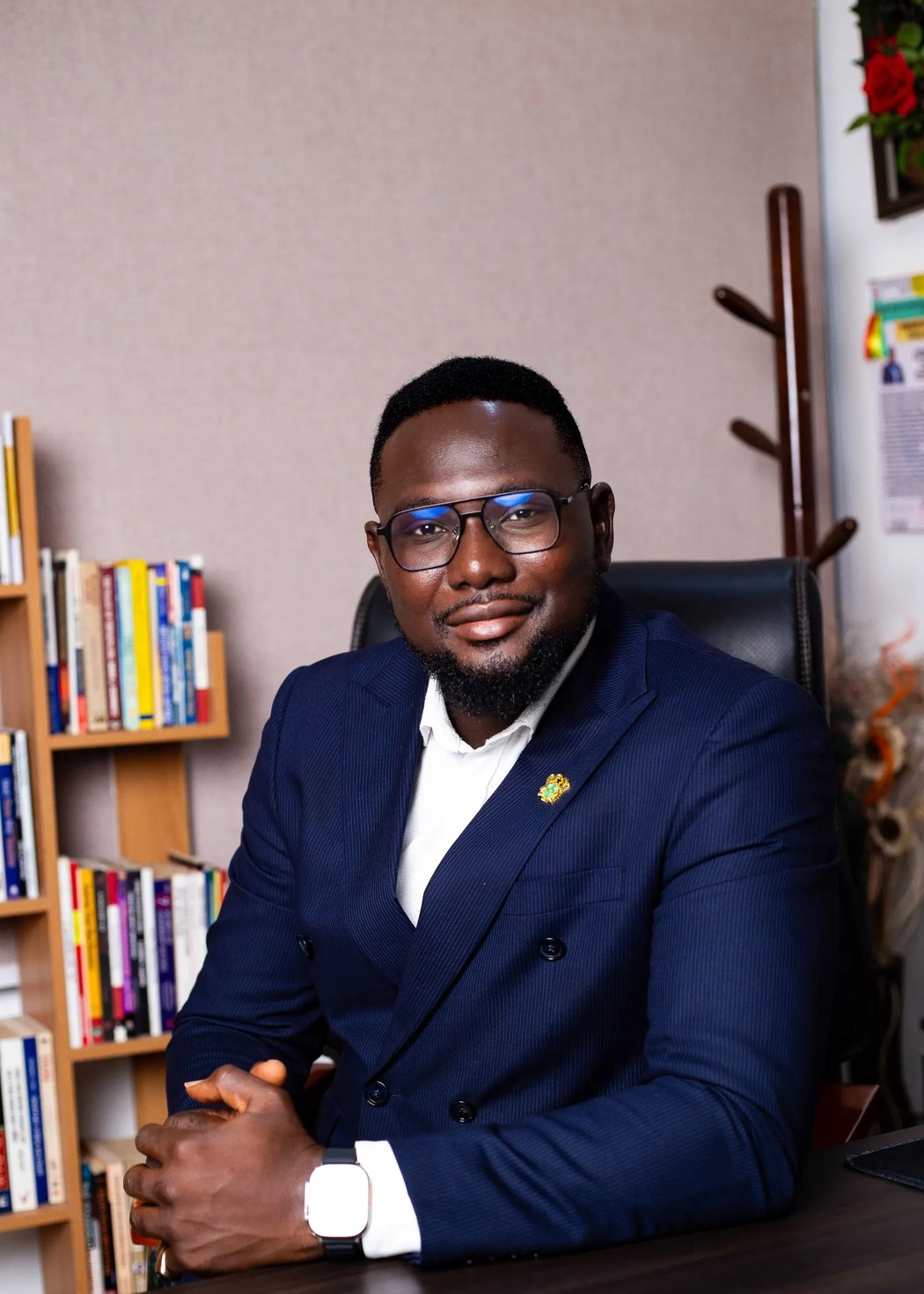
Sherif Ghali built a chamber. Then he handed over the keys.
He started with 15 entrepreneurs. A decade later, Sherif Ghali stepped aside as chief executive of a Ghanaian business network reporting more than 19,000 members, with another institution already on his agenda.
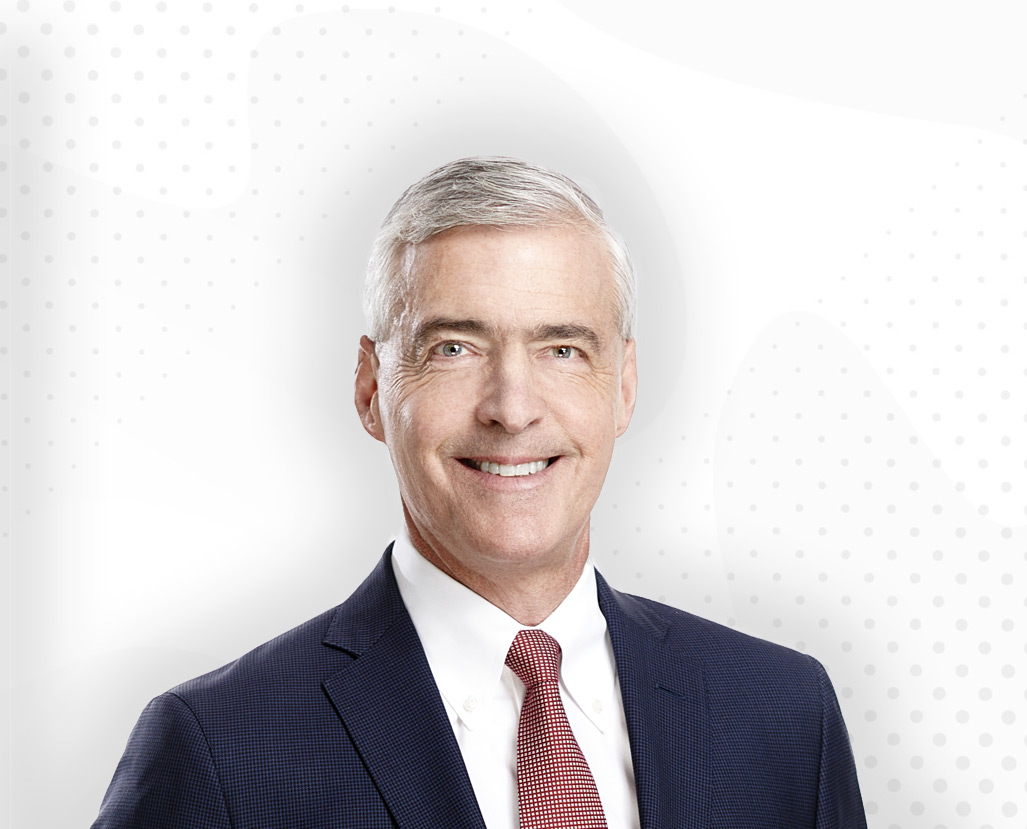
Bruce Caswell and the distance between a promise and a person
The Maximus CEO has spent his career turning public policy into working services. Away from the office, ten finishes at the JFK 50 Mile offer a more personal measure of staying the course.
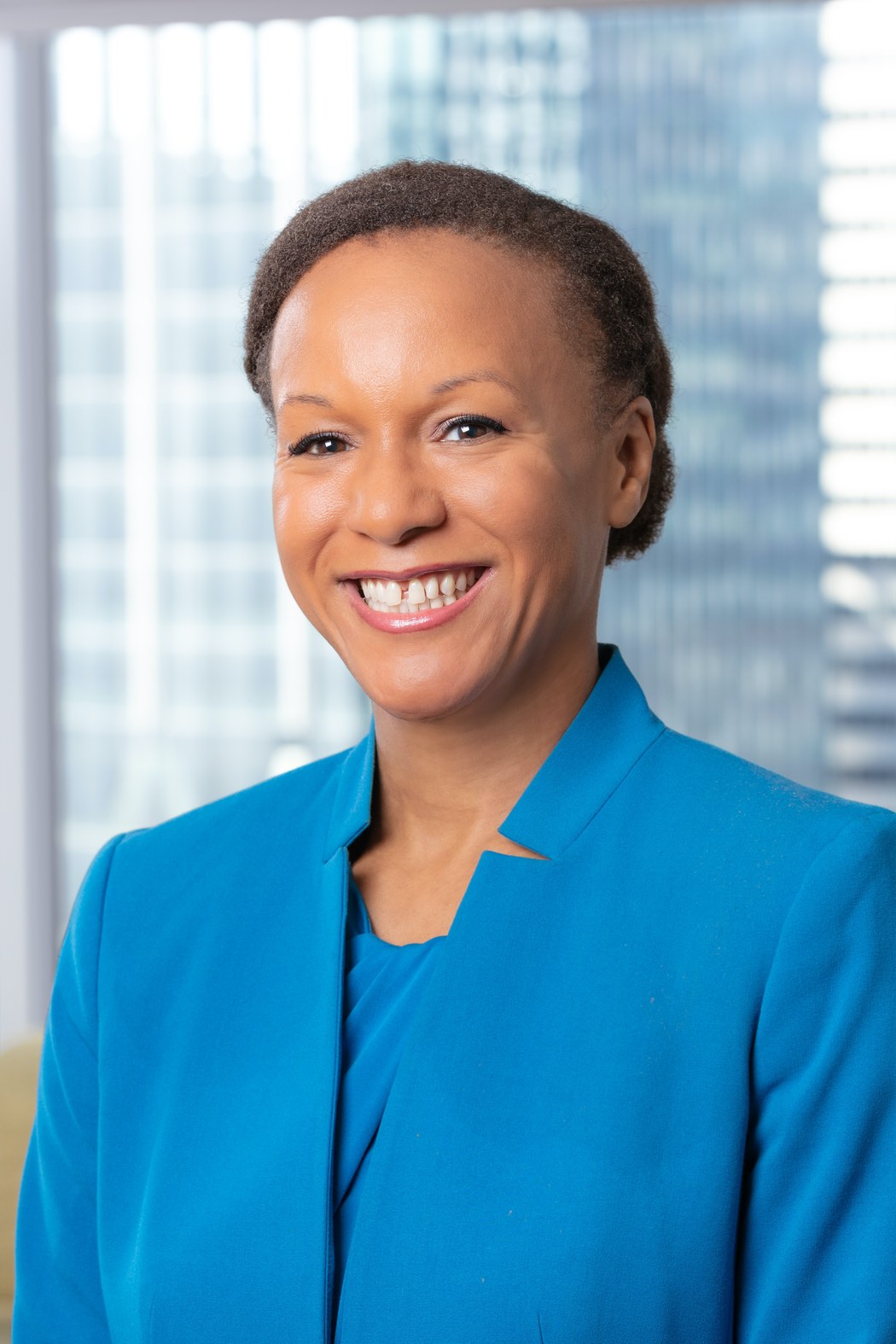
Cristal Gary and the distance between a decision and a neighborhood
From an Illinois deputy governor’s office to a South Side giving circle, Cristal Gary has worked on both sides of the institutional front door. Her career offers a close look at who gets to make decisions, and who gets invited into the room.
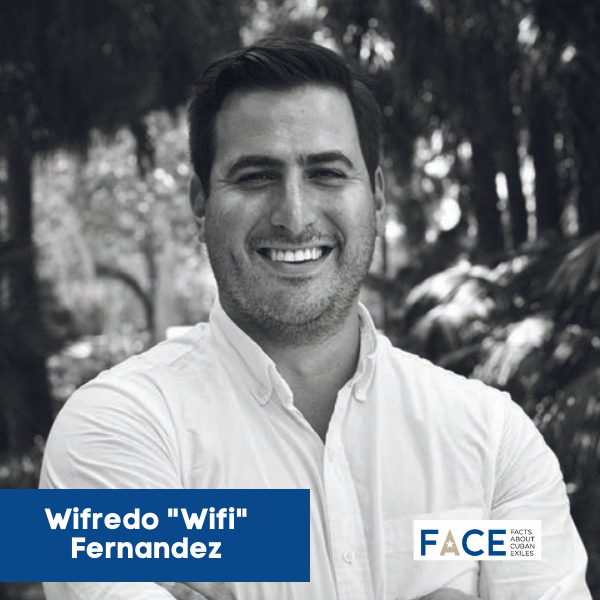
Wifredo Fernandez and the $300 theory of a startup city
The LAB Miami began with shipping pallets, homemade desks and a question about where good ideas go. Wifredo “Wifi” Fernandez has carried that question from Wynwood into classrooms, venture investing and technology policy.
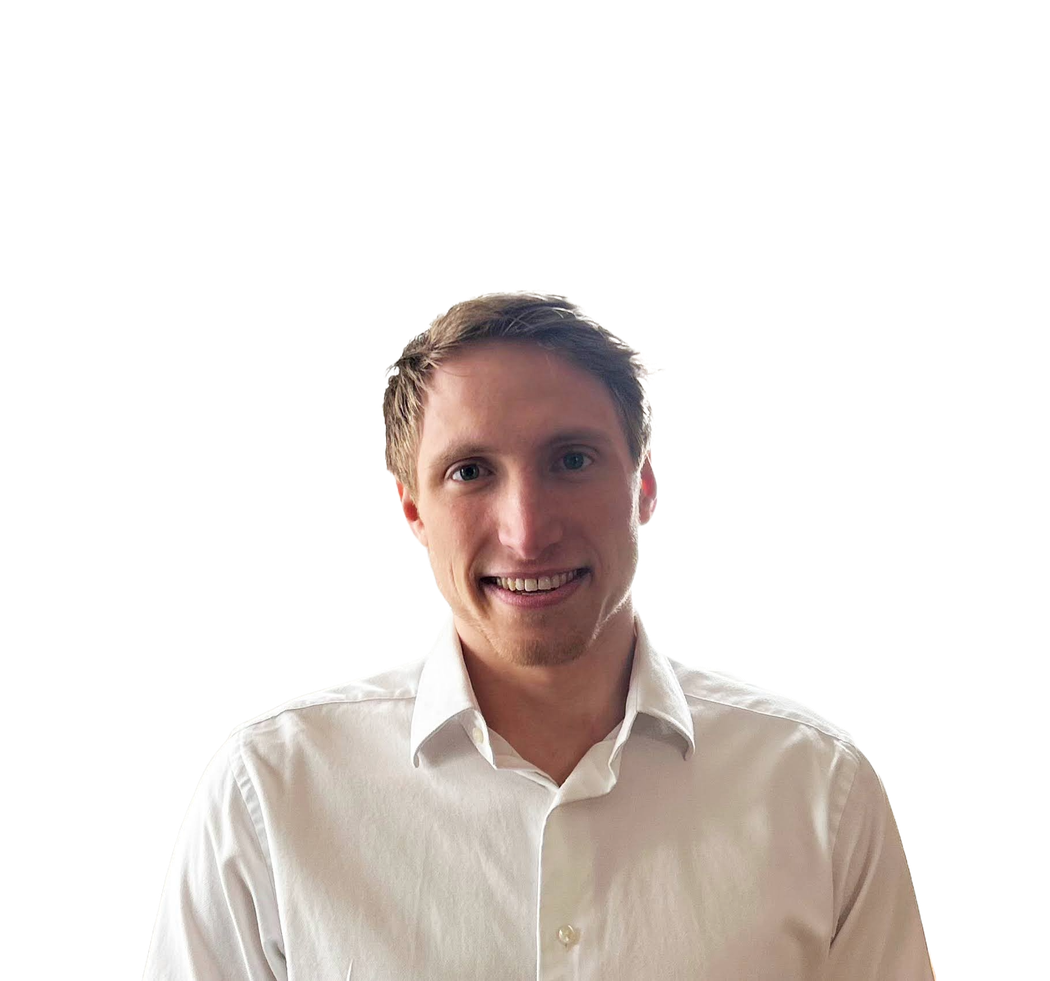
Greg Volynsky and the questions that refuse to stay in class
Before Zoa Research, Greg Volynsky made business plans, coached young debaters and studied law. His work in forecasting extends a long-running interest in how we learn enough to make a decision.
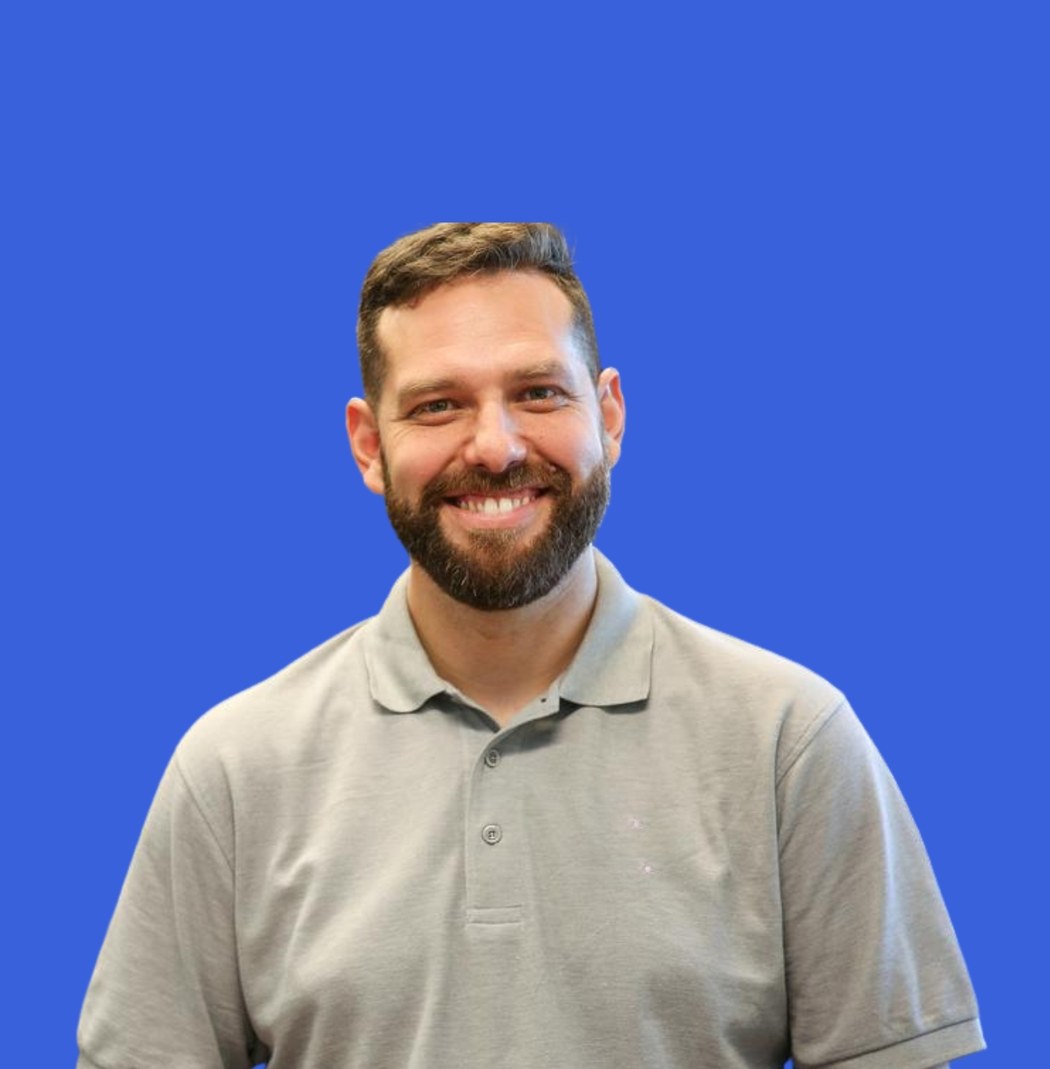
Iyah Romm and the art of changing course
Before he crossed the Pacific with his family, Iyah Romm helped build Cityblock with Toyin Ajayi and Bay Gross. His career has moved through committee rooms, startup offices and boardrooms - with room for a boat named Moondoggie.
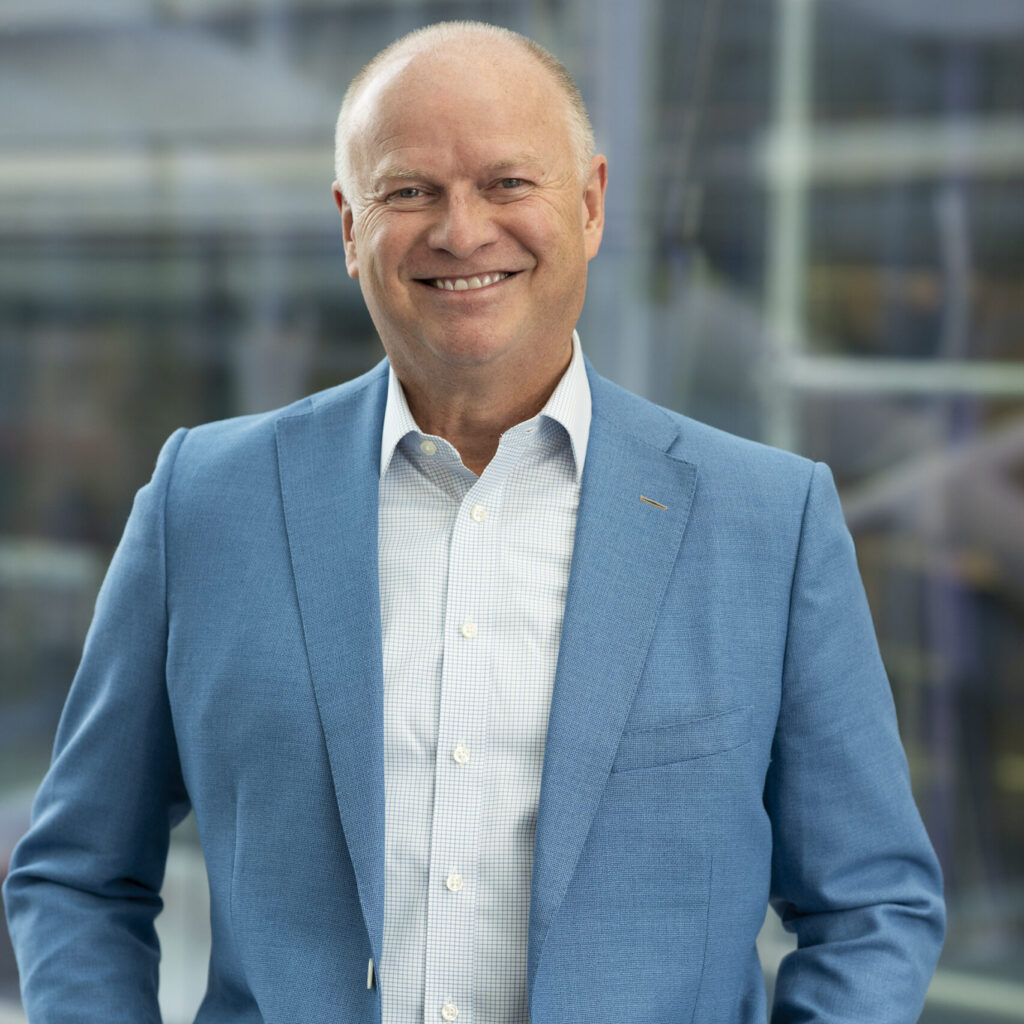
Bobby Franklin and the six weeks that never ended
He came to Washington with a finance degree and a six-week internship. More than three decades later, Bobby Franklin is still there, working on the rules that shape who gets to build the next company.
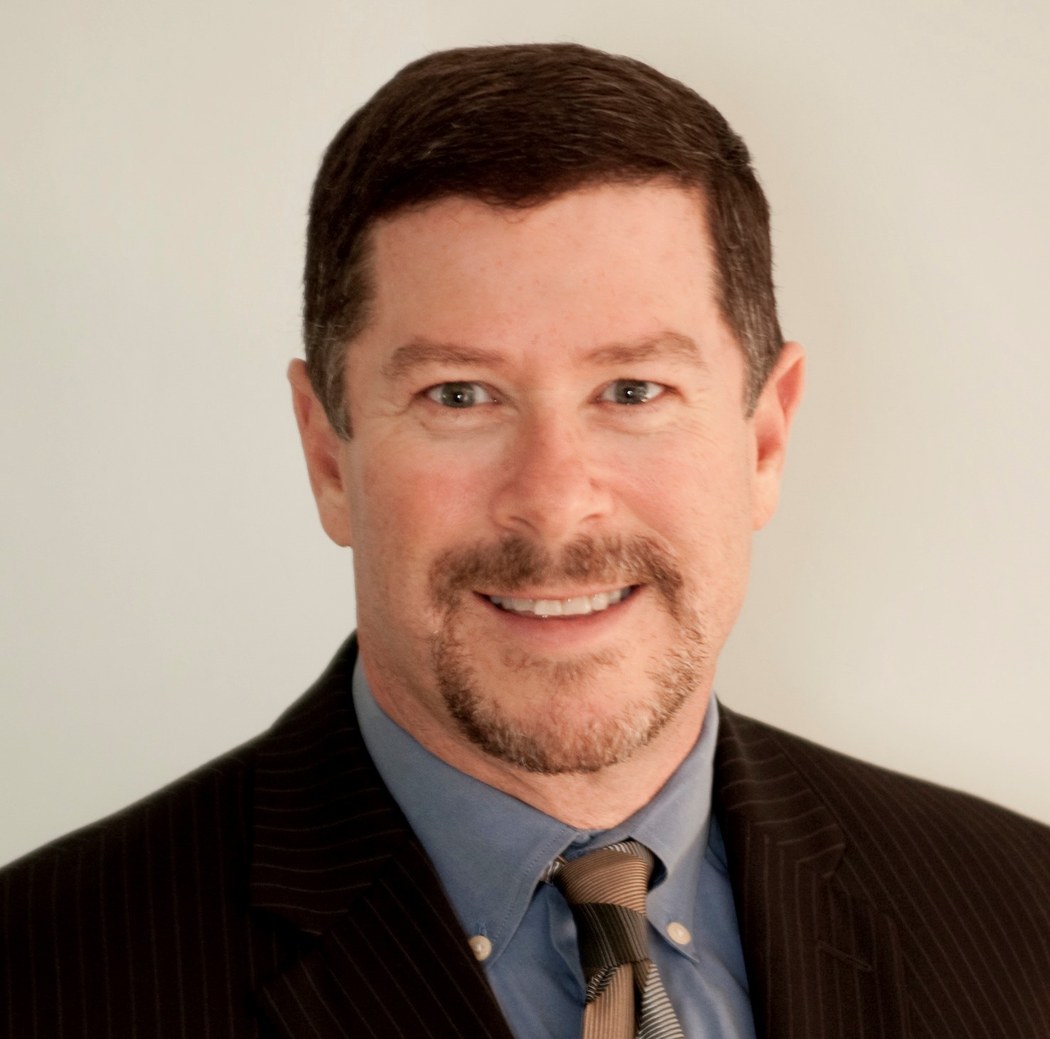
Pat Gouhin and the education of an angel
An aerospace engineer found his next assignment among startup investors. At the Angel Capital Association, Pat Gouhin is helping a profession built on experience decide what it can teach the next person through the door.
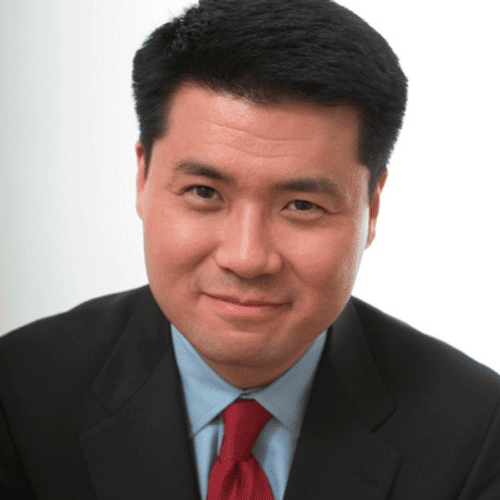
Jun Choi and the Second Life of a Place
Before he began turning old industrial sites into new warehouses, Jun Choi ran the town where he grew up. The former Edison mayor’s career follows a stubbornly local question: what should happen here next?
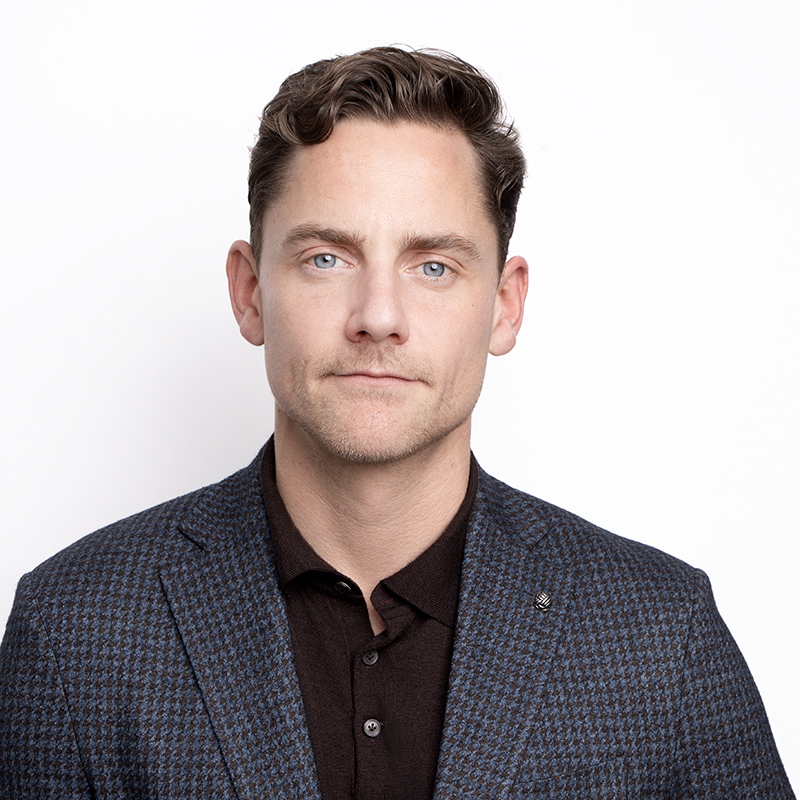
Benjamin Bergen and the business of keeping Canada in the picture
He spent a decade helping Canadian technology companies find a voice in Ottawa. Now, as CVCA’s CEO, Benjamin Bergen is working on the next question: who will finance their growth?
La French Tech wants France to buy what France builds
France gave its startups a flag. Now La French Tech is trying to give them customers, with a buying programme backed by more than €2 billion in corporate commitments.

Entlaq Holding wants Egypt’s startups to outgrow the paperwork
A Cairo consultancy connects founders, investors and policymakers. Its wager: a promising business needs a working ecosystem as much as a working product.
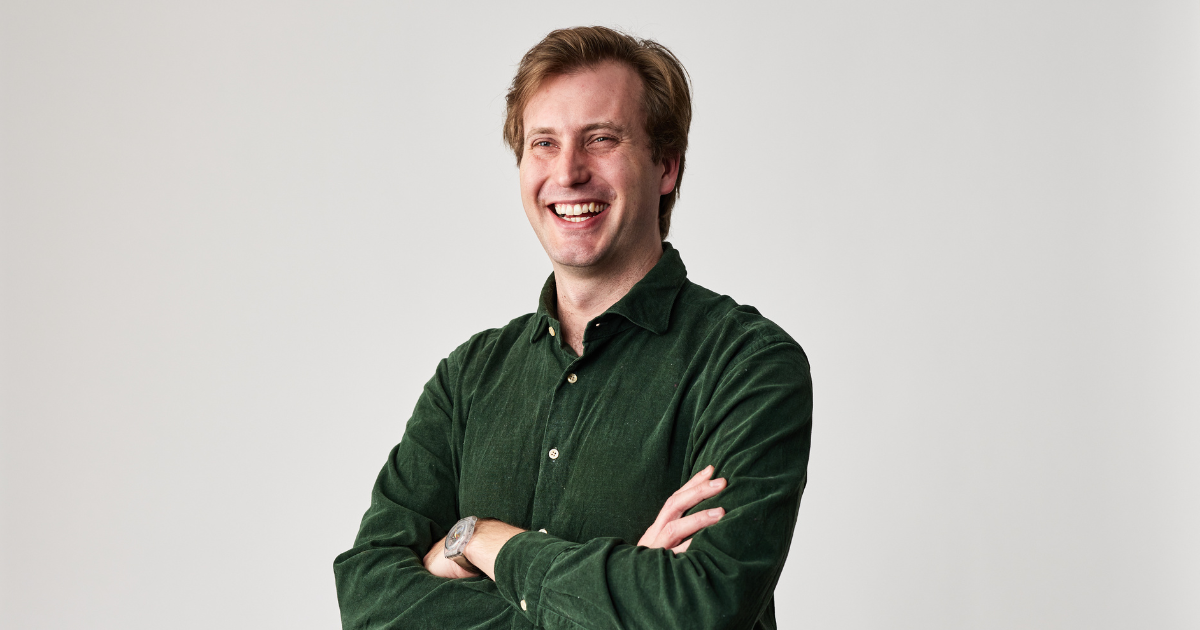
Peter Willis and the business of showing up
After years building teams and provider partnerships at Hireup, Peter Willis has taken the CEO chair. His career turns on a practical question: how do you make a promise work on an ordinary Tuesday?
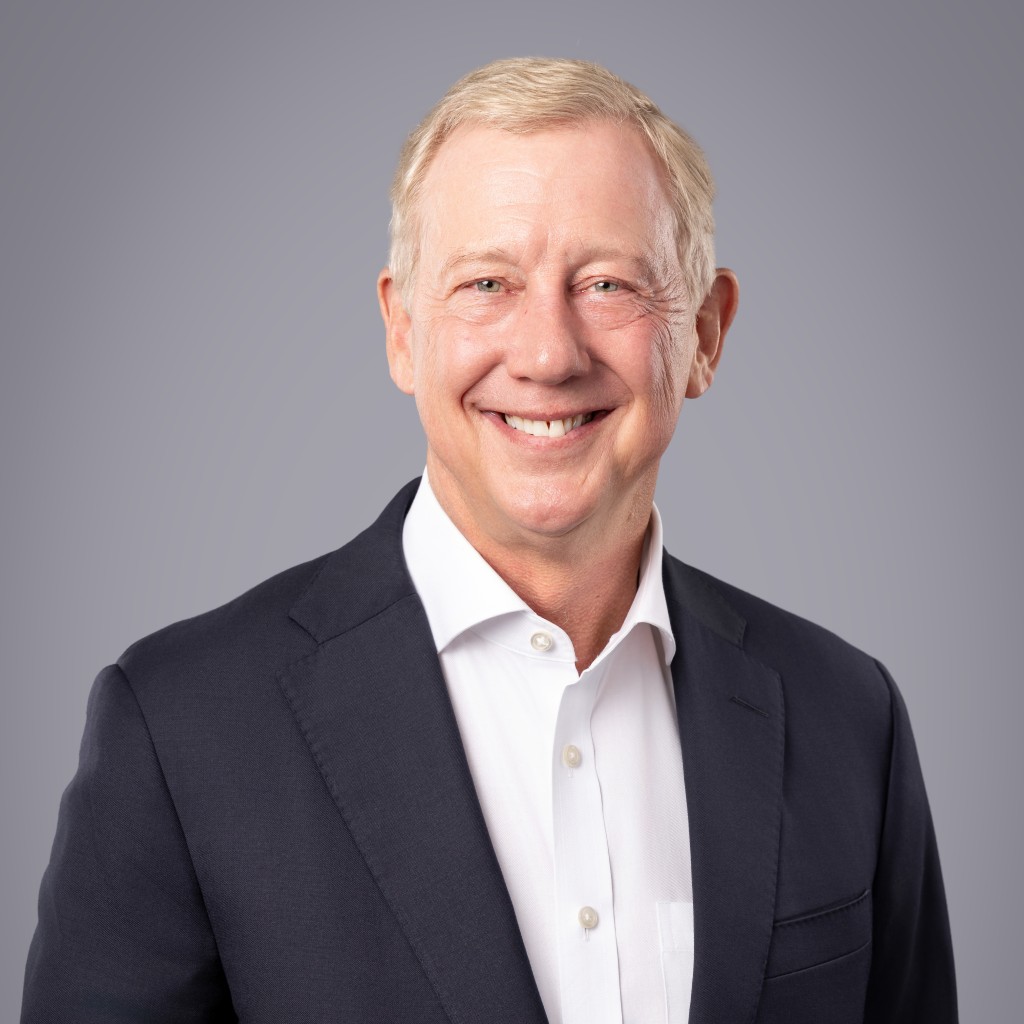
Adam Schwarz and the distance between a promise and a permit
A Jakarta newspaper placement became a career spent reading Southeast Asia’s political fine print. After reporting, writing and twelve years at McKinsey, Adam Schwarz built Asia Group Advisors around the gap between economic ambition and what governments can deliver.
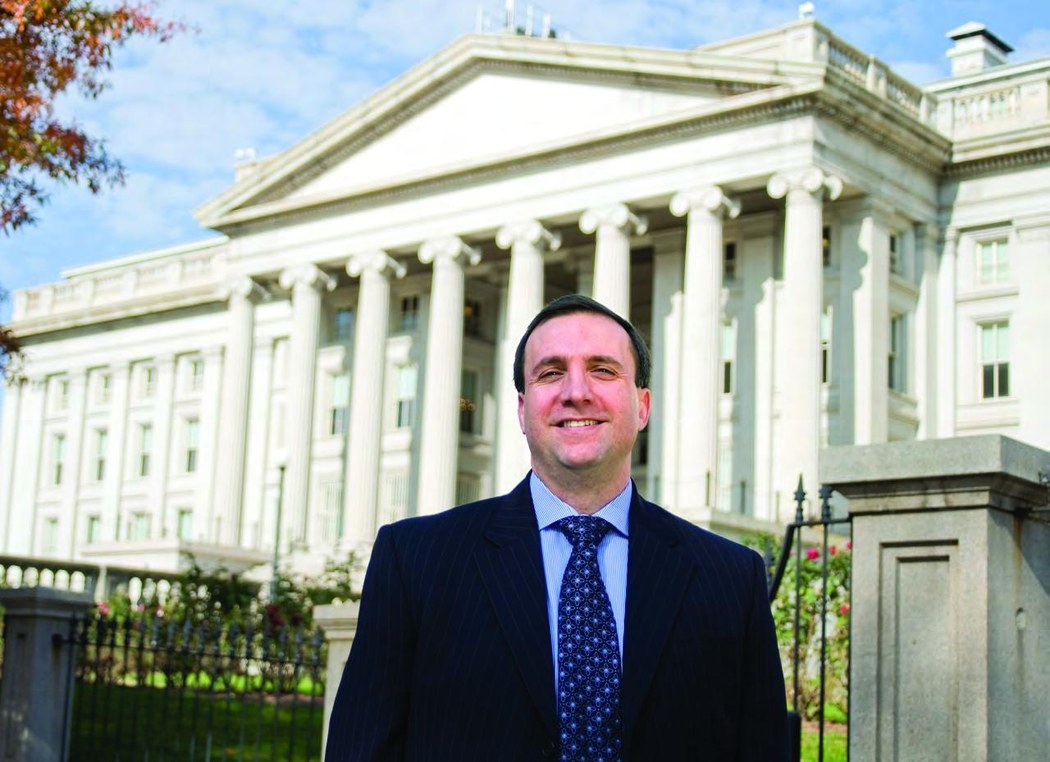
Howard Schweitzer and the thirty-minute appointment with history
An 8:30 a.m. phone call put Howard Schweitzer on the operating team for a $700 billion rescue. His career since then has kept returning to the same question: how do you turn a decision into something that works?

The Lobbying Firm That Had to Win Its Way Back Into the Room
In Annapolis, influence is a business of memory. Evans & Associates lost almost everything, returned with one client, and rebuilt a family firm that Maryland now counts among its highest-earning lobbying shops.

The Consulting Firm That Turned a Stormwater Tax Into a Day at the Park
Shockey Consulting sells something city halls badly need and cannot manufacture on command: a credible conversation. Its best work begins where the engineering ends and the public questions start.
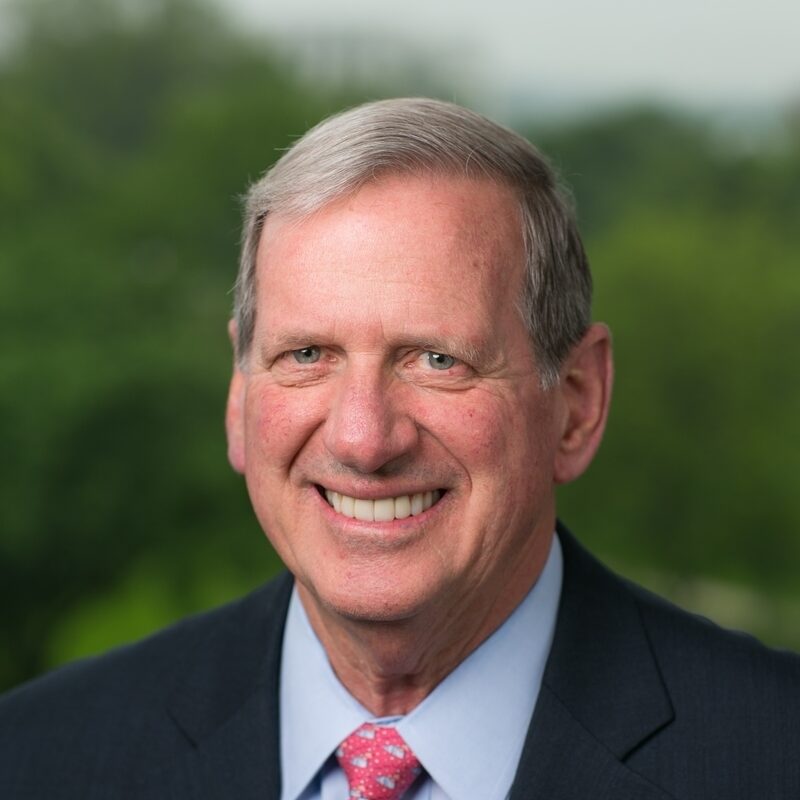
Stu Van Scoyoc Built a Washington Firm on Three Employees, a 5-Pound Phone, and Timing
A chemical engineer turned lawyer turned lobbyist, Stu Van Scoyoc built a national advocacy business by treating Washington as a problem of translation: the right message, delivered to the right person, at the right time.
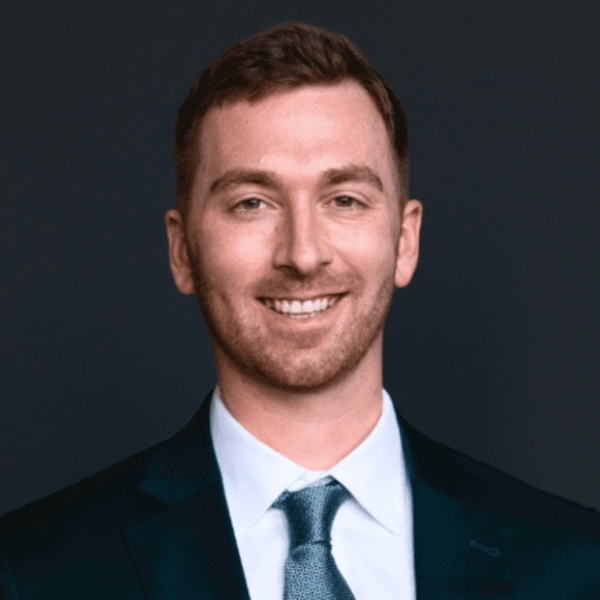
Cody Carbone Wants Washington to Stop Debating Crypto and Start Writing the Rules
The Digital Chamber's CEO has spent his career translating technical arguments into Washington action. Now he is trying to turn a rare political opening into durable rules for digital assets.

Thomas Freedman Has Spent a Career Making Coalitions Do the Work
From a year studying famine in Africa to the Clinton White House and a 20,000-company jobs coalition, Thomas Freedman's career follows one durable idea: public problems yield when institutions learn to work together.

The Grant Is Won Before the Application Opens
TFG built a Washington business around a deceptively practical idea: towns should shape projects for federal money long before a deadline turns strategy into paperwork.
The City’s Quiet Switchboard
JCRC-NY’s product is not a press release. It is the relationship that already exists when a school, synagogue, City Hall or neighborhood leader suddenly needs the right person on the phone.
The Glamour Is the Wrapper. The Work Is Plumbing.
williamsworks has spent two decades turning celebrity, corporate and philanthropic intent into the unglamorous machinery of change - field research, local partnerships, funding systems and the patience to hand power over.
The Business of Making Strangers Useful to One Another
For 128 years, the Virginia Peninsula Chamber has sold a simple regional advantage: put the shipyard executive, the banker, the professor and the small-business owner in the same room - then give them a reason to talk.

The Famous Person Is Not the Point
WRTHY learned that attention is only rented. Its sharper trick is deciding who should borrow it - an epidemiologist, a farmer, a survivor, an athlete - and giving that person something useful to do with the crowd.