There is a familiar moment in modern philanthropy. A famous person has seen something terrible, or beautiful, or both, and says: I want to help. The sentence is sincere. It is also nearly useless. Between wanting and helping sits a small civilization of choices - whom to trust, what to fund, how to measure, when to speak, and when the person with the microphone should stop talking.
That civilization is where williamsworks lives. Founded by Whitney Williams in 2003, the Missoula-based consultancy advises artists, athletes, corporate leaders, families, foundations and advocacy groups. Its public client history contains the sort of names that make a dinner host straighten the place cards: the Gates Foundation, TOMS, Nike Foundation, Pearl Jam, the Miranda family, lululemon, Wikimedia and Ben Affleck. But the names obscure the product. Williamsworks does not sell borrowed fame. It sells the conversion of attention into an operating plan.
First, lose the easy story
In 2007, Affleck came to Williams with an alarming fact about central Africa and the impulse to act. A less patient adviser might have selected a logo, announced a foundation and booked a benefit. Williamsworks arranged learning trips. Williams and Affleck visited displacement camps, met families, government officials, police, militias, international NGOs and local organizations. They made at least six trips through Africa before deciding where to concentrate. Affleck called the education his “PhD.”
What changed their minds was proximity. The useful voices were not necessarily the largest aid organizations or the best-known foreign experts. They were Congolese leaders already solving local problems with little capital and less attention. That finding became the organizing idea of Eastern Congo Initiative, co-founded by Affleck and Williams in 2010: fund community-based organizations, pair grantmaking with advocacy, and build economic partnerships that could outlast a news cycle.

“You have to go there to know there.”A field rule used by williamsworks
The work after that insight was spectacularly uncinematic. Williamsworks helped create a seed fund, recruit staff and advisers, assemble a board and executive committee, manage U.S. grant operations, cultivate partners and shape policy campaigns. It also helped pioneer a water model that shifted infrastructure ownership to Congolese people. The consultancy's case study reports more than $10 million granted to 44 organizations during its period of involvement. ECI's current figures are larger: more than 144 local partners, over $12 million in direct grants and more than $14 million in additional investment catalyzed.
The deliverable is a working system
This pattern appears again in a different costume. In 2014, lululemon's then-CEO Laurent Potdevin asked the firm to deepen the company's social impact. Williamsworks conducted a landscape analysis, held hundreds of conversations and focused the program on access to yoga and meditation for people facing chronic stress, trauma and health challenges. Then it reduced the ambition to four practical pillars: collective learning, skill delivery, direct access, and capacity building with overhead support.
Those pillars guided Here to Be from 2016 to 2018 while Williamsworks supported grant distribution, shared measurement, partnerships, an annual summit, executive counsel and long-term staffing. The headline number was lululemon's $25 million five-year commitment. The plumbing was everything that made the money legible. By 2020, lululemon reported 575-plus nonprofit and supplier partners, 500,000 people reached, 3,500 yoga teachers trained and 40,000 mats donated.
A method worth borrowing
The lesson is easy to copy on paper. Before designing the campaign, map the landscape. Interview enough people to be surprised. Write a short set of decision rules. Give every promise an owner, a budget and a measure. Design the handoff before launch. It becomes much harder when a client wants a press release next Tuesday, refuses to share decision-making, or treats community input as decoration. Williamsworks' approach is high-touch and patient. It is a poor fit for buyers seeking a commodity report or instant visibility.
$25 million for lululemon's five-year commitment; $2.5 million for Wikimedia's broader 2017 strategy process.
Private. None of the public project budgets disclose what portion, if any, was paid to williamsworks.
Sometimes the bridge is the product
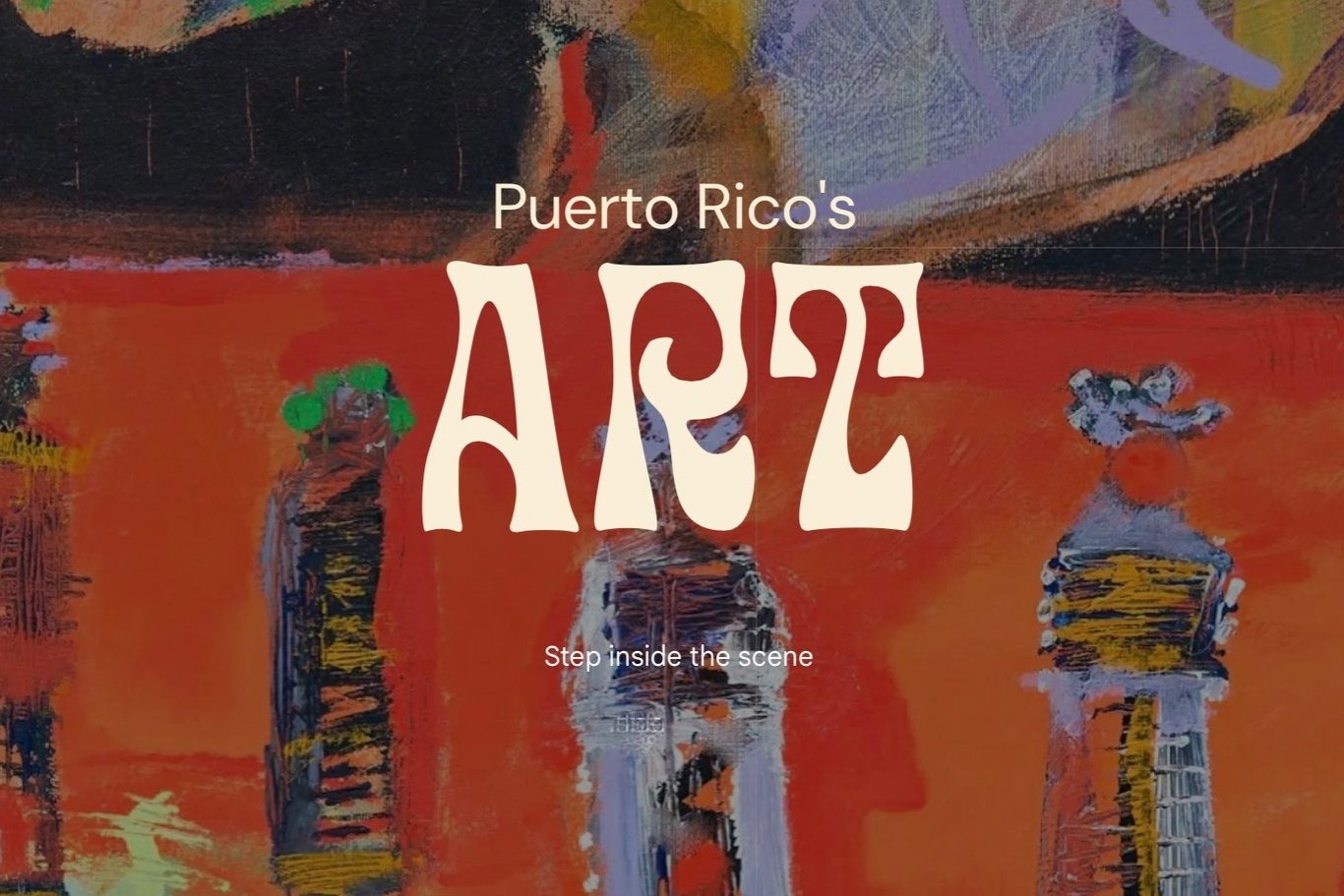
In Puerto Rico, the catalyst was a visit. The Miranda family brought a delegation that included Google to the Instituto de Cultura Puertorriqueña's national collection. Tens of thousands of objects existed, many without a permanent public gallery. Williamsworks saw less a missing website than a missing bridge: cultural institutions had the art and authority; Google Arts & Culture had the camera technology and global platform; the Miranda family had trust and convening power.
The firm planned another island visit, connected more institutions, managed relationships and helped turn a possible one-museum collaboration into a regional project. The pandemic could have stopped digitization first. Instead, the partners adjusted the workflow and kept going. In 2022, Google described a launch spanning 10 museums and archives, more than 60 stories and exhibits, and over 1,100 artworks and artifacts. The digital collection let museums keep offering access while physical doors were closed or collections remained too fragile to display.
A peculiar corner of consulting
Williamsworks occupies a narrow space between firms such as Bridgespan, FSG and Dalberg; public-affairs shops; philanthropy advisers; and an in-house social-impact team. Its difference is not a proprietary framework with a trademark symbol. It is range. The same engagement may require a policy map, a donor conversation, a local photographer, a staffing plan and a story that does not turn the community into scenery.
That range showed up in Wikimedia's 2017 movement strategy. The foundation hired williamsworks to coordinate an international process across employees, volunteer editors, affiliates and non-English communities. The first discussion cycle alone gathered more than 1,800 statements. The firm helped synthesize the noise into a direction built around service and knowledge equity. Here again, the report mattered. The process that made people recognize themselves in it mattered more.
Williamsworks is private, its fees are undisclosed, and its current public footprint is small. LinkedIn lists two to ten employees, while supplied business data estimates 20. Smallness may be a constraint, but it also explains the model: a compact senior team extends itself through networks, specialists and the institutions already on the ground. Its culture page says it plainly: rely heavily on networks, maintain confidentiality, make no assumptions, practice humility.
The fashionable part of social impact is the launch. The useful part is deciding who owns the water system five years later, who can keep the museum open during a pandemic, and whether a grant program can explain what it is for. Williamsworks has built a company around those second questions. The famous face opens the door. Then someone has to label the pipes.