A town rarely describes its problem in the language Washington wants. It says the road floods, the radio system is failing, the old industrial parcel sits empty. The federal government says NOFO, eligible use, benefit-cost analysis, disadvantaged census tract. Between the two is a peculiar act of translation. For more than four decades, The Ferguson Group has been paid to perform it.
TFG is a bipartisan government-relations consultancy based on Pennsylvania Avenue in Washington, D.C. Its clients include cities, counties, special districts, public agencies, associations, nonprofits, universities, coalitions, and private organizations. The firm advocates before Congress and federal agencies, monitors regulation, develops coalitions, and writes grants. But the most revealing part of the business is not the meeting on Capitol Hill. It is everything that must happen months before a grant application exists.
The ponytail and the storm drain
William Ferguson Jr. arrived in Washington from Massachusetts to work for Representative Paul Tsongas. He later remembered himself as a hippie with a ponytail who did not own a suit. In 1982, he founded the firm that bears his name and aimed it at an unfashionable constituency: local government.
That choice shaped the firm. A city manager does not need a performance of influence. She needs someone to know why a levee rule could cost $25 million, which agency controls a program, and whether an engineering study is mature enough to survive a scoring rubric. Ferguson's own description remains the cleanest statement of the niche.
“Our part of the lobbying business is not like the Georgetown cocktail party lobbying. It is really understanding the dynamics of stormwater.”William Ferguson Jr., founder

TFG's difference is the stack of jobs it combines. A conventional lobby shop may concentrate on legislation and access. A grant writer may enter when the application is due. A software platform can locate opportunities. TFG tries to stay across the sequence: define the project, find the program, shape the scope, cultivate agency intelligence, assemble political and community support, draft the application, and help with what comes next.
The first failure is usually timing
Consider the common municipal ritual. A notice arrives with a 90-day clock. Departments scramble for data. Partners are asked for letters. Engineers discover that estimates are stale. The application may be polished, but the project beneath it is still wet cement.
TFG sells an alternative: begin with a pipeline of priorities, not a pile of forms. Its public materials promise advance grant notices, weekly updates, quarterly outlooks, project scoping, grant writing, review, and agency engagement. Through its partnership with the National Special Districts Association, members can consult topic guides and a database of more than 700 successful applications. The idea is to turn grant pursuit from a fire drill into operating practice.
The first documented stumble in one TFG case was blunt. Cumberland County, Maine, had unsuccessfully tried to renew funding for its Violence Intervention Partnership. TFG then helped the county pursue a $438,000 federal award for arrest policies and protection-order enforcement. The money supported rural victims and immigrant and refugee communities. The useful lesson is not that consultants possess a secret incantation. It is that a failed bid can expose what the next application must repair.
Earmarks vanished. The work moved.
The firm's own turning point came when Congress eliminated earmarks for a time. Local advocacy had once meant getting a named project into legislation. Money increasingly flowed through executive agencies and competitive programs instead. A Fort Wayne official explained why the city changed federal representatives in 2013: it wanted regulatory and agency expertise suited to the new environment.
TFG followed the money's new route. “We do as much or more grant work than we did in the earmark era,” Ferguson said then. What changed the firm's mind was not a theory of reinvention. It was institutional plumbing. Congress had moved the valve, so TFG moved downstream.
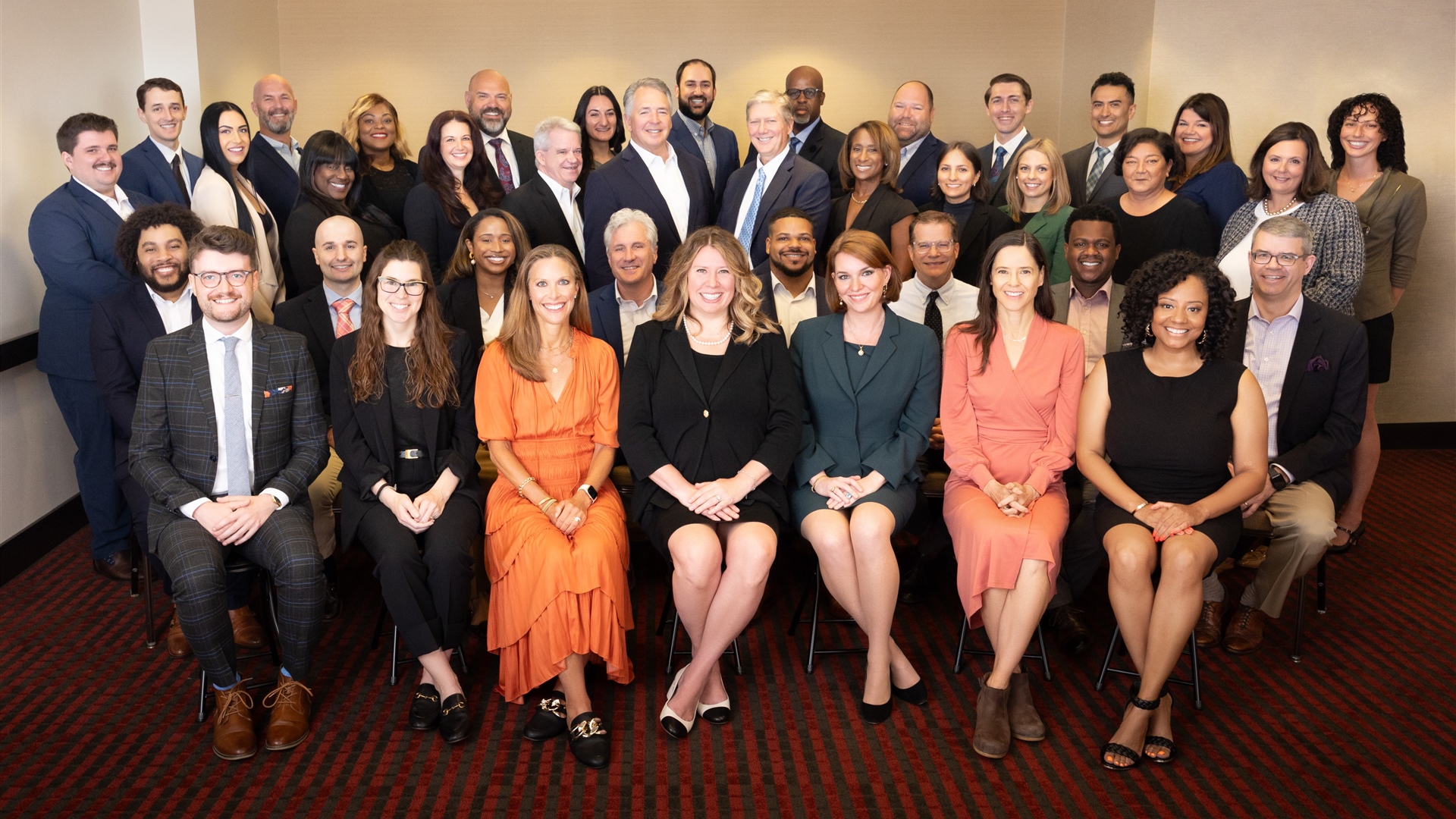
Today, grants sit beside four other businesses: legislative advocacy, federal funding strategy, regulatory work, and consulting. The issue menu is broad because local government is broad - transportation, broadband, housing, environmental resilience, health, public safety, disasters, floods, and water. The staff roster includes alumni of congressional offices, agencies, and state and local government. Technical familiarity is not decoration here. It is how a local need survives contact with a federal rule.
The price of becoming legible
TFG is privately held and does not publish a company-wide rate card. But a 2024 guide prepared for special-district members offers a rare window. Monthly grant-service retainers ranged from $1,000 to $8,000. Typical writing for a small, well-defined request ran about $6,000 to $7,000; a medium full application, $18,000 to $20,000. Retainer clients received a discount, while unusually complex submissions were quoted separately.
Published 2024 partner pricing. Actual scope can add budgets, models, forms, analysis, or post-award work.
Those fees buy labor and judgment, not certainty. A grant can be perfectly written and still lose. A federal program can change priorities after an election. A town may lack the required match, community consent, procurement capacity, or data. A consultant cannot turn a politically orphaned wish into a shovel-ready project. The model works best when local leadership can decide, supply facts quickly, and own delivery after the award.
What a reader can copy
Keep a ranked project pipeline. For each priority, record the public need, rough cost, delivery owner, match source, permits, evidence, partners, and likely federal home. Read last year's notice before this year's notice appears. Ask for support while people still have time to think. After a loss, request the debrief and revise the project, not merely the prose.
A business built in the gap
TFG lives between two mismatched machines. Local institutions are close to the problem but short on time. Federal institutions control vast resources but speak through programs, statutes, scoring criteria, and calendars. The firm's market is the distance between them.
That positioning has produced concrete wins. TFG says its work has helped secure more than $3 billion in grants, loans, and other competitive funding since 2015. A partnership with the California State Association of Counties has reported an $8 million Sacramento County reentry grant, more than $1.4 million for infrastructure in Niland, and $441,151 for Imperial County firefighter safety and radio equipment. Earlier case studies describe advocacy around federal credit assistance for toll roads, water-project authorizations, and the repeal of an expensive road-sign mandate.
Not every client needs the full apparatus. A well-staffed state agency may keep the work in-house. A tiny nonprofit with no matching funds may be better served by a smaller opportunity. An urgent project with no planning, public support, or delivery capacity is unlikely to become competitive because an outside firm arrived. The method rewards institutions willing to do the dull work early.
This is TFG's most portable idea: the deadline is not the starting gun. It is the finish line. By the time the application portal opens, the project should already know what it is, why it belongs, who supports it, what it costs, and who can build it. Washington may still say no. But at least Washington will understand the question.
Follow the work
See the firm's current funding alerts, service details, public updates, and partner programs.