medical-devices
(190)
The Best Therapy in the World Still Needs Someone to Say Yes
MEYA Health works in the awkward distance between scientific approval and real-world access - where evidence must become a story that payers, health systems and field teams can actually use.

Merryman Communications and the art of the next click
A patient story is only the beginning. The healthcare agency now called M+ builds the route from attention to action - and changes the route when the numbers tell it to.

M+ built an agency around the people big agencies wear out
A network of senior healthcare specialists turns complex medical stories into practical next steps. Behind M+ is a quieter experiment: giving experienced people a reason to stay.

Design Catapult takes the sketch all the way to the shipping box
A hospital cart, a contamination scanner and a cold-brew machine have something in common: Design Catapult. The California firm makes a business of the difficult distance between a clever idea and a product someone can actually use.

Epicenter Memphis Has a Better Opening Pitch: Meet Your Next Customer
The Memphis nonprofit connects founders to buyers, investors and industry expertise. Its bet is that the next promising startup may begin with a problem a local company already needs solved.

Ignite opened doors for women in health tech. Then came its own funding test.
The Houston nonprofit paired female founders with healthcare buyers and investors. Its announced 2026 wind-down reveals the cost of keeping those introductions useful.
Cambridge Design Partnership gets past “almost works”
A prototype can impress a room and still be impossible to manufacture. Cambridge Design Partnership has built a business in that awkward gap, fixing everything from diagnostic instruments to the feel of a kitchen knife.

Spectrum Medical wants to connect every beat of heart surgery
Pumps, disposable circuits and patient records all meet in Spectrum Medical’s Quantum range. Its expansion shows the appeal of joining them together - and the scrutiny that comes with supplying life-support technology.
Skin Analytics wants to shorten the skin cancer queue
Its AI can release selected patients from an urgent cancer pathway without a dermatologist reviewing their images. The harder achievement is making that decision work inside a real health service.
Corin wants your new knee to be forgettable
The British implant maker is building a business around what an X-ray cannot tell you: how a replacement joint behaves in motion. Its wager joins metal, robotics and surgical data.

Qualio Turned the FDA’s Paperwork Problem Into a $64 Million Software Bet
A pharmacist saw life-science teams trying to prove product quality with paper, spreadsheets and disconnected software. Fourteen years and roughly $64 million in funding later, Qualio is betting that audit readiness can become a continuous operating system - with humans still holding the pen.

Canary Put a Fitness Tracker Inside a Knee - Then Learned the Data Was the Hard Part
The Vancouver medtech spent nearly a decade teaching an implant to report every step. Its more useful lesson came after launch: a stream of numbers is not a product until a care team knows what to do next.

Phenotap’s $3 Million Pivot: The Ketone Wearable Became an Enzyme Business
The New York startup began with a wearable that promised hourly ketone trends. Its sharper bet is now one layer deeper: sell device makers the missing biochemical engine.
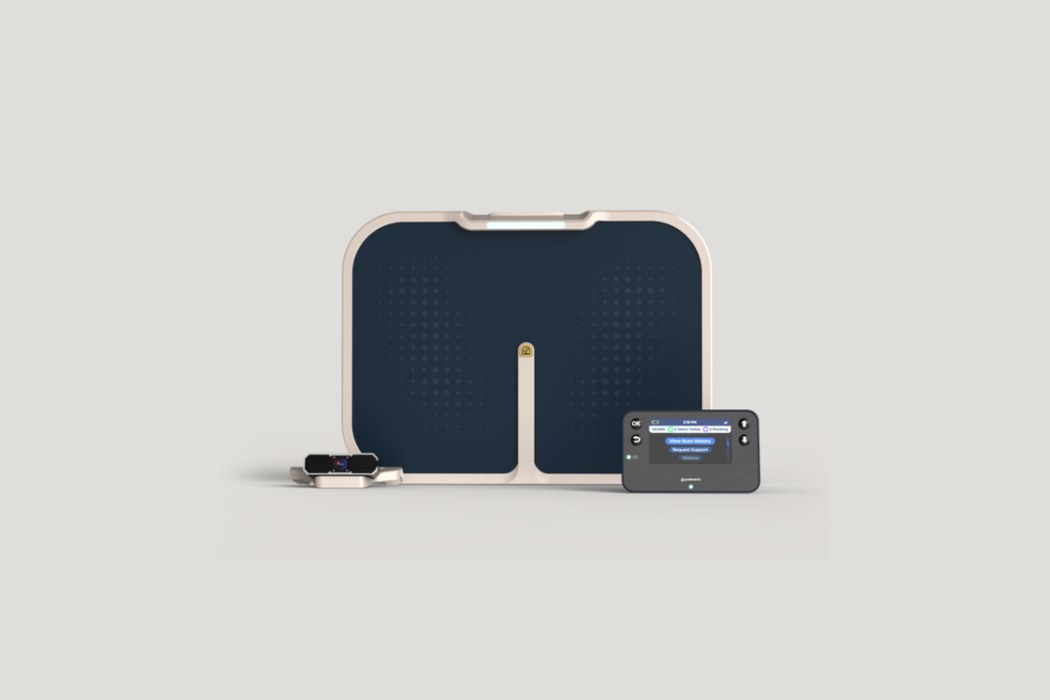
The $100,000 Problem Hiding Under a Patient's Foot - and the 20-Second Habit Podimetrics Built to Catch It
Podimetrics began with an insole, survived an electrical-tape prototype, and found its business in a deceptively simple ritual: stand still for 20 seconds before a wound becomes a crisis.

The 60-Day Nerve Stimulator That Turned a Cleveland Thesis Into a $650 Million Exit
Maria Bennett noticed that an experiment built to restore movement was doing something patients valued more: easing pain. SPR spent the next 16 years turning that side effect into a temporary implant, a reimbursement machine, and a $650 million Medtronic acquisition.
Cresilon Killed Its Big Launch - Then Built a Bleeding-Control Business the Hard Way
A 17-year-old's algae experiment became a syringe of hemostatic gel. The useful business lesson came later, when blackened batches forced Cresilon to cancel a launch and become its own manufacturer.

MAUI Imaging Waited 17 Years for Chips to Catch Up. Now It Wants Ultrasound to See What It Used to Miss.
A father-son garage project spent nearly two decades turning telescope logic into a portable ultrasound system. The first serious proof is in, but the most interesting claims still have to survive larger clinical trials.

Neopenda Went to an Equipment Graveyard and Built the Baby Monitor Hospitals Would Actually Use
A student project became neoGuard only after Sona Shah and Teresa Cauvel saw why donated hospital equipment was collecting dust in Uganda. Their harder lesson was that a device clinicians want is not automatically a device health systems will buy.

How VYRSA Turned One Tiny Joint Into a $75 Million Bet
VYRSA built a three-product answer to a stubborn source of back pain, won FDA clearance for a stranger kind of implant, and sold to Nevro before its third birthday. The playbook is compact: license hard science, simplify the procedure, and let a bigger sales force carry it.

Axiom Health Spent Five Years Turning MedTech Spreadsheets Into Answers - Then Sold the Machine
Medical-device teams were drowning in data but still waiting weeks for answers. Axiom Health built the co-pilot it wished existed - and its 2025 sale to Sorcero shows where vertical AI gets valuable.

The company that turned a $6,000 diabetes gadget into a $249 ring
Piyush Gupta left Abbott, watched his wife struggle with gestational diabetes, and decided the fix wasn't a better sensor - it was a cheaper one. A decade later, Ambrosia Systems sells glucose tech in 100-plus countries and just put the whole thing on your finger.

Orange Biomed Bet Its A1C Test on One Weird Fact: Sugar Makes Blood Cells Stiff
A Duke-born startup turned the stiffness of red blood cells into a pocket-size diabetes test. The science is clever; the harder experiment is getting a regulated device from a five-minute demo into millions of homes.

Sanmina's $3 Billion Factory Bet - and the Playbook Hardware Founders Can Steal
Sanmina spent up to $3 billion to move from the quiet machinery behind medical scanners and network boxes into rack-scale AI infrastructure. The useful lesson is not "get bigger" - it is how to make difficult hardware less risky before the purchase order arrives.
Celegence Found the Unsexy AI Business: Fixing the Paperwork That Keeps Medicine on the Market
Two sisters started with regulatory services, watched their own writers wrestle with hundred-page reports, and built software around the bottlenecks. The result is a useful playbook for enterprise AI: begin with paid work, reject the clever features that cannot be checked, and automate only what experts can defend.
Lantern Laboratory Wants Anesthesia to Read the Brain - Not Just the Room
A tiny New York medtech is betting that anesthesia needs more than one reassuring number. Its EEG platform tries to separate sleep, pain and cognitive age - and an early trial shows exactly how hard that promise will be to prove.
Hi-P Lost S$100 Million on One Phone Bet - Then Built a Factory Portfolio Designed Not to Flinch
The Singapore manufacturer spent decades becoming the workshop behind famous brands. One brutal phone project exposed the danger of betting the factory on a customer - and rewrote how Hi-P takes risk.
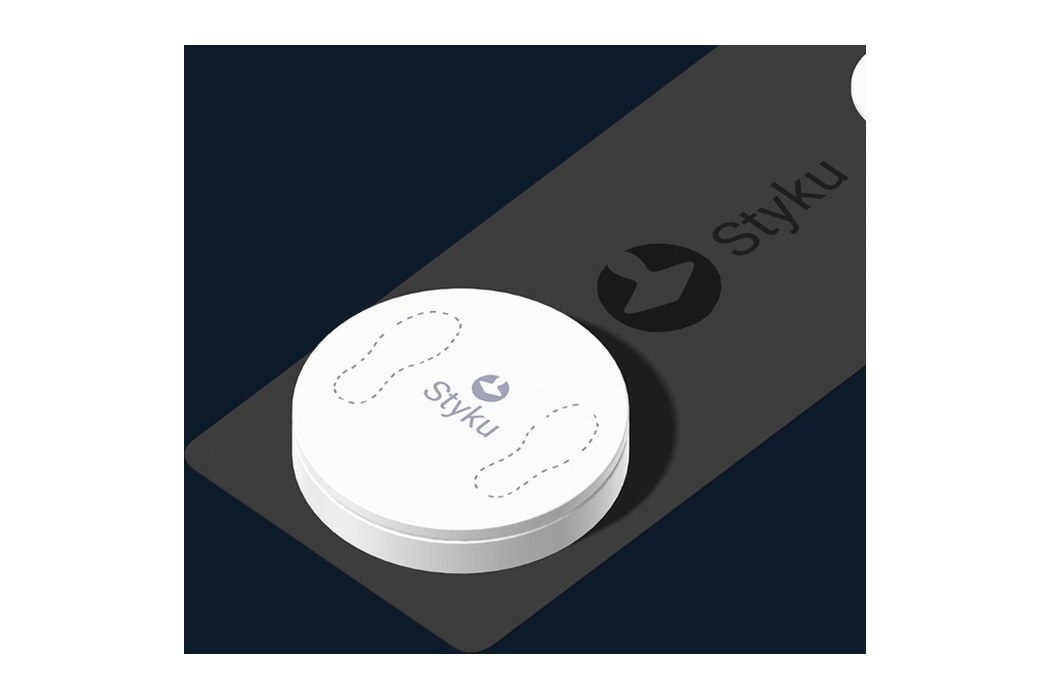
The Scale Lies. Styku Built a Spinning Camera That Doesn't.
A physicist who once worked on NASA's human spaceflight program bet that people quit diets because a bathroom scale can't show progress. His answer: a rotating infrared camera that turns your body into data - and, lately, a health screen.

How Neurosoft Plans to Read Your Brain Without Cutting Into It
Neurosoft Bioelectronics built a stretchable brain interface up to 100,000 times softer than the metal grids surgeons use today - and put a 64-channel version on the cortex of epilepsy patients. Here is how an EPFL lab experiment became a $20 million bet on reading the brain without carving into it.

The Startup Teaching Ventilator Patients to Breathe on Their Own Again
Every long stint on a ventilator quietly weakens the one muscle you need to breathe. XN Health's Phlex device stimulates the phrenic nerve through the breathing tube to keep the diaphragm working - and get patients off the machine sooner.

The Next Health Wearable May Be Hiding in Your Mouth
Lura Health is building a sensor small enough to disappear inside a retainer - and ambitious enough to turn saliva into a continuous stream of health data.