medical-devices
(160)
Rick Green Makes Complicated Technology Make Sense
Across medical robotics, life science, pharmacy automation and patient-engagement software, Rick Green has kept returning to the same deceptively hard assignment: turn an intricate system into a story people can use.
Garrett Schwab Is Building for the Long Wait Between Idea and Impact
The XII Medical CEO has spent a career in the unglamorous middle of medical invention - where patents, payment, teams and patient access must eventually agree.
Michael Favet Keeps Choosing the Hard Part of Medtech
After helping take NeuroPace public, the engineer-turned-operator returned to a small clinical-stage company. His career makes a case for learning every room before taking the corner office.
Justin Chickles Is Building a Biotech on the Art of Removing Friction
After more than 25 years moving between large healthcare companies and lean startups, the Glycyx CEO has learned that biotech progress often depends on a less glamorous skill: turning a complicated premise into the next clear, fundable step.
Kabir Gulati Is Betting Hospital Readiness Can Come in a Box
After 16 years turning clinical problems into products, Kabir Gulati has taken the CEO seat at Carecubes. His new assignment is unusually tangible: help hospitals add isolation capacity without waiting for a building project.
Liu Jianqiang Built a Company Around the Part Nobody Sees
Before an X-ray becomes an image, a detector has to catch what passes through. Liu Jianqiang made that overlooked layer the center of a 19-year engineering company.
Priya Abani Learned BASIC at 12. She Has Been Scaling Complex Systems Ever Since.
Before she ran AliveCor, Priya Abani wrote validation tools for microprocessors and helped Alexa escape the Echo. Her career is a study in one portable skill: making complicated technology useful to ordinary people.
James Blaha Turned a VR Prototype Into a Decade-Long Company
A programmer entered eye care with a prototype, listened when clinicians dismantled his assumptions, and stayed long enough to turn an unusual VR experiment into research infrastructure.
Karun Naga Left Patent Law to Build What the Patents Promised
His route from Michigan engineering classrooms to a $130 million clinical-stage company is a study in useful detours, patient capital and the discipline to stop doing everything at once.
Nitin Salunke’s One-Risk-at-a-Time Playbook
The Supira Medical CEO built his career by translating biomechanics into products, then learned to run a startup by staging risk, keeping options open and making clinical data do the talking.
Ray Rahman Built a New Kind of Bond. Now He’s Teaching AI to See.
Before Kaliber Labs put computer vision inside the operating room, its founder helped turn millions of tiny loans into a AAA-rated security. Ray Rahman’s career is a study in making scattered signals legible - then useful.
Matthew Graybill Is Marketing the Space Between the Machines
After a dozen years moving from product marketing to corporate strategy, Matthew Graybill arrived at GE HealthCare with a deceptively difficult brief: make a vast cardiovascular portfolio feel like one connected idea.
Mary Beth Moynihan Built a Career by Working Backward
For nearly three decades at Boston Scientific, Mary Beth Moynihan has treated a career less like a ladder than a design problem: name the destination, map the missing experiences and make the next move count.

Hannah McKenney-Klepcha Is Building a Company Around the Data We Flush Away
The Starling CEO has spent her career turning overlooked routines into design briefs. Her wager is simple: the most useful health technology may be the one people barely notice using.
Anne Jensen Has Spent a Decade Turning Cell Motion Into Executive Momentum
She began by engineering ways to read rare cells in blood. At Cytovale, Anne Jensen has carried that same eye for signals from the research bench into the decisions that shape a growing diagnostics company.
Anthony Viscogliosi Has Spent 40 Years Turning Research Into Companies
Before Anthony Viscogliosi built medical-device companies, he built an information advantage. Four decades later, the analyst’s habit still shapes how he and his brothers buy, operate and sometimes buy back businesses.
Aparna Divaraniya Turned a Two-Day Science Sprint Into an Eight-Year Company
The scientist who avoided business classes built Oova by treating entrepreneurship like research: assemble the right people, measure what matters, and let the evidence sharpen the idea.

David Specht Waited for the Chips to Catch Up
A former Air Force pilot spent nearly two decades helping turn his father’s telescope insight into a new kind of ultrasound. The useful lesson is less about inspiration than patience: some ideas have to wait for computing power, regulators and the market to arrive.
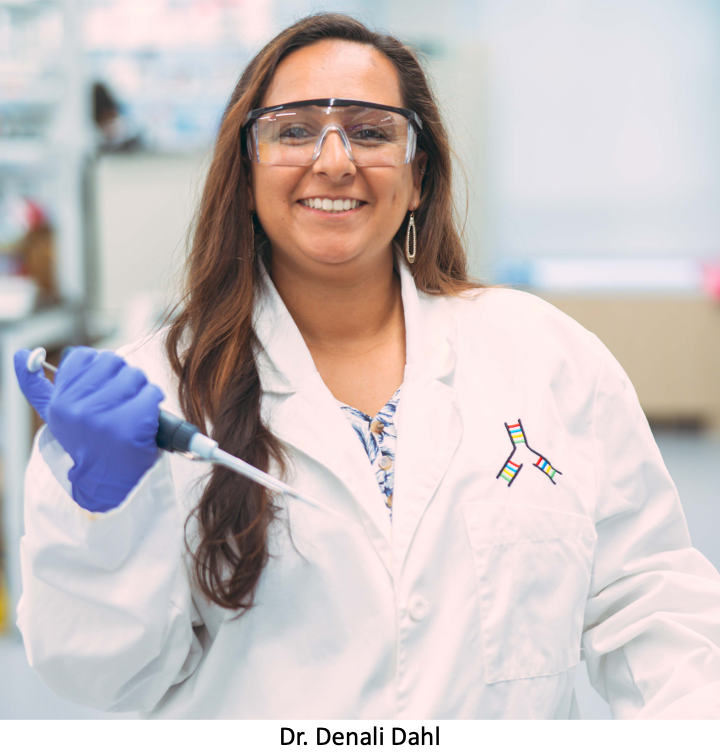
Denali Dahl Turned a Class Assignment Into a Company Built for the Hard Part
She never planned to run a business. Then a Duke project refused to remain a project, and Denali Dahl learned to translate laboratory precision into the stubborn work of building Kalia Health.
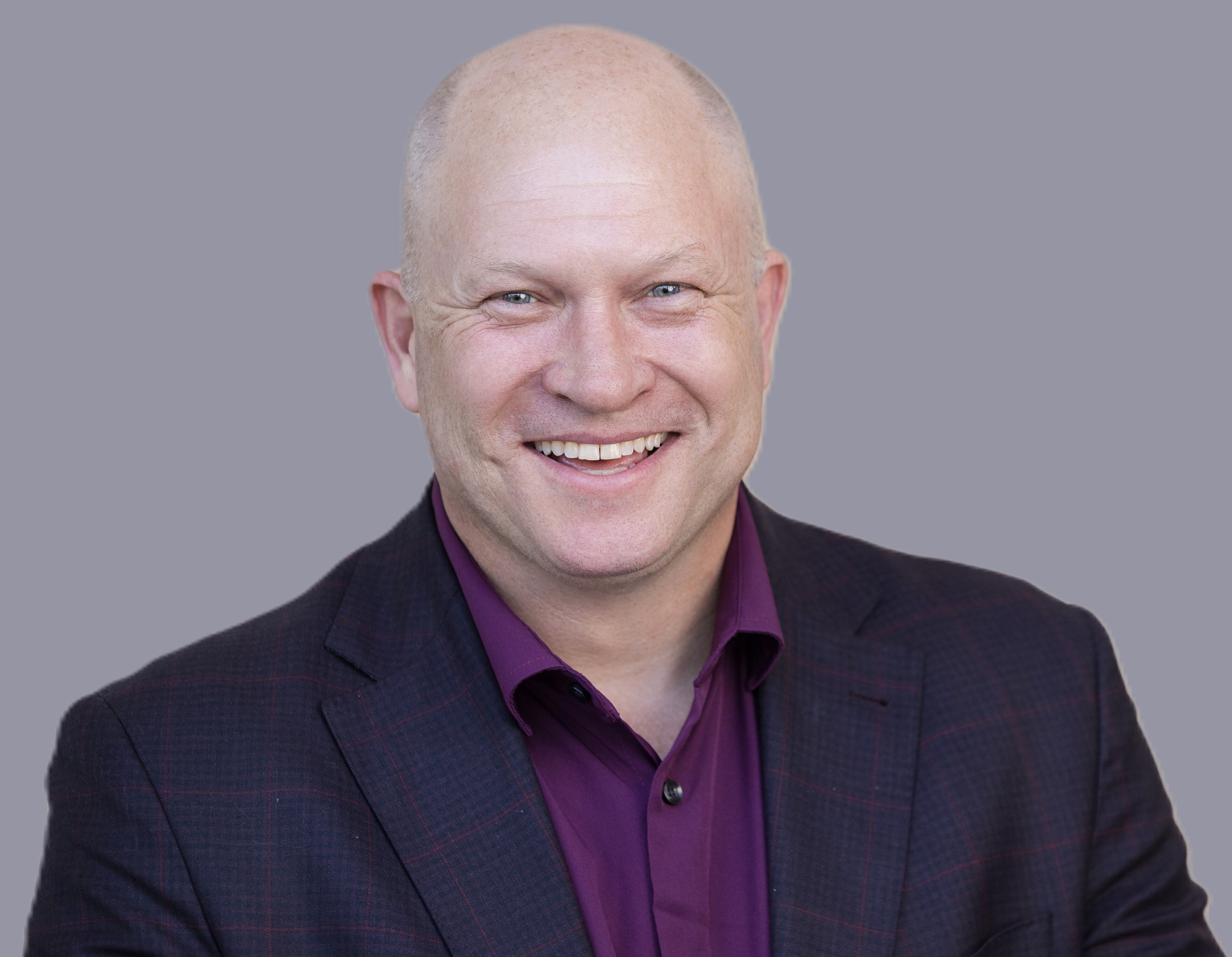
Eric Goslau Learned to Sell the Setback
A first-generation device, dozens of prototypes and a pandemic could have ended Transverse Medical. Eric Goslau turned each interruption into another design brief - and made resilience part of the product.
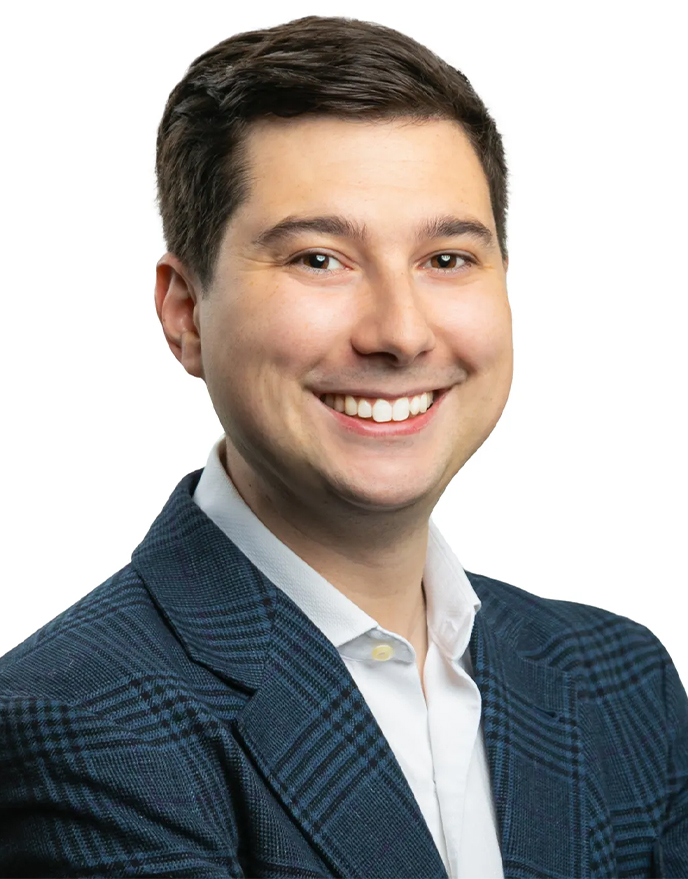
Joe Landolina Had the Viral Invention. Then Came the 15-Year Test.
At 17, he found a gel that behaved like a shortcut. Building Cresilon taught him there are no shortcuts in medical manufacturing - only experiments, reversals, and the discipline to keep going.
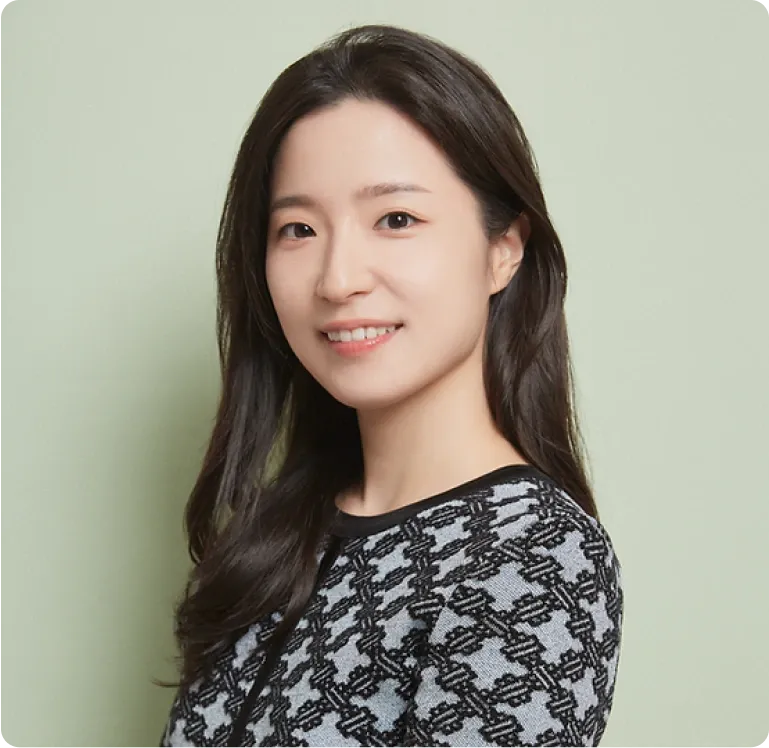
Yeaseul Park Is Turning a Lab Ritual Into a Pocket-Sized Habit
The Orange Biomed co-founder has spent five years translating single-cell science into something ordinary people might actually use - and learning that the hardest part of a tiny device is the enormous system around it.
Tim Willis Keeps Betting on the Space Between Blinks
He built TearScience from a treatment idea into a company acquired by Johnson & Johnson. Then the engineer returned to the same tiny surface with a new question: can an eye drop learn to stay put?
Elizabeth Jaworski Is Building Her Second Company Around the Muscle Everyone Forgets
A biochemist, a private pilot and a repeat founder, Ela Jaworski has spent her career crossing the awkward distance between a promising experiment and a product people can actually use.
Jon Bloom Learned to Build Care Before the Crisis
A physician left the operating room, found a team at an MIT hackathon, and spent the next decade turning a 20-second daily ritual into an argument for earlier, calmer care.
Wayne Meng Built the Device, Then Followed the Data
Before remote care became a category, Wayne Meng was already turning a handheld measurement into a connected service. His career is a study in patient iteration: manufacture the object, learn from the signal, then build the system around it.
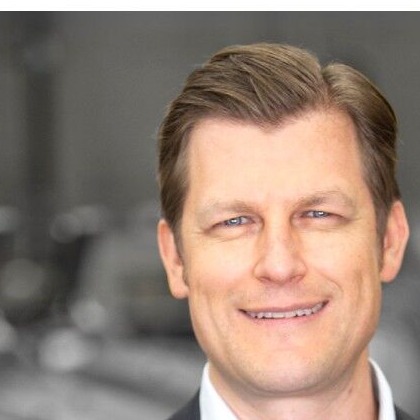
Peter Arn Learned to Make Growth Wait
The ROMTech co-founder built his playbook around unglamorous things: listening closely, testing early, raising patiently and knowing when more revenue is the wrong answer.
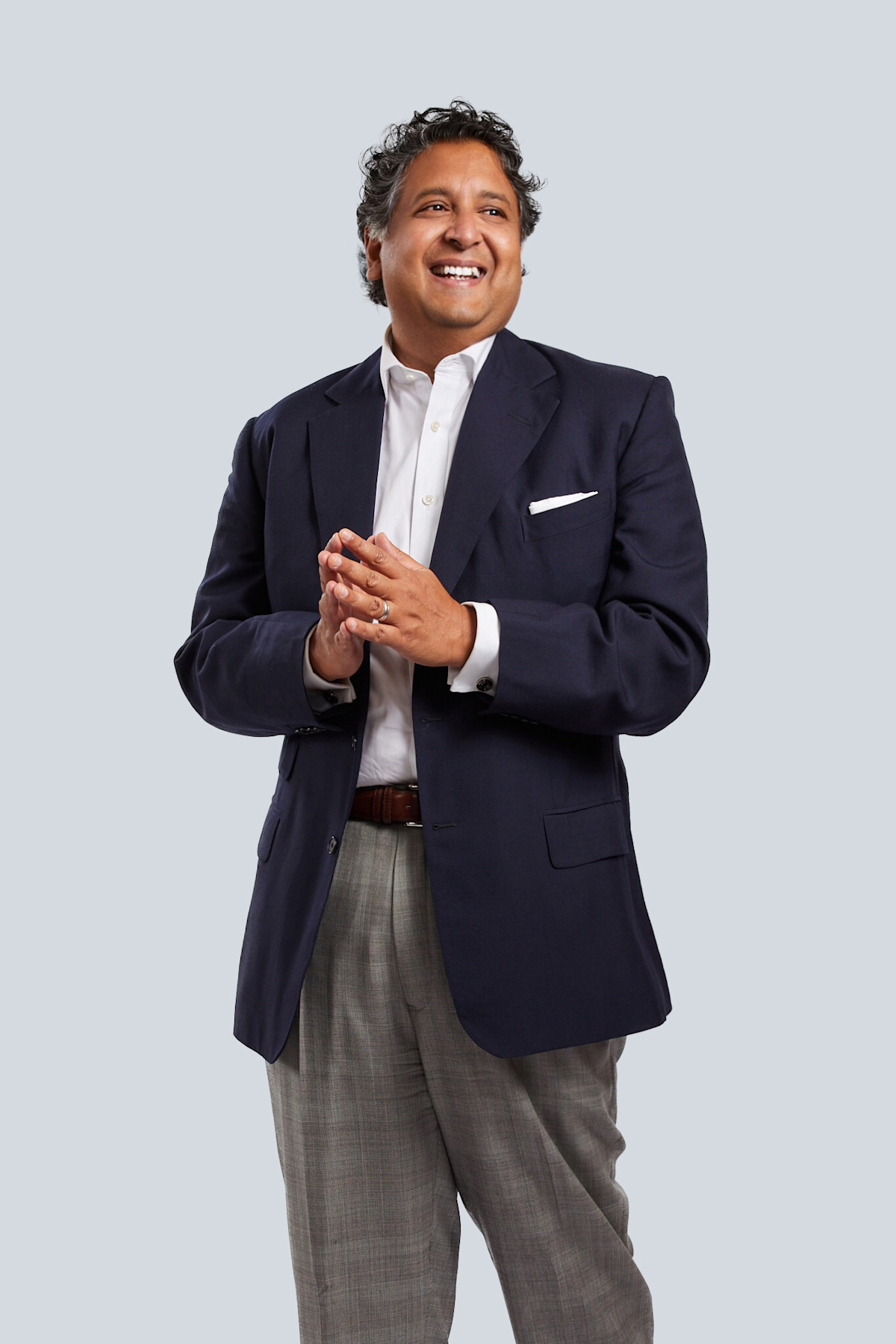
Sandeep Akkaraju Put Ultrasound on Silicon. The Bigger Idea Is Where It Can Go.
A backpacking year in West Africa gave a semiconductor entrepreneur a more demanding brief: build technology that travels. At Exo, Sandeep Akkaraju has spent a decade turning that conviction into a pocket-sized imaging system.
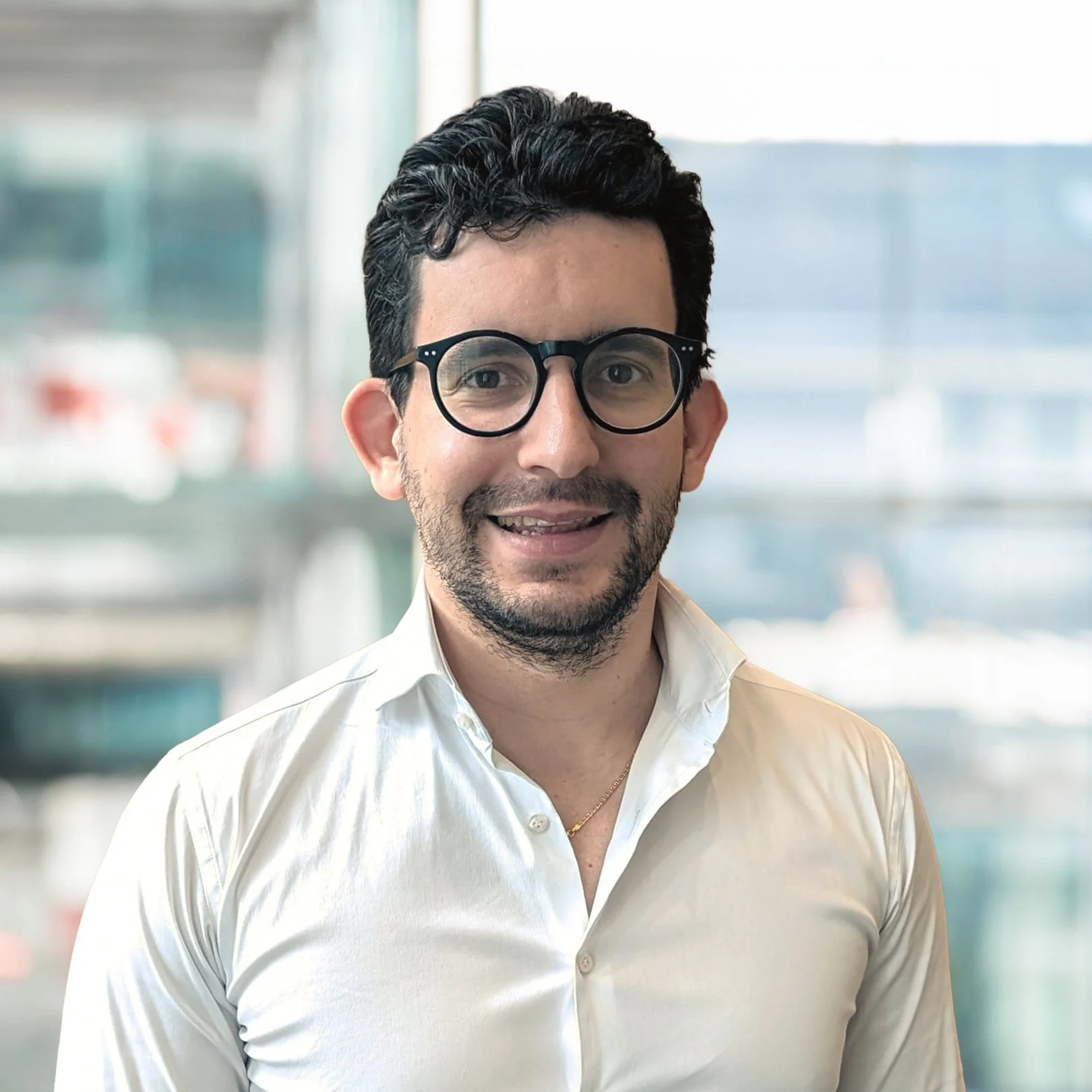
Nicolas Vachicouras Bet the Brain’s Next Interface Would Feel Less Like Hardware
He spent a decade making electrodes softer, thinner and easier to deploy. Now the Swiss engineer behind Neurosoft Bioelectronics is building a company around a deceptively simple idea: the best interface with the brain may be the one that behaves least like a machine.
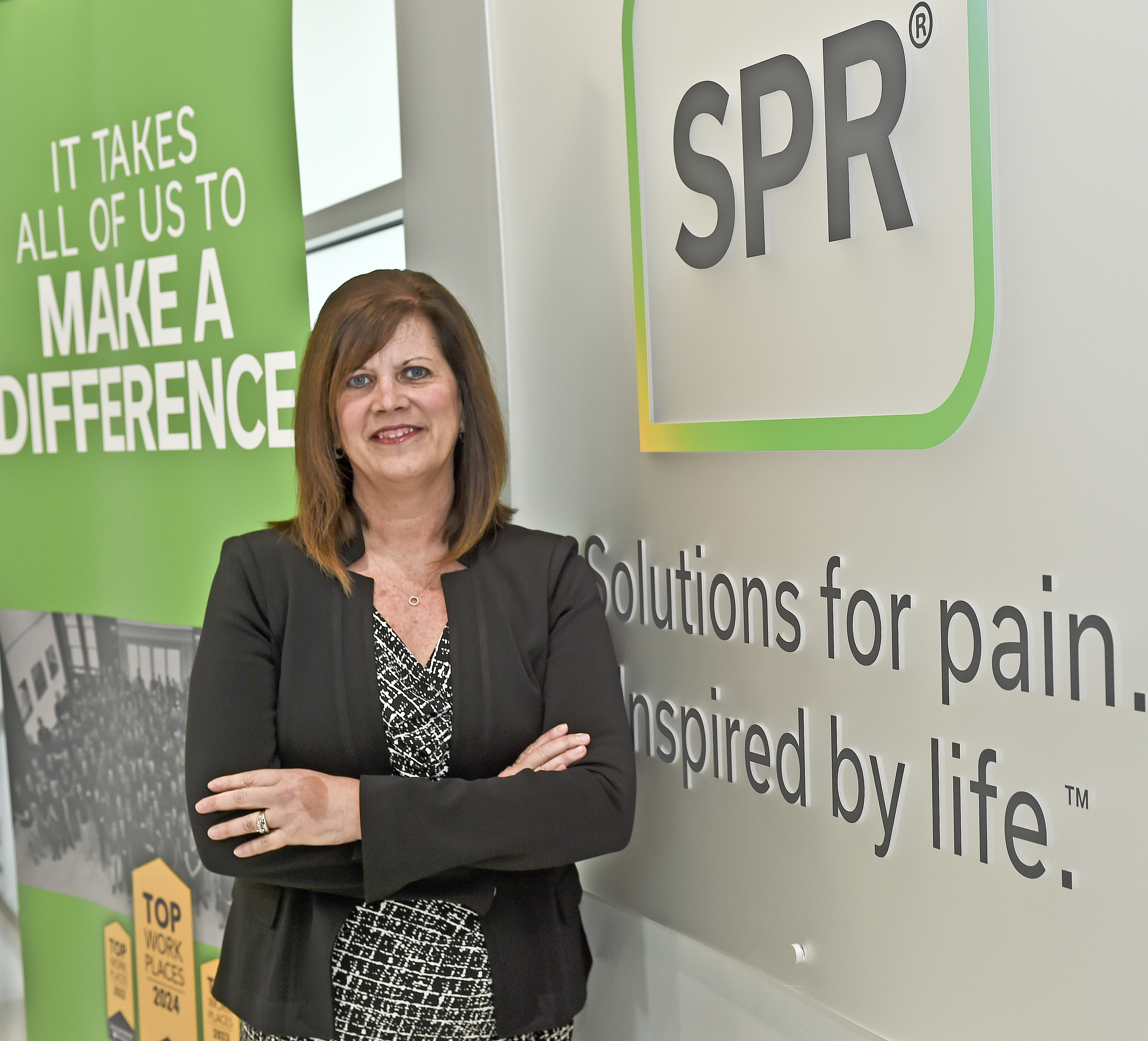
Maria Bennett Kept One Graduate-School Idea Alive for 28 Years. Then Came a $650 Million Exit.
A wheelchair project, a thesis, two acquired companies and one stubbornly durable question shaped Maria Bennett's route from an Indiana marching band to a Cleveland medtech exit.