food-manufacturing
(52)
kencko sells the smoothie that skips the freezer
A rotten-fruit problem became a shelf-stable food business. Now kencko’s real test is getting its little packets into everyday routines - and the right supermarket aisle.
Afia took a family recipe book into 4,000 stores
A Syrian family’s recipes became an American freezer-aisle business. The revealing part is what Afia chose to keep in its own hands: the food, the factory and the responsibility for both.
Banza made beans look like pasta. Then it let wheat back in.
A wine bottle, a stubborn recipe and an orange box helped Banza take chickpeas into the pasta aisle. Its next move asks a better question: how much does dinner really need to change?
Stone & Skillet found a business beneath the eggs
Boston chefs fussed over their eggs Benedict. Stone & Skillet noticed the bread underneath - and built a national English muffin business around it.
Spot & Tango made four months of dog food. It lasted four days.
UnKibble turned a freezer-space complaint into a pantry-friendly subscription. Then Spot & Tango had to learn how to make enough of it.
Kite Hill made the almond earn its place on the cheese counter
A chef, a cheesemaker and a biochemist set out to give dairy-free cheese a little culture. Their almond-milk experiment became a grocery brand - and its latest test is winning breakfast with protein.
Prime Roots bets the future of meat on the deli counter
Its founders made a salmon burger. Their customers wanted bacon. Now Prime Roots is growing fungi into deli meats - and betting that a familiar sandwich can sell an unfamiliar ingredient.

Urban Remedy’s secret ingredient is the grocery-store refrigerator
The organic food company turned a practitioner’s philosophy into a national grab-and-go business. Its hardest ingredient to manage was time.
Petit Pot and the Million-Dollar Question in a Little Glass Jar
A French pastry chef brought pot de crème to American grocery shelves. The harder trick was learning which parts of the French experience to keep - and which could cost a dollar less.

The Soup That Refused to Stay on the Shelf
Grocers would not take Nicole Centeno’s whole soup line. She found her customers online instead - then, a decade later, bought the manufacturing muscle to serve other food businesses.
Eatable Adventures wants foodtech to pass the factory test
A clever ingredient is only the beginning. Eatable Adventures combines startup investment, industrial trials and corporate matchmaking to get food innovation out of the lab and into business.
Innovate360 puts a factory behind the food startup
Born out of a Singapore sugar manufacturer, Innovate360 helps founders turn food experiments into products they can manufacture, distribute and sell. Its latest stop is the shop floor on Orchard Road.
Venda Ravioli sells dinner. The spoon has opinions.
A Providence pasta maker turned a neighborhood specialty into groceries, catering and gifts. Its next sale might be a tray of chicken Parmesan or an entire Italian night in a box.
SafetyChain Found Millions Hiding in the Factory's Most Boring Problem
Food plants do not usually lose money in one cinematic breakdown. They lose it a gram, a form and a late corrective action at a time. SafetyChain built a business by making those small failures visible while there is still time to fix them.
The Bakery Roll-Up That Refused to Taste Like One: How Dessert Holdings Turned Seven Local Legends Into a National Dessert Machine
Restaurants and grocers want desserts that look handmade, arrive reliably and require almost no labor. Dessert Holdings built a seven-brand answer - then bet that scale would not flatten the recipes people actually crave.
GOOD GOOD Sold the Stevia Machine - Then Built a Pantry Brand People Could Actually Crave
A looming inventory write-off forced an Icelandic sweetener startup to make jam in the kitchen. The rescue product became a 10,000-store U.S. business - and a surprisingly practical playbook for turning a dietary constraint into a grocery habit.
The Chocolate Maker That Burned Down, Then Went Sugar-Free
A five-alarm fire took Barchemy's main plant in 2022. Three years later the Donora, Pennsylvania ingredient shop runs three facilities, quietly supplies the chocolate inside better-for-you bars, and has private equity money behind it.
The Gluten-Free Pringles Problem Became a 20,000-Store Business
Matt Parry did not invent a new snack ritual. He rebuilt an old one for families reading the fine print - then carried it from Australia to Colorado and into more than 20,000 retail doors.
The 75-Year-Old Sweet Shop That Put Bakarwadi on an Assembly Line
Chitale Bandhu turned a Pune sweet counter into a packaged-food network by solving an unusually difficult problem: how to make a regional snack at industrial scale without making it taste anonymous.
Abuela's Carnitas, Ready in Five Minutes
Del Real Foods took the slow-cooked meats of a Michoacan kitchen, refused to add preservatives, and figured out how to sell them in the Costco cold case. In 2024 a Guatemalan food giant bought a controlling piece.
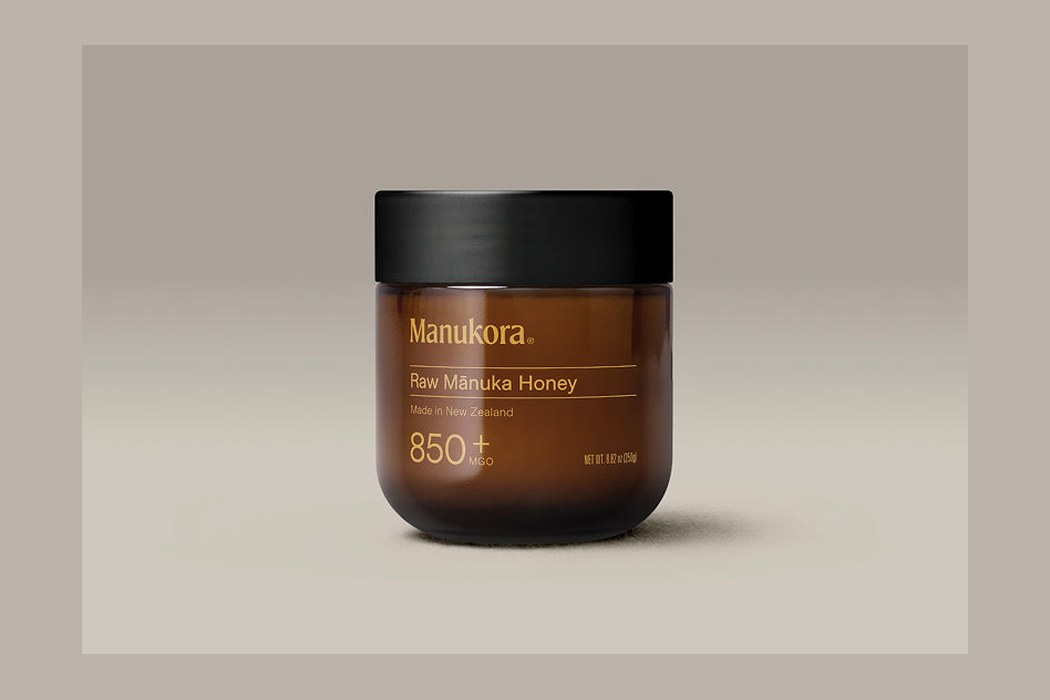
Manukora Turned a Spoonful of Honey Into a Daily Wellness Ritual
A New Zealand founder, a blind master beekeeper and a scannable jar built a premium food brand around one unusually potent spoonful. Now Manukora is stretching mānuka honey from pantry staple into wellness platform.

The Pet-Food Company That Turned a Sailor's Biscuit Into a Wellness Portfolio
A Gloucester bakery's hard-tack biscuit became the first crumb in a century-long pet-food story. Today, Wellness Pet Company is betting that premium nutrition, functional formulas and a daily dental chew can all belong in the same bowl.
White Castle Built the Fast-Food Playbook - Then Refused to Play the Franchise Game
The company that helped standardize fast food chose control over breakneck expansion. A century later, its small square burger travels through restaurants, freezer aisles, apps and now automated kiosks.
Hormel Built a $12 Billion Business Out of the Middle of the Grocery Store
The maker of SPAM now reaches 81 percent of U.S. households with a portfolio that runs from peanuts to pepperoni. Its real product is a system for putting familiar food almost everywhere people eat.
The €1.5 Billion Company Hiding Inside Your Dessert Case
IRCA Group does not sell the cake. It sells the confidence that the cake will rise, shine and taste the same on the thousandth batch - a century-old Italian formula now scaled across 19 factories and more than 7,000 products.
The Little Orange Tray That Turned Sweet Bread Into a National Ritual
King's Hawaiian did not win the bread aisle by behaving like ordinary bread. It turned a soft, sweet roll into a social object - one orange tray built for passing, pulling apart and showing up wherever people gather.
The Company Behind the Juice Label You Never Noticed
Lassonde sells Oasis, SunRype and Apple & Eve. Its quieter business is helping major retailers put their own names on juice, sauce and soup - a century-old factory skill now producing nearly C$3 billion in annual sales.
The $2.2 Billion Candy Machine Hiding in Plain Sight
Ferrara turned a Chicago almond shop into a global portfolio of 40-plus candy brands. Its real advantage is not nostalgia - it is a repeatable system for turning texture, retail data and old names into new growth.
How Ferrero Turned a Hazelnut Shortage Hack Into a $22 Billion Snack Empire
The family behind Nutella spent eight decades turning scarcity into a system: invent a distinctive product, control the details, and give it time to become a ritual. Now Ferrero is applying that playbook to everything from protein wafers to Froot Loops.
The Snack Empire You've Eaten From and Never Heard Of
How a bankrupt pretzel maker bought for $72,100 in 1971 became the quiet $1.58 billion supplier behind the ICEE at the ballpark, the Dippin' Dots at the fair and the pretzel in the freezer aisle.