A soup made in a pizza kitchen is an awkward thing to take seriously. In 2013, Nicole Centeno cooked vegan soups in a Greenpoint, Brooklyn, kitchen better known for pies. She carried them to Brooklyn Flea and Smorgasburg, and eventually to FreshDirect. The premise sounded modest: put a real serving of vegetables into a meal someone could eat between the other demands of a day. Modest premises have a habit of becoming expensive operations.
Centeno had trained as a chef and worked in research biology. She was also pregnant, employed at Condé Nast, and discovering that knowing what to eat did little to create the time to shop, chop and cook it. Splendid Spoon was founded around that gap between nutritional knowledge and a Tuesday schedule. Its customer need not be vegan. She or he simply needs lunch to happen without a committee meeting with the refrigerator.
The short version
- Splendid Spoon sells prepared plant-based smoothies, soups, bowls, noodles, oats and shots, largely by subscription.
- Repeated refusals from grocery buyers pushed the company toward online orders in 2015.
- Current single-meal prices on its ordering page run from $9.99 to $13.49; boxes start at six items.
- Its 2026 acquisition of Mosaic Foods added manufacturing and a new business customer: other food brands and restaurants.
The grocery aisle said no
The early business had a familiar ambition: place its soups on shelves. But a line of perishable soup takes up space, and grocers repeatedly declined to carry the whole range. In 2015, Centeno turned toward online ordering. A rejection by a middleman became a direct conversation with the eater.
That changed more than the sales channel. A supermarket buyer judges shelf velocity and limited refrigerator space. A subscriber can choose flavors, complain about them, request another category, and return next week. The company could see what people actually wanted. Its menu became a record of those requests: smoothies in 2017, grain bowls in 2019, then noodle bowls and wellness shots in 2020. The product was expanding from one virtuous soup into a set of meals for the working day.
The pivot did not make food logistics gentle. In a later interview, Centeno recalled a co-branded wholesale order shipped to Philadelphia. Beet soup burst in transit. It is a wonderfully literal picture of the difference between a promising recipe and a repeatable business. Packaging, temperature and delivery are part of the meal, whether a chef likes it or not.
“My problem was time (or lack thereof) to come up with recipes, finish the food shopping, and make the meals.”Nicole Centeno, founder
What a box actually buys
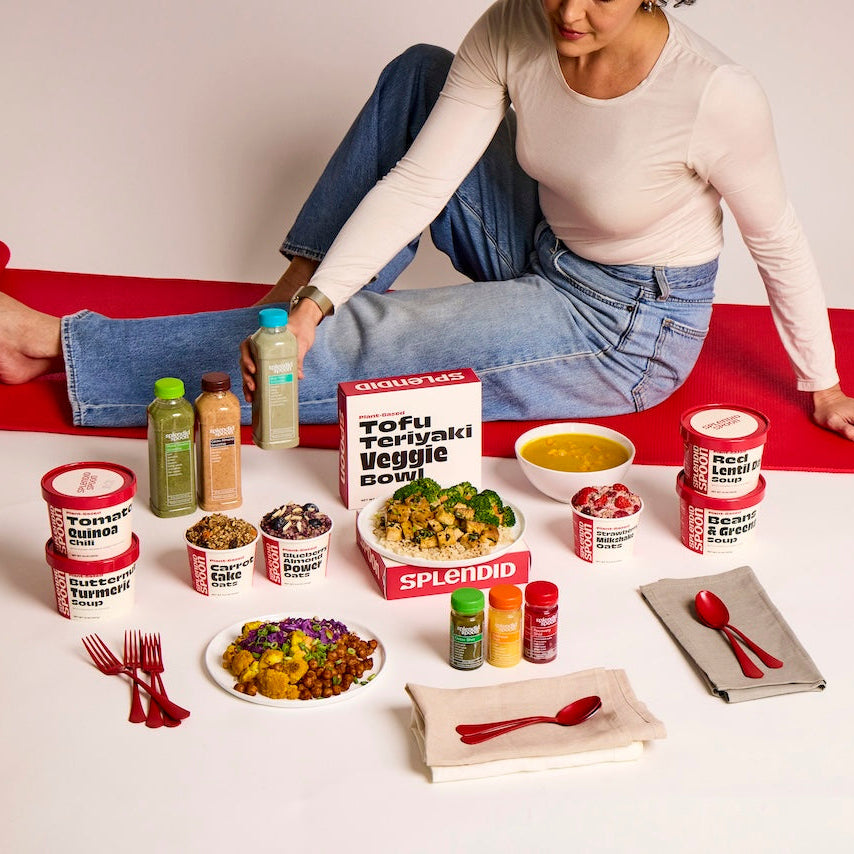
The current subscription asks customers to choose a box size, then pick from more than 50 meals on the ordering page. Plans start at six, twelve or eighteen items. Deliveries can be rescheduled, skipped or cancelled before the next edit deadline. Soups, noodles and dishes are stored frozen; smoothies and shots go in the refrigerator. Most of the cooking has already happened before the carton reaches the door.
The range spans breakfast drinks, oats, soups, grain and vegetable bowls, noodle dishes and small wellness shots. The company describes the food as plant-based, gluten-free and dairy-free, developed with chefs and nutritionists. Its five-day Detox is a separate, thirty-item package listed at $299. That program includes twenty-five meals and snacks, five shots and guidance built around an intermittent fasting schedule. It is a prescribed sequence; the subscription is the looser, choose-your-own arrangement.
A $9.99 smoothie is not a cheap banana. The comparison is with the breakfast it replaces, the time spent making it, or the takeout order placed after a day that went sideways. This is where Splendid Spoon fits in the market: prepared food for people who want more plants but lack the time or inclination to prepare every meal. Daily Harvest and other plant-focused delivery services chase many of the same people. Meal kits ask for cooking; Splendid Spoon’s pitch is that the knife work has already been done.
Its customers include busy parents and workers, vegans, and people who simply want a reliable vegetable-heavy option in the freezer. The company says it ships to almost all residences and businesses in the lower forty-eight states. It has not published a current customer count. The important unit of demand is smaller anyway: one lunch or breakfast that becomes easy enough to repeat.
A second customer appears
In February 2022, Splendid Spoon announced a $12 million Series B led by Nicoya, with Danone Manifesto Ventures, Torch Capital and several individual investors participating. Funding helped extend the brand. It did not erase a structural question: who makes the food when the menu grows, quality needs to stay consistent, and the operation wants to serve more than its own subscribers?
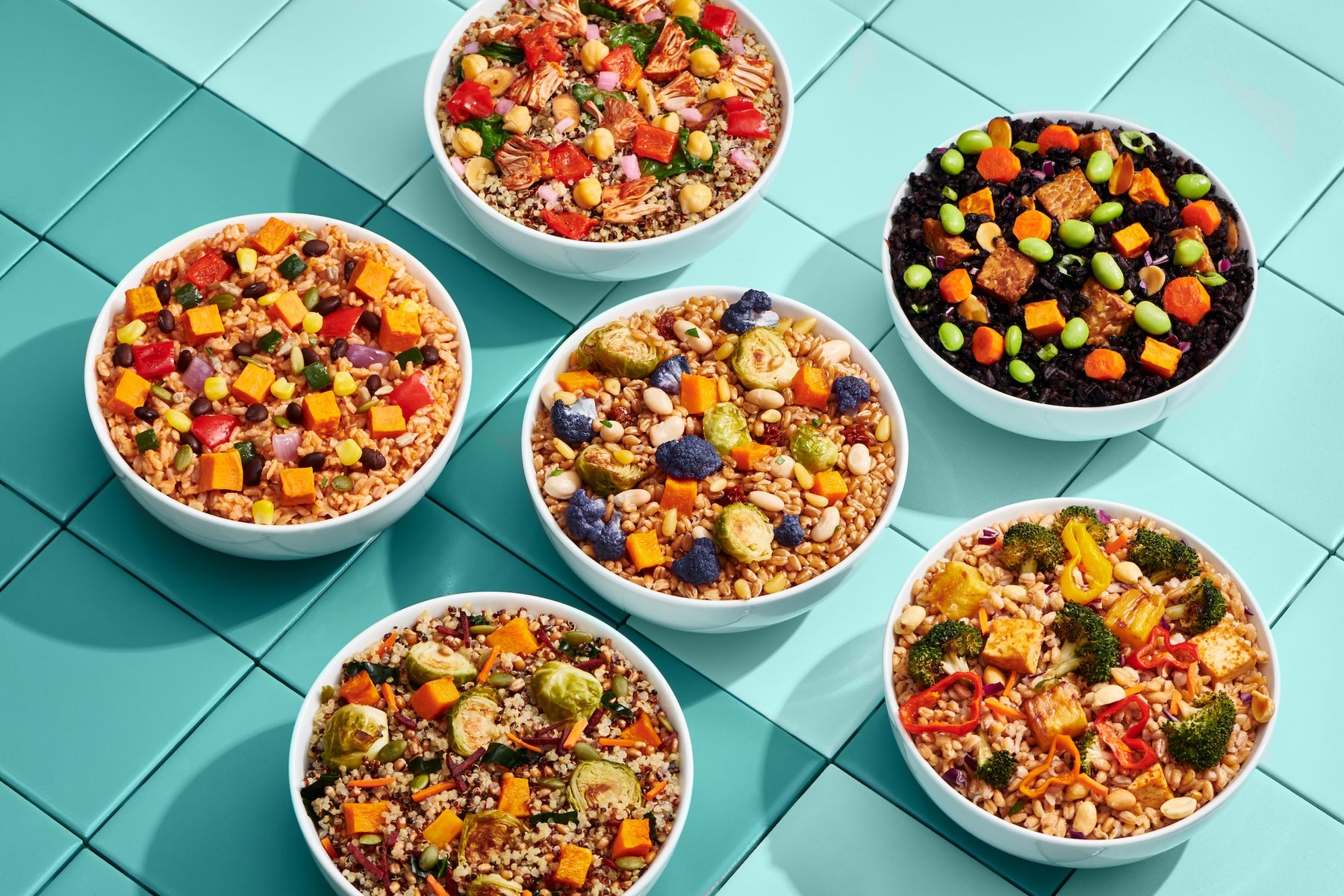
In January 2026, the company announced that it had acquired Mosaic Foods, alongside an undisclosed investment from Gather Ventures. Mosaic brought in-house commercialization and manufacturing in Woodland Park, New Jersey, roughly twenty miles from New York City. The combined company reported more than 200 plant-based and vegetarian meals, snacks and beverages across its portfolio, and more than $190 million in combined cumulative direct-to-consumer revenue. The latter is a total over time, not a current annual sales rate.
The acquisition creates a different kind of company. A household can still order a box. But a restaurant group, specialty food brand or private-label seller can now seek help developing and producing food. The company points to Le Botaniste, an organic restaurant group, as a customer of the combined operation. Mosaic’s own site added more than twenty Splendid Spoon items in July 2026. What had been two neighboring brands became a shared menu and production system.
The hard middle. Co-CEO Elise Densborn says manufacturing runs below 4,000 units are where a food maker learns whether quality can distinguish a product. The merger is a bet that this small-batch development skill has value beyond Splendid Spoon’s own boxes.
That point is less glamorous than a new smoothie flavor, and more consequential. Food startups can generate attention with a good recipe, but they must repeat the recipe, package it, ship it and absorb the surprises. Centeno’s exploding beet soup is the cautionary illustration. The combined business is trying to sell competence in that troublesome middle stretch, where a product stops being an experiment and starts needing a factory.
The useful part of the story
Centeno did not discover that consumers loved soup because a category report said so. At pop-ups, she watched people return for the vegan option. Grocers later supplied a harsher lesson: shelf space was scarce and their answer was no. The company took both signals seriously. It kept the plant-based premise, changed the route to the customer, then added products for the moments customers were already trying to solve.
There is a practice here that travels beyond food: test a small, repeated behavior before building an elaborate doctrine around it. Observe what people reorder. Treat a refusal from a distributor as information about distribution, not necessarily about demand. When the operation’s weak point shifts, change the operation. For Splendid Spoon, that meant direct sales first and manufacturing capability later.
It also has limits. A subscription needs enough repeat orders to cover expensive prepared food and shipping. A manufacturer needs enough volume and discipline to make consistent meals without sanding off what made them desirable. Splendid Spoon has reached a point where the original soup is almost a footnote, yet its question remains intact: can someone make good food the easy choice on an ordinary day? The answer now depends as much on a New Jersey production line as it once did on a Brooklyn pot.