The first thing better data did for Death Wish Coffee was deliver bad news. The fast-growing roaster was using SafetyChain to measure packaging waste and product giveaway. It discovered roughly 750 pounds of coffee leaving the plant each day as overpack - the tiny extra amount that slips into each bag because a filler runs generous. Tighten the target, save the coffee. Simple. Except tighter specifications pushed more packages outside the acceptable range, and rejected bag material climbed.
This is the useful version of a software story: measurement uncovers the leak, the first correction exposes another leak, and the work continues. Death Wish began tracking scrap on daily dashboards and adjusting the process. Its published case study says wasted bag prints fell from 500 to 120 a day, while the company reached a 99 percent compliance rate. The dashboard did not roast a bean or turn a wrench. It made variation visible soon enough for operators to act.
The product is a chain of custody for decisions
SafetyChain is vertical SaaS for food and beverage manufacturing. Its raw ingredients are deliberately mundane: digital forms, records, tasks, thresholds, alerts, approvals and dashboards. Put together, they cover food-safety programs, in-process quality, regulatory and customer compliance, corrective and preventive action, supplier documentation, statistical process control and production monitoring.
An operator can record a temperature, weight, pH reading or label check on a tablet, even where connectivity is poor. A missed check or out-of-range result can notify a supervisor and launch a corrective workflow. Quality staff can link evidence to the event. Management can compare lines or sites. An auditor can receive restricted access to the relevant record without being invited into the entire system. Supplier teams can stop chasing certificates through inboxes and let vendors upload them into a portal that tracks expiration dates.
That sequence explains the company's distinction from a generic quality-management system or an isolated factory dashboard. SafetyChain tries to join the record to the response. Its production layer tracks downtime, throughput, yield, scrap and overall equipment effectiveness. Its quality layer adds HACCP controls, inspections and SPC. Its supplier layer adds documents, approvals, risk views and supplier corrective-action requests. The company has also built APIs, a Power BI connector and a no-code connector for Inductive Automation's Ignition platform, so machine tags can trigger quality records and action rather than dying on an alarm screen.
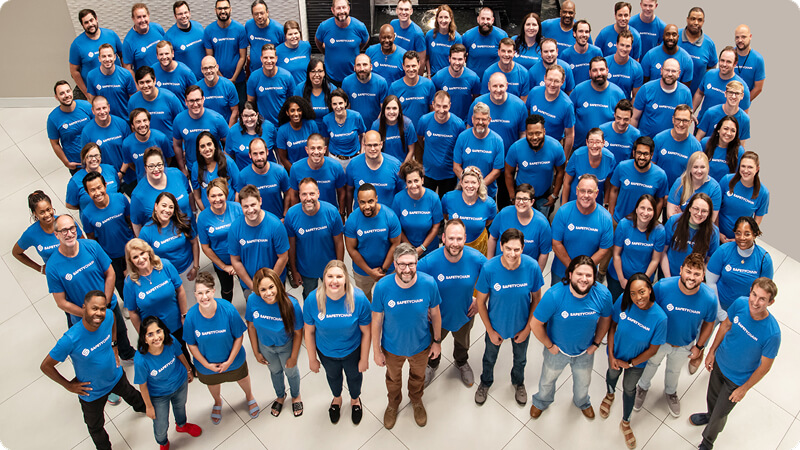
It began with compliance. Then the factory got bigger.
Founded in 2011 by Barry Maxon and Walter Smith, SafetyChain first attacked an industry still leaning on paper food-safety and quality records. The early product family spoke the language of the market: HACCP, GFSI, audit management, supplier compliance and mobile FSQA. In 2016 the company acquired Vigilistics, a specialist in manufacturing intelligence and automated plant-floor data. That deal helps explain today's broader pitch. SafetyChain no longer wants to be the digital binder in the quality office. It wants to be the shared operating layer among quality, production, maintenance, suppliers and executives.
JMI Equity supplied a $50 million minority growth investment in October 2021. Co-founder Maxon said the original aim was to give manufacturers one cloud platform for yield, productivity and compliance. Dean Brown became chief executive in January 2024, with Maxon remaining on the board. SafetyChain now says it serves more than 2,500 facilities, from a 32-person coffee company in the published Death Wish case study to recognizable manufacturers such as Tyson Foods, Freshpet, Blue Bell Creameries, Westrock Coffee, Weaver Popcorn and Rosina Food Products.
What changed Rosina's mind was a third plant
Rosina Food Products had two facilities running on paper and home-grown systems, plus plans for another. Retrieving records was slow, quality and yield analysis could be inaccurate, and updates moved unevenly among sites. The coming factory made the status quo feel less like tradition and more like a scaling problem. Yet management also understood the obvious failure mode: install unfamiliar software too quickly and the people doing the work route around it.
So Rosina mirrored its existing documents in the new digital forms. Operators saw recognizable fields instead of a consultant's fantasy of their job. Focus groups gave production staff a voice. A training manager supported the rollout. Paper and digital collection ran side by side for a month. Leaders watched incoming data for suspicious readings that could signal misunderstanding, then coached the relevant department or shift. The platform expanded gradually from quality and production into maintenance and other functions.
“Employees need to feel heard during an implementation.”Brian Marek · TQM System Specialist, Rosina Food Products
The third plant opened 80 percent paperless. Rosina later reported a 56 percent reduction in paper consumption and $10 million in savings. Those are customer-reported results, not a promise that software produces the same return everywhere. The more transferable result is behavioral: production could see what quality was doing, quality could see production, and both could react to the same record.
The Rosina playbook worth copying
- Start with one operational pain and define what better looks like.
- Recreate familiar forms before redesigning the work around them.
- Run old and new methods together long enough to build confidence.
- Watch the data for training failures, not only production failures.
- Expand by function and facility after frontline workers trust the record.
The bill is private. The pricing logic is public.
SafetyChain does not publish dollar prices. Essential, Advanced and Supplier packages are sold by custom quote as a monthly subscription per facility. There is a one-time setup fee tied to the number of on-site visits and the package scope. The company says ongoing support, users, documents, data storage and mobile devices do not carry additional usage charges. Its stated target is live data and initial value within six weeks.
Facility pricing is more than a line on a rate card. A plant-wide system becomes less useful if every operator, maintenance technician or supervisor requires another license approval. Unlimited users removes that tax on participation. It also makes the customer decision heavier: this is sold as operating infrastructure, not a five-dollar checklist app someone can expense and forget.
The alternatives range from MasterControl and QT9 QMS to food-industry products such as TraceGains and Safefood 360°, plus general inspection tools and the stubbornly effective trio of paper, spreadsheets and home-grown databases. ERP, MES, lab, warehouse and SCADA systems overlap with parts of the job. SafetyChain's wager is that food-specific execution across those boundaries is valuable enough to deserve its own layer.
Where the neat diagram stops working
This approach is strongest where regulated checks repeat across many shifts, suppliers or facilities; small changes in yield have material value; and audit evidence must be produced quickly. It is weaker for a tiny operator with simple processes and little integration need. A custom-quoted facility subscription, on-site kickoff and multi-week implementation may be more machinery than such a business needs.
It also fails when leaders buy visibility but avoid ownership. A digital form can preserve a bad process with better timestamps. An alert without a named responder becomes a faster kind of noise. A plant unwilling to standardize definitions will merely compare inconsistent numbers in higher resolution. Rosina's experience suggests the prerequisite is not technical sophistication. It is patience with training, respect for operator knowledge and the discipline to change the workflow when the data reveals an uncomfortable truth.
SafetyChain's 2026 updates follow that logic. The company completed a SOC 2 Type 2 audit of security, availability and confidentiality controls. It expanded CAPA dashboards, supplier corrective actions and restricted external views. New document and attachment APIs, plus an updated Power BI connector, move evidence among the systems manufacturers already own. In August it formed a customer advisory board with senior leaders from OSI Group, SK Food Group, Tyson Foods, Wayne-Sanderson Farms and Mastronardi Produce. The product roadmap is being pulled closer to the people who live with the consequences.
There is nothing glamorous about an expired supplier certificate, an overweight coffee bag or a temperature check trapped in a binder. That is precisely the opportunity. SafetyChain makes money by treating tiny, repetitive records as the nervous system of a plant. When the system works, the audit is boring, the line drifts less, and the correction happens before anyone needs a crisis meeting.