The most interesting thing about Dessert Holdings is not dessert. It is the disappearing pastry chef. A restaurant can train someone to temper chocolate, build a mousse cake and cut 14 identical slices during a dinner rush. Or it can open a freezer, thaw a finished cake, add a flourish and sell consistency by the plate. Grocery stores face the same choice at a larger scale. The labor is scarce. The display still has to look abundant. The customer still expects the fork to meet real cream, fruit and chocolate - not an edible packing material.
Dessert Holdings lives inside that trade-off. Founded in St. Paul in 2016, the company owns seven specialist dessert makers: The Original Cakerie, Lawler's Desserts, Atlanta Cheesecake Company, Steven Charles, Dianne's Fine Desserts, Kenny's Great Pies and Willamette Valley Pie Company. It manufactures finished frozen products for retail bakeries, restaurant chains, independents, broadline distributors and private-label programs. The products arrive ready to thaw, display, slice or plate. What the operator is really buying is the skilled work it no longer has to perform.
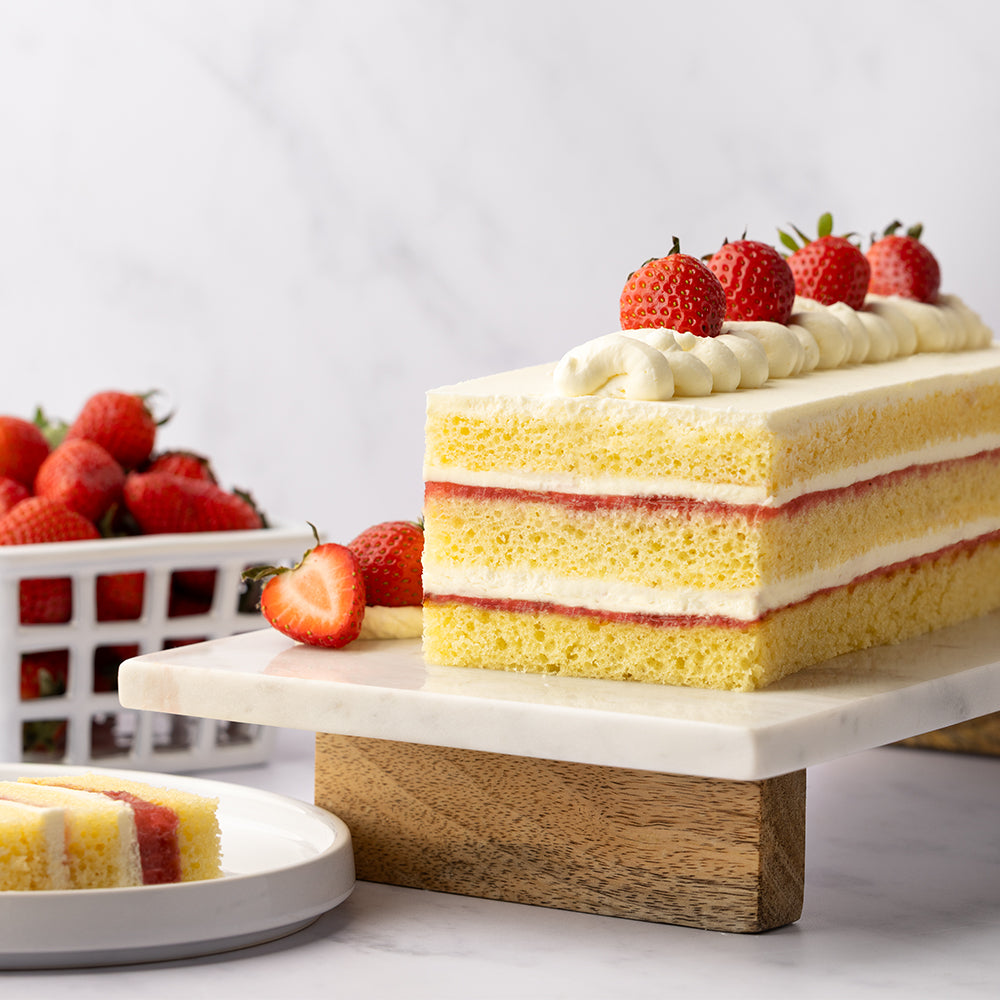
01 / The thesisA napkin, a freezer and an awkward contradiction
The company says its strategy was first scribbled on the back of a napkin in a downtown St. Paul Starbucks. The observation was simple: consumers were moving toward premium treats, recognizable ingredients and small moments of indulgence. At the same time, the businesses serving those consumers needed scale, safety and lower operating friction. A mass-market cake could solve the second problem and fail the first. A neighborhood baker could solve the first and struggle with the second.
Dessert Holdings' answer was not to invent one giant dessert brand. It assembled specialists. The Original Cakerie brought layered cakes. Lawler's brought dense cheesecakes. Atlanta Cheesecake Company brought retail samplers. Steven Charles brought bespoke bites, cookies, brownies and custom work. Dianne's brought broadline foodservice reach. Kenny's brought cream pies and fresh-squeezed Key lime credibility. Willamette Valley Pie brought fruit pies, cobblers and relationships with Oregon growers.
The sequence matters. This was capability collecting, not logo collecting. Each deal gave the sales team another answer when a buyer asked, “Can you also make this?” The portfolio now covers premium cakes, cheesecakes, brownies, bars, cookies, pies, minis, gluten-free products, seasonal items and prepackaged formats. A customer can commission a signature dessert, adapt one for a holiday, or fill an in-store bakery case without recruiting a pastry brigade.
02 / What actually changedThe factory moved backstage
Factory food normally advertises its compromise. Dessert Holdings tries to hide the machinery and display the craft. Its public language leans hard on real fruit, real whipped cream, couverture chocolate and scratch-made sponge. Behind that vocabulary sits the less photogenic advantage: BRC and SQF food-safety ratings, automated lines, strategic sourcing, multi-plant redundancy, integrated warehousing and frozen transportation.
That combination is the difference from a conventional local bakery and the defense against larger generalists. A local shop may beat it on intimacy. A broad frozen-food supplier may beat it on category breadth. Dessert Holdings is betting that dessert-only expertise plus manufacturing discipline is a useful middle. The company can speak to a pastry chef about crumb and mouthfeel, then speak to procurement about case packs, fill rates and labor saved.
The dessert machine - where the value moves
At Steven Charles, this operating model becomes visible. A 2022 trade profile described a 3,178-square-foot innovation studio, a monthly “Sugar Rush” tasting for executives and a 367,000-square-foot bakery running 23 hours a day. The company said its speed to market was three to four times faster than the wider food industry, with a higher success rate. The method was unromantic: identify production constraints before falling in love with the idea.
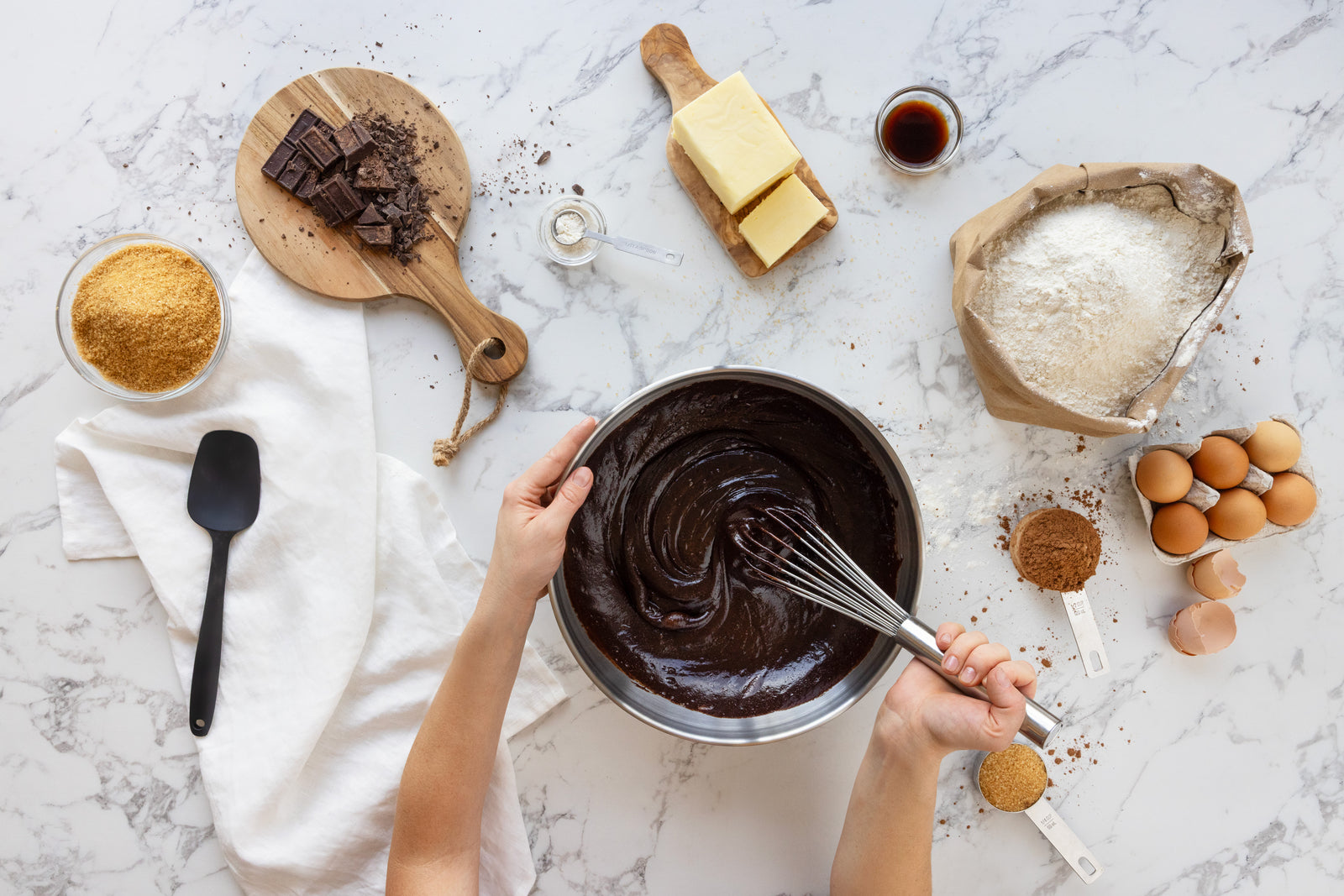
03 / The moneyA business that sells the last five minutes
Dessert Holdings is private, so it does not publish a clean income statement, valuation or acquisition prices. Bain Capital bought the platform from Gryphon Investors in 2021 for undisclosed terms, with Antares Capital leading debt financing. The four later acquisitions also kept their prices private. Anyone claiming to know precisely what the roll-up cost is decorating an empty plate.
The revenue logic, however, is plain. Dessert Holdings sells branded, bespoke and private-label goods to businesses. Frozen shelf life lets production happen centrally and service happen later. Finished products reduce prep time, specialized labor, ingredient waste and variation. Restaurants can create a signature plate with sauce, fruit or garnish; retailers can stock a bakery display that appears labor-intensive. The manufacturer captures value by doing the difficult work once, repeatably, instead of asking every outlet to do it badly.
Why an operator buys - relative importance, editorial assessment
Its customers are not one homogeneous buyer. Quick-service chains care about portability and speed. Full-service restaurants want a distinctive finish. Grocery and club stores want shelf appeal, packaging and reliable seasonal volume. Independent restaurants often reach the products through distributors. Non-commercial kitchens in healthcare or institutions want predictable portions and dietary options. One manufacturing platform can serve all of them, but only if product formats and sales support remain specific.
04 / What failed firstThe idea that one bakery could cover the whole case
There is no public confession of a catastrophic early failure. The acquisition trail tells a quieter story. The initial combination of The Original Cakerie and Lawler's provided cakes and cheesecakes, but not the full dessert case. Atlanta added retail samplers. Steven Charles added custom formats and faster innovation. Dianne's deepened foodservice. Kenny's filled the cream-pie gap. Willamette filled the fruit-pie gap and brought grower relationships. What changed the company's mind was not one fiasco; it was repeated evidence that customers valued a one-stop partner while dessert craft remained stubbornly specialized.
The pandemic tested that premise from the other direction. Foodservice demand became volatile, while retail and frozen formats mattered more. Dianne's owners later praised its team for navigating the pandemic while continuing operating improvements and menu development. Dessert Holdings bought the company in 2022. Diversified channels and plants were no longer tidy presentation-slide benefits. They were shock absorbers.
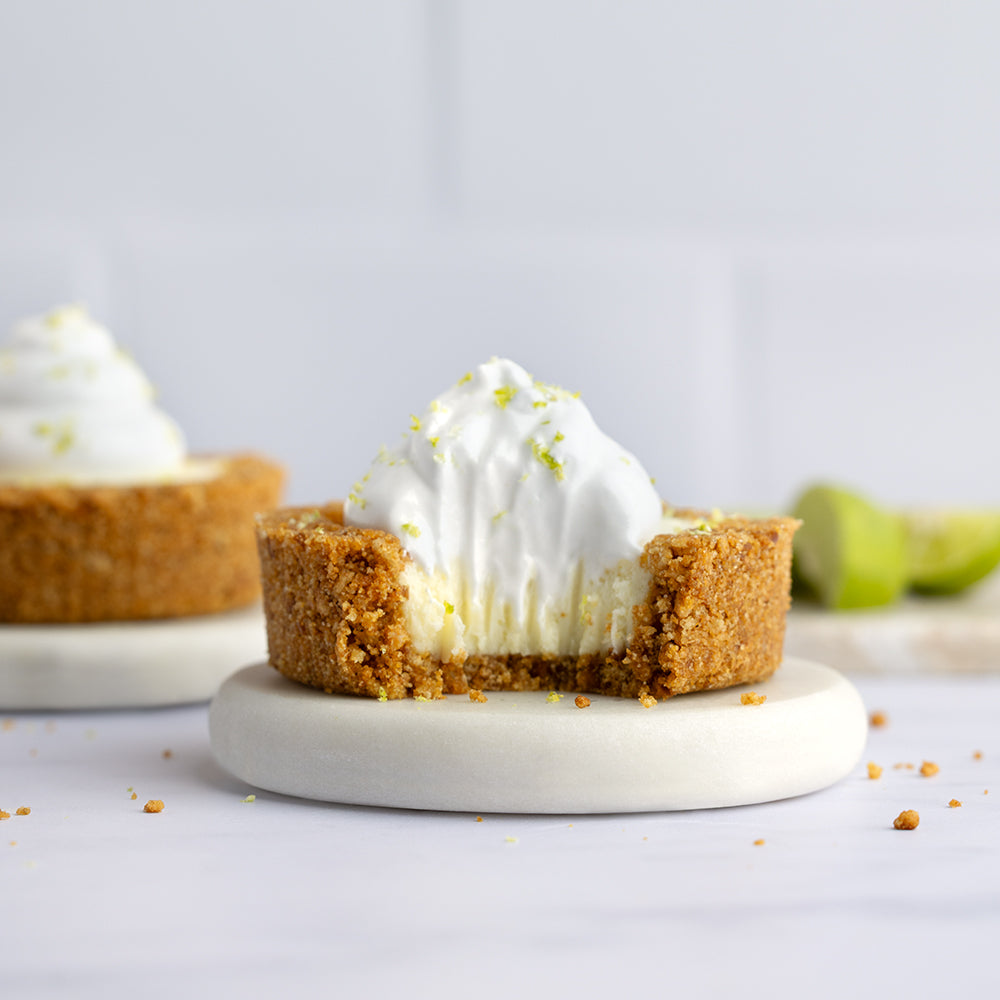
05 / The copyable bitStandardize the plumbing; protect the recipe
The lesson is useful beyond food. Roll-ups usually promise “synergy,” a word that often means the customer will notice fewer choices and the employee will notice more meetings. Dessert Holdings offers a better division of labor. Centralize what buyers do not romanticize: procurement leverage, certifications, production planning, data, capital equipment, cold storage and transport. Keep what makes the product legible: the Key lime recipe, the Marionberry story, the Colossal Cheesecake, the multi-layer cake and the people who know why a mousse behaves badly on a line.
The playbook worth stealing
- Buy a missing capability, not a duplicate revenue stream wearing a new logo.
- Turn customer friction - labor, waste, inconsistency - into the product brief.
- Expose manufacturing constraints during ideation, while changes are still cheap.
- Use shared infrastructure where it improves reliability, not where it erases distinction.
- Sell an outcome the customer can finish and personalize, not merely a frozen object.
This model does not work everywhere. It weakens when freezing damages the experience, when local freshness is the entire reason to buy, when the customer requires radical customization at tiny volume, or when cold-chain costs erase the labor savings. It also fails if integration turns founder knowledge into a corporate museum exhibit. A beautiful brand story cannot rescue a pie whose crust changed after procurement consolidated the butter.
The largest strategic risk is hiding inside the company's best phrase: “artisanal at scale.” Those words pull in opposite directions. Automation wants fewer variables. Pastry gets character from variables handled well. The next phase will depend on whether Dessert Holdings can keep adding plants, customers and brands without sanding down the very differences it bought.
06 / Where it landsA dessert company disguised as infrastructure
In the frozen bakery market, Dessert Holdings sits between global generalists such as Rich Products and Sara Lee Frozen Bakery, other scaled bakery platforms such as Rise Baking, and thousands of regional producers or in-house teams. Its claim is narrower and therefore easier to understand: premium finished desserts, multiple specialist brands, real-ingredient cues and enough manufacturing geography to make national programs plausible.
The 2025 acquisition of Willamette Valley Pie Company made the portfolio's logic unusually neat. The company now has a credible specialist across nearly every major plated or bakery-case dessert format. Willamette stayed under its existing management, as Kenny's had the year before. That continuity is part of the pitch to customers and sellers: join the network, keep the expertise, gain the distribution.
A roll-up is easy to draw and hard to taste. Dessert Holdings has spent a decade arguing that the corporate layer should make the slice more available, not more anonymous. The proof will not be in the next acquisition announcement. It will be in a diner taking one bite of a thawed cake, assuming somebody in the kitchen had a very long afternoon, and ordering it again.