A little black recipe book is an improbable piece of industrial equipment. It cannot freeze a chickpea, negotiate a grocery listing or keep a production line moving. Yet the book carried from Syria by Fadia, Farrah Moussallati Sibai’s mother-in-law, supplied something a factory could not invent: a reason for the food to exist. Afia began with those recipes. Its subsequent history is about giving them a much larger kitchen.
- Frozen Mediterranean food, from falafel and kibbeh to complete meals.
- More than 4,000 U.S. stores reported in February 2026.
- In-house manufacturing, with refugee employment woven into the mission.
The grocery shelf was the other starting point. Farrah wanted the Middle Eastern and Mediterranean foods her family knew, in a form that fitted American everyday life. She saw an opening. In 2017, she and her husband, Yassin Sibai, began selling at an Austin farmers market. Here was a familiar entrepreneurial arrangement: the family had something particular; the customer had somewhere else to be.
01 / A shortcut with a memory
Afia occupies the space between cooking from scratch and ordering dinner. Its falafel can become a wrap, a salad topping or a snack with hummus. Traditional, Garlic & Herb, Za’atar and Spicy Turmeric versions let the same basic food play several parts. Vegan and gluten-free, they also give a household with different preferences one useful ingredient to work around.
Convenience is measurable. Afia’s falafel instructions give an air-fryer time of eight to ten minutes, or 90 seconds in a microwave for five pieces. The food is sold frozen and needs heating. That is a modest proposition, and a persuasive one: keep something in the freezer that makes assembling dinner less of a committee meeting.
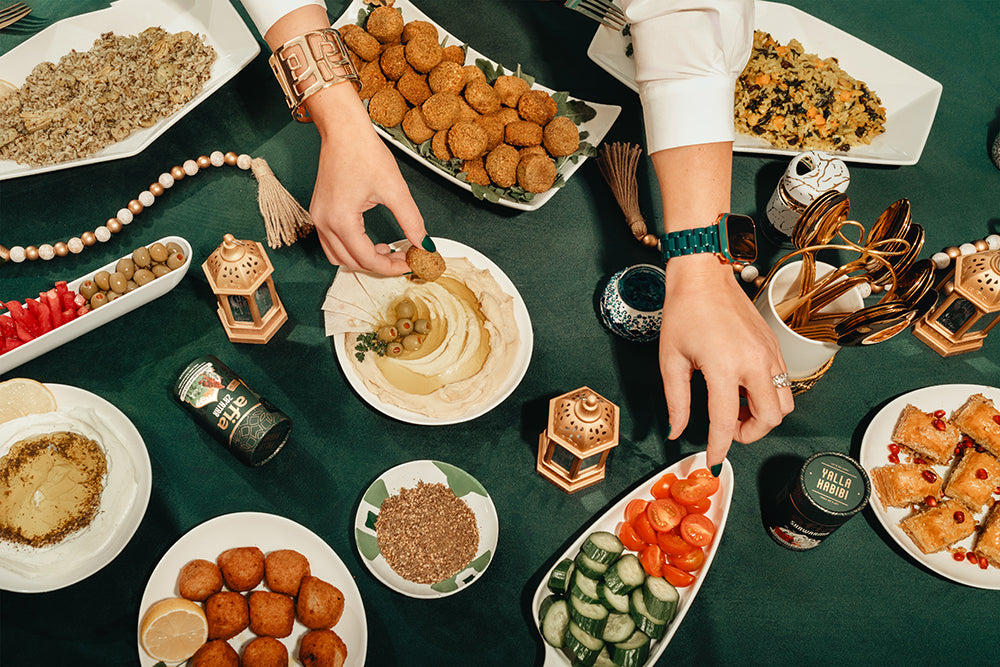
Kibbeh supplies another kind of shortcut. Afia’s beef croquettes have a crisp bulgur shell and halal meat inside. They belong to a different dietary category from the falafel, a distinction worth preserving when shopping. The company says kibbeh was its farmers-market bestseller. A product unfamiliar to some shoppers had already earned its place among people tasting it.
02 / The family kept the kitchen
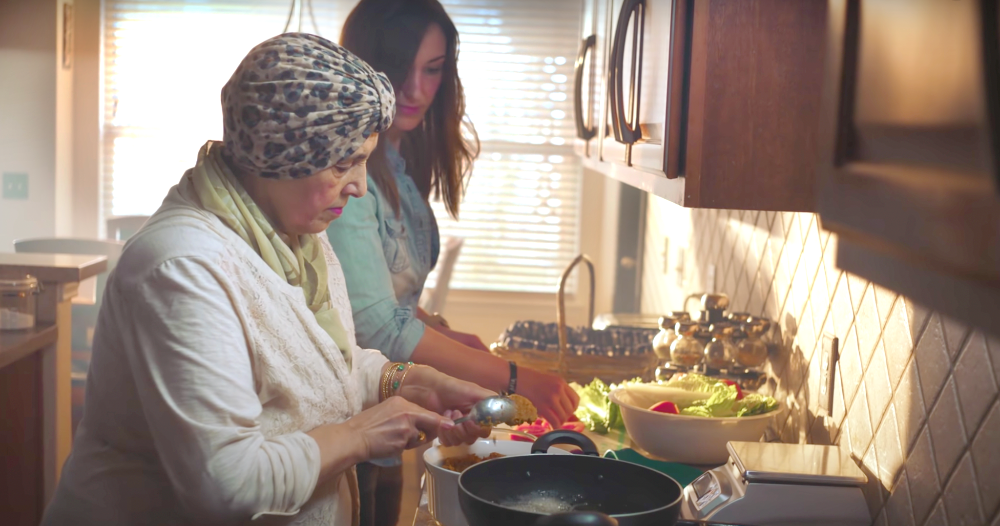
In a 2023 Taste Radio interview, the founders recalled starting with $20,000 and handmaking food in a commercial kitchen behind an Austin bar. Manufacturing their own products was part of the plan from the beginning. They wanted control over taste and consistency; finding someone equipped to make kibbeh would also have been difficult.
That choice helps explain Afia’s position. It sells a consumer brand while doing the less photogenic work of production. The expertise lies in translating recipes into food that can be made repeatedly, frozen, distributed and heated at home. The recipe gives the brand its identity. The process gives the shopper another bag that behaves like the last one.
H-E-B gave Afia an early route into Texas grocery stores. Sprouts followed as a national partner in 2021. In June 2022, Afia announced a Whole Foods rollout beginning that July at close to 400 stores. These relationships supplied access to shoppers far beyond anyone who might stroll past a farmers-market stall.
03 / Growth needed more floor
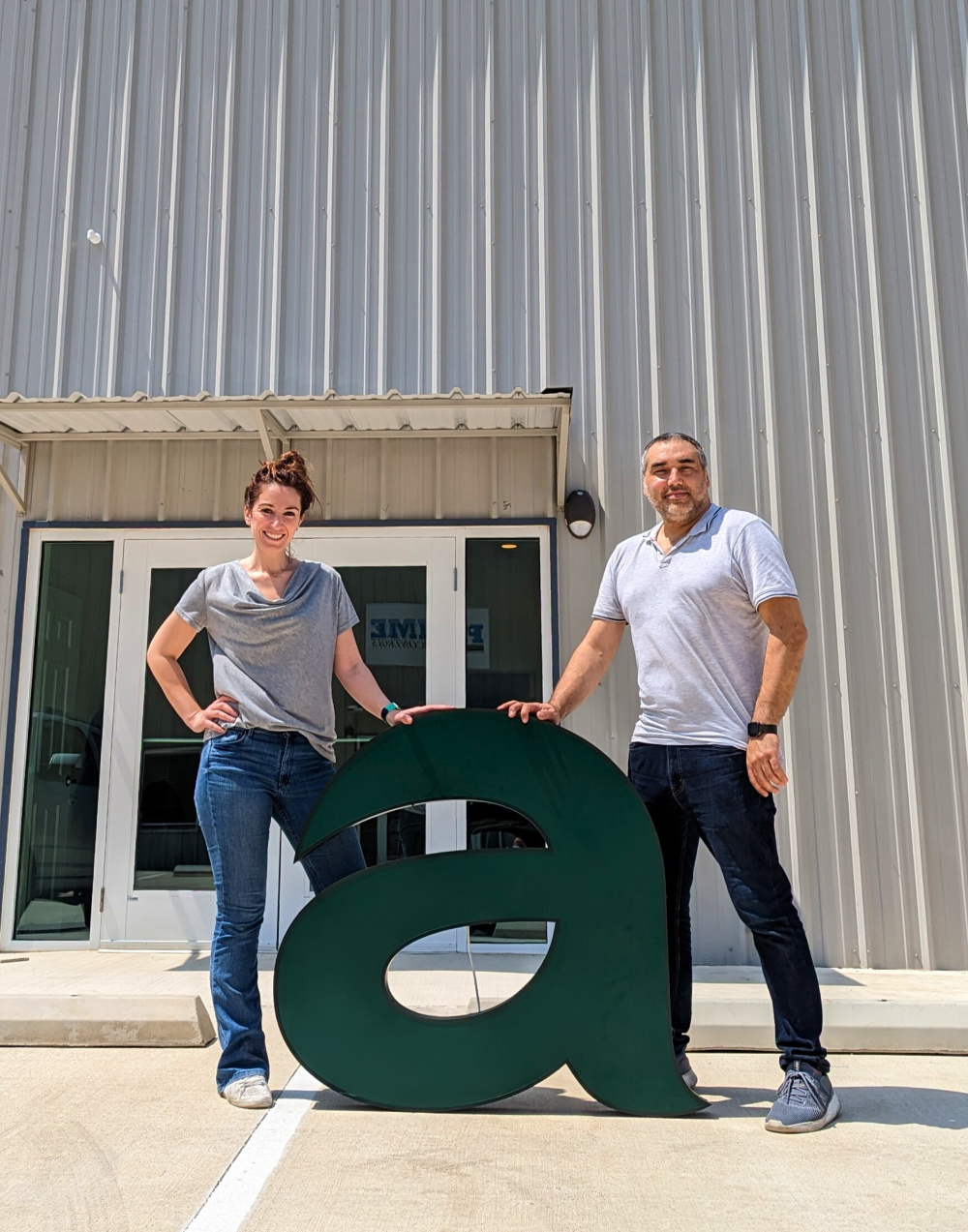
The difficulty arrived in square feet. Plans to replace a 5,000-square-foot facility with a 21,000-square-foot plant were delayed by pandemic supply-chain problems. Afia dropped most co-packing work to accommodate its own brand. When production moved to Taylor in September 2023, Nosh reported roughly 200,000 falafel a day, with capacity for 500,000.
4.2× the floor space. Area is not the same as output.
Capital helped finance the next stage. Afia announced $3 million in Series A equity financing in June 2023, naming investors including Embree Capital Markets Group and Semillero Partners. The announcement covered capacity, new products and wider availability. The factory was a means of delivering all three; it also brought overhead that needed productive work.
“In the conventional channel, price matters.”
Yassin Sibai · Nosh interview, 2023
There is a useful lesson here for another founder: test demand, then connect distribution ambitions to the machinery required to meet them. Owning production makes particular sense when the process is part of the product’s advantage. It becomes harder to justify when demand cannot keep equipment busy or the team lacks manufacturing expertise. A charming origin cannot pay an idle factory’s bills.
04 / The falafel becomes dinner
The next product made the original one do more work. Afia’s Mediterranean Falafel Bowls, introduced in 2023, turned falafel into complete grain-based meals. The Crispy Onion & Lentil bowl draws on mujadara; Zesty Artichoke & Quinoa takes inspiration from the family’s rice-and-beans dish, riz bi fool. These are recognisable meals with specific culinary parents.
The bowls address a different occasion from the pouch: lunch with very little assembly. Their vegan and gluten-free positioning gives Afia a place among plant-based frozen meals. Chicken meals widen the audience again, with halal Lemon Pepper, Harissa Honey and Garlic Sumac options. The competition includes other freezer meals, prepared grocery food, takeout and whatever ingredients happen to be waiting at home.
Afia also serves kitchens buying for many people. Its foodservice offering includes falafel pucks and dough, kibbeh and grain-based products, aimed at operators such as universities and restaurants. Consistency and reduced preparation matter there. The business earns through products sold across grocery, foodservice and online channels, with spices available directly from its website.
05 / A pantry beyond the freezer
In February 2026, Afia announced Shawarma and Kebab spice two-packs at selected Costco stores across five Western states, priced at $9.99. It reported more than 4,000 stores nationwide. That August, it reached No. 1,103 on the Inc. 5000, up from No. 2,697 in 2025. Inc. lists three-year growth of 317%.
Spices offer a different bargain: the customer does the cooking, while Afia supplies the seasoning. That makes the pantry line a useful companion to frozen meals. Both reduce a particular piece of kitchen work, without asking every customer to eat the same kind of dinner.
The family’s purpose has travelled alongside the products. Afia describes itself as majority female-operated and says it has donated more than 500,000 falafel and kibbeh since 2020, while supporting refugees through employment and education. A factory gives that commitment a practical setting: work can accompany welcome.
For the shopper, the application remains pleasingly ordinary. Find the right product, read its label, heat it and build a meal around it. For a business owner, Afia offers a more demanding example: preserve what makes the food particular while changing how people encounter it. The little black book survives, but it now has a production schedule.