experiential-marketing
(165)
The Agency That Learned to Sell the Poster Without Selling Out the Protest
Studio Number One turned Shepard Fairey’s inside-outside strategy into an agency: take the reach of commerce, add the urgency of a street poster, and make every surface carry the same idea.

The Wellness Agency That Learned to Sell the Argument, Not the Ice Bath
Jack Taylor built a PR business around a peculiar modern problem: a useful wellness product is often easier to invent than to explain. Its answer is part newsroom, part switchboard and part cultural timing exercise.
The Ad Empire Owned by the People Making the Ads
Project Worldwide has 13 agencies, 45 offices and no single P&L. Its wager is that specialists collaborate better when the people doing the work also own the place.

August Jackson Is in the Business of the Morning After
Most event agencies sell the night. August Jackson sells the weeks before it, the morning after it, and the organizational memory that remains when the stage comes down.
The Tractor Was Never Supposed to Leave the Block
Racepoint Global built its reputation translating technical machinery into human stories. Its most revealing campaign began with a tractor, a quarterback and a planned leak that the street beat them to.
The Agency That Learned to Sell the Unrepeatable
For nearly fifty years, Serino Coyne has marketed an awkward product: a live experience that disappears as it happens. Its answer is part poster studio, part media lab, and part box-office nerve center.
The Agency That Learned to Sell the Whole Conversation
DKC began with the old New York art of getting people talked about. Thirty-five years later, it sells something larger: the research, story, social post, live moment and search result that decide what the talking means.

WH inc. and the Strange Business of Being Liked
The Seattle agency has survived since 1969 by betting on a neglected part of marketing: the long, untidy stretch in which a customer decides whether a brand deserves to be chosen again.
The Brand Guild Built an Agency Around a Useful Disagreement
Barbara Martin believes in the power of no. Jayne Sandman tends to say yes. Their 16-year experiment suggests that a brand may need both instincts in the room.
The Ad Agency Built Like a Shopping List
Bastion did not grow by pretending one kind of creative person could do everything. It bought the missing pieces, kept the specialists close, and turned an ex-footballer's fascination with agency structure into a 400-plus-person independent network.

The Party Was Never the Product
Interluxe began by putting luxury customers in remarkable rooms. Then it built a company around the harder question: what happens after everyone goes home?

The Agency That Planted a Watch in a Cornfield
Rose built its reputation by making foreign brands legible in unfamiliar markets - sometimes with television, sometimes with influencers, and once with a 10,000-square-metre crop circle shaped like a Samsung watch.
The $500 Handshake That Outlived the Campaign
The Syndicate began with five music promoters and a recently shuttered employer. Its most revealing idea cost $500 per band - and became a 20-year lesson in how brands earn a place in culture instead of renting one.

The Agency That Gave Public Policy Better Lighting
Policy communication is usually built to survive a committee. NJI builds it to win attention - then gives the committee something it can actually use.
Newhouse Knows the Internet Still Wants Something It Can Touch
The New York agency’s best work begins with an object, a room, or a small piece of theater - then gives creators a reason to carry it far beyond the guest list.
The Beauty Agency That Makes a Product Launch Feel Like News
CMM does not sell lipstick or shampoo. It engineers the moment when everyone suddenly has a reason to talk about one.
The Publicists Who Built a Factory for Attention
LaForce began with the oldest trick in public relations - knowing whom to call. Then the audience moved, the channels multiplied, and the firm quietly built the rest of the machine.
The 17-Hour Advertising Agency
Day One Agency built a 185-person business around a small, inconvenient truth: on the internet, a good idea can expire before the meeting about the meeting. Its answer is part newsroom, part studio, and part paid group chat.

The Influencer Agency That Put the Whole Feed Under One Roof
The creator business grew up in pieces: agents here, media buyers there, events somewhere else. The Digital Dept. is Dolphin Entertainment's bet that the useful advantage is no longer another specialist - it is one room where all the specialists can actually talk.
The $100 Attention Machine That Grew Up
Small Girls PR began with less than $100, two founders who had never worked at a PR agency, and a willingness to wear prom dresses for a month. Fourteen years later, Orchestra bought the system behind the stunts.

The Ad Agency That Learned to Move a City
R&R Partners wrote four words that escaped advertising and entered the language. The more revealing trick is what happened next: the Las Vegas agency learned to treat campaigns as coalitions, cities as products and persuasion as infrastructure.
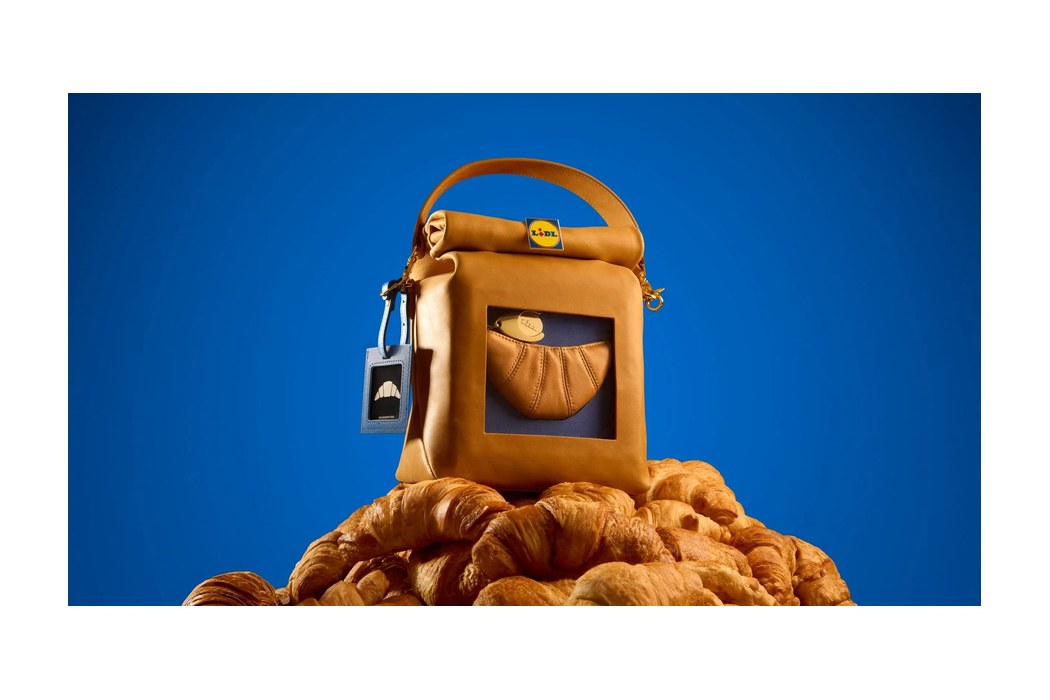
The Romans Put a Croissant in a Handbag - and PR Back in the Room
Most agencies pitch messages. The Romans prefers to make an object, stage an argument or borrow a town - anything that gives the public a story worth carrying on its own.

Latitude Gave Half Away. Then It Lost Almost Everything.
A Minneapolis creative agency made generosity a fixed cost of doing business. When the pandemic erased 90% of revenue in a week, the rule looked reckless - until it became the reason to rebuild.

The Car Agency That Learned to Sell Hot Dogs
Born inside the automotive orbit, INNOCEAN USA found its sharper story in hot dogs, invisible flags and an Amazon shopping cart. The trick was not leaving cars behind - it was learning how to make specialist knowledge travel.

The Rolodex That Learned to Scroll
Magrino began with a borrowed computer, a family loan and one unusually durable relationship. Thirty-four years later, the lesson is less about publicity than about knowing which parts of your reputation must change - and which must not.
The Grain of Rice That Gave Maruri Its Name Back
An Ecuadorian agency sold itself to a global network, bought itself back, then hid vacations and laptops on individual grains of rice. The odd little promotion explains the whole business.

The Agency That Starts Before the Ad
MarketVision built a business by noticing the moment before a campaign begins: when a frozen biscuit feels like guilt, insurance feels like homework, or public-health advice feels impossible to ask. Its answer is to listen first - and let culture change the brief.

The Ad Agency That Built a Five-Story Argument
Two Tango spent four decades learning that information rarely changes behavior on its own. Its best work gives an abstract fact a body, a place and just enough surprise to make people feel it.
The Publicist Who Made Quiet a Power Move
Becca Parrish turned a 1,500-person birthday party for The Odeon into a two-decade lesson in influence: be selective, build real relationships, and make the room matter more than the press release.

The Agency That Treats Fandom Like a Moving Target
MKTG built a business around a simple problem: fans refuse to sit still. Its answer combines research, rights strategy, creative work and the stubbornly physical craft of making an experience happen on time.