enterprise-ai
(527)
Sai Gundavelli and the value of what we keep
An enterprise search pitch met an awkward question: what data do we actually have? Sai Gundavelli has spent his career working through the answer, from corporate archives to the foundations of enterprise AI.

Gajen Kandiah and the work that begins after the demo
From a teenage arrival in America to leading Rackspace Technology, Gajen Kandiah has built a career around making new technology work inside existing businesses. His AI assignment puts that habit to the test.
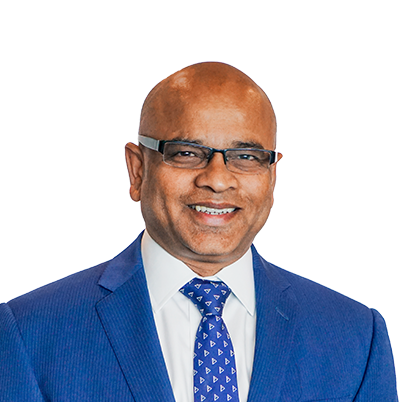
Sreedhar Veeramachaneni and the value of an open door
He built System Soft Technologies around the work of making enterprise technology useful. At Accelyst, Sreedhar Veeramachaneni is taking that same question into AI: who gets to understand, manage and trust the system?
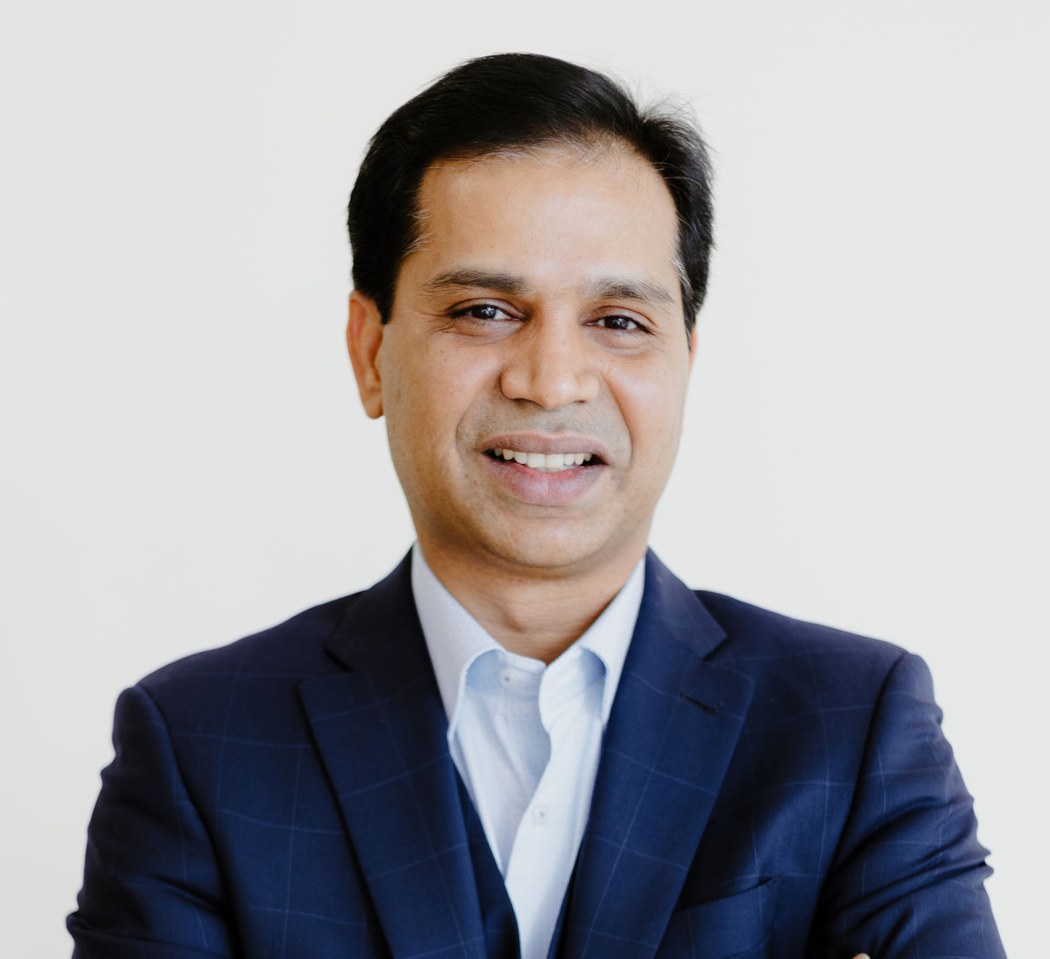
Krishna Kallakuri and the trouble with one more dashboard
An automotive executive wanted an answer. Krishna Kallakuri brought reports. The distance between the two became a career-long problem, from DataFactZ’s consulting work to Diwo’s decision software.
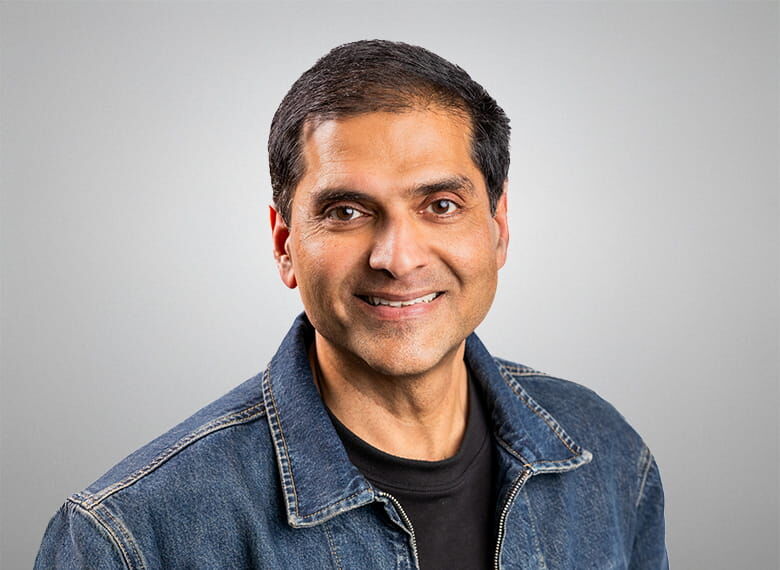
Rehan Jalil and the business of letting go safely
From mobile networks to cloud security to enterprise AI, Rehan Jalil keeps building for the moment a useful technology becomes difficult to control. His latest chapter at Veeam adds a practical requirement: a way to undo the mistakes.
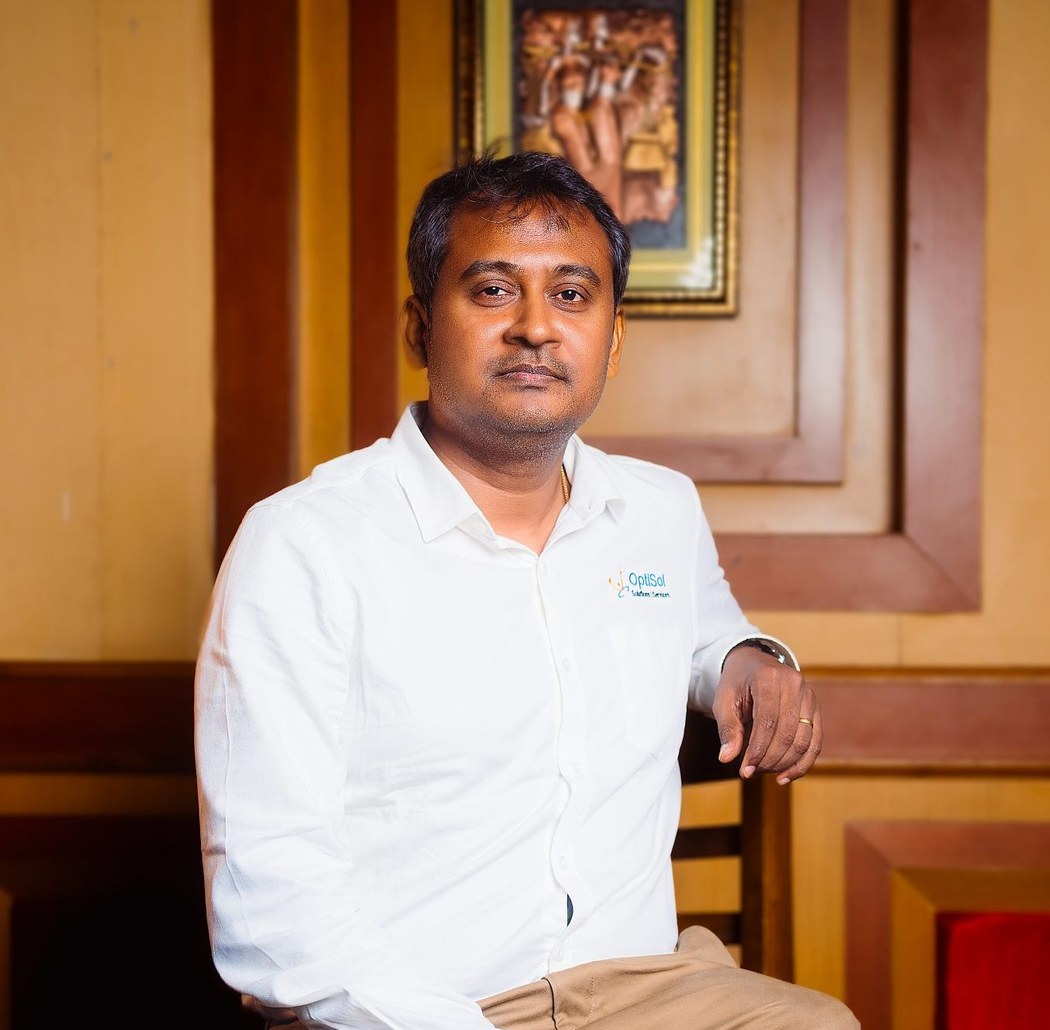
Karthik Murugian and the work before the breakthrough
A house used as a registered office. Friendships carried out of management school. For the OptiSol co-founder, the road to enterprise AI runs through the patient business of understanding people and their work.
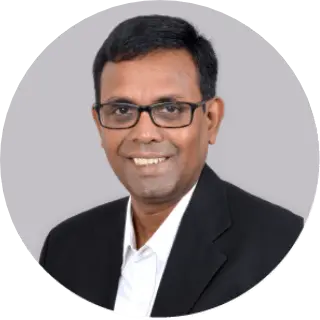
Karthik Karunakaran and the work before the breakthrough
Before Mobius, Karthik Karunakaran helped pay the bills by tutoring future managers. Two decades of working with untidy data later, he is asking AI a familiar question: can it do the job?
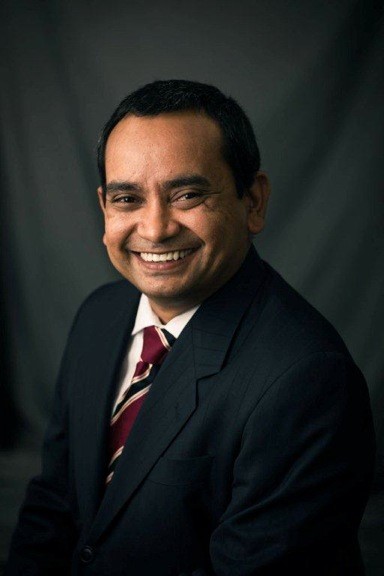
Krishna Srinivasan keeps returning to the classroom.
The ISGN founder built a business around the complicated life of a mortgage. His next chapters brought him back to a schoolteacher’s question: what does it take to understand something?

Lex Sisney and the trouble with getting bigger
He helped build Commission Junction by making internet commerce easier to measure. Then Lex Sisney turned to a harder question: why does a growing company become so difficult to run?
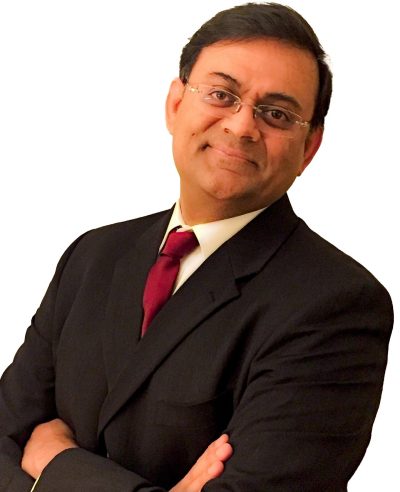
Amit Gautam and the problem with a perfect demo
From supply-chain analytics to generative AI, the Innover Digital co-founder keeps returning to a stubborn question: what happens after the presentation ends?
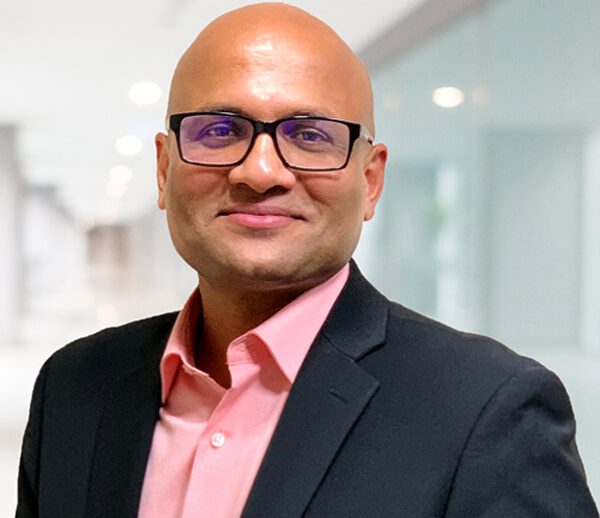
Anji Maram and the business of being asked back
His father saw a farm as a responsibility to forty families. Anji Maram carried that lesson into enterprise software, built CriticalRiver with his co-founder, and is now taking the same customer-first instincts into finance AI.
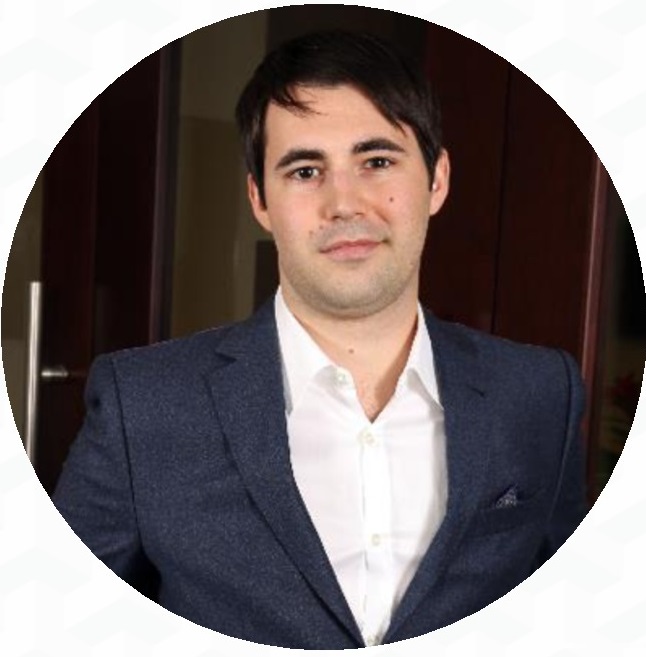
JP La Torre and the business of getting things to work
He built Caylent from a cloud deployment startup into a company of more than 360 people. Now, at Climb, JP La Torre is asking what happens when AI changes the business of consulting itself.
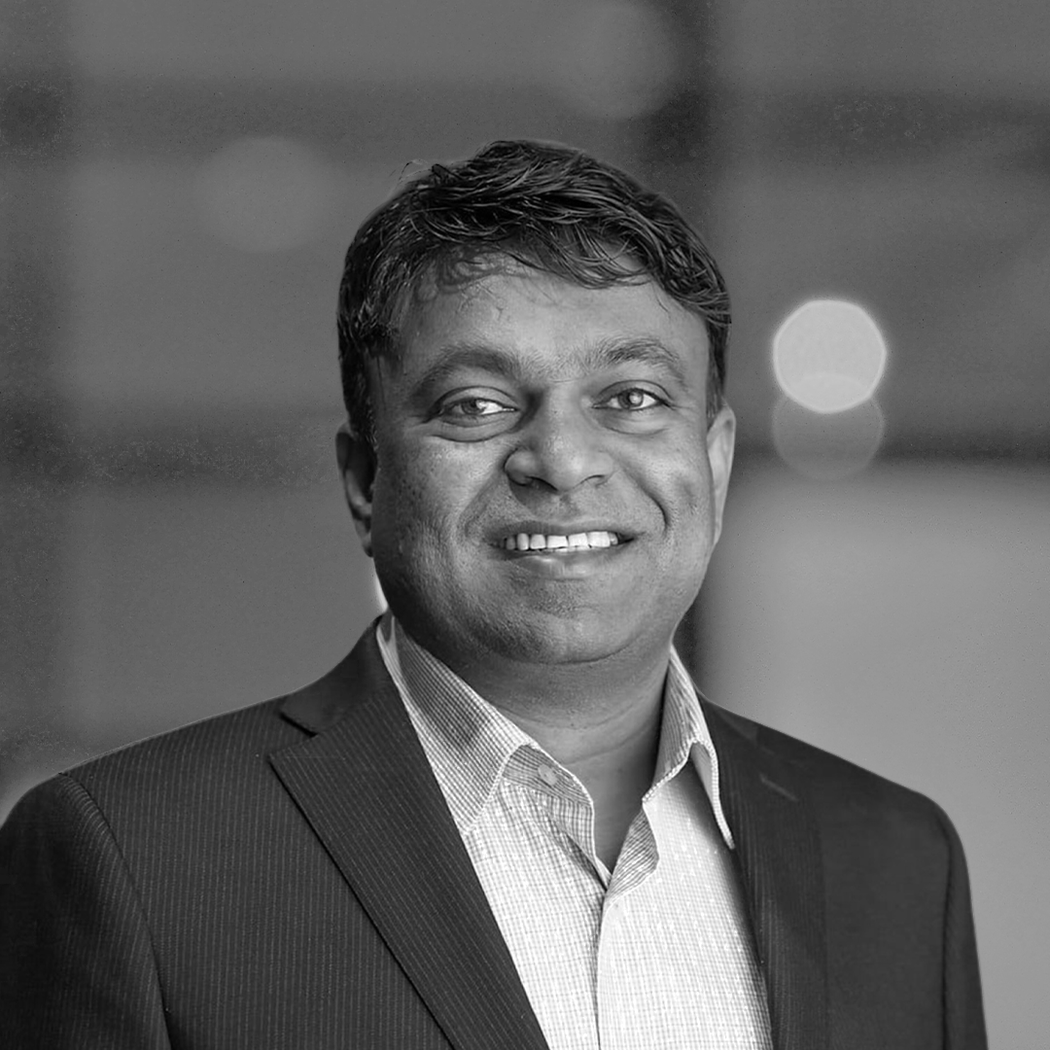
Gopi Kandukuri and the art of making technology useful
From staffing software teams to connecting enterprise AI, the Saxon founder has kept returning to the same question: what is getting in the customer’s way?
Prasad Alapati and the work after the demo
He co-founded Idexcel in 1998. As banking software moves into the AI era, Prasad Alapati keeps returning to a practical question: how do you introduce new technology while the business keeps running?
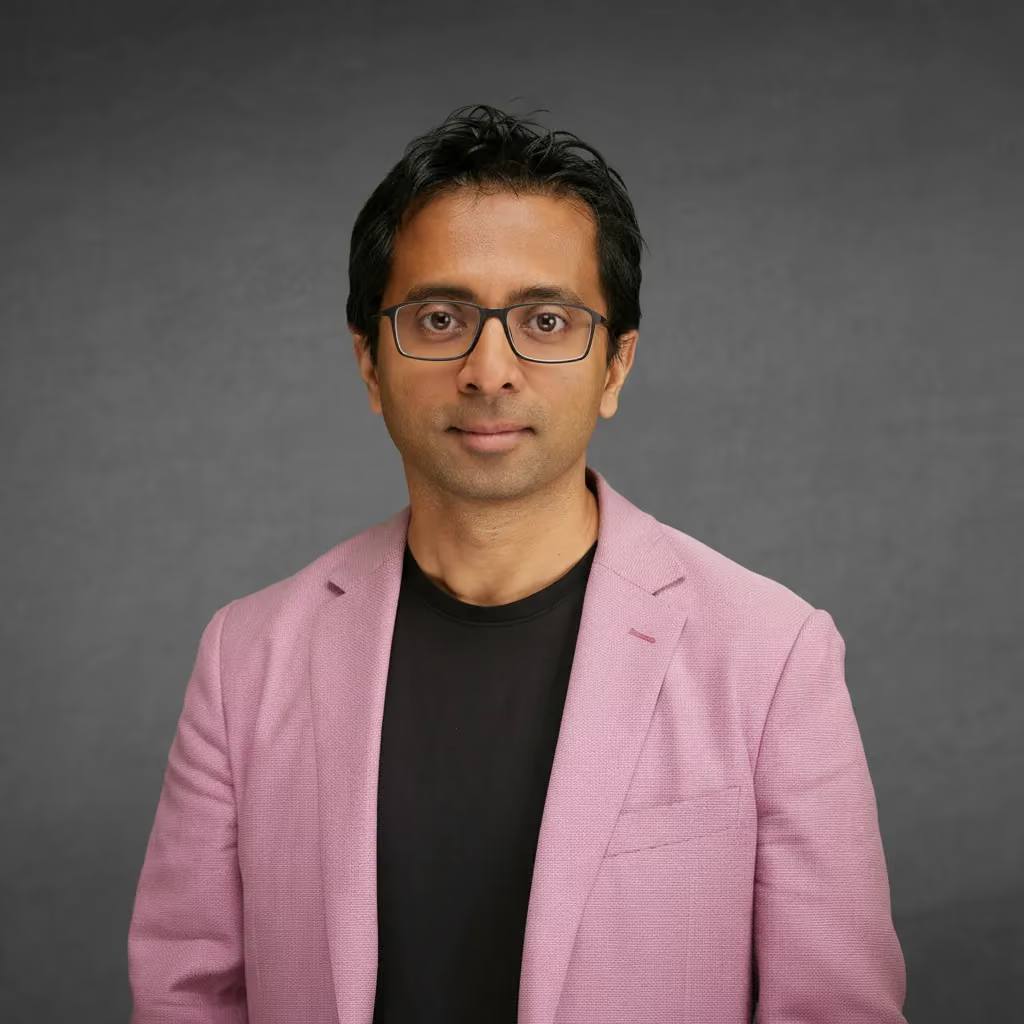
Rajat Mishra and the distance between an idea and a room
From Microsoft code to a business built with his wife, Prezent co-founder Rajat Mishra has kept returning to one question: how do you help a good idea get heard?
Jacob Mathew and the company that grew a longer map
From enterprise IT to engineering teams across ten countries, Jacob Mathew has spent fourteen years building Zealogics. His next chapter puts artificial intelligence to work in the businesses his teams already know.
Saurav Basu and the long commute of a good idea
After years inside large consulting firms, Saurav Basu founded Exavalu to bring advice and implementation closer together. His work in insurance follows an idea all the way to the people who have to use it.
Brian Elliott and the trouble with knowing only a little
Before Blitzy, Brian Elliott helped couples try on engagement rings before buying them. Now the former Army Ranger is working on another expensive leap of faith: asking AI to understand the software a business depends on.
Ravi Kopuri and the business of paying attention
A customer praised his team for learning a 75-year-old business. For DATAECONOMY co-founder Ravi Kopuri, that small compliment opens a larger story about technology, teaching, and the work of earning trust.

Shivaprasad KT and the dashboard nobody used
The Ganit co-founder built a business around a neglected question: what will anyone do with the analysis? His story runs from engineering and global consulting to a family homecoming at NITK.
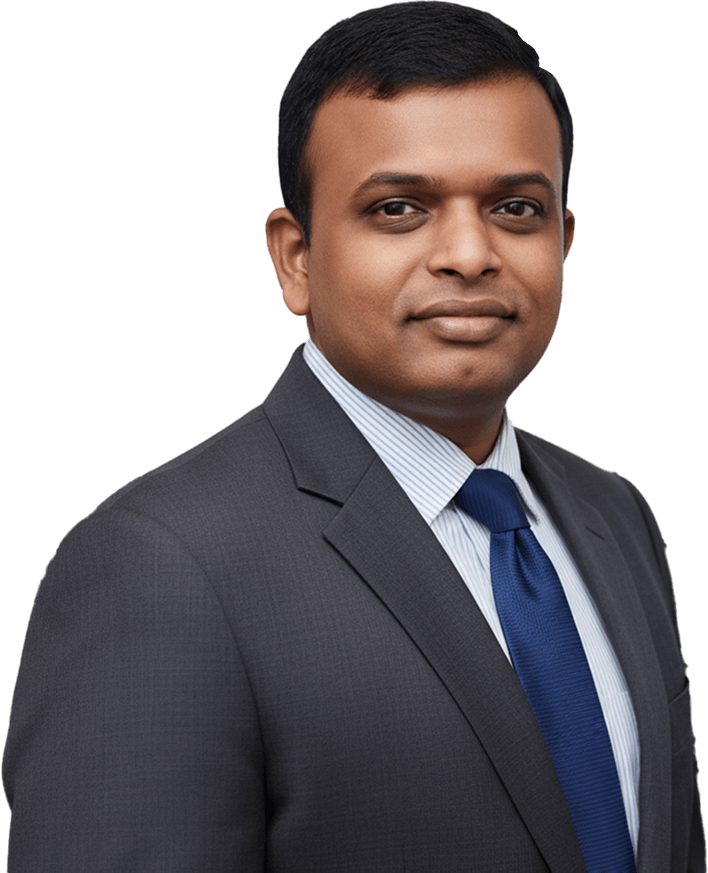
Kumar Kanakamedala and the value of a wider view
Anblicks’s co-founder and CEO has a simple explanation for how judgment grows: exposure. His career puts that idea to work through new colleagues, acquisitions, and an expanding view of what a data business can do.
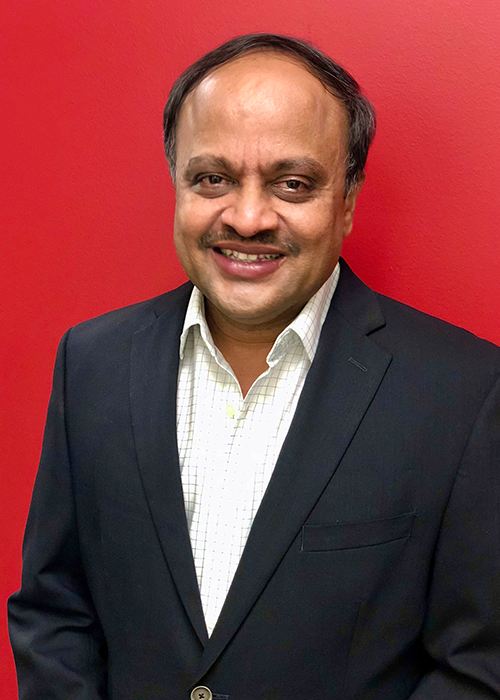
Arun Gollapudi and the question before the answer
Before Systech, Arun Gollapudi wrestled with the cost and complexity of reporting at Nestlé. Three decades of databases, cloud platforms and AI later, his career keeps returning to a practical question: what can a business actually do with its data?
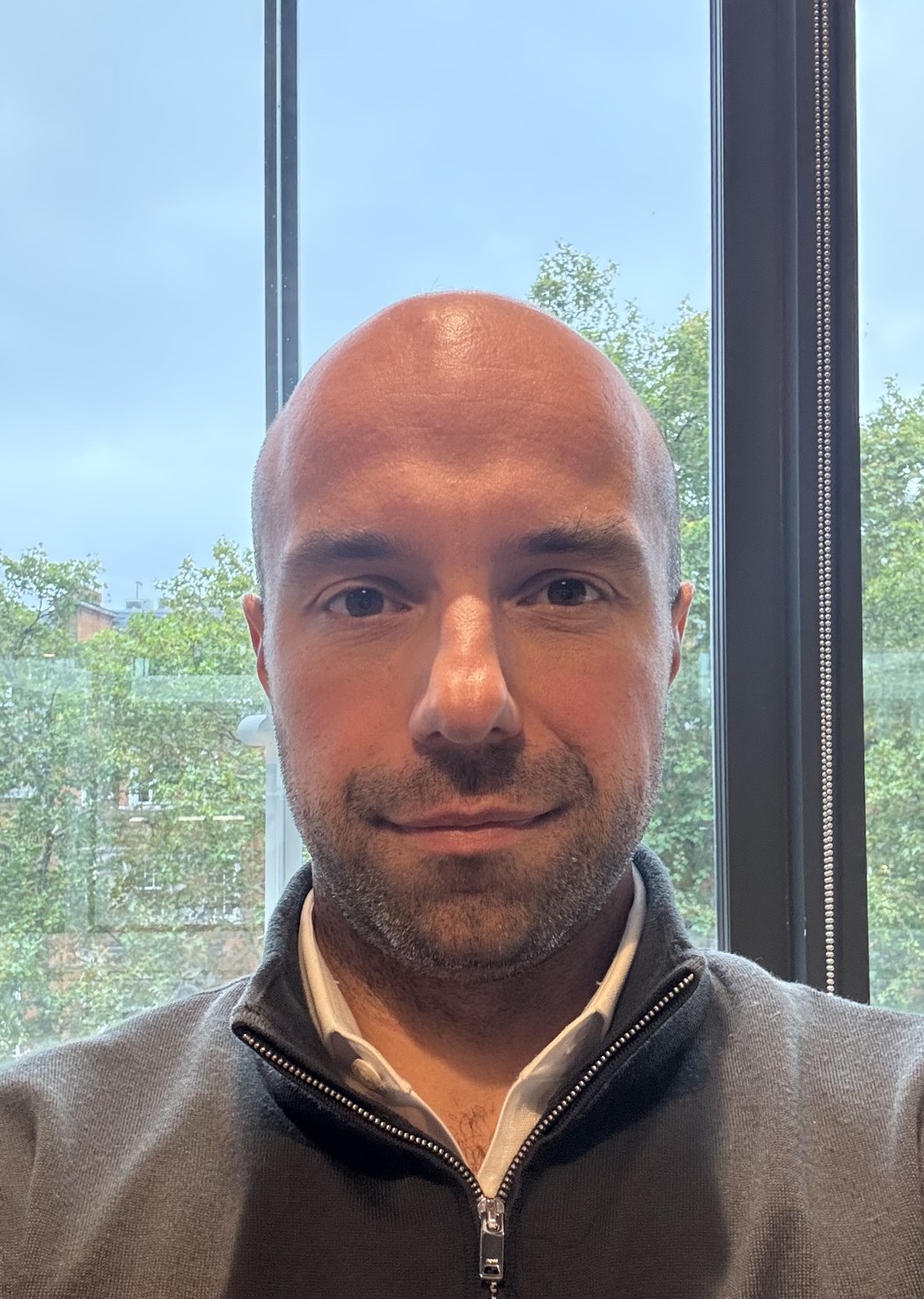
Nikolay Vitanov and the education of a confident stranger
A chance meeting in Cape Town brought an investment banker and a media operator together. Nikolay Vitanov’s next business would turn specialist human judgment into training data for AI.
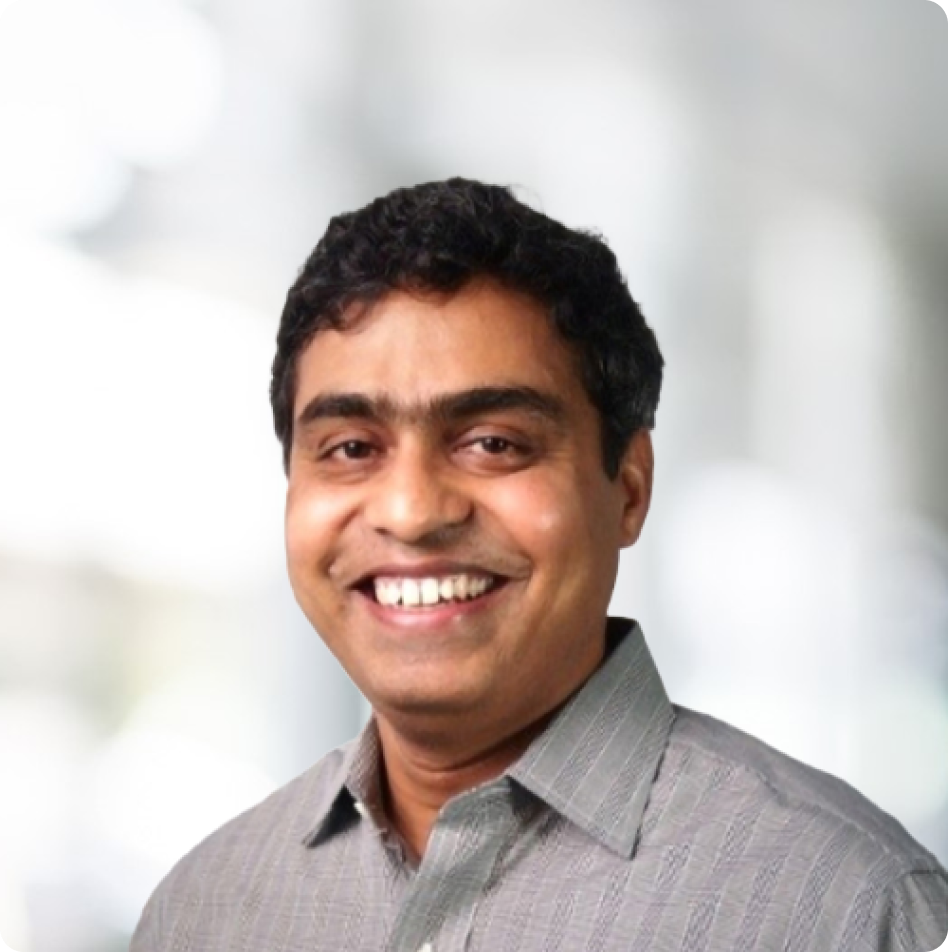
Revathipathi Namballa's plans come with assembly required
From a mobile startup to enterprise platforms, the Cloudangles founder has kept returning to the work of building. His next assignment includes a Hyderabad engineering centre with a two-year target of 1,000 engineers.

Akshay Jain and the Long Road from Data to a Decision
The UsefulBI co-founder has built a career around the distance between having information and knowing what to do with it. His company’s expansion offers a practical view of how an analytics business grows up alongside AI.

Scott Love and the Business Behind the Dashboard
Scott Love started Lovelytics with a small Arlington team and a name suggested by his girlfriend. Nine years later, a bet on Databricks helped carry the business into a $525 million acquisition by CDW.
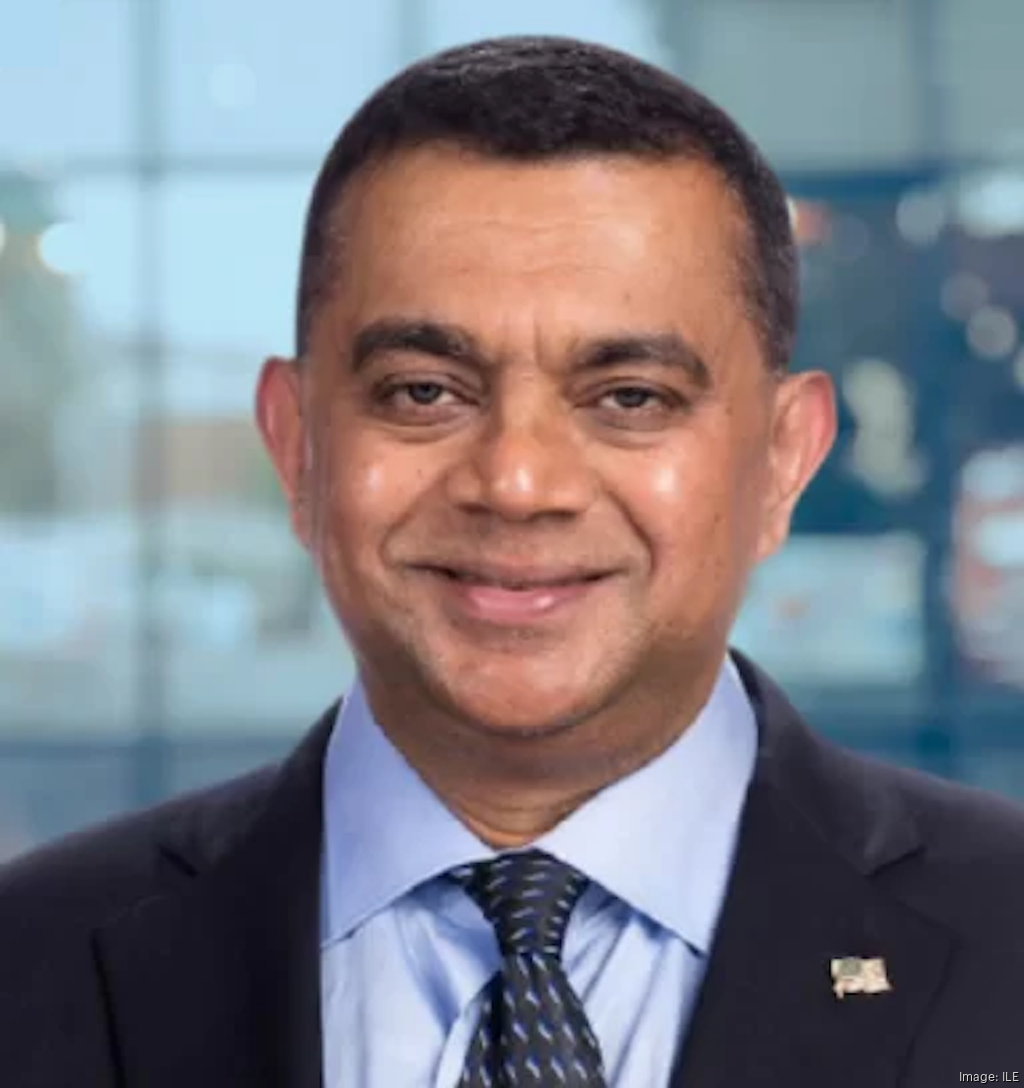
Harish Chidambaran and the distance between a bell and a balance sheet
He spent fourteen years taking iLearningEngines from a private venture to Nasdaq. Within months, the company was in bankruptcy; in 2026, its founder faced federal fraud charges that remain allegations.

Yoav Naveh and the trouble with a working business
ConvertMedia was profitable when Yoav Naveh and his co-founder changed its direction. From video advertising to enterprise AI, his career keeps returning to the work that refuses to follow the plan.
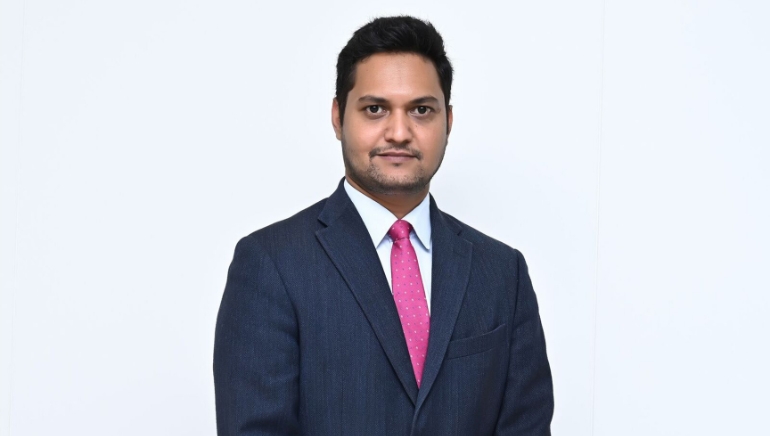
Sheetal Pansare and the people problem behind the future
Since founding Futurism Technologies in 2003, Sheetal Pansare has built a business around connecting people, software, and the work customers need done. His career offers a practical view of what happens after a technology becomes a promise.

Sameer Maskey and the computer that needed a Nepali voice
Before he founded Fusemachines, Sameer Maskey read through a 6,000-word dictionary to help a computer speak Nepali. His next problem was finding room in AI for the people its usual recruiting map left out.