enterprise-ai
(37)
Pythian and Google Cloud Put AI ROI on the New York Menu
An executive dinner at Hawksmoor on October 27 will ask which AI experiments deserve another dollar. Pythian and Google Cloud are bringing portfolio audits, operating costs and CFO benchmarks to the table.

Pythian Leaders Land Three CRN Finalist Spots
Vanessa Simmons and Solange Jacob account for Pythian’s three September 2026 finalist honors. Behind the shortlist are years of partnership work, mentoring and a push to help enterprise employees use AI.

India’s AI Spending Soars. Governance Misses the Meeting
ServiceNow reports a 119% jump in India’s enterprise AI investment, yet only 22% report testing, auditing and risk-assessment processes. The next spending decision turns on who gives agents permission to act—and who can stop them.

Black & Veatch Says Microsoft Copilot Gives Back Nine Hours
The century-old engineering firm reports roughly nine hours saved per Copilot user each week. Behind that claim is a bigger bet on keeping expertise alive—and buying much more than a chatbot.

Aramco Digital’s ServiceNow Deal Takes On 50-Country Sprawl
Aramco Digital wants a common way of working across an ecosystem spanning more than 50 countries. Its ServiceNow agreement puts AI, customer service, shared services and legacy ERP on the same agenda—with the results still to come.
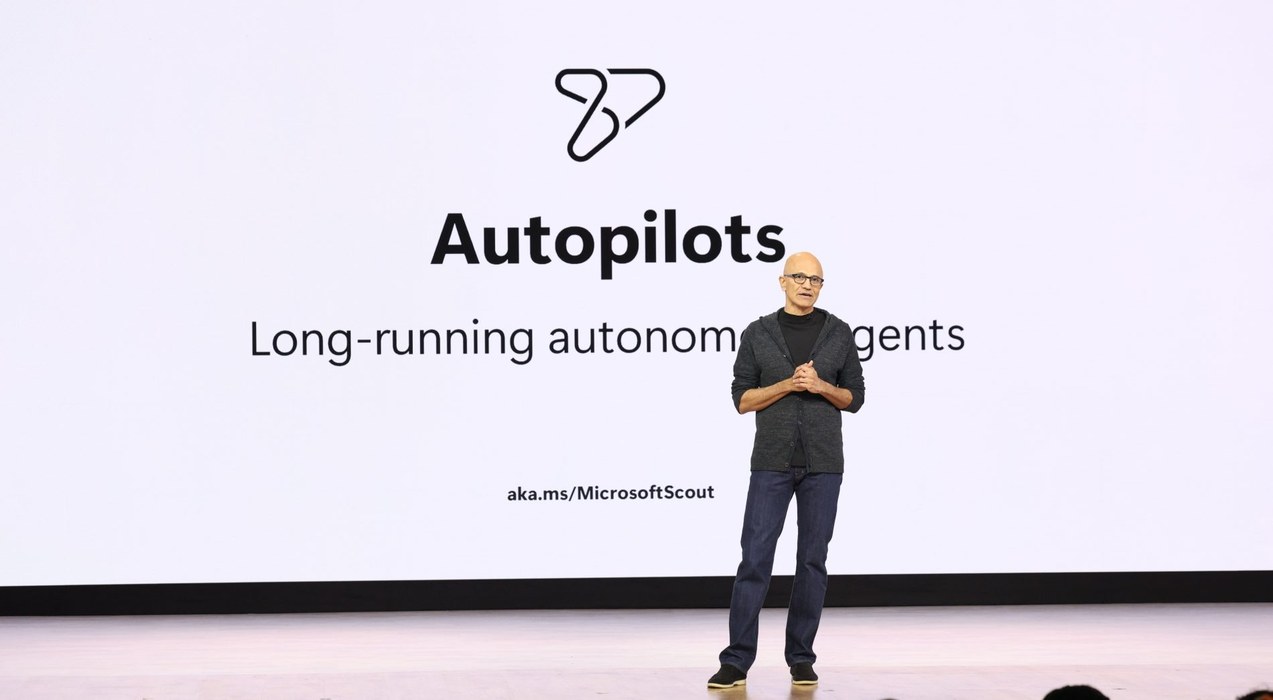
Microsoft Copilot Wants a Job, Not Another Prompt
Home makes the files, Code makes the apps, and Autopilot keeps working after you leave. Microsoft’s new Copilot turns delegation into a product—and ongoing work into a running bill.

Enterprise Data and AI Operations Makes AI Clock In
The model is rarely what keeps an AI pilot from becoming daily work. The missing layer is the data foundation, workflow engineering and round-the-clock operational discipline that makes intelligence dependable.

Gupshup or Yellow.ai? Which One Keeps the Customer Whole
Both platforms promise one conversation across every channel. The real choice comes down to where identity lives, what survives a handoff, and whether the reporting can reconstruct the customer’s complete journey.
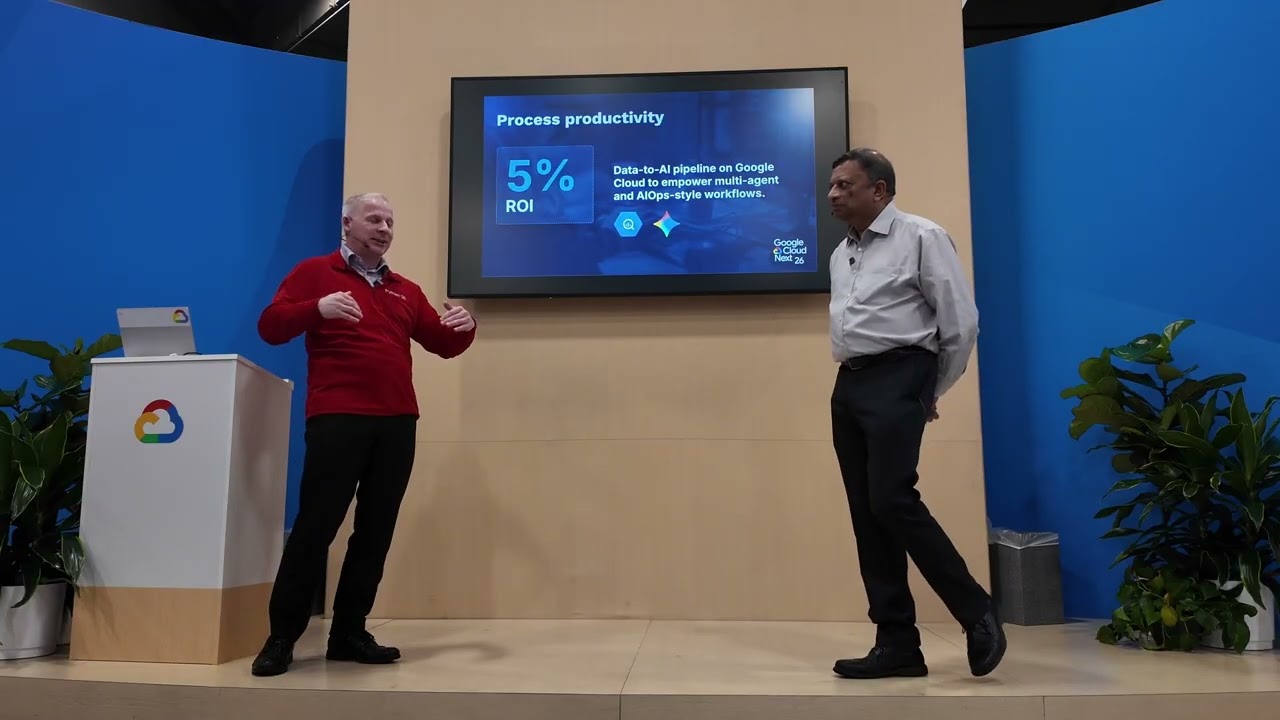
Sanmina’s AI Factory Starts With 350 Hours a Week
Sanmina is threading AI through office work, factory systems and the racks that power the cloud. Its CIO’s advice is refreshingly unflashy: educate leaders, secure the foundation and start small.

Why 200 Agents and 5,000 Agents Buy Different AI
The same AI pitch lands in two entirely different buying machines. Here is how to choose a contact center platform for the operation you actually run—not the logo you hope to resemble.

Micah Byrd Keeps Documentum Moving Without Breaking Trust
The OpenText product leader has spent decades modernizing the systems that hold companies' most consequential documents. His challenge is less about chasing novelty than making change safe enough to use.

KMS Lighthouse Puts the Answer Inside Zendesk
The integration brings governed enterprise knowledge into the ticket screen, giving support agents a faster route from customer question to approved answer without another tab.

Capacity vs Microsoft in the Fight to Kill the Support Ticket
Enterprise support is being rebuilt around AI agents. On one side, a St. Louis specialist that crossed $100M in recurring revenue; on the other, the largest software company alive shipping the same feature straight into Copilot.

Sierra Charges Only When Its AI Agents Actually Fix Your Problem
Bret Taylor and Clay Bavor built a customer-service company that bills per resolution, not per seat. Two years in, it is worth $15.8 billion and runs support for 40% of the Fortune 50.

Teneo.ai Bet 25 Years on Zero Hallucinations
The Stockholm firm behind Elbot and 17,000 live AI agents says it can automate contact centers without the guesswork. The catch: it has to survive its own cash crunch first.

Pypestream Bets the Enterprise on AI That Actually Finishes the Job
The New York AI company crossed 50 million monthly interactions for Fortune 500 clients in 2026, staking its pitch on agents that resolve problems rather than just talk about them - and drawing a line between itself and rivals like Teneo.ai and Parloa.

How boost.ai Turned Norwegian Banking Chat Into a Global AI Play
A conversational AI company from Stavanger now runs 600+ live virtual agents across 450+ organizations - and it is competing for enterprise deals against Uniphore, Intercom and Five9.

Teneo.ai Was Doing Agentic AI Before It Had a Name
The Swedish company behind a Loebner-winning chatbot now runs more than 17,000 AI agents for the likes of Telefonica and Swisscom - and finds itself at a crossroads as cash-rich rivals like Uniphore reshape the market it helped invent.

Sierra Hit $15.8B, Aisera Got Bought. The Agents Grew Up.
Two AI customer service companies took very different exits from the same stretch of the agentic-AI boom. One raised nearly a billion dollars at a $15.8B valuation; the other got folded into a bigger machine. The split says a lot about where enterprise AI is heading.
Pypestream Wants AI That Performs, Not AI That Pilots
The New York company behind agentic customer-service agents says it now handles more than 50 million interactions a month. Its pitch to enterprises: stop testing AI and start running the business on it.

Jio Haptik Bet That Cheap AI Beats Clever AI
The Mumbai-born conversational AI platform Reliance bought for $100 million now sells enterprise-grade AI agents to corner shops for 10,000 rupees. Here is how a decade-old chatbot company reinvented itself for the agentic era.

Verloop Spent a Decade on the Chat Window. Nurix Just Bought It
The Bengaluru company built its business on automating customer support one message at a time, handling more than 20 million conversations a month. In July 2026, Mukesh Bansal's Nurix AI bought it - just as the category it helped pioneer turned into a multi-billion-dollar race.

Teneo.ai Bets the Contact Center on Boring, Reliable AI
While Zendesk rewires customer service around outcome-priced AI agents, Sweden's Teneo.ai is chasing the same market with a different promise: 99% accuracy, no LLM output reaching your customers, and voice bots that answer millions of calls a month.

Capacity vs. Maven AGI, Two Ways to Kill the Support Ticket
One company bought its way to 20,000 customers. The other raised $78 million to build a single autonomous agent. Both want to end the support ticket - they just disagree on how.

The Boring Industry Quietly Becoming a Trillion-Dollar Category
Intelligent document processing is the unglamorous layer under every regulated industry - the plumbing that turns the mortgage packets, claims files and bank statements no computer could read into data a compliance team will stake a lawsuit on. Reading the page was never the hard part; proving it was read correctly is. As sovereign wealth funds and top-tier VCs write nine-figure checks into 'document processing,' three tribes are fighting over the same ground, and the real prize is not the document. It is permission for software to make the decision a human used to sign.

AI Legal Tech Players Compared
A field guide to the companies teaching machines to read contracts, run legal research and draft memos. From Sweden's $5.6B Legora to Thomson Reuters' $650M CoCounsel bet, the AI legal tech race pits enterprise platforms, research incumbents and word-processor plug-ins against each other for the same prize: the billable hour. Here is who leads, who they serve and the numbers that separate hype from traction.
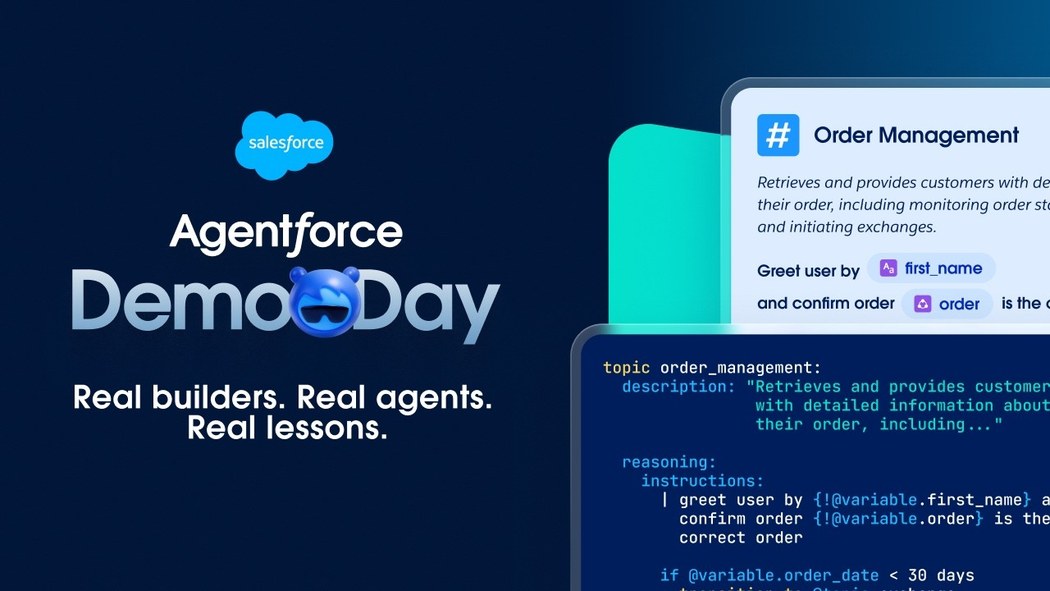
Agentforce Demo Day: Building the Digital Workforce
In this Agentforce Demo Day broadcast from Salesforce HQ in San Francisco, host Leah McGowen-Hare sits down with builders from Indeed, LIV Golf, and SharkNinja, plus Salesforce product leader Nathan Price, to show how they build, test, deploy, and observe AI agents with Agentforce. The episode centers on Agent Script — a newly open-sourced scripting language that blends deterministic logic with the reasoning of large language models — and Headless 360, an open, extensible platform for the full agent development lifecycle. Through live demos, the guests reveal real metrics, best practices like playbooks and human-in-the-loop logging, and the shift toward self-healing agents built with coding tools.
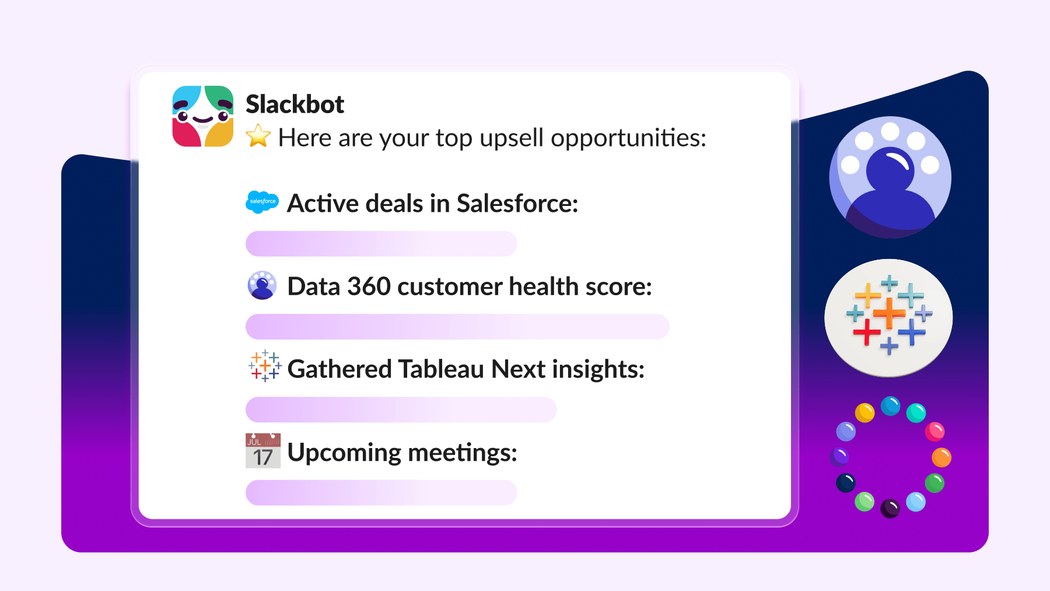
The CRM That Left the Building: Slackbot Just Swallowed Salesforce Whole
Salesforce announced new Model Context Protocol (MCP) servers that connect Salesforce CRM data, Tableau Next analytics, Data 360, and AI agents directly into Slackbot, Slack's built-in personal agent. Users can now query customer records, surface live Tableau visualizations, view unified Data 360 profiles, update pipelines, and trigger workflows across partner apps like Jira, Box, DocuSign, and Zapier — all from a Slack conversation, with no tab-switching, custom code, or separate logins. The Slackbot MCP Client is generally available on any Slack plan that includes Slackbot, and Salesforce-hosted MCP Servers are GA for Enterprise Edition organizations and above, with over 25 compatible partner apps listed in the Slack Marketplace's dedicated MCP registry.

IBM's Bob Grows Up: From Coding Assistant to Agentic Development Partner
On July 9, 2026, IBM unveiled major enhancements to IBM Bob, its agentic software development platform. The updates introduce multi-agent coordination across the full software development lifecycle, model-native parallel tool calling, subagents for context management, cost-and-productivity visibility via Bobalytics, and pre-built premium modernization workflows for IBM Z (COBOL/PL/I), IBM i (RPG), and Java (migration to Java 25). The release responds to a shift in enterprise bottlenecks from code generation to code review and validation, aiming to help teams ship production-ready software faster while optimizing the total cost of AI-driven development.
When Breaches Cost Ten Million, ServiceNow and Accenture Bet on the Machines
On June 29, 2026, ServiceNow and Accenture announced a joint suite of AI-powered services designed to help enterprises migrate off legacy risk platforms and adopt agentic AI for cybersecurity and risk management. The offering pairs Accenture's managed security services with the ServiceNow AI Platform to deliver unified integrated risk management, third-party and operational technology risk management, proactive compliance, and an AI-powered migration path. The announcement responds to a threat landscape where U.S. data breach costs hit a record $10.22 million per incident in 2025 and AI is compressing the vulnerability-to-exploitation window from months to hours.