digital-transformation
(357)
Paolo Kalaw and the art of getting out of the way
He built laboratory businesses, then turned to the software that connects them. For EviSmart founder Paolo Kalaw, the recurring question is how people learn to do more without doing everything themselves.
Koichi Hasegawa and the work computers forgot
He left a banking career to build UiPath in Japan with a team of three. His enduring question is why people still spend their days finishing the work their software leaves behind.
Koichi Hasegawa and the unfinished business of the last mile
He left a career running banking technology to help launch UiPath in Japan with three employees. Nearly a decade later, Koichi Hasegawa is still asking what happens to the work that big systems leave behind.
Nacho de Pinedo and the job he could not fill
A missing hire at Canal+ helped send Nacho de Pinedo into education. From ISDI to DIGITALENT GROUP, he has spent the years since asking how people can keep pace with the businesses they work in.

Cynthia Perazzo and the work between the breakthroughs
Before co-founding Sovato, Cynthia Perazzo spent years working on the decisions that turn new technology into everyday practice. Her career offers a view of company building from the place where strategy meets the people expected to make it work.

Richard Pennington and the promise that got bigger
FourNet began with four founders and one customer. Twenty-one years later, Richard Pennington is steering a business of around £65 million towards AI, with the same awkward question at its heart: who takes responsibility when the technology has to work?
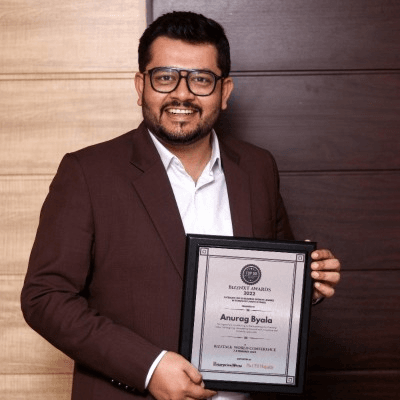
Anurag Byala and the art of starting again
Before he built e-commerce systems in the Gulf, Anurag Byala waited a month for his first student in Punjab. His route from technical training to Dubai, South Africa and a podcast microphone keeps returning to the same habit: becoming a beginner again.
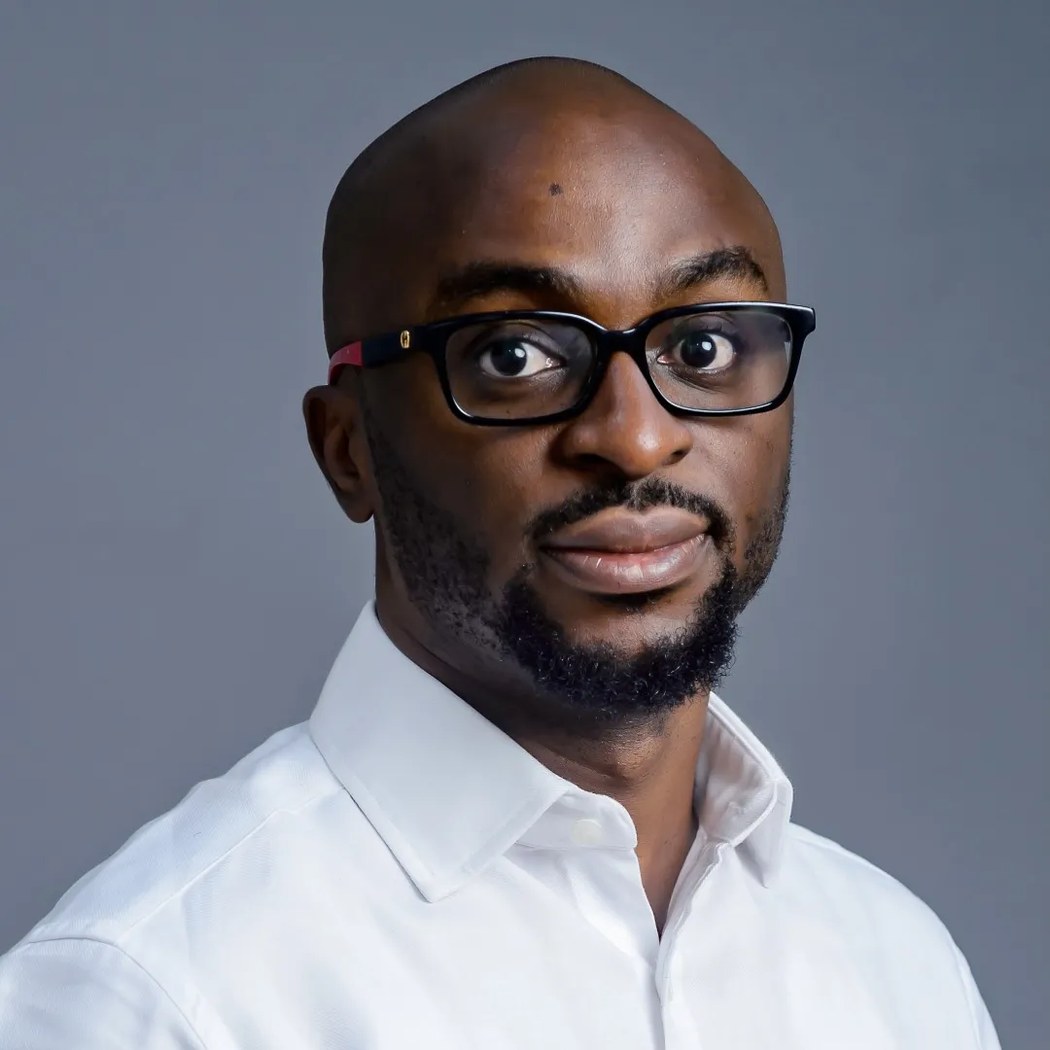
Odiong Akpan and the work between the dots
A transmission engineer turned venture builder, Odiong Akpan keeps returning to the same problem: how to connect people, institutions and ideas so that something useful happens between them.
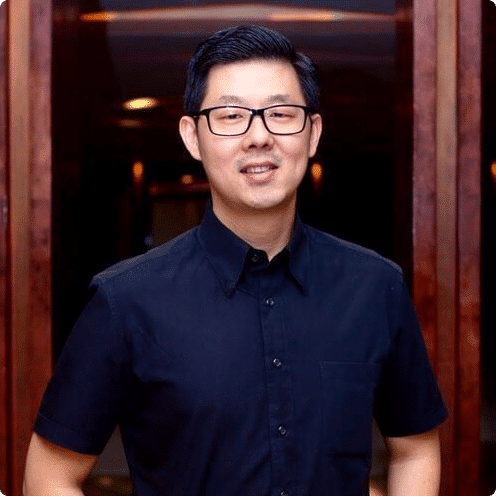
Suwandi Soh and the business of getting the boring things right
Before Mekari, Suwandi Soh helped companies improve how they worked. His next move was to turn the everyday machinery of business - payroll, accounts, leave requests - into software more Indonesian companies could use.

Olivier Le Peuch and the long road to the server room
He joined Schlumberger in 1987 to work on electronics and software. As SLB’s CEO, Olivier Le Peuch is testing how far that engineering inheritance can travel - from the oilfield to the infrastructure behind AI.
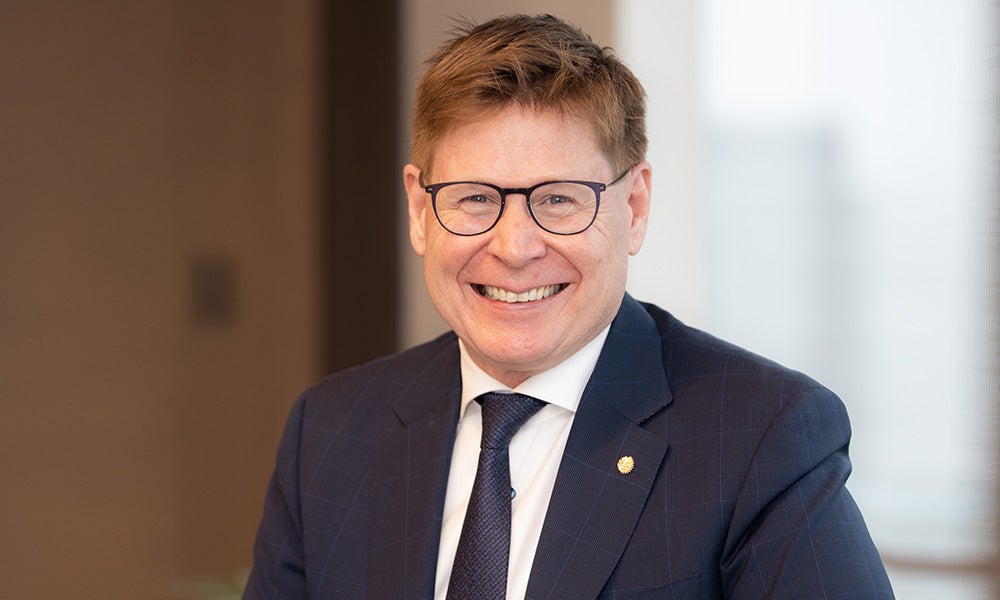
Kevin Strain went east. His ambitions grew.
Five years in Asia changed how Kevin Strain thought about leadership. Now Sun Life’s president and CEO is applying those lessons to a business whose reach extends well beyond its Canadian roots.

Brooks Tingle and the education of an impatient insurer
Before he ran John Hancock, Brooks Tingle handled agent commissions and customer calls. Those early jobs still shape his argument for changing an old business from the inside.

Arkadiy Dobkin and the visitors who came to say no
A small Minsk team had three months to impress SAP. The encounter helps explain how Arkadiy Dobkin built EPAM - and what he wants it to keep as he hands over the CEO role.

Tw Liu and the business of making things work
Before iSoftStone, Tw Liu helped put office supplies online. A quarter-century after founding the IT services company, he is taking on the machinery behind enterprise AI.

Patrice Louvet and the art of leaving money on the table
At Ralph Lauren, Patrice Louvet gave up sales to restore the meaning of a name. The P&G veteran’s education in restraint began years earlier, when a colleague in Japan told him his plan wasn’t working.

Chris Leahy and the art of staying vertical
A corporate lawyer became the leader of CDW by taking on more of the business. Along the way, a hiking guide gave her a phrase for keeping the whole picture in view.

John Engel and the advantage of the unglamorous
A $4.5 billion deal put John Engel’s operating instincts to the test. The Wesco chief’s next wager runs through the cables, power systems and people behind the digital economy.

Linda Rendle and the education of a quiet competitor
She grew up checking store shelves with her father. At Clorox, Linda Rendle turned that early education into a career spent learning how products move, how teams work and when a leader needs to speak plainly.
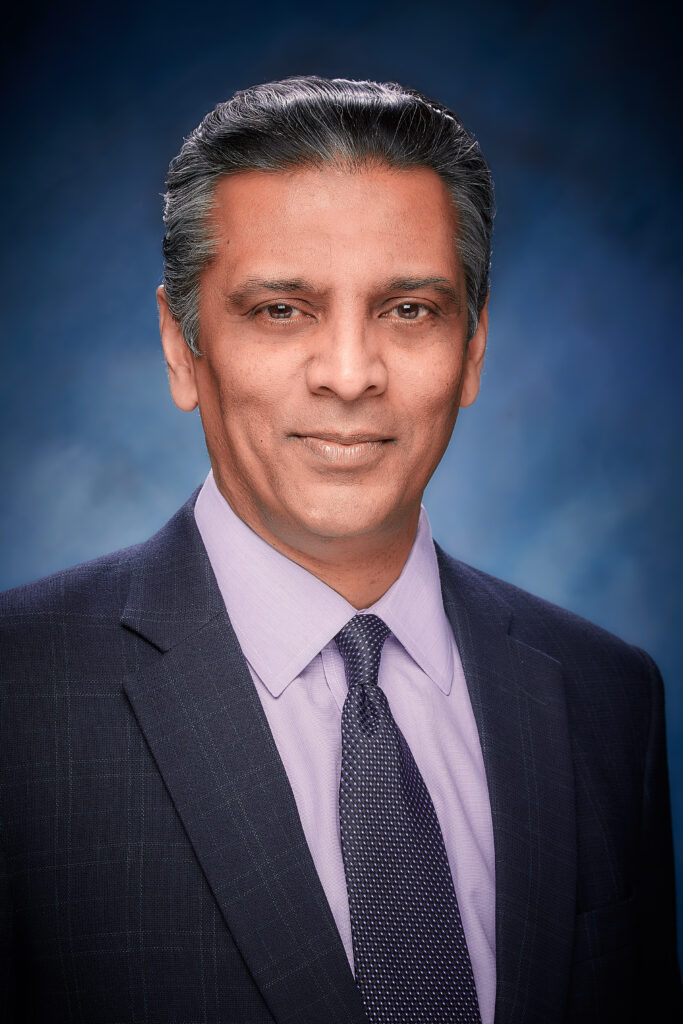
Raj Subramaniam and the art of changing the route
He joined FedEx as an associate marketing analyst in 1991. Three decades later, the chemical engineering graduate inherited Fred Smith’s job - and the task of rethinking how the company connects the world.
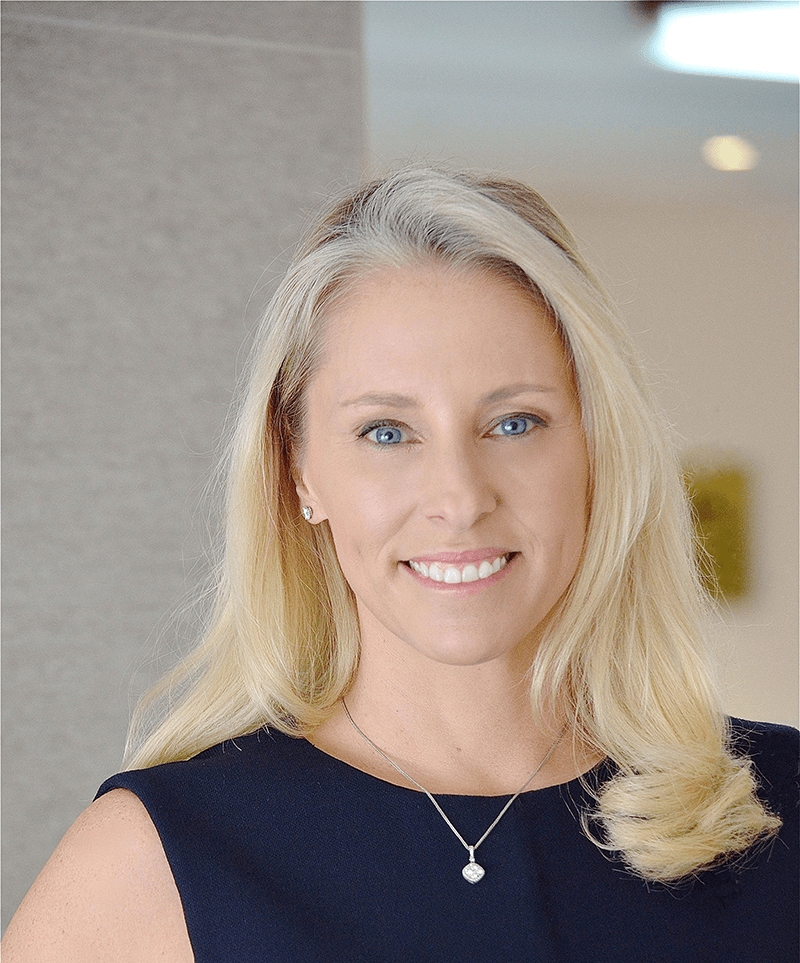
Kristin Peck and the education of a curious executive
Her first job was at a company that would one day become part of Zoetis. The route back took Kristin Peck through finance, consulting, factories, and a lesson in how much a leader needs to listen.
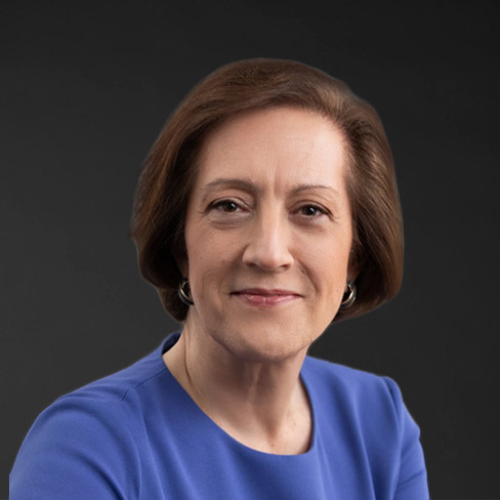
Judy Marks and the customer on the ground floor
Before she led Otis, Judy Marks worked behind the counter at her father’s department store. Four decades into an engineering career, she is still asking what it takes to keep a customer.

David Price and the price of being trusted
His grandfather helped invent the warehouse club. His father built PriceSmart. Now David Price is taking the family’s bargain into a new market, with a familiar obligation: make membership worth paying for.
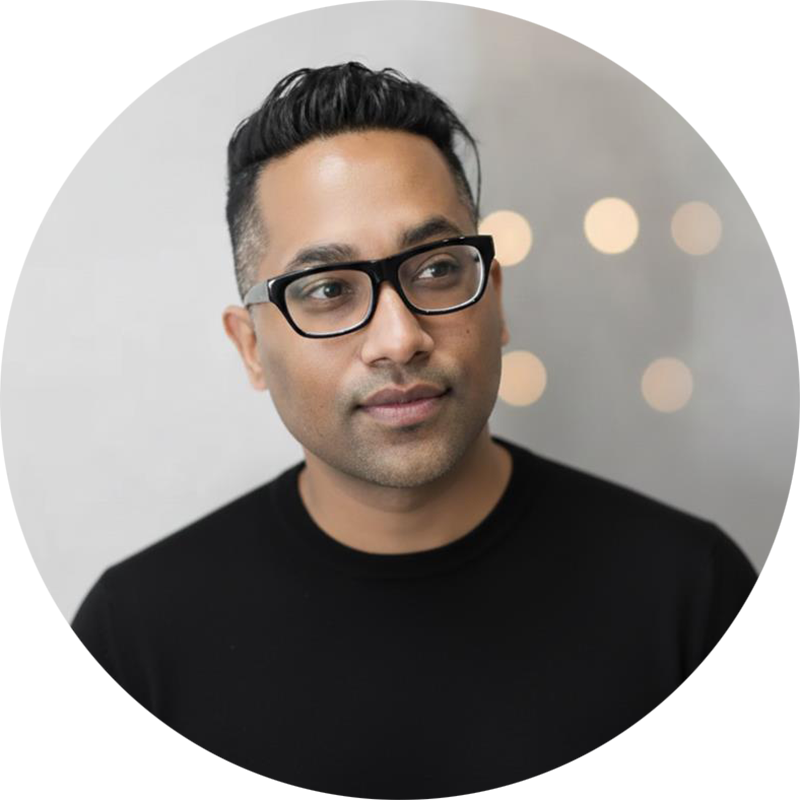
Aly Hemraj and the Work Behind a Simple Yes
A client thanked him for answering a call. His team’s offsite featured paper airplanes. At Tru, Aly Hemraj’s work connects enterprise technology with the people expected to make it run.
Hugh Rashid and the art of asking again
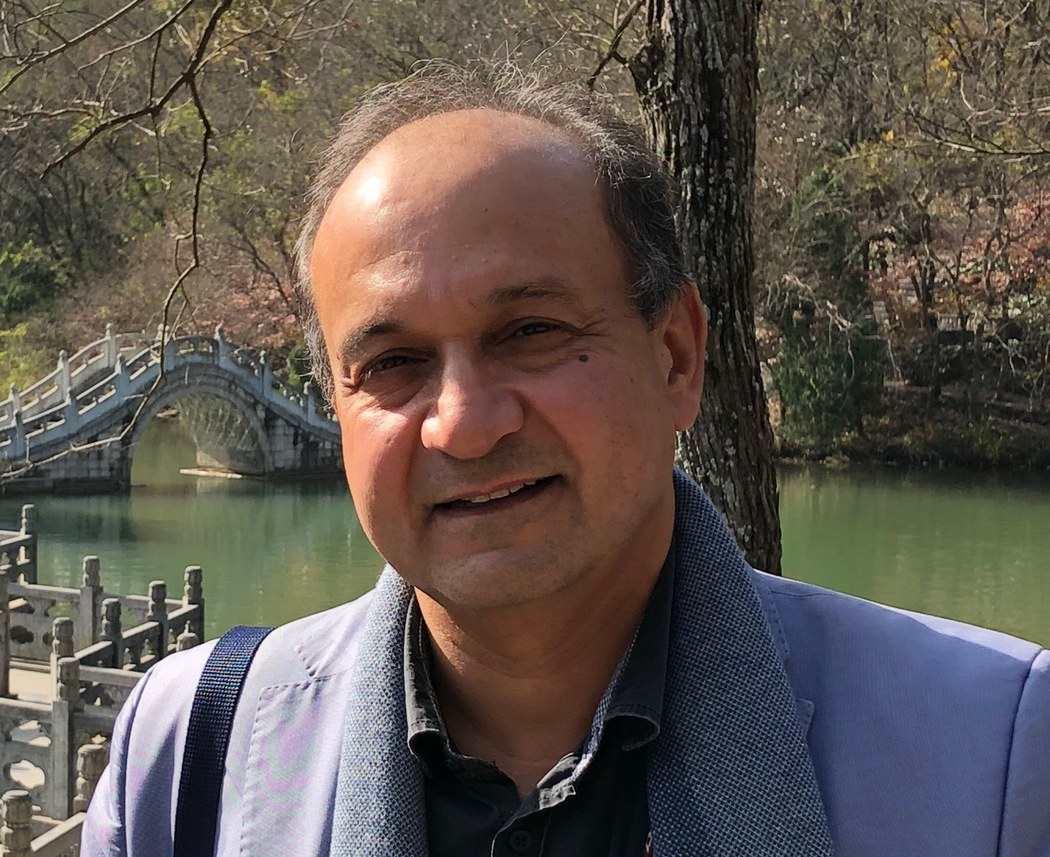
He founded Xavor in 1995, then kept returning to the classroom. For Dr. Humayun (Hugh) Rashid, each new technology brings an old question back into focus: what are people actually trying to do?
Sergio Muratori Casali and the second life of the bill
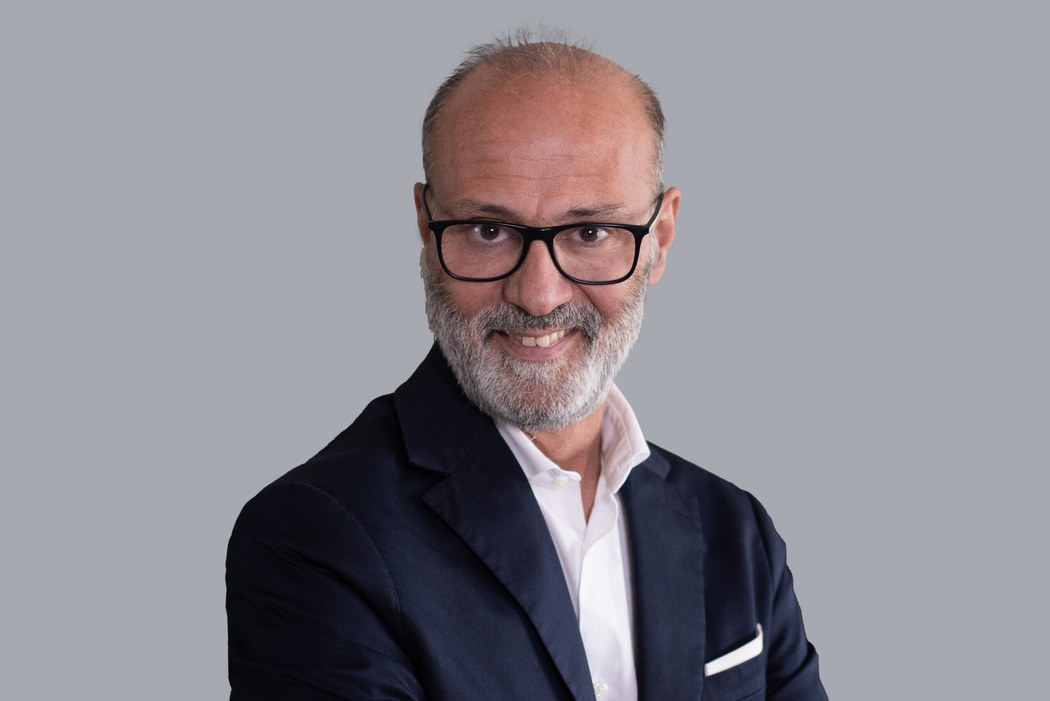
He began in industrial printing. With Doxee, Sergio Muratori Casali has spent a quarter-century turning the routine business document into a different kind of conversation.
Ryan Wedig and the business of making things disappear
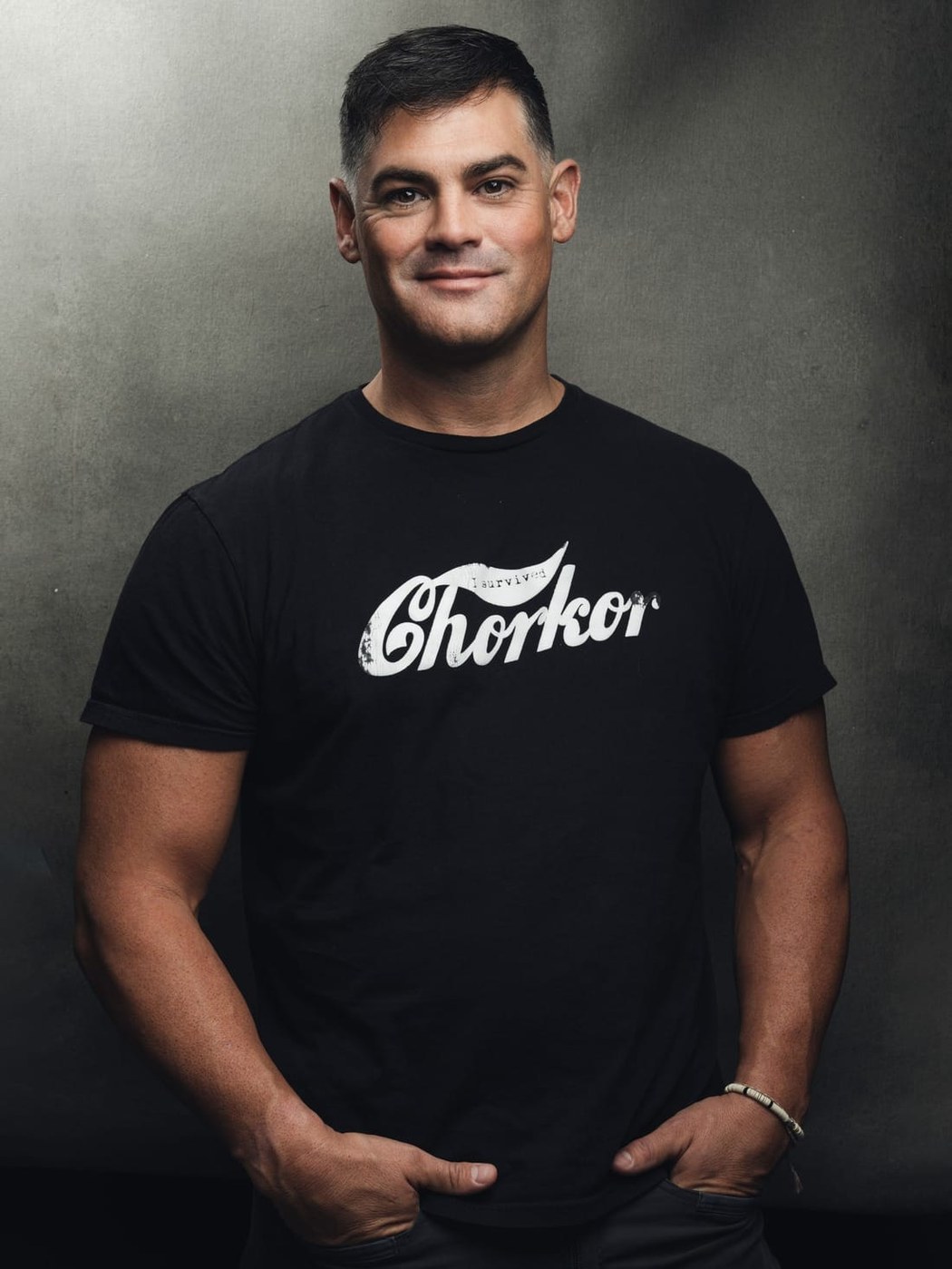
An old pickup, an unwanted print server, and a Utah city he thought he would leave. How Vasion co-founder Ryan Wedig built a career by reconsidering what a business actually needs.

Jason Albanese and the art of becoming less necessary
He built a consultancy by getting deep into other people’s businesses. At Lightning Capital, Jason Albanese is backing founders who must learn a harder trick: letting other people get on with theirs.

Paolo Cavicchioli and the life after paper
He helped turn industrial printing into a digital communications business. Along the way, Doxee’s co-founder spent two terms helping Modena build connections of a different kind.
Mandeep Singh and the business of paying attention
At Tru, Mandeep Singh helps lead a technology business spread across borders. His public story turns on something closer to home: noticing the people doing the work, and asking what managers can actually see.

Sasha Strozhemin and the business of being ready
An early enterprise bid helped Trinetix grow beyond augmented reality. For Oleksandr (Sasha) Strozhemin, the work since has been making new technology useful to people with complicated jobs.