autonomous-vehicles
(51)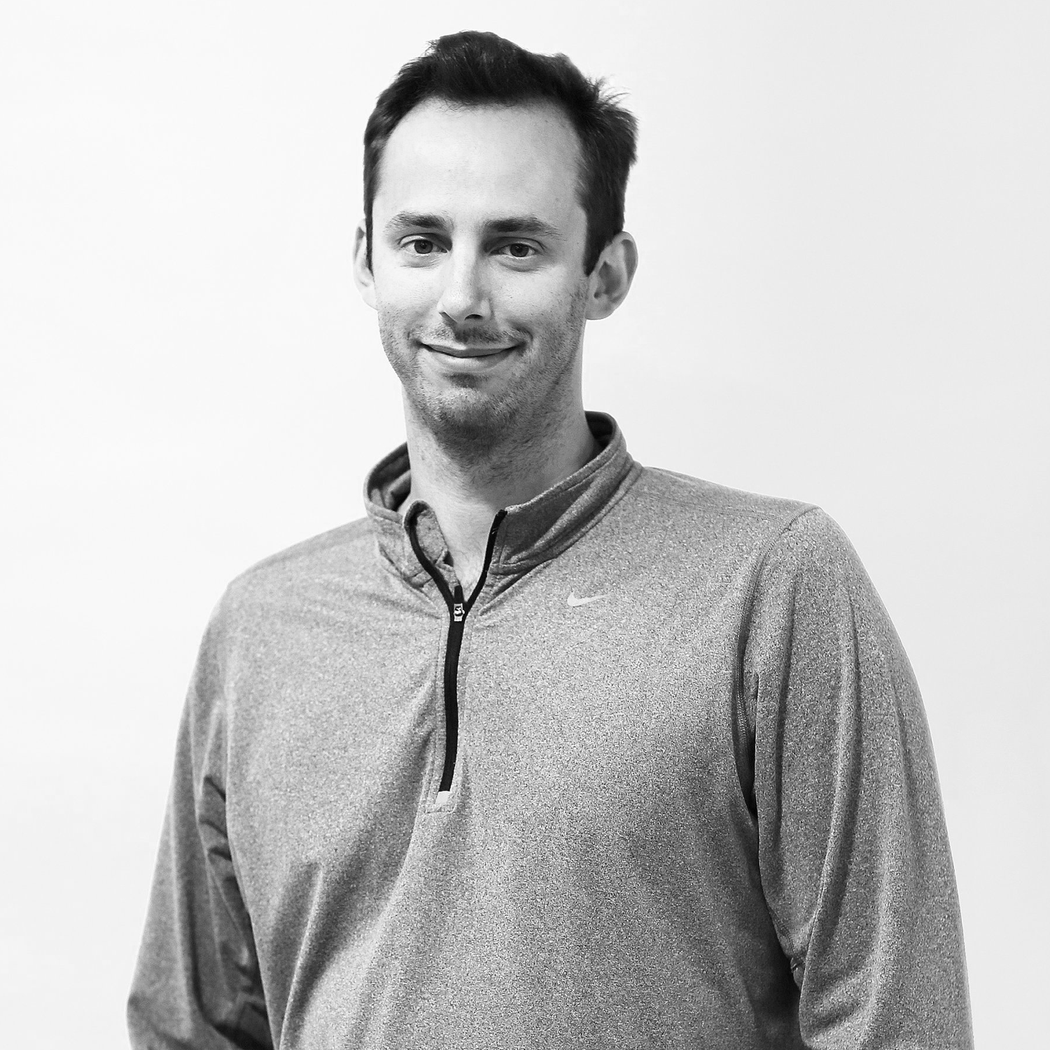
Anthony Levandowski and the road back to dirt
He helped put self-driving cars on the map, then became the central figure in a trade-secret scandal. At Pronto, Anthony Levandowski has returned to a more bounded problem: teaching quarry trucks to move rock.
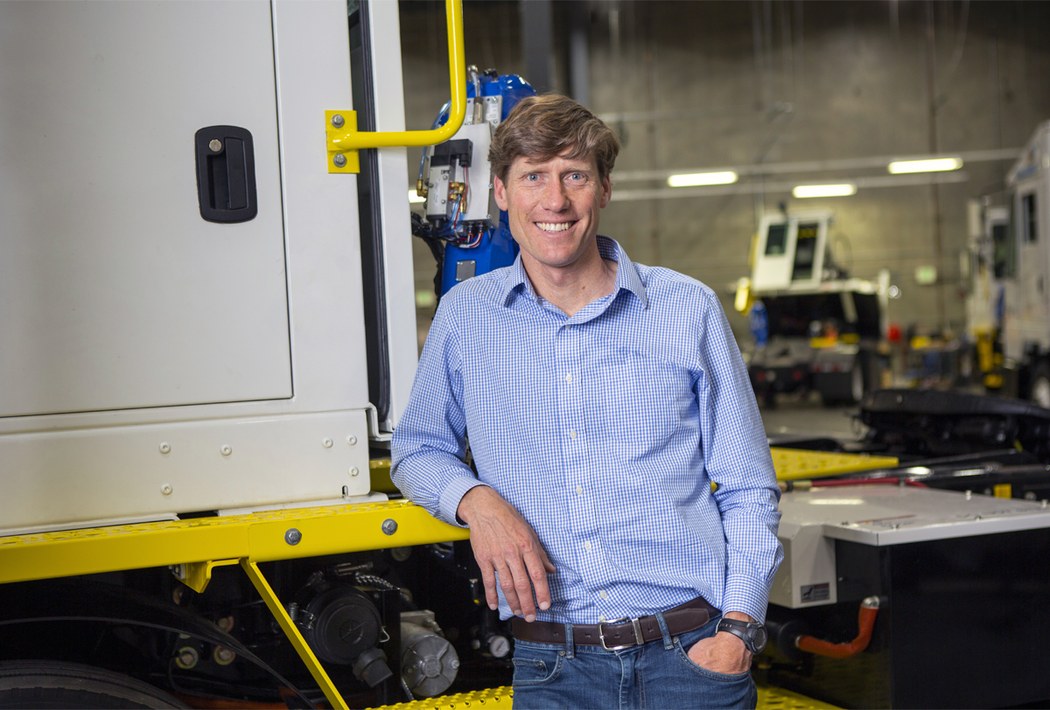
Andrew Smith and the art of going nowhere
He grew up dreaming of Ferraris. He built a business around trucks that stay in the yard. For Outrider founder Andrew Smith, the short trip between a parking space and a loading dock is a place to change how freight moves.
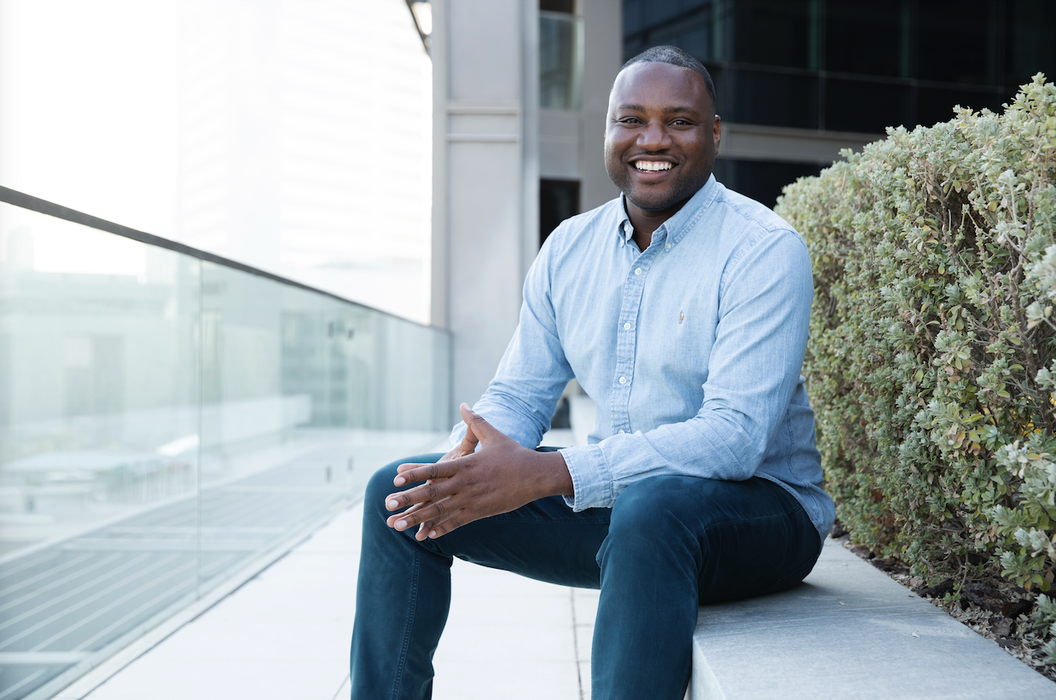
Ladi Delano and the business of handing over the keys
He built Moove around a driver’s route to owning a car. Now Ladi Delano is backing autonomous fleets while closing the company’s Nigerian chapter with a vehicle handover.
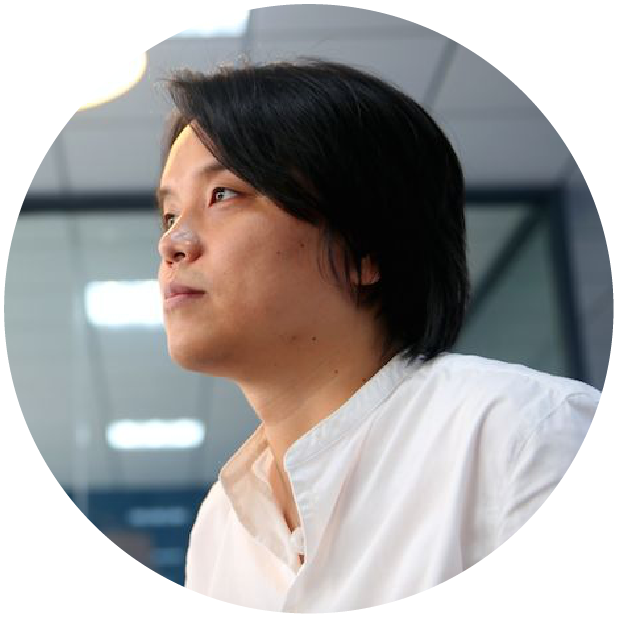
Angelo Yu and the room that learned to move
An architect’s question took Angelo Yu from small drones to autonomous spaces. At PIX Moving, he is testing what happens when a city’s rooms can come to its people.

Kenji Nakashima and the last turn before arrival
From Oracle and Google Cloud to Applied Intuition, Kenji Nakashima has spent his career bringing software into Japan’s automotive business. His current work reaches a particularly revealing destination: the loading bay.
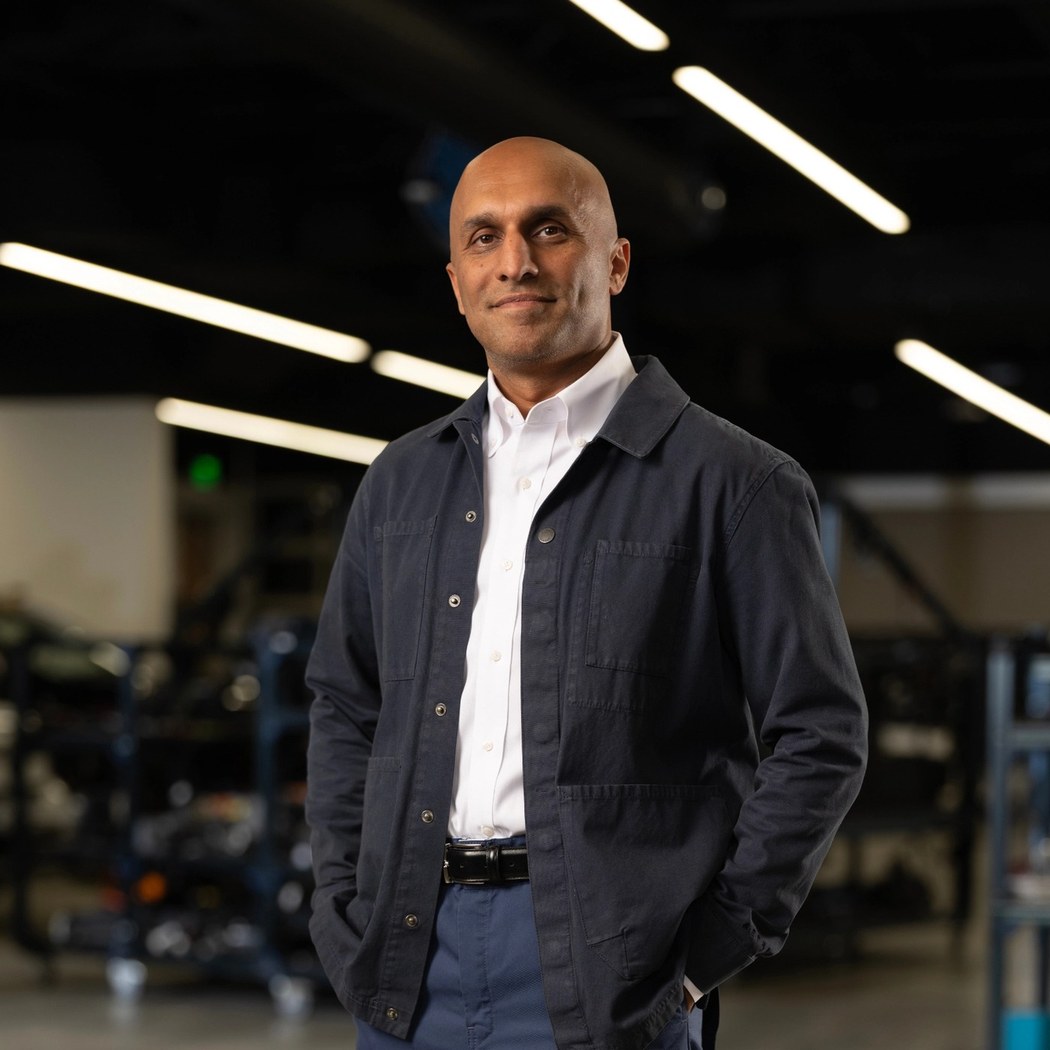
Qasar Younis Took the Long Road Back to the Car
A farm childhood, a Detroit engineering education and a tour through Google and Y Combinator led Qasar Younis back to moving machines - this time with software meant to teach them how to think.
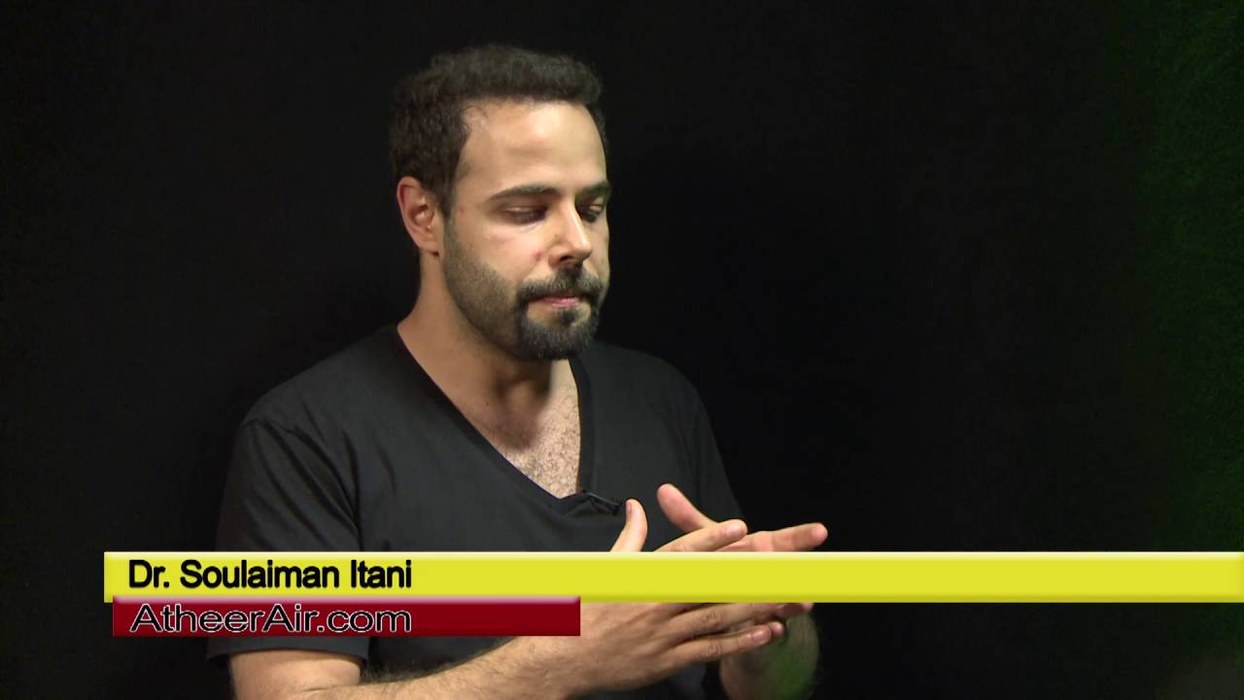
Soulaiman Itani Has Spent a Career Moving Intelligence Off the Screen
From drones and gestural glasses to autonomous trucks, the engineer’s work keeps returning to one question: how does intelligence leave the screen and enter the physical world?
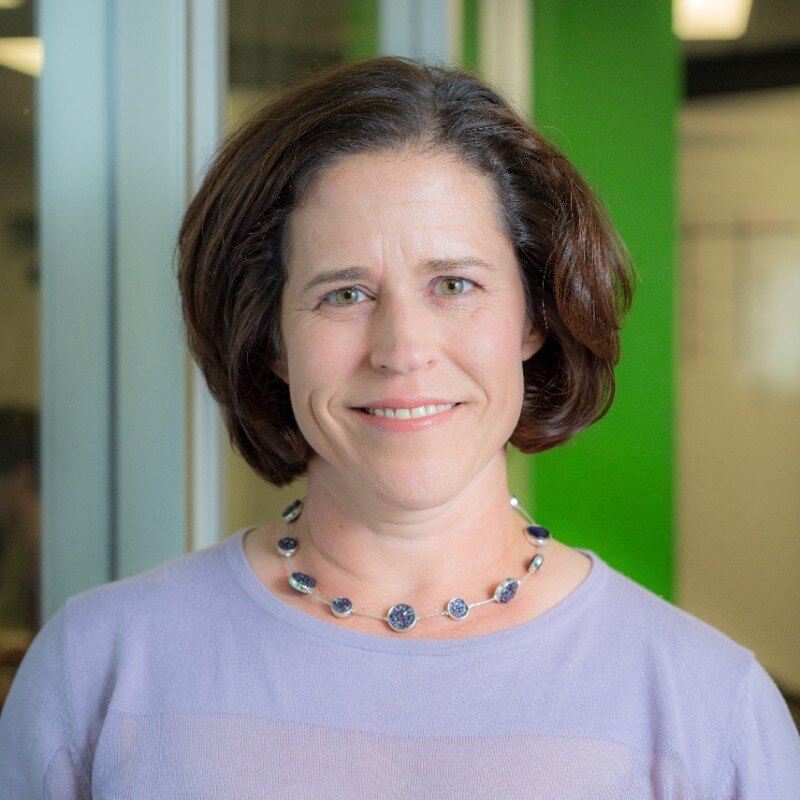
Londonne Corder Is Giving the Overlooked Logistics Yard a Name
After decades marketing enterprise technology, Londonne Corder found her most literal challenge yet: explain the robots moving 80,000-pound trailers through the neglected space between warehouse and highway.

Nalin Gupta Built Cars That Drove Themselves. Now He Wants Customer Support to Think for Itself
After taking Auro Robotics from an IIT lab to a Silicon Valley exit, the engineer-founder has returned to autonomy - this time inside the conversations where companies win, lose, and occasionally misplace their customers.

Leaf Jiang Spent 12 Years Building LiDAR. Then He Bet on Two Cameras.
The NODAR founder knows laser ranging from the inside. His contrarian wager is that autonomy will scale when inexpensive cameras learn to hold their geometry in a vibrating, rainy world.

Neha Palmer Is Building the Places Where Electric Fleets Get Their Power
The former Google energy strategist learned that scale begins long before a machine switches on. At Terawatt, she is turning land, grid connections and dependable operations into the quiet infrastructure of electric transport.
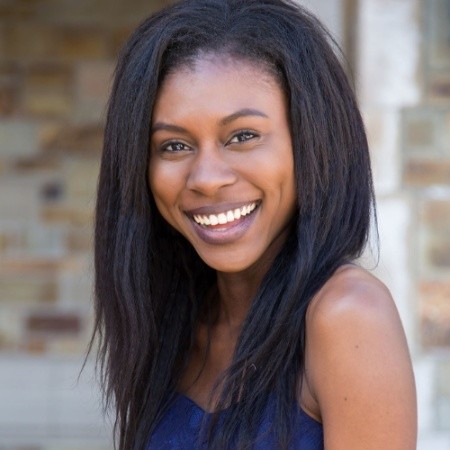
Zinny Weli
Zinny Weli is the co-founder and CEO of RoboDock, a Y Combinator (W26) startup building robots that run the depots for autonomous and electric vehicle fleets - handling charging, plug-in, and post-trip inspection without human labor. A mechanical engineer trained at the University of Michigan and Stanford, she previously owned the charging system for Amazon's Astro home robot at Lab126 and led the autonomous charging tower for Zipline's delivery drones from concept to multi-city deployment. She started RoboDock with Celine Wang, whom she first met at Stanford as her teaching assistant.
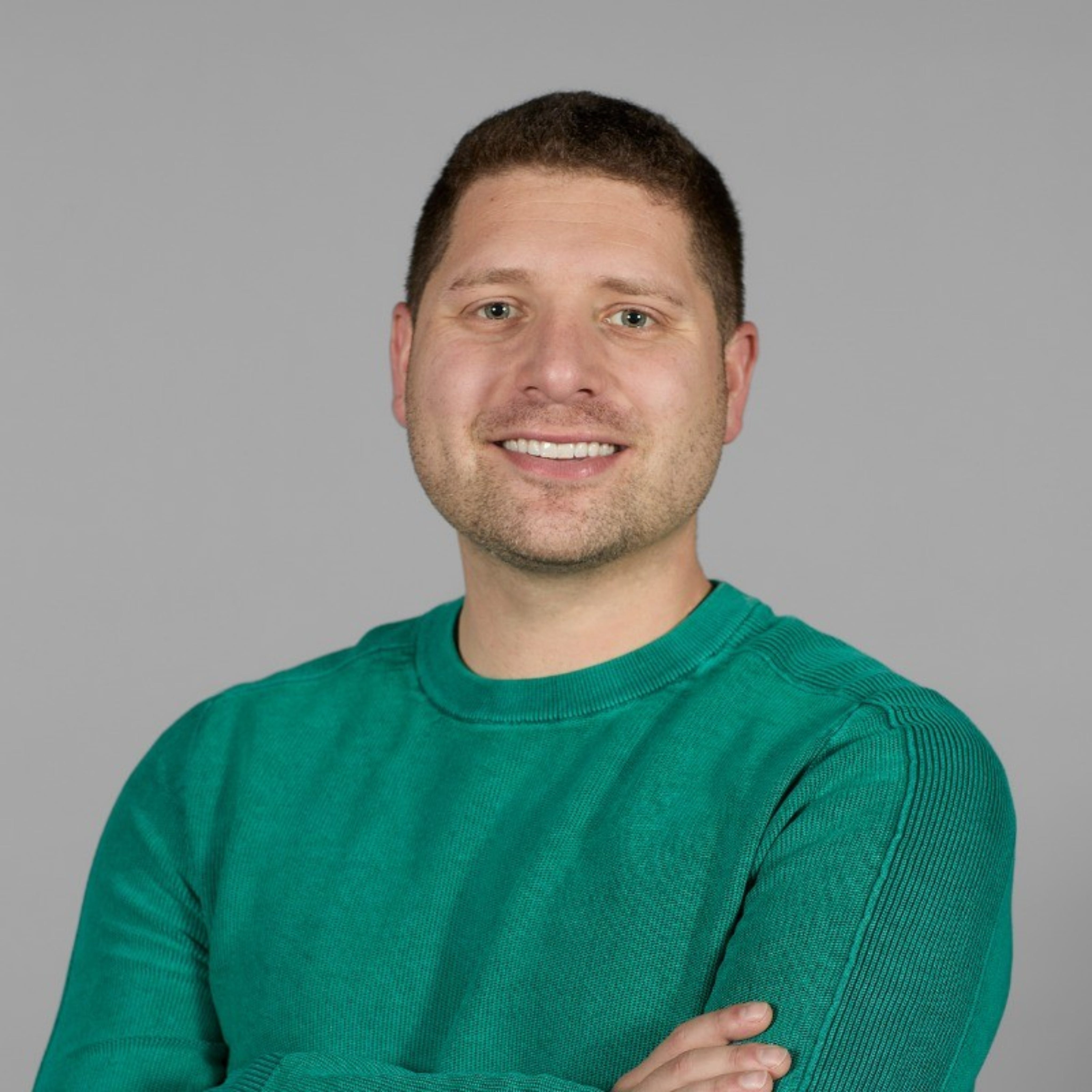
Zach Greenberger
Zach Greenberger is the CEO of Nexar, the New York-based real-world intelligence platform building the data backbone for the Physical AI era. A self-described non-engineer who taught himself the technology, he came up through IBM, Tesla, and Lyft (where he was Chief Business Officer) before taking the top job at Nexar in September 2024. Under his watch Nexar agreed to merge with Nauto in July 2026, uniting a dataset of more than 10 billion driving miles and creating an independent platform of record for how the physical world actually behaves.
Austin Oehlerking
Austin Oehlerking is the co-founder and CEO of Boxbot, an Alameda, California robotics company reinventing how parcels are stored, sorted, and sequenced inside the supply chain. A mechanical engineer trained at MIT with a Harvard MBA, he cut his teeth building electric vehicles at Arcimoto and Tesla before starting Boxbot in 2016 as a self-driving last-mile delivery venture. When customers proved more excited about the box-handling robot than the delivery van, Oehlerking pivoted the company toward AI-driven, high-density parcel storage, turning the flat conveyor belt into a three-dimensional machine. Boxbot has raised roughly $28-29.5M from Playground Global, Toyota Ventures, Maersk Growth, Pear Ventures, and Artiman Ventures.
Joseph Burke
Joseph Burke is the co-founder and CEO of Ottometric, a Waltham, Massachusetts software company that automates the validation of Advanced Driver Assistance Systems (ADAS) and autonomous-vehicle software. An engineer by training who entered the ADAS field in 2010 building radar and blind-spot detection for an airbag maker, Burke started Ottometric in 2019 to attack a brutal industry problem: validating a single vehicle model can cost automakers over $100 million and take more than a year. Ottometric's platform uses proprietary data-distillation technology to turn oceans of raw sensor data into structured safety insights, cutting validation cost and time by more than half. The company has raised roughly $14.9 million, including a $10 million Series A in April 2025.
Matthew Carey
Matthew Carey is the co-founder and CEO of Teradar, a Boston deep-tech company building a solid-state automotive sensor that sees in the terahertz band of the electromagnetic spectrum, the sliver between microwaves and infrared. His pitch is blunt: combine radar's ability to punch through fog and rain with lidar's crisp resolution, then make it cheap enough to bolt onto a Ford Focus. After a friend died in a car crash that no existing sensor could have prevented, Carey teamed with terahertz specialist Gregory Charvat and chip architect Nicholas Saiz in 2020. In November 2025 the company left stealth with a $150 million Series B and claims to be validating its tech with five global automakers.
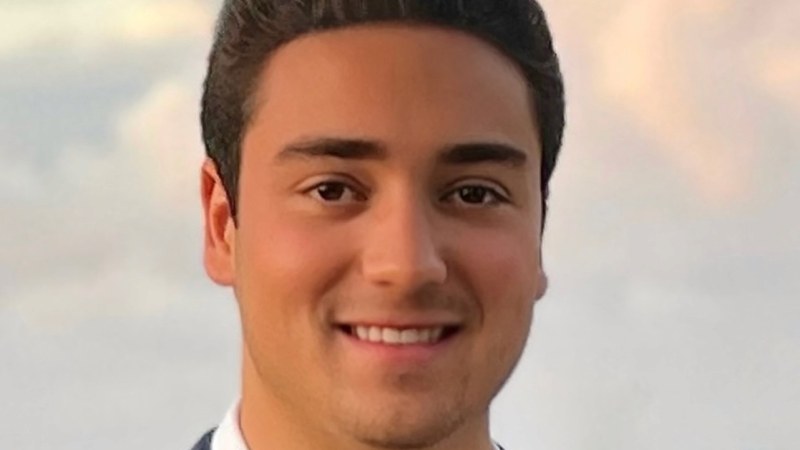
Javier Vidal
Javier Vidal is the Madrid-born founder and CEO of Moonware, a Los Angeles startup building HALO, the world's first AI-powered Ground Traffic Control platform for airfields. A mechanical engineer trained at Duke who filed his first patent at 15 and became one of Tesla's youngest employees at 19, Vidal cut his teeth on autonomy at Tesla, Uber ATG, and Uber Elevate before setting out to replace the walkie-talkies and whiteboards that still run airport ramps. Moonware has raised roughly $9.3M and deployed HALO with carriers and handlers including British Airways, dnata, Aerocharter, Japan Airlines, and PrimeFlight.
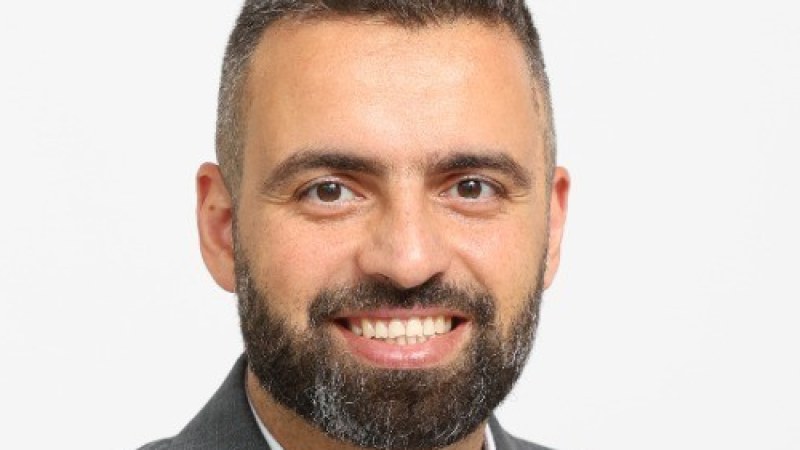
Mohammad Musa
Mohammad Musa is the founder and CEO of Deepen AI, a San Jose company building the data engine for Physical AI - tools and managed services that handle collection, calibration, annotation, validation, and synthetic data for autonomous vehicles and robotics. A Santa Clara University-trained computer engineer who once ran launch readiness for Google Apps, Musa co-founded Deepen in 2017 and has spent nearly a decade arguing that machines, like people, need many senses working together to move safely through the world. He also teaches product management at his alma mater.
Yibiao Zhao
Yibiao Zhao is the co-founder and CEO of ISEE, an MIT spin-off in Cambridge, Massachusetts that builds self-driving yard trucks powered by a 'humanistic' AI grounded in cognitive science. A UCLA PhD in computer vision and former MIT postdoc in Joshua Tenenbaum's Computational Cognitive Science Group, Zhao bet that machines need common sense, not just pattern recognition, to navigate the messy real world. ISEE became the first company to run fully autonomous operations in logistics yards, completing more than 10,000 self-driving trailer moves for customers like Maersk and Lazer Spot, and raised $40 million in a 2022 Series B led by Founders Fund.
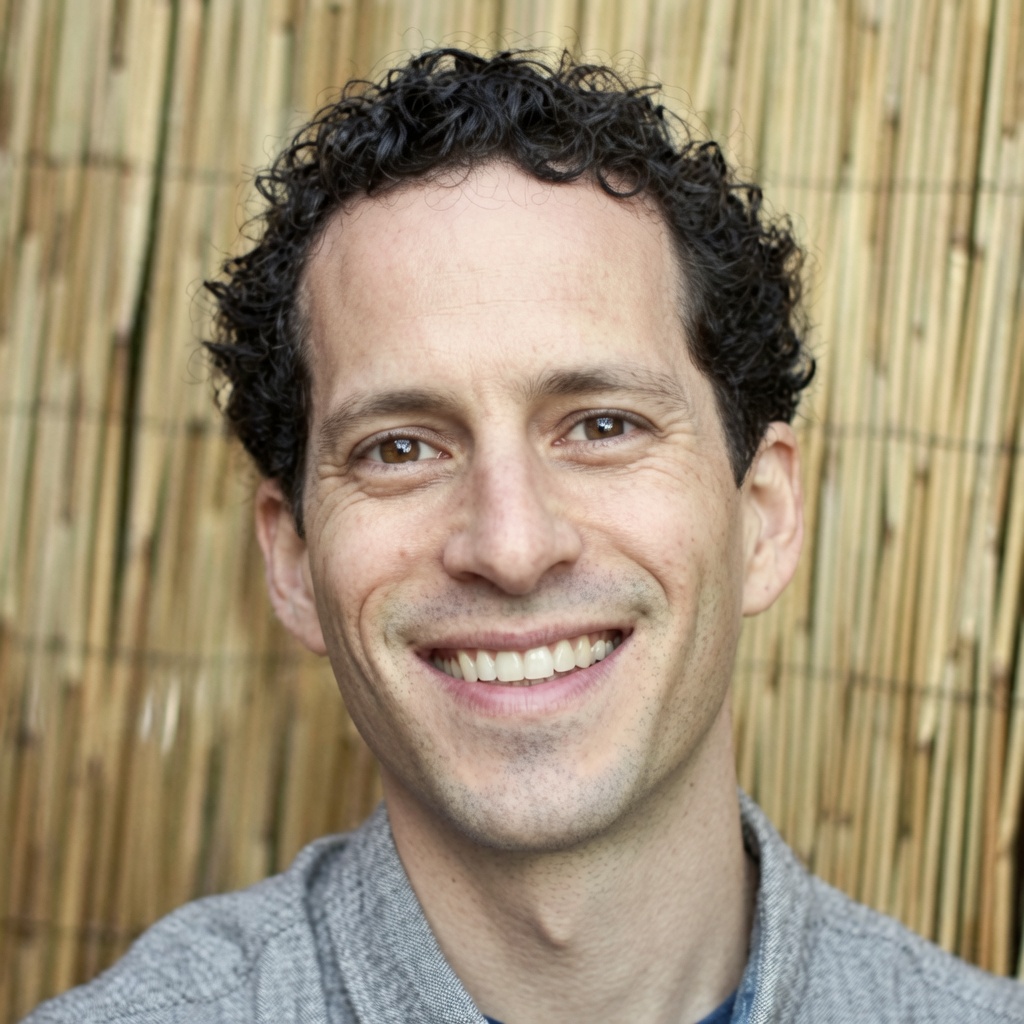
Ezra Goldman
Ezra Goldman is the co-founder and CEO of Upshift, a San Francisco-based company reinventing how city dwellers access cars. Rather than owning or leasing a vehicle full-time, Upshift members subscribe to a car that appears at their door when needed and vanishes when they don't - a fractional model that eliminates insurance headaches, maintenance costs, and the guilt of a depreciating asset sitting idle 95% of the time. Goldman brings 25+ years of shared-transportation obsession to the role, starting with a communist-themed campus bikeshare in 1999, through an MIT master's in urban planning, a PhD stint in Copenhagen studying why Danes ride bikes, and stints at City CarShare and ReachNow before building Upshift into a platform backed by MINI (BMW), Ford, and thousands of crowdfunding investors.
Lisa Lahde
Lisa Lahde is Vice President of Marketing at NVIDIA, where she leads campaign marketing for priority industries and the Omniverse platform. A veteran tech marketer with roots in social media and community management, she joined NVIDIA around 2016 and has helped shape the company's storytelling around AI, autonomous systems, and the industrial metaverse. She produced NVIDIA's 'I Am AI' docuseries, contributed to Forbes BrandVoice as an AI innovator profiler, and moderated the OpenUSD session at GTC 2024 in San Jose. Outside the GPU giant's orbit, she runs the persona of @JewelryHunter - a longtime indie fashion enthusiast who blogged about emerging jewelry designers.

Alain Samaha
Alain Samaha is President & CEO of Teletrac Navman and President of Alternative Energy & Sustainable Fleets at Vontier, bringing over 20 years of technology leadership to the intersection of IoT, AI, and fleet management. A Stanford-trained aeronautical engineer turned enterprise software executive, he previously held senior roles at Trimble including President of the Utilities and Public Administration group. At Teletrac Navman - a global telematics SaaS leader with ~850 employees and $245M in annual revenue - Samaha is steering the company's push into AI-powered fleet safety, multi-energy transition, and a 'single pane of glass' platform vision for fleet operators worldwide.
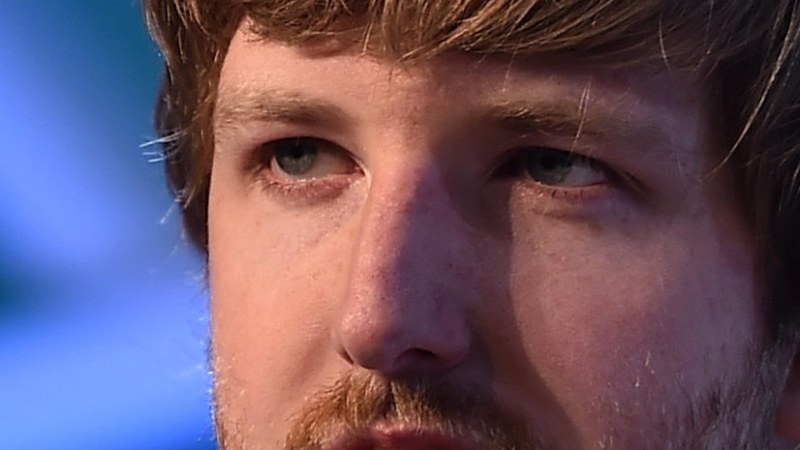
Austin Russell
Austin Russell founded Luminar Technologies at 16, built lidar hardware in his parents' garage, dropped out of Stanford after three months on a Thiel Fellowship, and briefly became the world's youngest self-made billionaire at 25 when Luminar went public in December 2020. His company's 1550nm lidar sensors were integrated into production vehicles from Volvo and Mercedes-Benz, representing a rare case of autonomous vehicle hardware reaching mass-market cars. After a highly publicized attempt to acquire Forbes magazine fell through in 2023, Russell resigned as Luminar's CEO in May 2025 following a board ethics inquiry, and the company filed for Chapter 11 bankruptcy in December 2025.
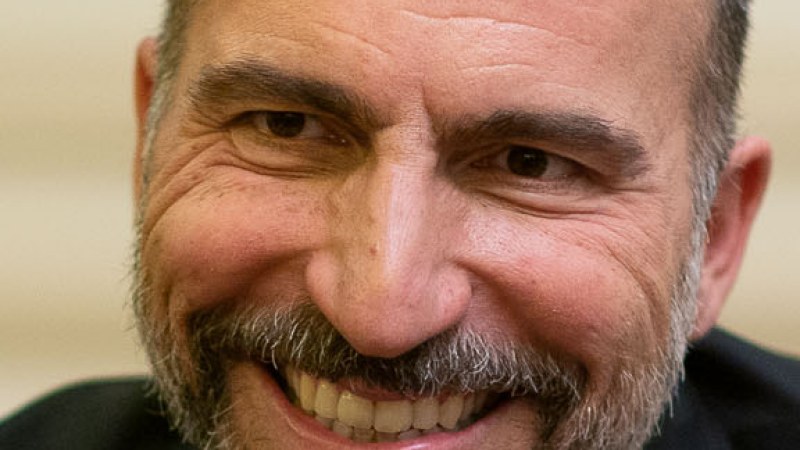
Dara Khosrowshahi
Dara Khosrowshahi is the CEO of Uber, the global ride-hailing and delivery platform he has led since September 2017. An Iranian-American who fled Tehran as a child during the Revolution, he spent 12 years building Expedia into a travel giant before inheriting Uber at its most turbulent moment. Under his leadership, Uber went public in 2019, achieved sustained profitability, and expanded into a multi-service platform operating across 70+ countries with $193+ billion in annual gross bookings. A self-described gamer, sci-fi geek, and cycling enthusiast who once wore a Slayer T-shirt to his wedding, Khosrowshahi has rebuilt Uber's culture around a simple principle: 'We do the right thing. Period.'
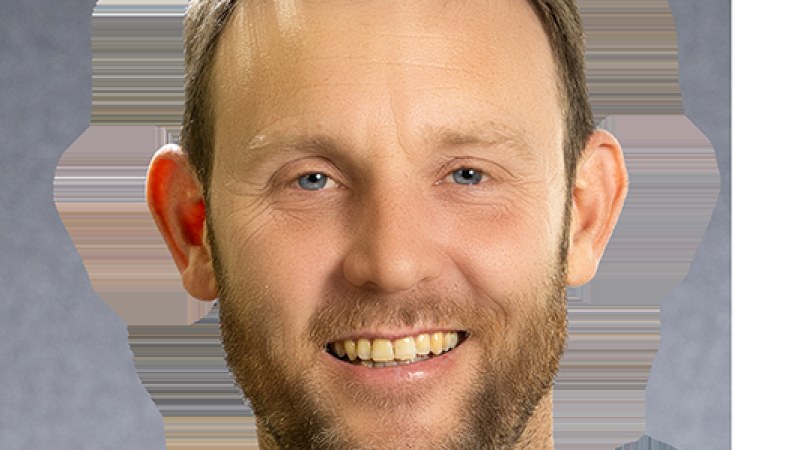
Jonny Dyer
Jonny Dyer is the Co-Founder and CEO of Muon Space, a Mountain View-based end-to-end satellite constellation company building mission-optimized spacecraft for Earth intelligence, wildfire detection, and national security. A Stanford mechanical engineer who pitched varsity baseball and co-authored rocket propulsion models, he turned Skybox Imaging into Google's $500M acquisition, ran Google Maps' data collection fleet, led Lyft's autonomous vehicle platform, and then founded Muon in 2021. The company has raised $146M in Series B funding and operates a growing constellation including FireSat - a 50-satellite wildfire-monitoring system developed with Earth Fire Alliance.
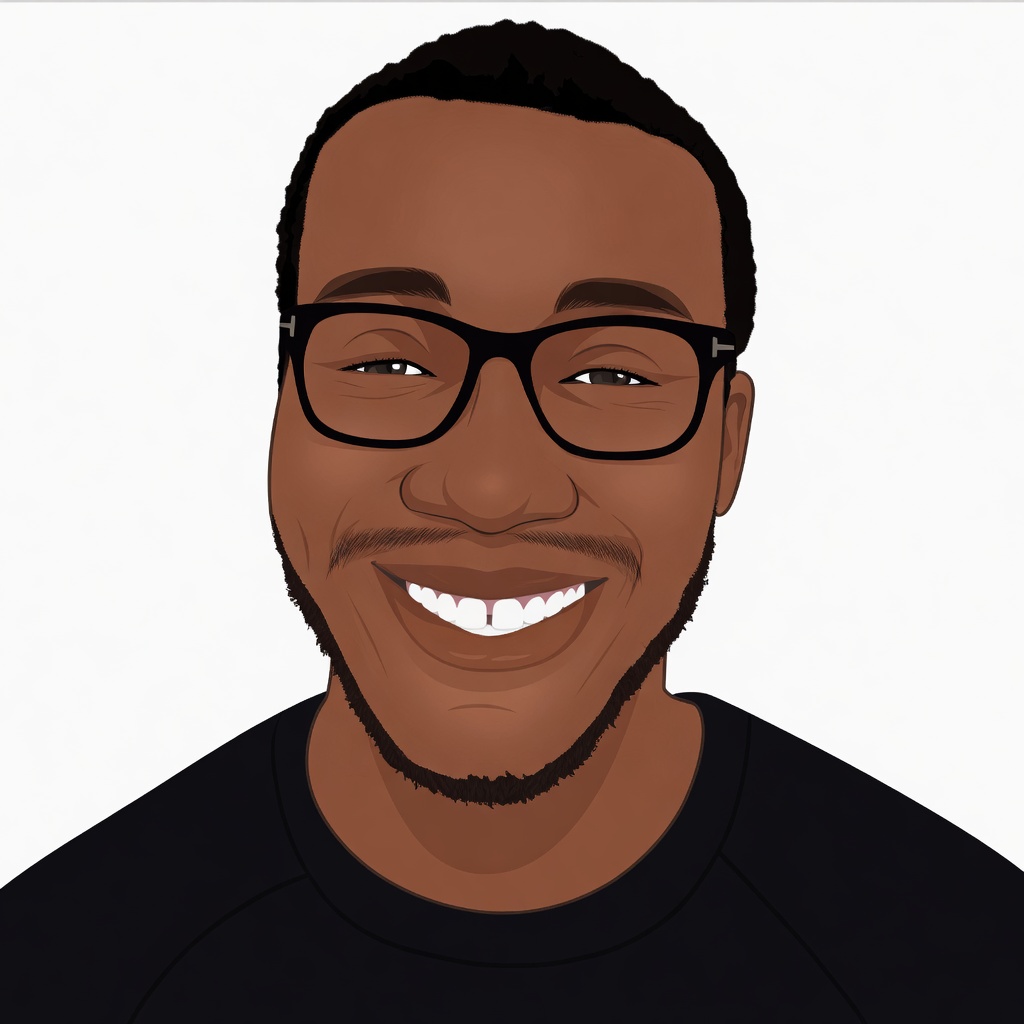
Tobenna Arodiogbu
Tobenna Arodiogbu is the co-founder and CEO of CloudTrucks, a San Francisco-based technology platform that gives independent truck drivers and owner-operators an all-in-one digital toolkit - from instant non-recourse payments and load booking to compliance management and business analytics. Born in Enugu, Nigeria, Arodiogbu previously co-founded Scotty Labs, an autonomous vehicle remote-operations startup that was acquired by DoorDash in 2019. CloudTrucks has raised over $141 million, including a $115 million Series B at an $850 million valuation led by Tiger Global and Menlo Ventures, making it one of the most well-funded platforms serving the backbone of American freight.
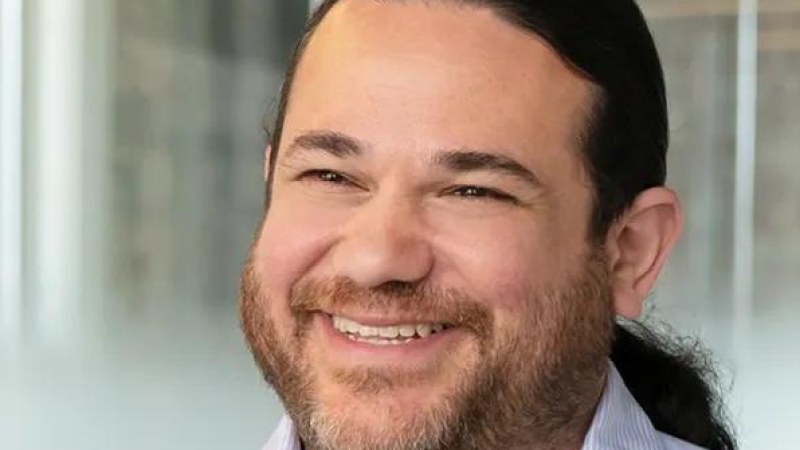
Tom Eliaz
Tom Eliaz is the Co-Founder and VP of Engineering at Bedrock Robotics, a San Francisco-based startup building autonomous systems for heavy construction equipment. With over two decades of software engineering leadership spanning robotics, cloud infrastructure, and AI, he previously led 100+ engineers at Twilio Engage, directed engineering at Segment through its $3.2B acquisition, and was an early cloud platform engineer at Anki. Before Bedrock, he also founded a healthcare technology company. At Bedrock - a $1.75B-valued company that raised $270M in Series B funding in February 2026 - Eliaz applies engineering depth to the problem of retrofitting excavators and heavy machinery with LiDAR, GPS, and AI software to run autonomously on construction sites 24/7.
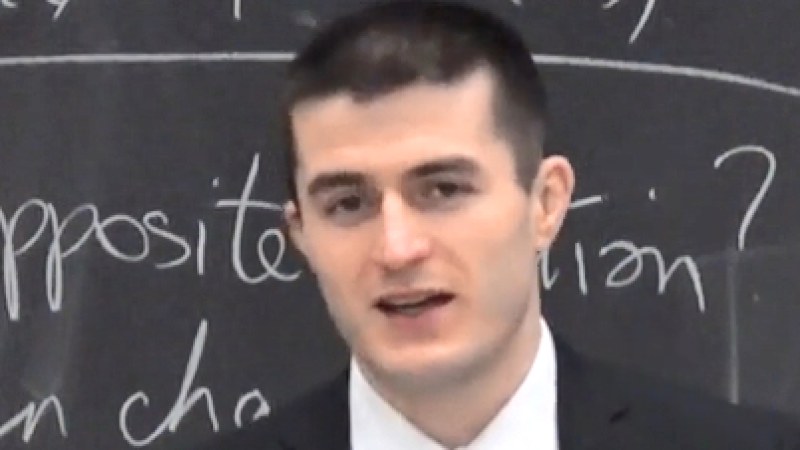
Lex Fridman
Lex Fridman is a Russian-American computer scientist, AI researcher at MIT, and host of the Lex Fridman Podcast — one of the most-watched long-form interview shows in the world. With a PhD from Drexel University and research spanning autonomous vehicles, deep learning, and human-robot interaction, he interviews everyone from Elon Musk to world leaders to Nobel laureates. A black belt in both jiu-jitsu and judo, he blends intellectual curiosity with martial discipline, and has built a YouTube channel with over 4.8 million subscribers and hundreds of millions of views.
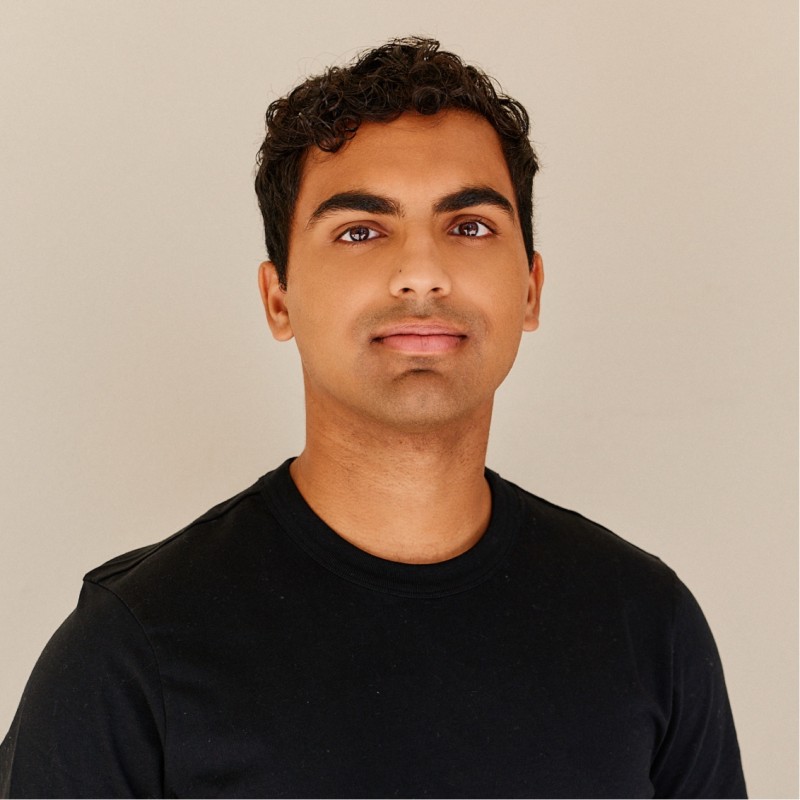
Abhishek Malani
Abhishek Malani is a Partner on Sequoia Capital's Growth team, based in New York. A Harvard Economics magna cum laude graduate (Class of 2022), he spent three years at Silver Lake Partners as a private equity associate before joining Sequoia in June 2025. He focuses on companies at inflection points - where market timing, product strength, and team ambition converge. His notable investments include Kalshi (federally regulated event trading, $22B valuation Series F) and Juicebox (AI recruiting platform, $30M Series A). He looks for founders who are deeply obsessed with their problem and willing to take bold action while staying open to course correction.
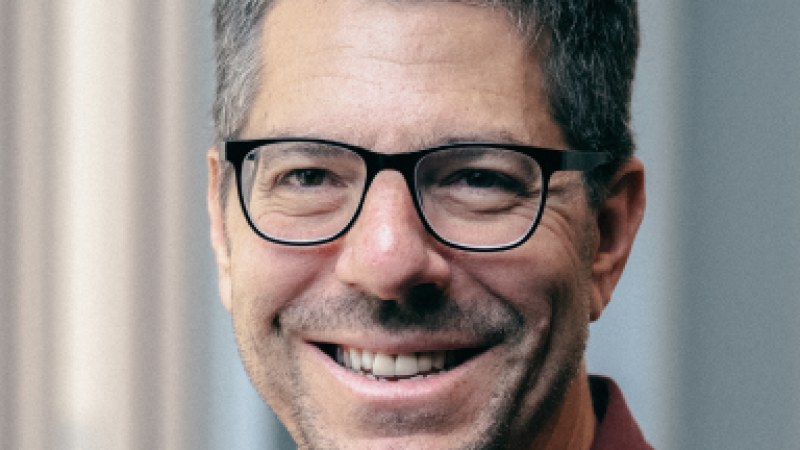
Jim Adler
Jim Adler is the Founder and General Partner of Toyota Ventures, the corporate venture arm of Toyota with $800M+ in assets under management and 90+ portfolio companies. A rocket-engineer-turned-serial-entrepreneur, Adler built the fund from a $100M seed in 2017 into a powerhouse backing frontier technologies in AI, autonomy, robotics, climate tech, and mobility. Known for his 'geek, suit, wonk' identity, he bridges deep technical expertise with sharp investment philosophy, insisting financial returns must precede strategic ones.