aerospace
(87)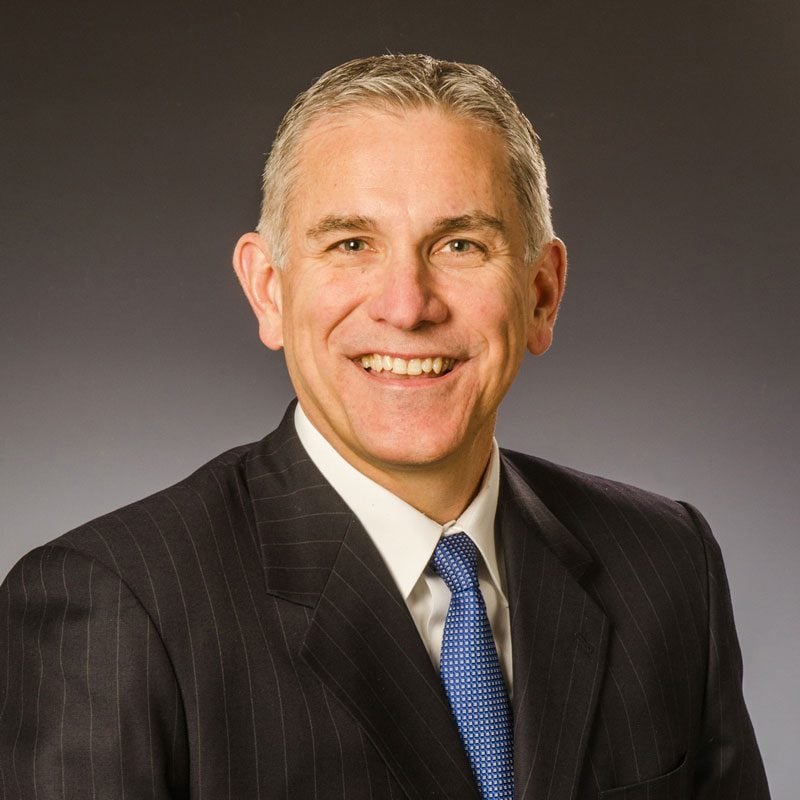
Tony Thene and the value of getting the metal right
An accountant’s route through the metals business took Tony Thene from an Indiana plant to Carpenter Technology’s chief executive chair. His career turns on a practical question: how do you make specialist knowledge worth more to a customer?
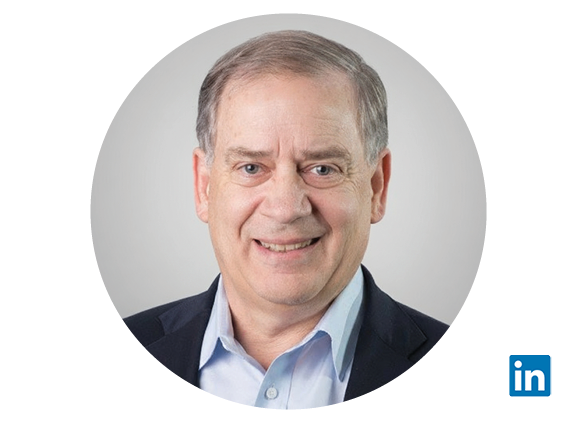
Steve Sliwa and the trouble with a perfectly good rock
Before he co-founded Seeq, Steve Sliwa learned to outwait NASA bureaucracy, led an aviation university, and helped grow a drone company. His career keeps returning to a practical question: what lets capable people get on with the work?
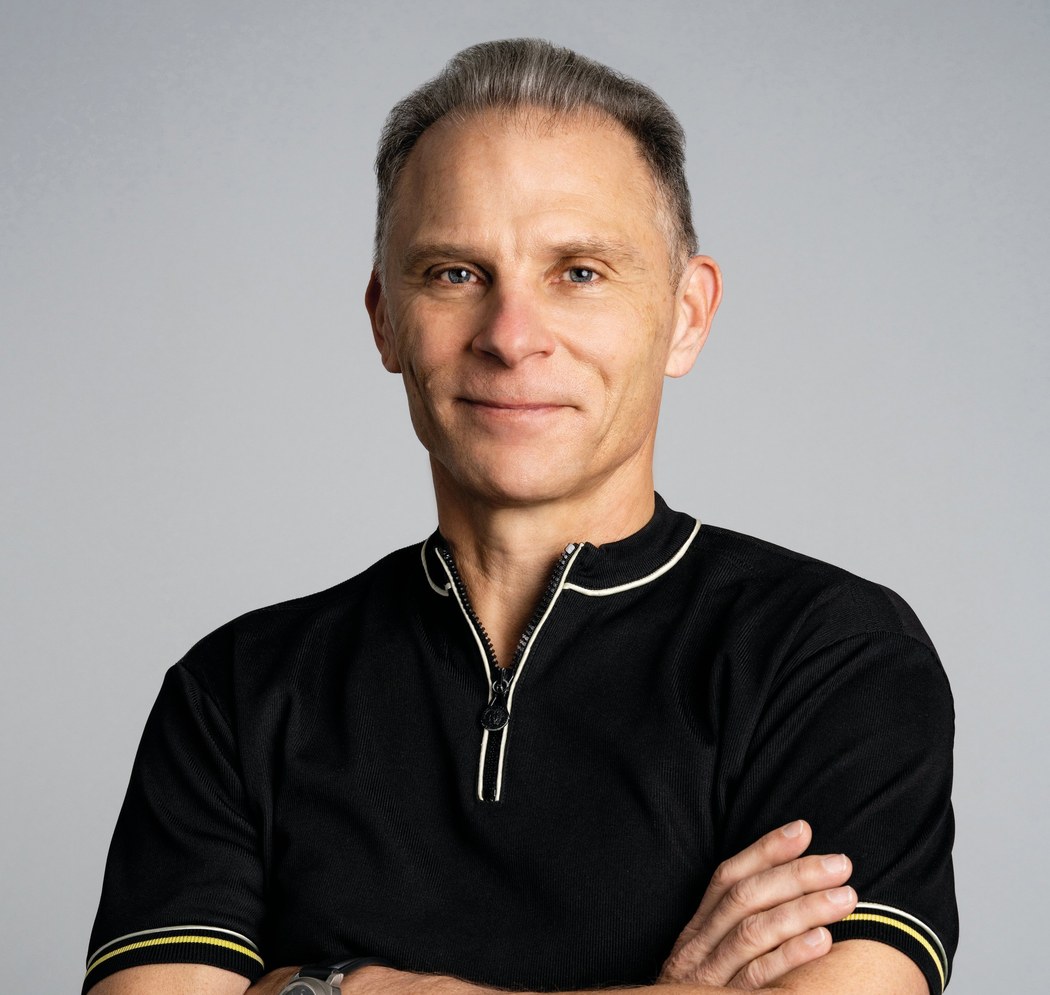
Kevin Czinger and the factory that refuses to stand still
He grew up building hot rods in Cleveland, took a detour through Yale and Wall Street, and returned to the factory floor. With his son Lukas, Kevin Czinger is trying to give manufacturing the freedom to change its mind.
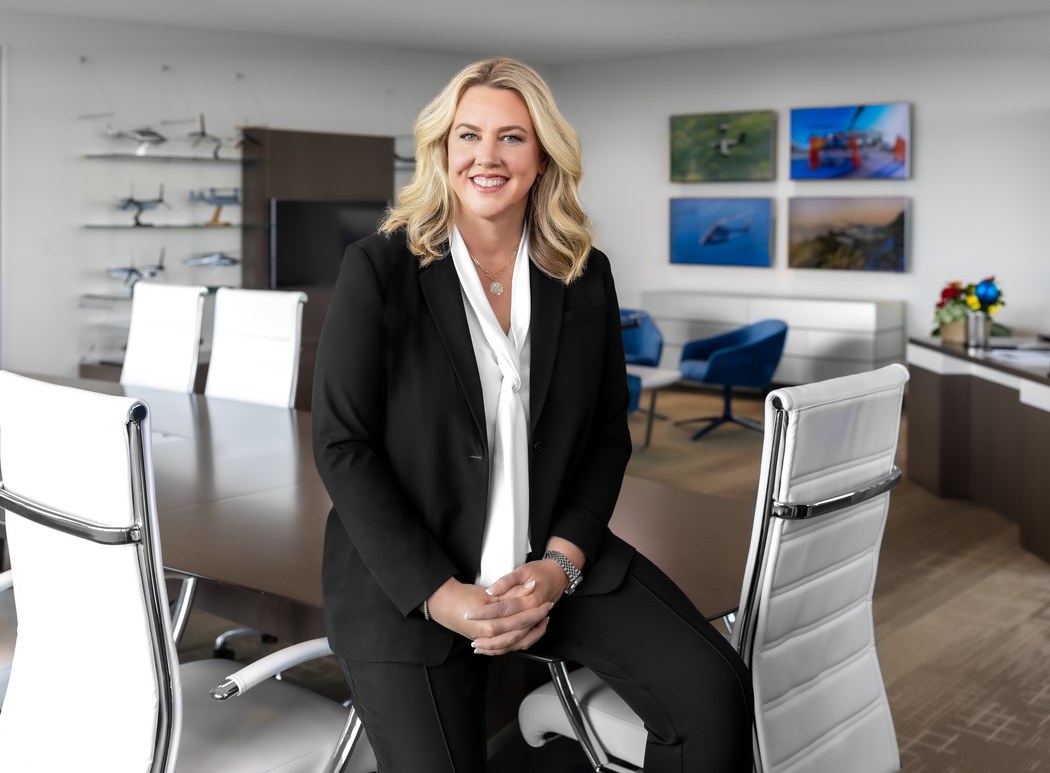
Lisa Atherton and the education of an unlikely CEO
An ice cream franchise, an Air Force budget office and a tiltrotor program helped prepare Lisa Atherton to lead Textron. Her career makes a case for taking the next job seriously before imagining the one after it.
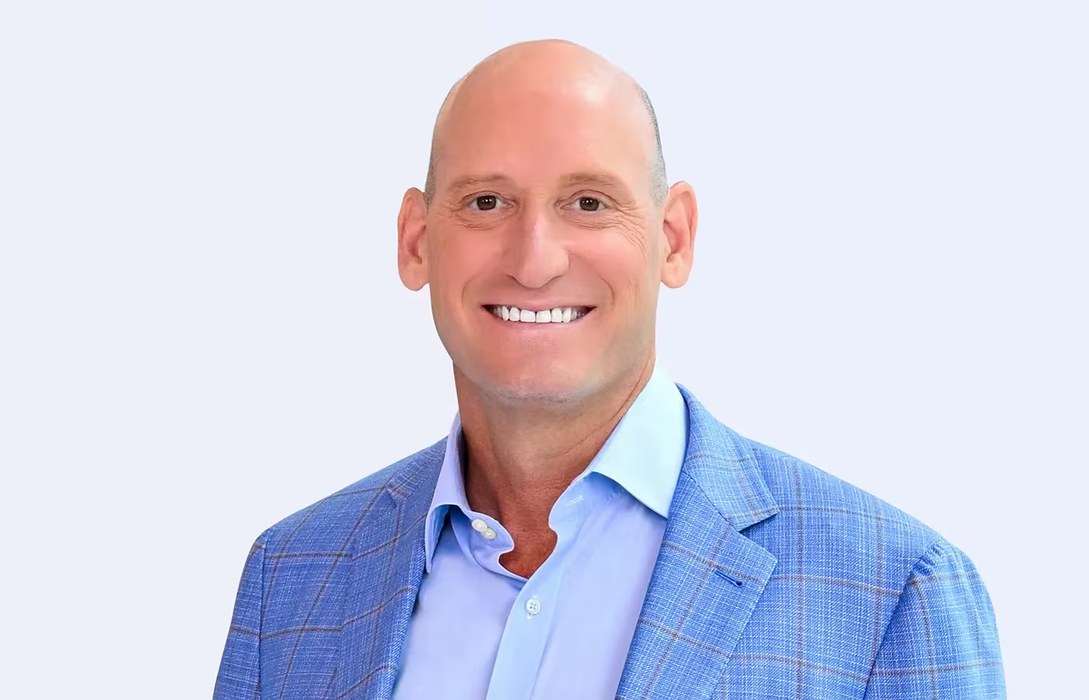
David Gitlin and the art of changing the machinery
After two decades in aerospace, David Gitlin took charge of Carrier and began changing what belonged inside it. His next test reaches from the home thermostat to the data center.
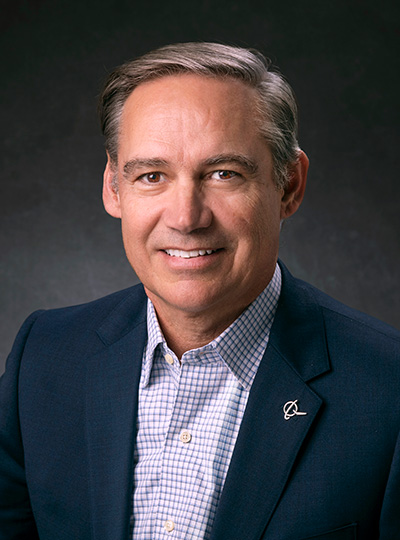
Kelly Ortberg and the distance between the office and the airplane
An Iowa engineer spent decades supplying the aircraft industry. Then Boeing called him out of retirement, and he moved to Seattle to get closer to the people building the planes.
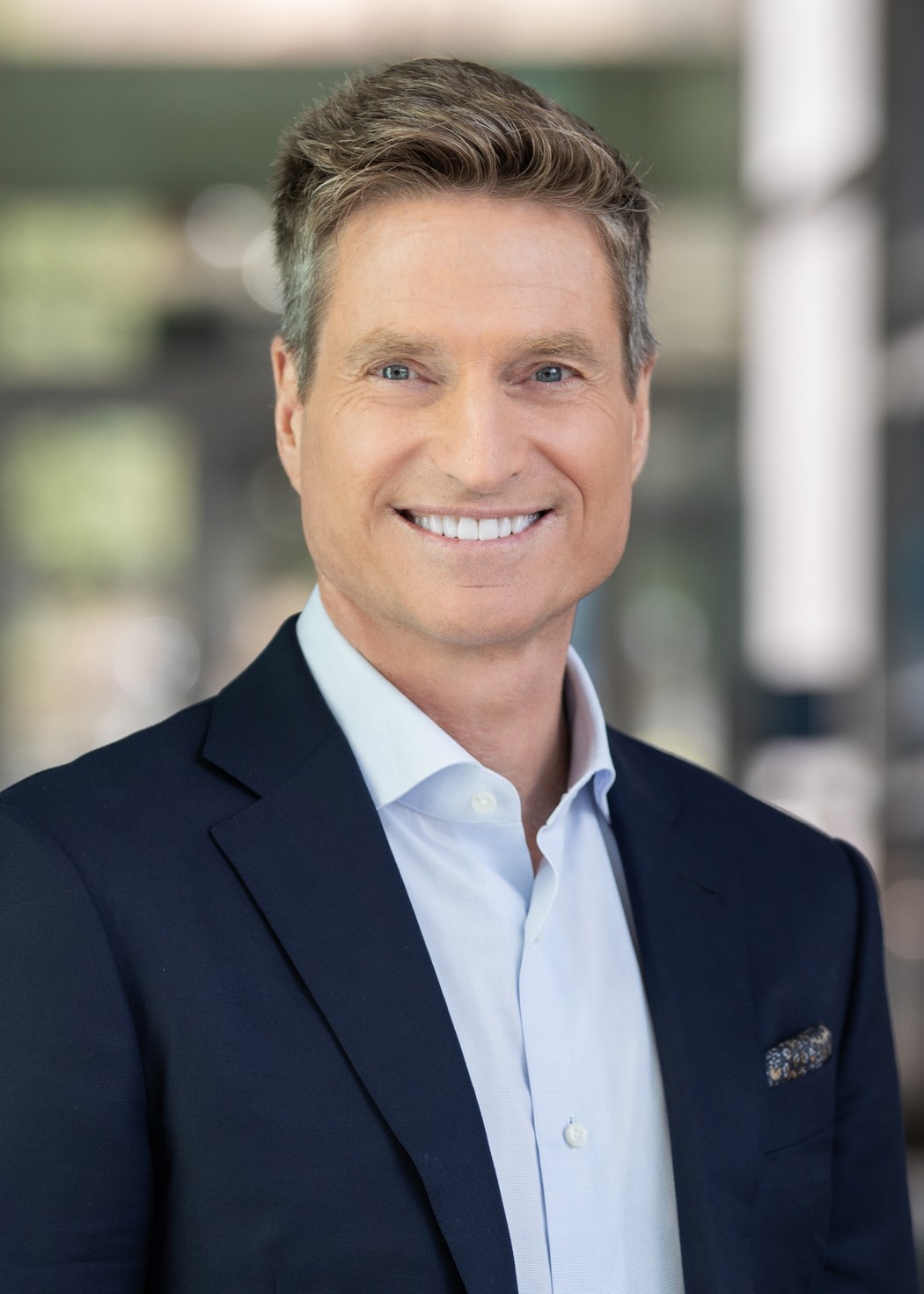
Jim Taiclet and the space between the machines
He learned to lead in a transport cockpit and spent 17 years running a cell-tower business. At Lockheed Martin, Jim Taiclet is betting that the connections between machines can matter as much as the machines themselves.
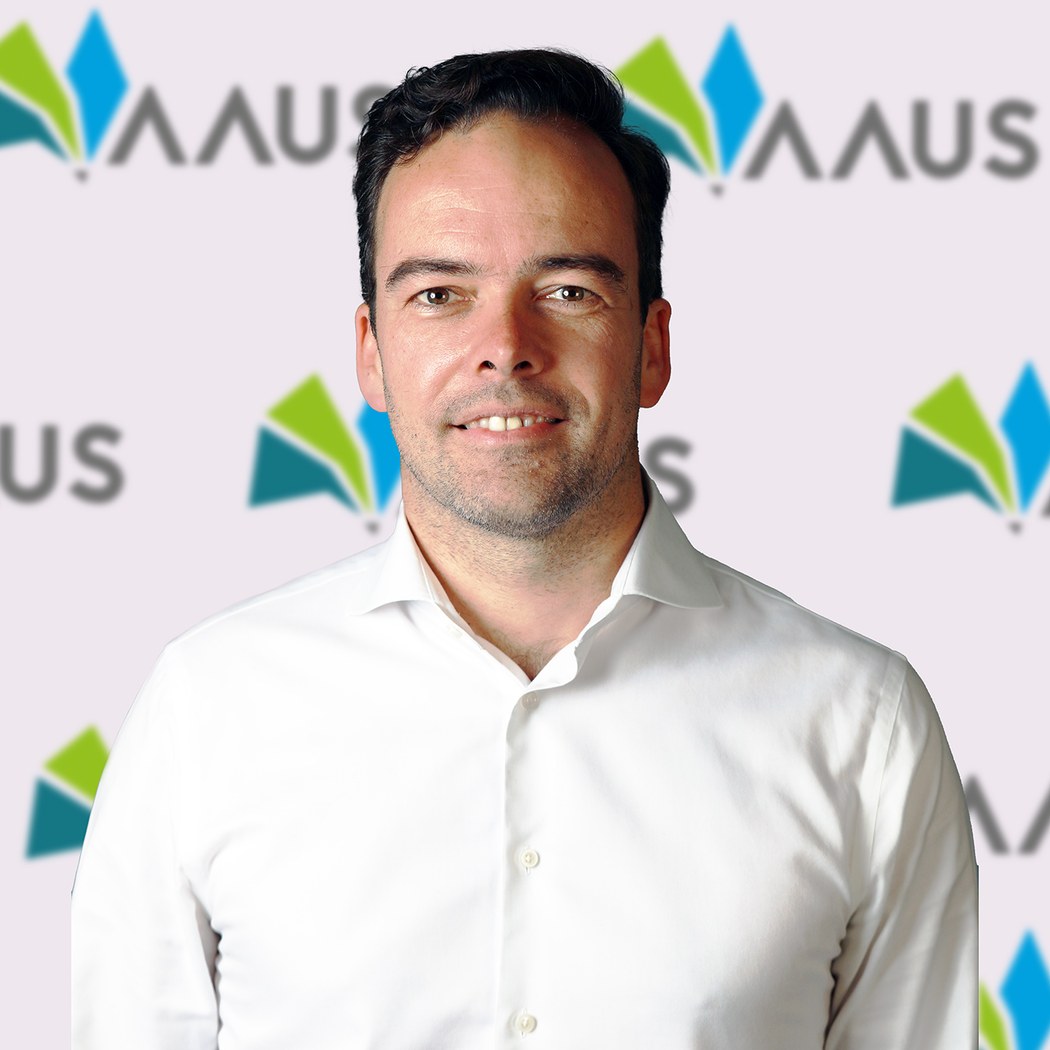
Philip van der Burg and the business of a second take-off
The former investment banker helped build a drone business at Carbonix. At Kite Aero, he is putting acquired aircraft, flight software and Australian manufacturing to work on the same stubborn problem: making uncrewed aviation a repeatable business.
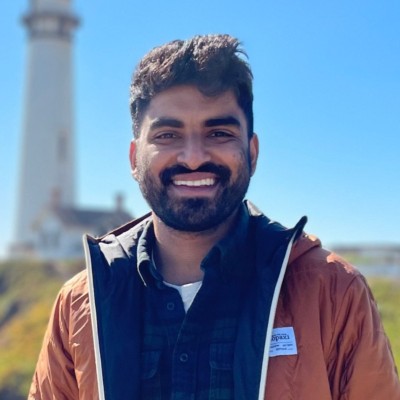
Shan Mohta’s most useful design was a change of plan
He built hardware at Microsoft, Apple, and Skydio. With Vendra, Shan Mohta had to learn a different engineering skill: letting go of a product so he could get closer to the parts.
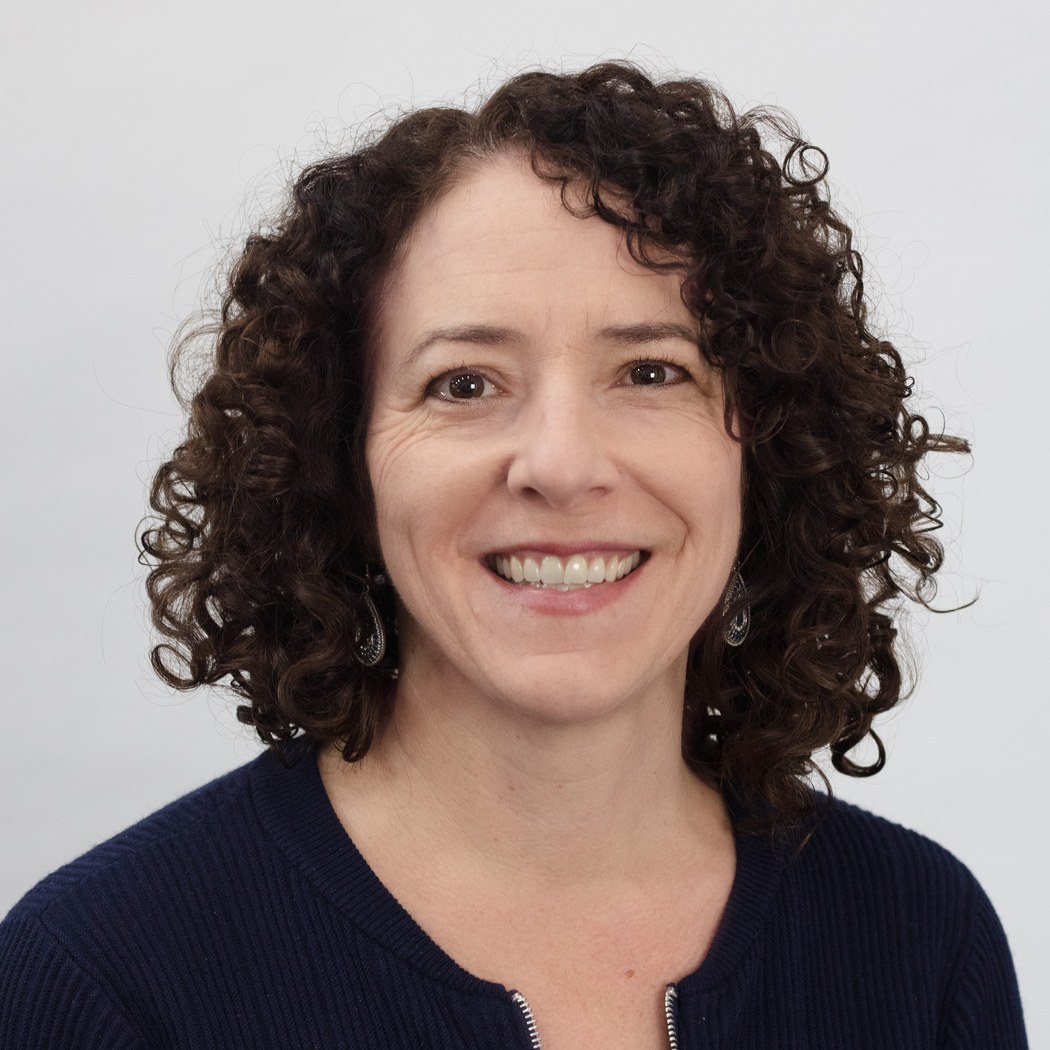
Jennifer Crean and the business of getting to liftoff
Satellites need engineers. They also need someone who can make the numbers, schedules and partnerships work. Jennifer Crean has built a career in that space between the ambition and the launch.
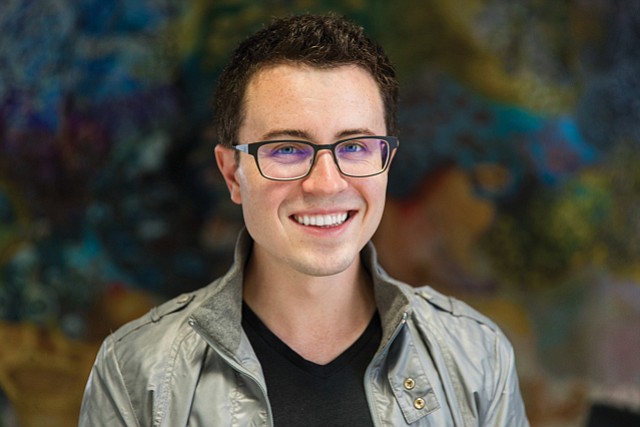
Tim Ellis and the factory at the end of the world
He went to Los Angeles to write movies. A student rocket lab sent him toward a different kind of production: printing the machinery for a future beyond Earth.
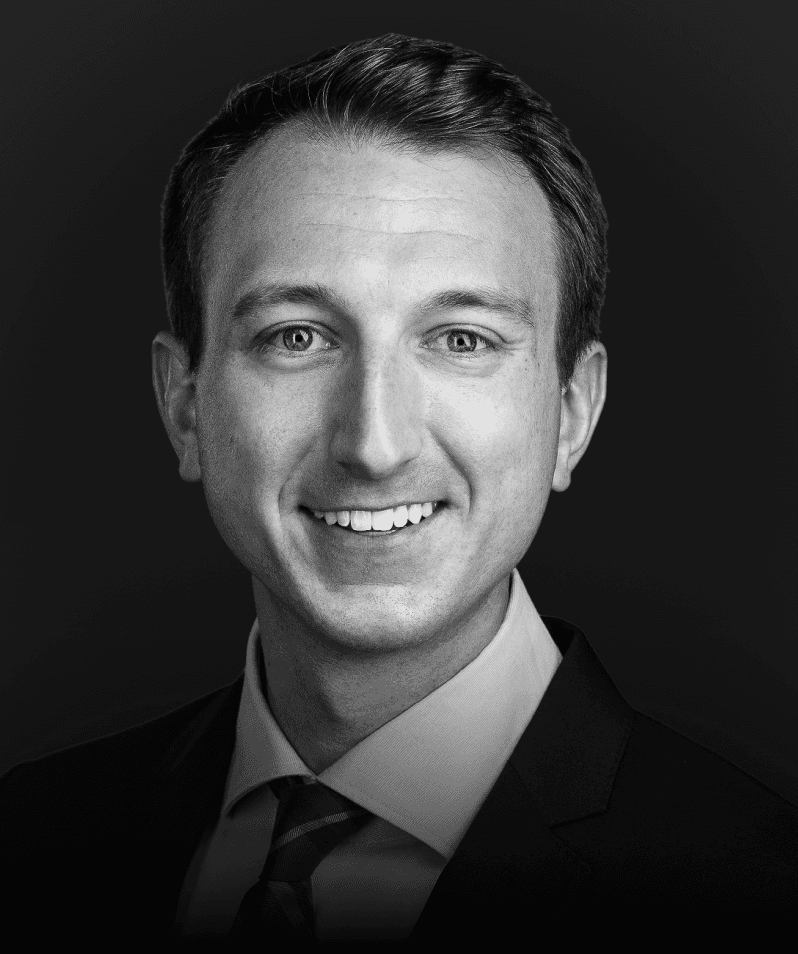
Sebastian Fischer and the art of changing the flight plan
From planetary spacecraft to delivery drones and self-driving cars, Sebastian Fischer built a career around making complex machines work together. At Wardstone, the company he co-founded with his brother, the next adjustment is bringing missile defense closer to the ground.
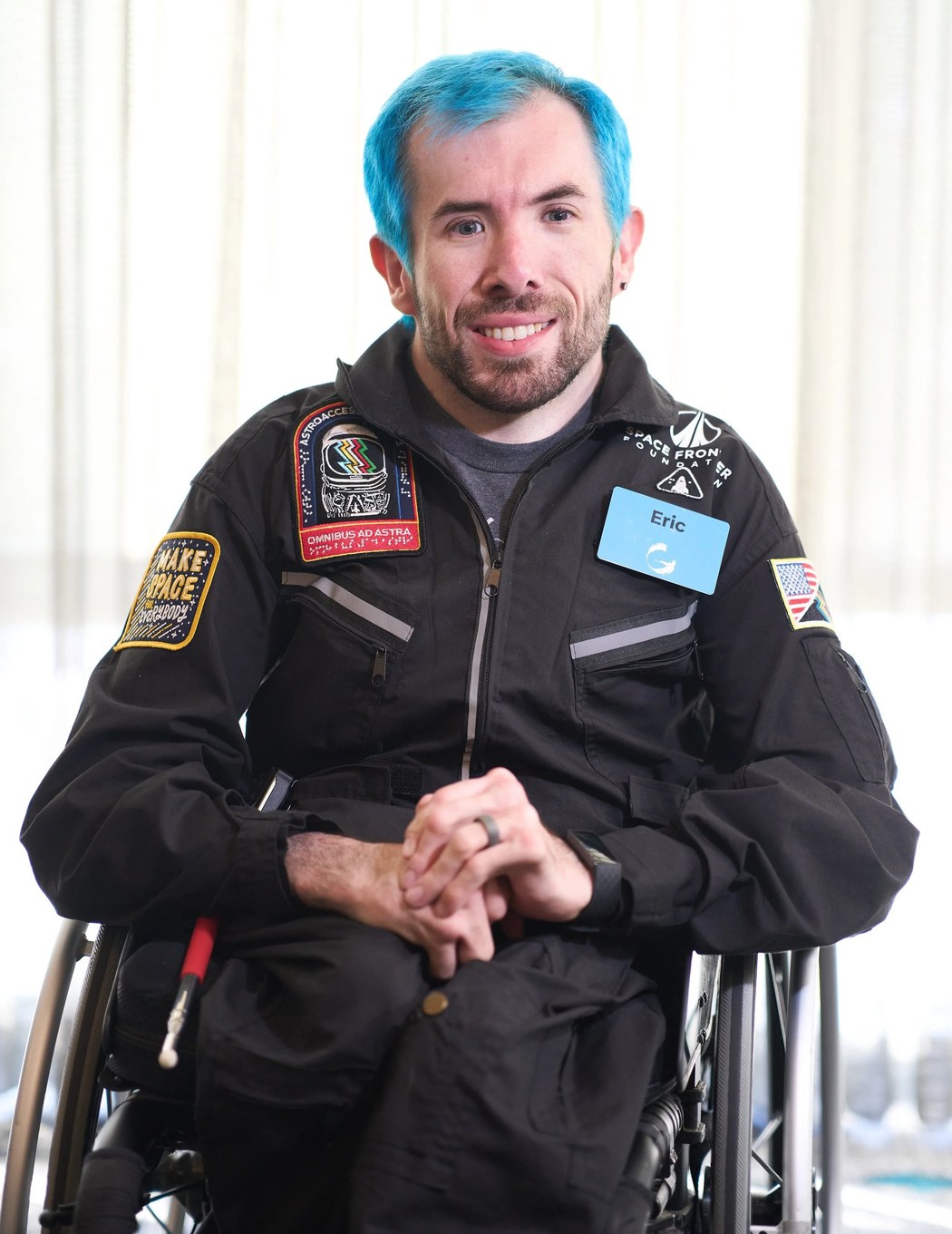
Eric Ingram and the useful art of getting out of the way
Eric Ingram built Scout Space to help spacecraft understand their surroundings. After five years as CEO, he began a different kind of navigation: finding the right moment to hand over the controls.
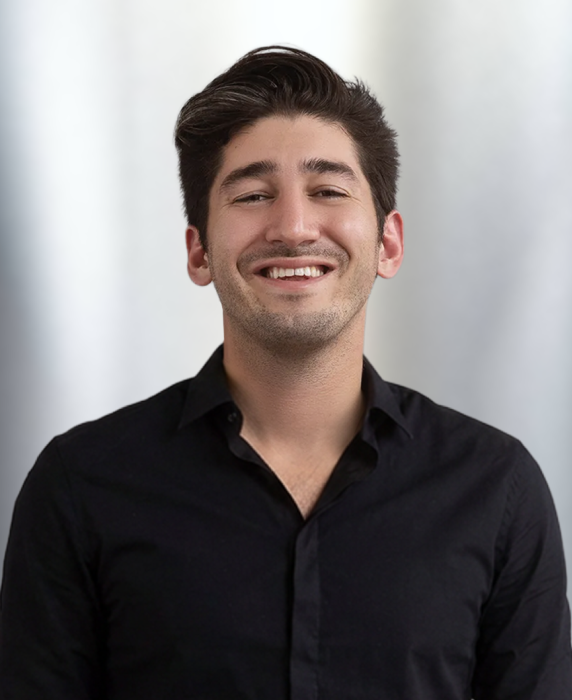
Kerem Ozmen and the Cost of Making Things Real
From Reno’s startup community to nuclear power, remote computing and electric racing, Kerem Ozmen has built an investing career around a stubborn question: what does it take to get an ambitious machine into the world?
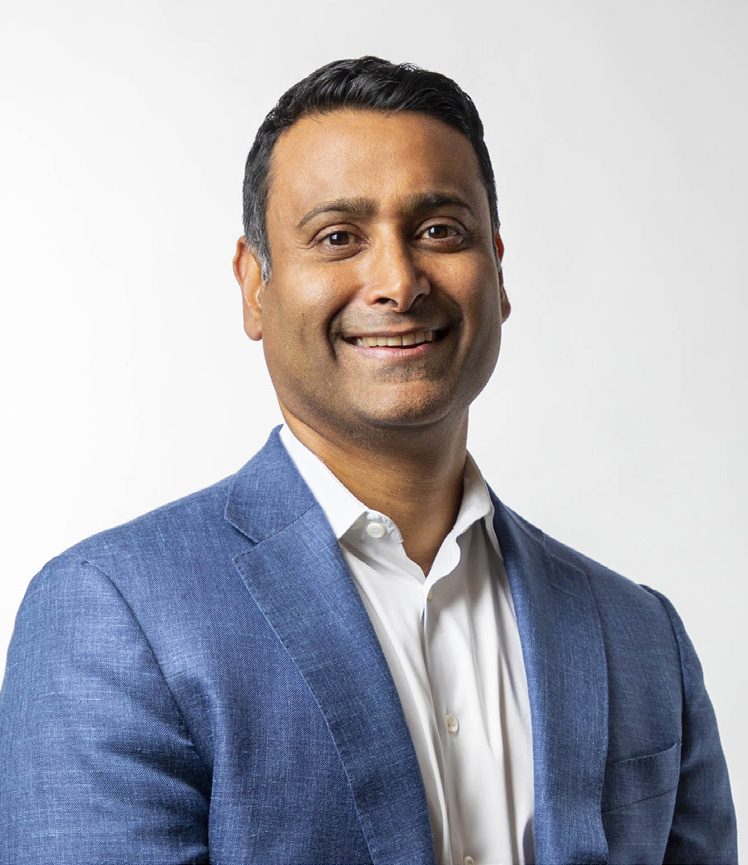
Rajeev Amara and the value of things that have to work
From elevator maintenance to aerospace components, Rajeev Amara has built Arcline around businesses with a practical job to do. His support for educators reveals another interest in institutions whose usefulness grows through other people.

Benna Iqbal and the things software profits can buy
A teenage web developer became the owner of businesses making aviation tools, managing aircraft records and serving power infrastructure. Benna Iqbal’s route from software to industry now stretches from Texas to Rotterdam.
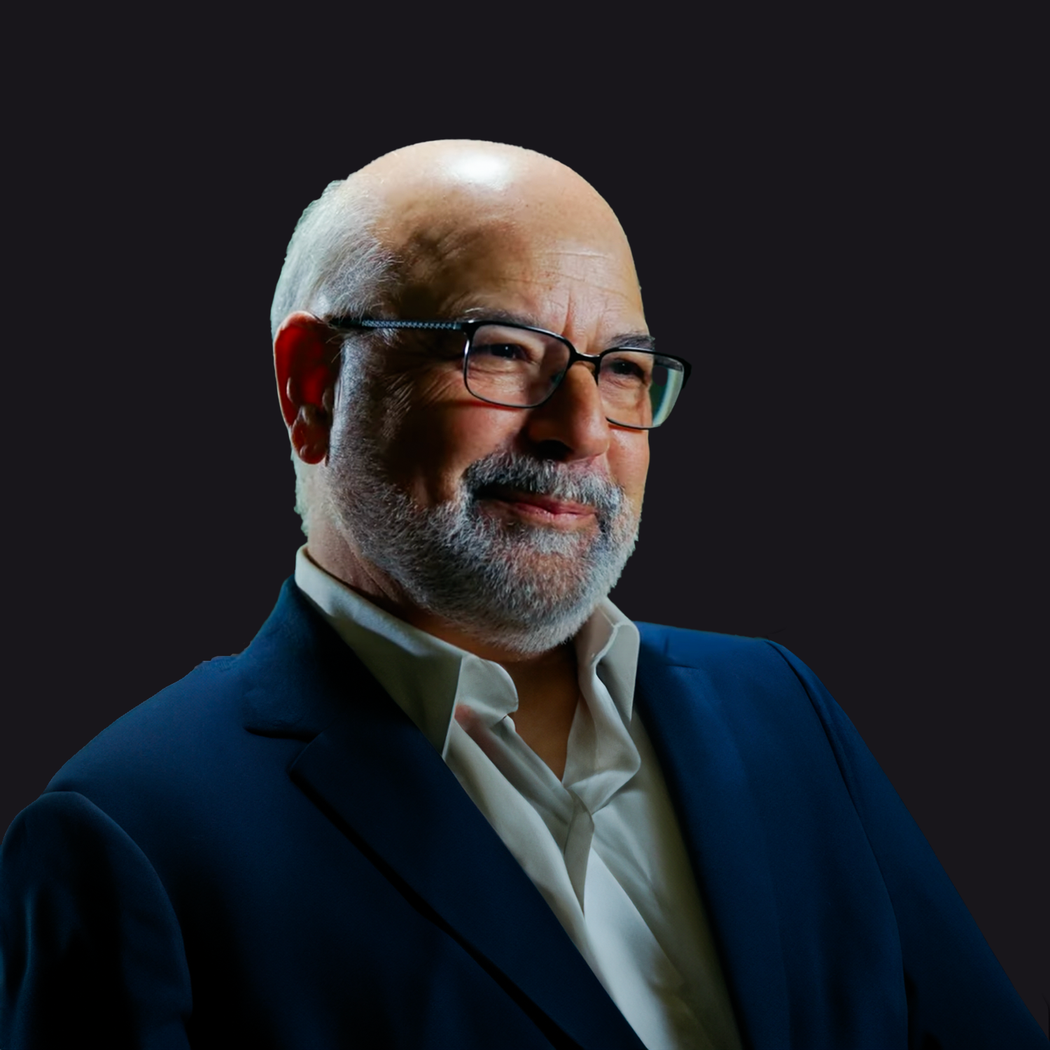
Leon Alkalai and the art of making an idea leave Earth
After 32 years at JPL, Leon Alkalai took his mission-building habits into a venture studio. Now the founder of Sophia Space is working on a different kind of payload: computers that process data in orbit and shed their heat into space.
Matthew Ritchie and the business of keeping the lights on
After years in aerospace operations, Matthew Ritchie co-founded Collective Manufacturing Group to give established shops another chapter. His first acquisitions put that promise to work, from a reopened Indiana factory to a Connecticut picnic that stayed on the calendar.
Swami Iyer and the business of coming back to earth
He wanted to become an astronaut. After a career in test flying and aerospace, Swami Iyer took charge of CIRI, where the destination is prosperity for Alaska Native shareholders.
Mark Hillenburg and the business of staying
He learned machining beside his father in a garage. Now Mark Hillenburg is buying manufacturing businesses with a longer horizon: keep the shops, invest in the people, and give their owners a way to retire.
Randall Mills Keeps All the Job Titles
He studied signals, managed aerospace programs and eventually gave himself a title long enough to require its own org chart. The constant is simpler: Randall Mills likes turning difficult work into work a team can do.
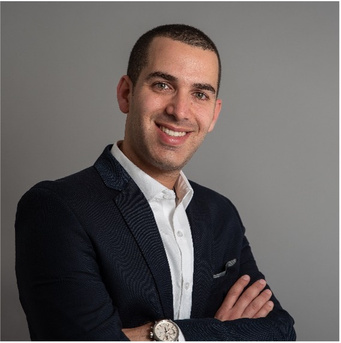
Ronen Lebi and the Factory That Forgets Its Tools
From Waze's early maps to metal shaped by robots, Machina Labs' chief business officer has built a career around turning clever technology into useful, repeatable systems.
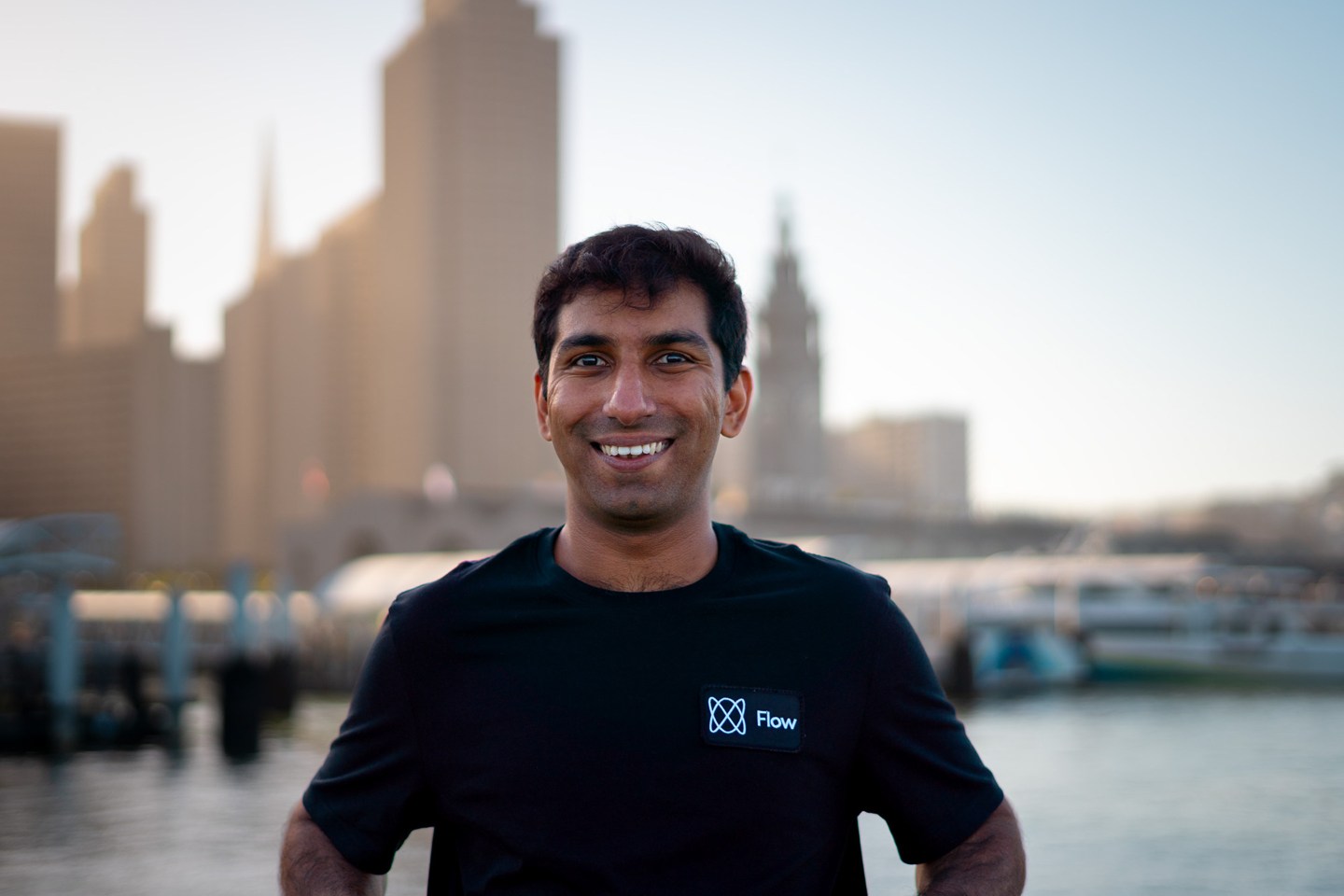
Pari Singh Wanted to Build Rockets. He Ended Up Rewiring How Engineers Build Everything
A rocket-company detour taught Pari Singh that hardware's real bottleneck was not the engine. It was the way people, requirements and decisions moved around it.

Noah Levy Put the RF Test Bench on Notice
After years building radios and test systems at SpaceX, Noah Levy decided the laboratory gear around them deserved a modern interface. Nine Fives is his compact, hardware-first answer.
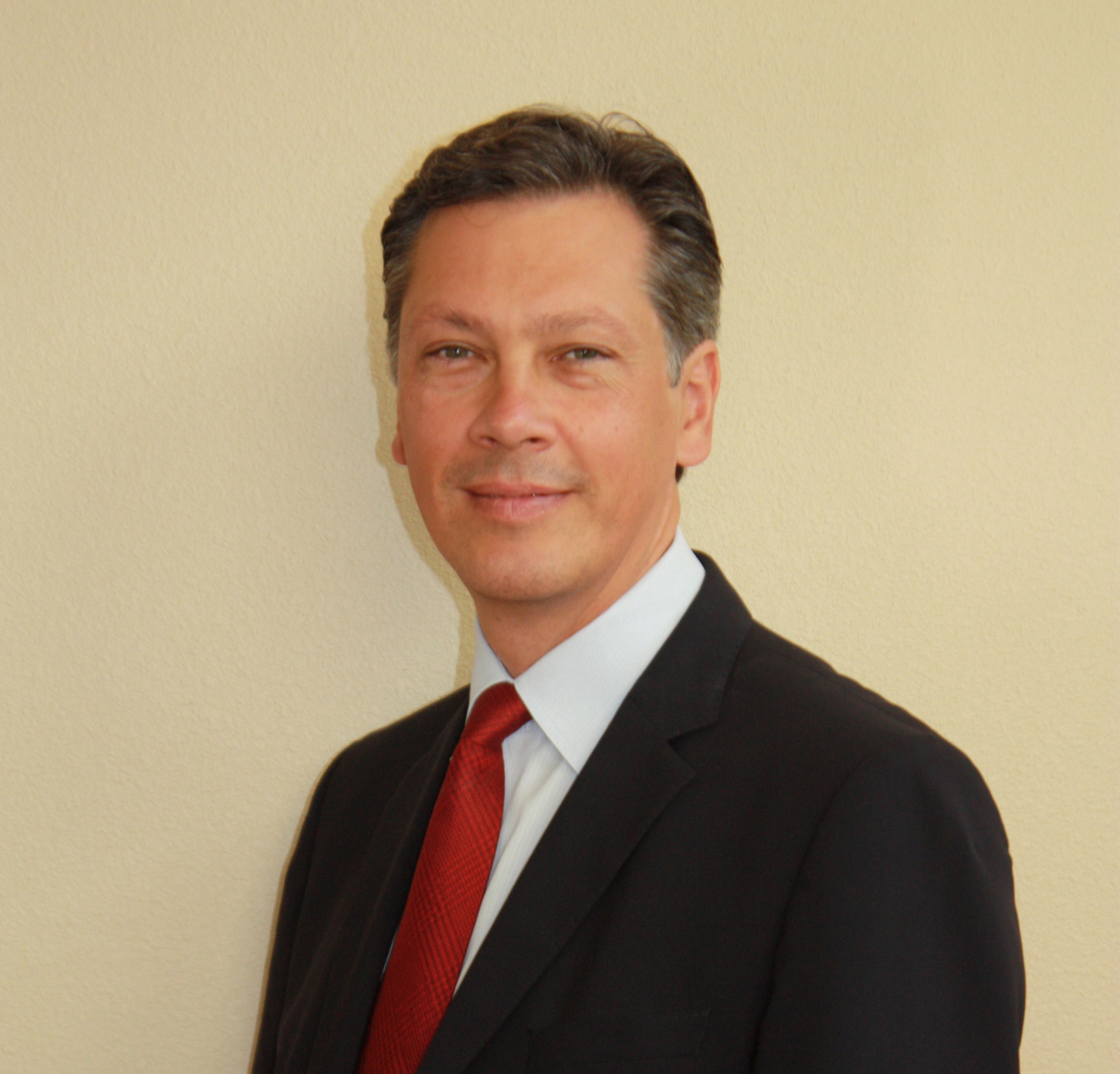
Bernd Lienhard Builds Chips for the Days When Physics Misbehaves
After three decades across the chip industry, the VORAGO CEO is betting that the next computing frontier belongs to machines that cannot reboot, phone home or politely ask the universe for better conditions.

Jake Guglin Bet the Next Industrial Era on Metals That Never Melt
A philosophy graduate heard two words - stronger metals - and followed them from an MIT classroom to rocket factories and a new way of making alloys. Now Jake Guglin is trying to turn a 7,000-year-old industrial habit into a choice.
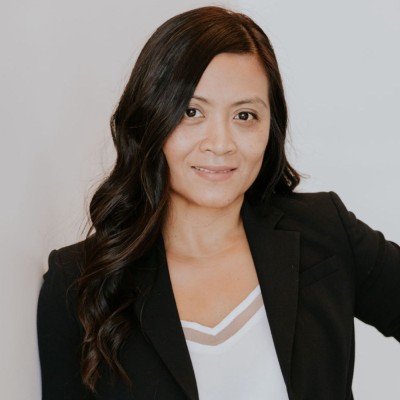
Nathalie Siphengphet Is Building a Brand From the Inside Out
After helping tell the story of a new aircraft and opening doors for women pilots, Nathalie Siphengphet returned to an industry she once left behind. At NQX, she is turning customer experience into a lesson about culture, technology, and the people behind every interaction.
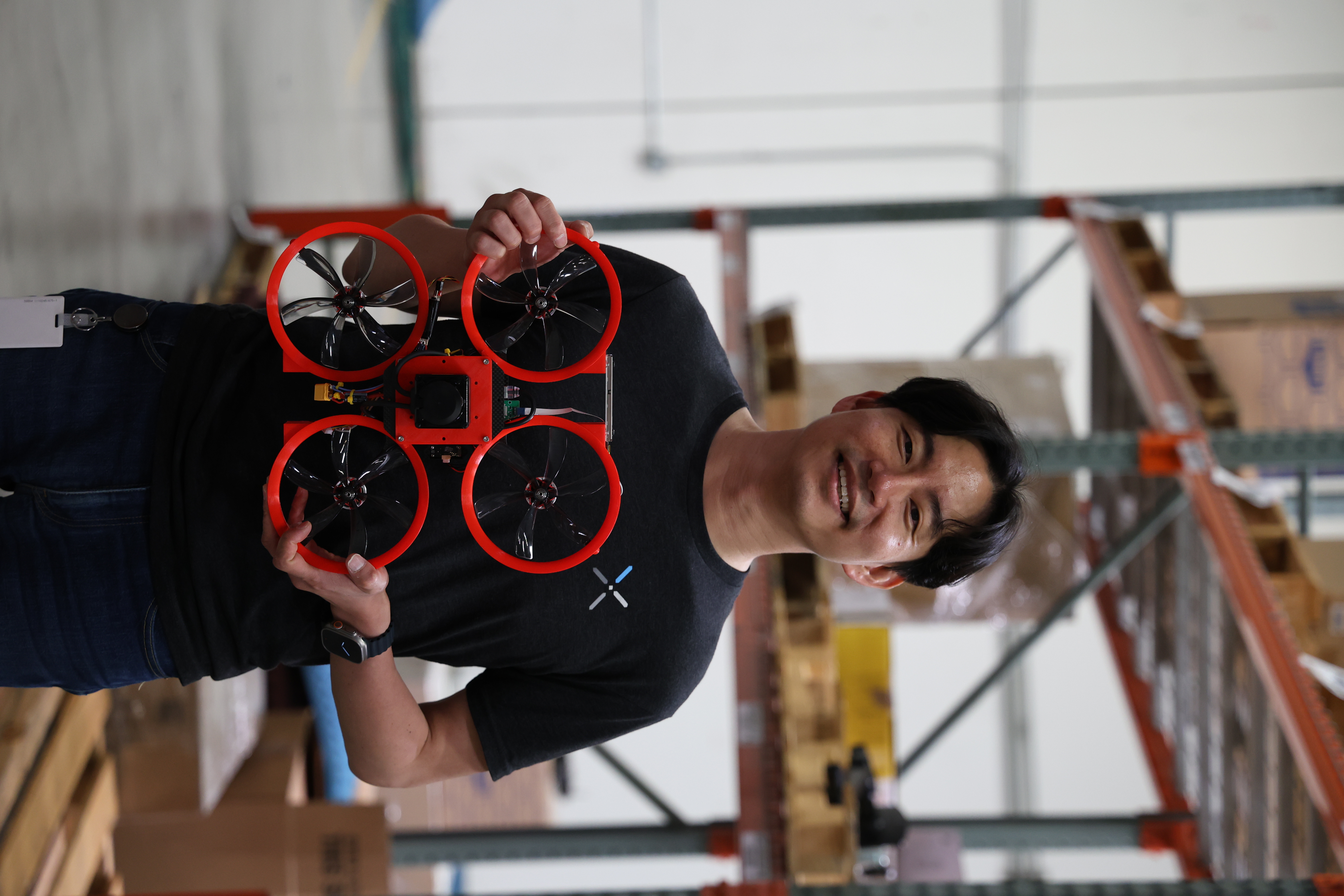
Aiden Kim Built a Drone for the Places GPS Forgot
The B GARAGE founder spent years studying decisions under uncertainty. Then he turned that training toward a stubborn warehouse problem: knowing what is actually on the shelves.
Jackie Helfrich Sells the Invisible Parts That Hold the World Together
She markets connectors and sensors most people never see - the components inside airplanes, hospitals, factories and power grids - and has spent 20 years turning quiet industrial hardware into a story buyers can follow.
Ronald Henry
A marketing chief inside a 130-year-old industrial name, working out of the Ohio city where powered flight was invented.