product-design
(186)
Matevž Petek’s second act began with a different point of view
Before founding Povio, Matevž Petek won World Championship silver in snowboarding. A photo app took him to Silicon Valley; building for other founders gave him a business. Now he is helping lead Slovenian snowboarding into its next chapter.

Kyle Michelson and the art of changing the invitation
Before Getlabs, Kyle Michelson built a live-streaming company that found its audience by changing its pitch. His career keeps returning to the same question: how do you make people want to join in?
Roberto Ortiz knows when to leave a good thing
A job at sixteen. A dream role at Google. A startup that needed a new purpose. Welcome co-founder Roberto Ortiz has made a career of knowing when to stay with the craft and when to change the plan.
Raad Mobrem turned a dog-toy problem into a $30 million exit.
Before cofounding Intro, Raad Mobrem built software to keep a pet-products business in order. The sale to Intuit gave him a second question to work on: how do you make a useful introduction available to more people?
Yves Béhar would like to redesign your assumptions
A basement workbench in Lausanne led to a career questioning what everyday objects ought to do. At fuseproject, Yves Béhar gives those questions a physical form - from a suspension-inspired chair to a pickup that takes up less street.
Ronen Shilo keeps finding reasons to come back
From Conduit’s browser toolbars to Como’s customer loyalty business, Ronen Shilo built software around the return visit. With Motiva and Klydoclock, the engineer has brought that fascination home.

Joe Thomas and the feature that escaped the business plan
With two weeks of money left, Joe Thomas and his co-founders let a small recording tool go its own way. The experiment became Loom, and changed what it could mean to show up at work.
Ofir Ejnes and the art of waiting to build
After two decades building software businesses, Ofir Ejnes started Elfie with a designer and a pause. His second act began by deciding what had to happen before the first line of code.
Dustin Freckleton and the trouble with making things small
A wristband, a crowdfunding promise, a ring. The Happy Health co-founder’s career turns on the distance between an elegant idea and something people will actually use.

Justin Miller and the pool that wouldn’t take care of itself
He helped bring pool care onto the phone, sold pHin to Hayward, and watched the service close. With Crystal Water Monitor, Justin Miller returned to the same backyard problem with a different design.

Gaspard de Dreuzy and the trouble with the first click
Before co-founding Pager, Gaspard de Dreuzy brought a video-game producer’s instincts to Wall Street. His path through Kapitall, TradeIt and Ulys keeps returning to a deceptively difficult question: how do you help someone begin?
Tony Stubblebine and the habit of starting over
The Coach.me cofounder spent years helping people change what they do every day. Then he took over Medium, where the habits that needed changing belonged to the company itself.

Matteo Lai and the wall that learned to move
Before co-founding Empatica, Matteo Lai helped design a building with walls of water. His route from architecture to wearable technology keeps returning to a deceptively simple question: how should an object respond to a person?
Zel Crampton and the trouble with an ordinary dog crate
A dog named Louise gave Zel Crampton a reason to question a familiar object. Building DIGGS taught the engineer how much work sits between a better idea and a box on the shelf.
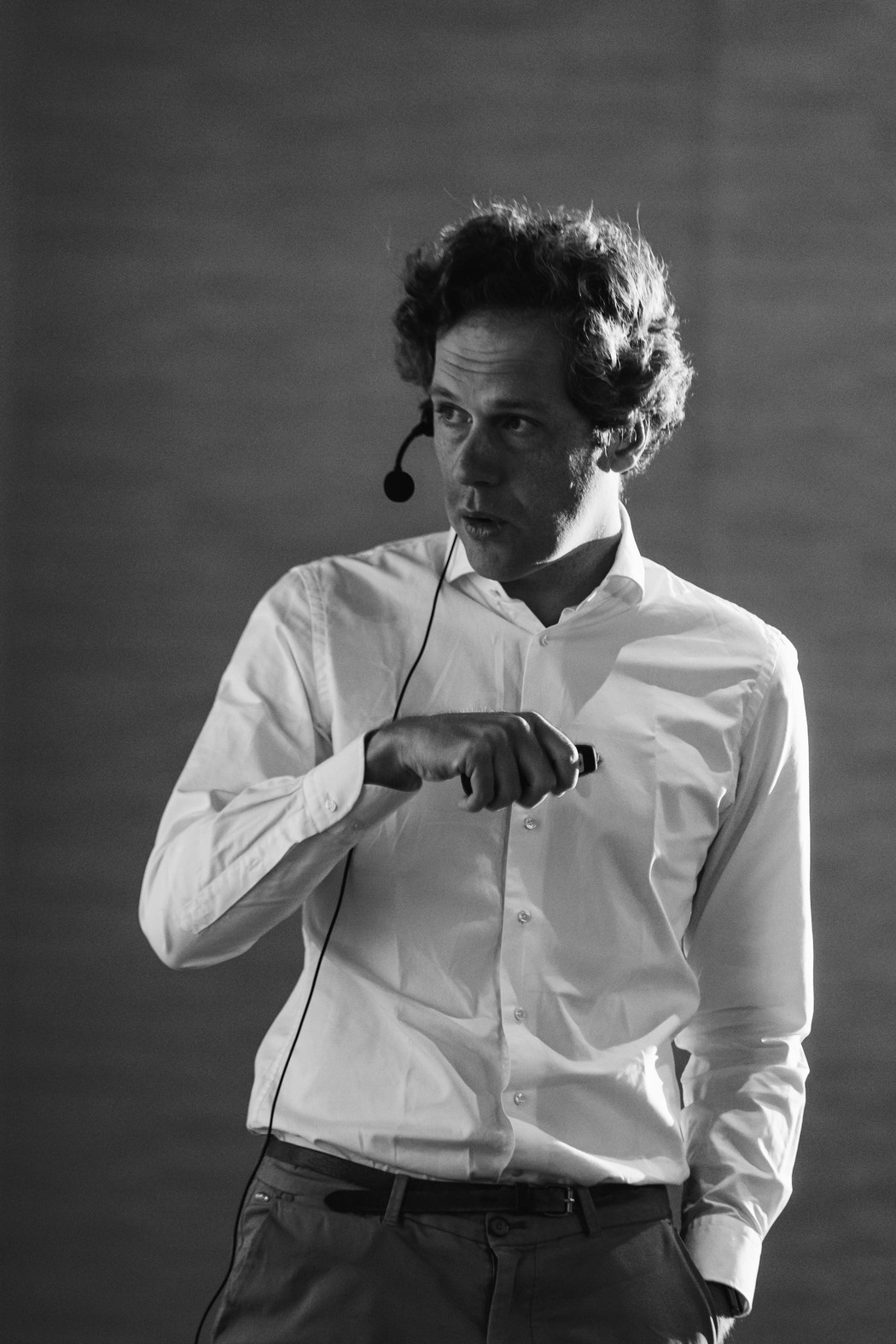
Pieter Omvlee and the art of leaving things out
A drawing tool built for one designer became a business serving a million customers. For Sketch co-founder Pieter Omvlee, the hard part has been deciding what belongs - in the software, in the company, and in a working life.

Phil Libin and the things worth keeping
A stranger helped save Evernote. A camping towel helped start his next company. Now Phil Libin is testing how much of a good life can be built into the things he makes.
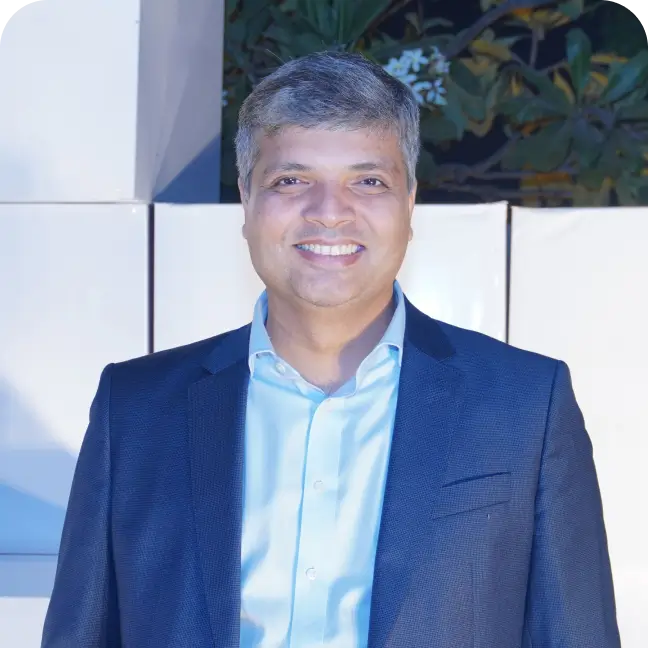
Jayesh Mori and the patience of the customer
He built a consulting business, then a CRM with two former classmates. Now Jayesh Mori is bringing the same question to AI commerce: how much work should software ask of the person using it?

Tomer Shussman and the trouble with being right
The OneStep co-founder trained in physics and led 150 cadets. Then an early app test taught him how much a careful plan can miss.

Michael Topolovac and the trouble with making things
A teenage submarine, a factory full of parts, and a necklace with a second purpose. Across Light & Motion, Arena and CRAVE, Michael Topolovac has kept returning to the awkward details between an idea and the person who uses it.

Ariela Safira and the art of changing the plan
She treated a Stanford scholarship like a gift card, cycled across countries, and built a company that outgrew its original blueprint. Ariela Safira has made a habit of asking which rules deserve to survive.

Ujj Nath and the Long Afterlife of a Bad Oil Change
A missed callback helped set myKaarma in motion. Its co-founder, Ujj Nath, has spent years working backwards from the small frustrations that make customers leave.
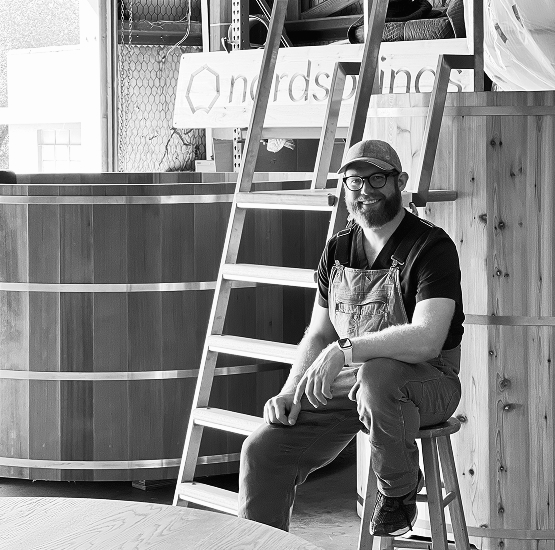
Will Mayo keeps changing the way a story reaches you
A father’s cassette tapes, an engineering degree and a web full of silent articles led Will Mayo to SpokenLayer. His next chapter, in an Austin workshop, brings the same attention to a very different material.
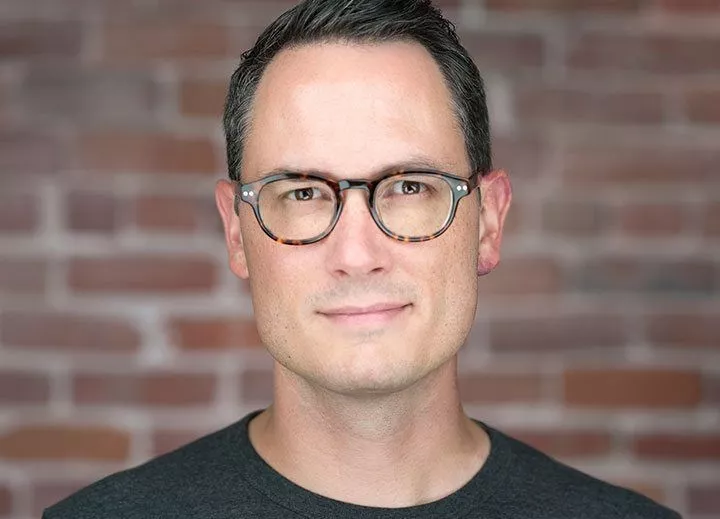
Matt Fairhurst and the art of keeping everyone in time
Before he co-founded Skedulo, Matt Fairhurst played drums and built websites for his band. The same interests - design, coordination and making things work together - followed him into software for people whose working lives happen away from a desk.
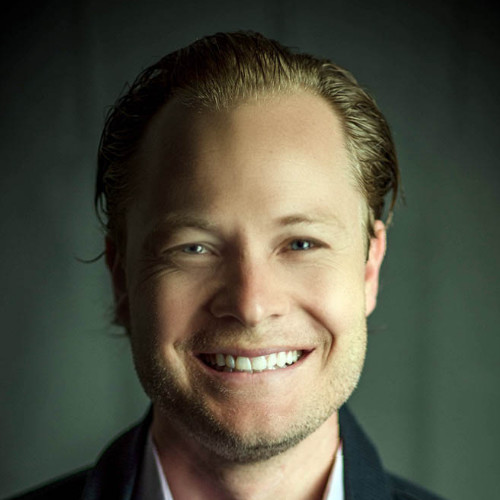
Ryan Dawson’s oilfield theory: make it worth the click
Before Corva could help automate a drilling rig, Ryan Dawson had to make oilfield software worth using. His route from consumer technology to well construction has been an education in design, trust and knowing when to let other people build.
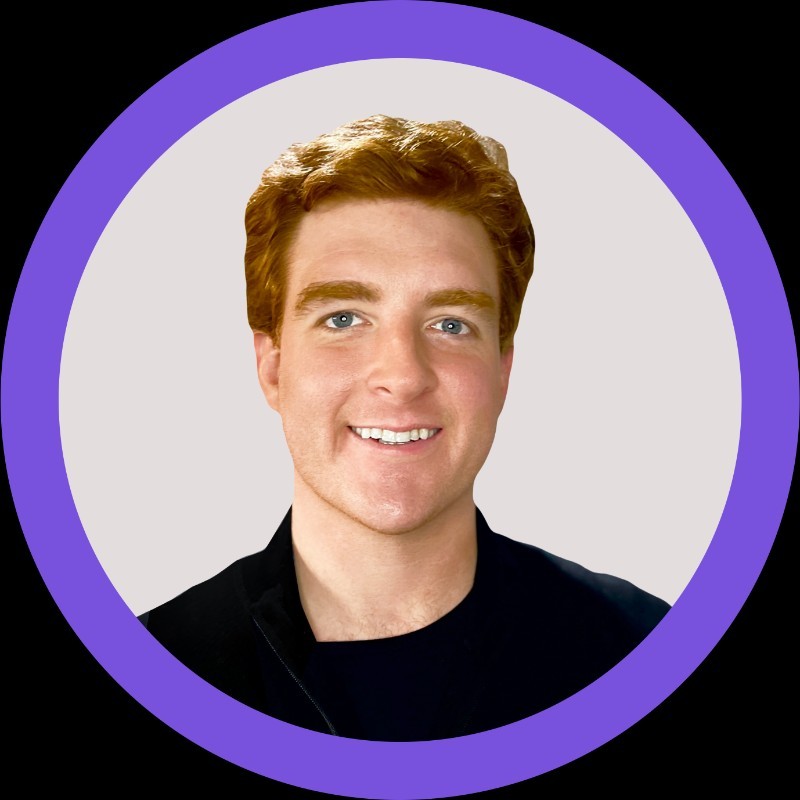
William Ballance sold the car. Then came the billboard.
Before Lavender reached Times Square, William Ballance sold his car to keep building. His route from alumni fundraising to AI email software runs through a college rescue, a chance meeting and a stubborn interest in getting people to reply.

Jory Bell and the problem with pockets
At OQO, Jory Bell tried to put the whole Windows PC in your pocket. His route from ocean robots to Apple laptops and venture investing reveals a lasting interest in the awkward distance between an idea and a working machine.
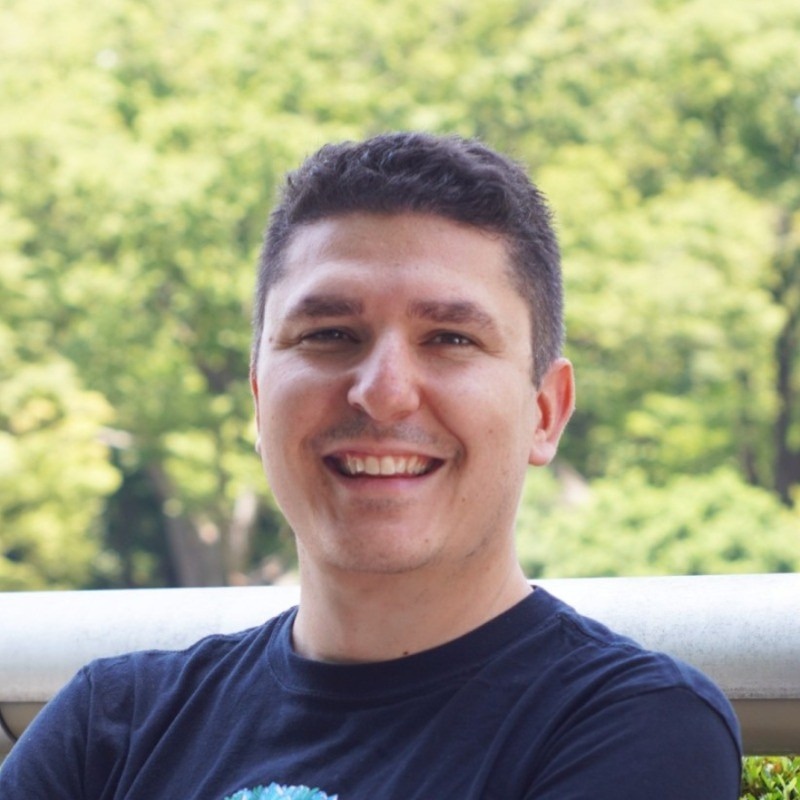
Antonio Bustamante and the two-hour problem
A food distributor showed Antonio Bustamante what his software had left unfinished. At bem, the engineer and designer is still working on the distance between a stack of invoices and a useful answer.
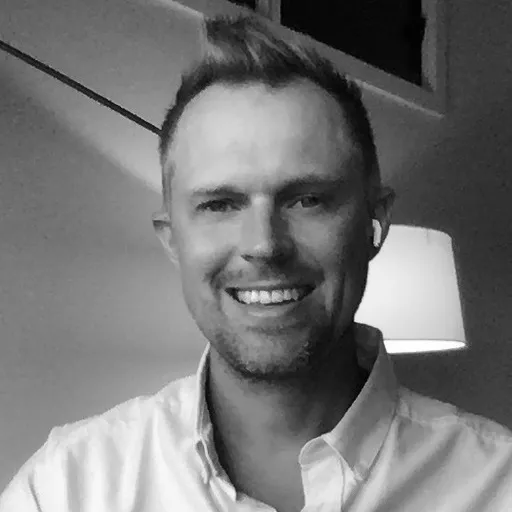
Tim Turner and the value of a small congregation
A free app for his local church changed the direction of Tim Turner’s software company. Twenty years after founding Subsplash with his wife Kristy, he is still following the work that first brought them there.

Jeremiah Robison and the problem with standing still
From handwriting recognition at Apple to the mobile web, social networks and CIONIC, Jeremiah Robison keeps moving software into unfamiliar territory. His career is a study in what happens when code has to get along with the physical world.

Alex Mather and the price of caring too much
A Philadelphia fan went looking for better stories about his teams. Six years after Alex Mather and Adam Hansmann launched The Athletic, The New York Times agreed to pay $550 million for their answer.