media-buying
(191)
The Agency That Put Nine Specialists on One Leash
Pavone Group's bet is that a holding company can behave like a neighborhood agency: nine specialist shops, one shared bench, and a bulldog that doubles as an operating philosophy.
The Omaha Agency That Starts by Keeping Quiet
Most agencies arrive with ideas. OBI Creative arrives with questions - then follows the answers all the way from the interview room to the media buy.
Brigade and the Question That Sold the Movie
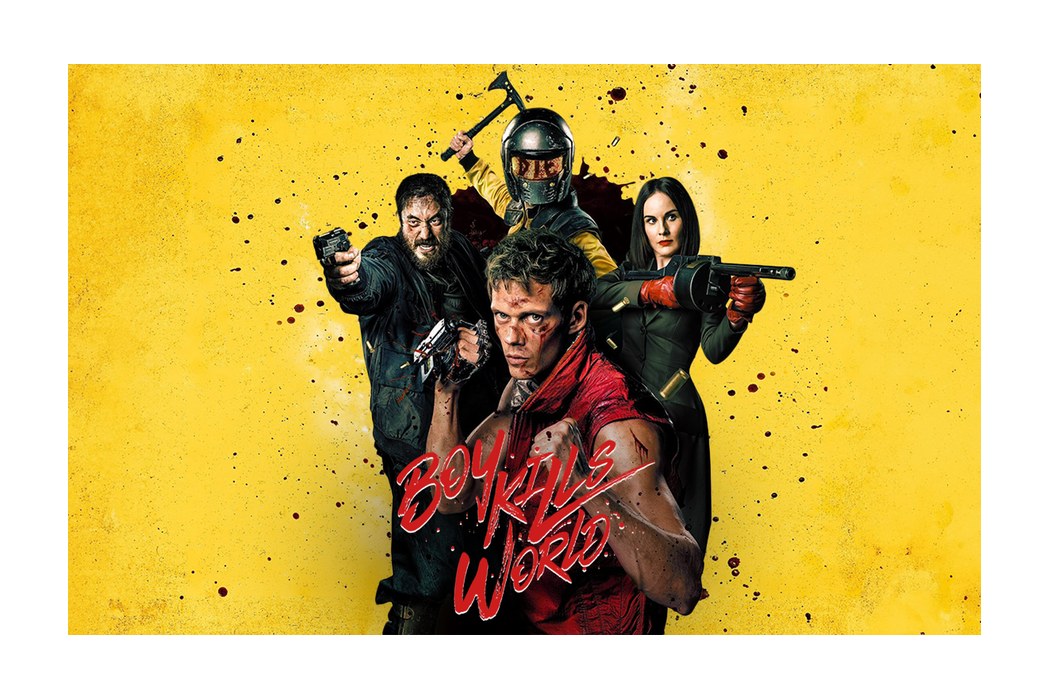
A New York agency found its edge by treating publicity, social, creative, and media as one continuous conversation - then letting audiences finish the sentence.
The 1,500-Dealer Problem
Strategic America built its reputation in the awkward space between headquarters and the local dealer. The trick was not making one great ad. It was making 1,500 local choices feel like one brand.
The James Agency Lost 62% in an Hour. Then It Kept Everyone.
A Scottsdale marketing firm built its reputation on hospitality, then watched that market vanish in a morning. Its response - open books, zero layoffs, and a ruthless 10% cost hunt - explains how the agency works today.
The Ad Agency That Learned to Listen Before It Spoke
Brogan & Partners built a business around messages people would rather avoid. Its trick is not louder advertising, but research precise enough to discover why an audience has stopped listening.
The Ad Agency Where the People Making the Work Own the Place
Hirons sells advertising, public relations and digital strategy. Its more interesting product is alignment: the people doing the client work also own the company.

The Agency That Sent Media Away - Then Asked It to Come Home
Doner spent years pulling advertising apart into specialist shops. Its most revealing move was putting the pieces back together - and betting that the middle of America is a point of view, not a flyover zone.
ChappellRoberts Turned Tampa Bay Into Its Own Best Pitch
For nearly five decades, this Ybor City agency has done something harder than making ads: it has turned local identity into measurable action, from stadium seats to patient visits to a food bank reborn as a hub of opportunity.
The Agency That Makes Boring Things Matter
Borshoff built a forty-year Indianapolis institution by doing an unfashionable thing very well: making utility notices, corporate risks and civic institutions feel consequential to ordinary people.
The Martin Group Built a Big Agency by Keeping the Small Ones
A one-person Buffalo shop became a 108-person, 200-account communications firm by buying expertise without sanding off its edges. The interesting part is not that it grew - it is what The Martin Group chose to keep small.
The Buffalo Agency That Bought Nothing - and Built Its Future Inside It
A bad assignment nearly cost Crowley Webb its future CEO. Then the agency bought a client with no clients of its own - and discovered that the smartest way to grow was to build new muscles around a very specific problem.
Dalton Built a Bigger Agency Around Two Small Words
Dalton spent decades adding disciplines, offices and agencies. Then it reduced the pitch to three words: we get people. The interesting part is the arithmetic behind that promise.
The Ad Agency That Learned to Sell the Small Jackpot
St. John has spent four decades finding the overlooked lever inside familiar businesses. Sometimes it is a scratch-off ticket, sometimes a cartoon sewer monster - and sometimes the winning idea costs $135.95 an hour.
The Agency That Keeps Buying New Ingredients
Adcom has survived 36 years of agency churn by treating its own capabilities like a work in progress - adding analytics, production, merchandising and AI without giving up its Cleveland address or independent streak.
Redline Media Group and the Power of the Second Question
A Seminole founder built a global agency around an unfashionable habit: listening long enough to find the problem beneath the brief.

The Advertising Agency That Learned When to Stop Advertising
LT has spent six decades selling attention. Its more useful talent is knowing when another ad, another click, or another line of code will not help.
The Agency That Asked People to Do Something
Off Madison Ave built an Arizona agency around a deceptively hard question: what do you need a person to do next? Twenty-seven years, five acquisitions and one AI travel planner later, the question still runs the place.
The Advertising Agency That Bought Back the Right to Say No
Marcus Thomas spent decades adding disciplines, offices and technology. Then it discovered the most valuable thing an independent agency can own is its own attention.

Paradise Advertising & Marketing Sells a Place Twice
A pretty travel ad wins attention. Paradise has spent more than two decades arguing that the real product is what happens next - bookings, bed-tax receipts and a community with more reasons to thrive.
The Agency That Made Jacksonville Its Operating System
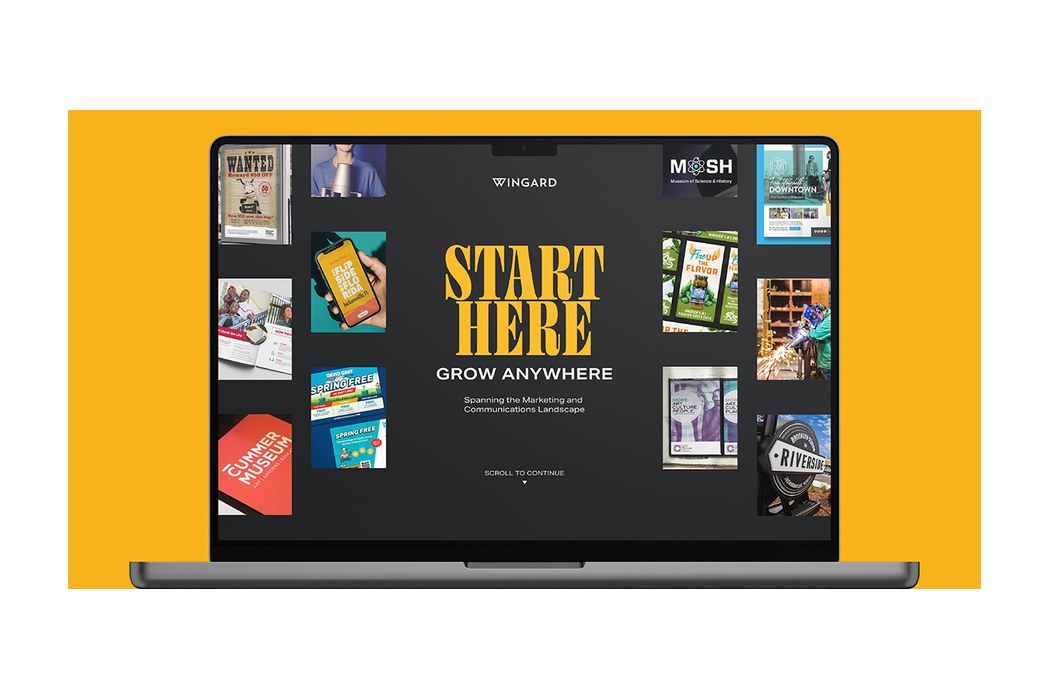
Wingard began as one designer answering calls in a recession. Its durable advantage turned out to be less glamorous and more useful: knowing one city well enough to make the city see itself differently.
The postcard that refused to stay small
Brandon began with a camera on the Carolina coast. Sixty-seven years later, the same family business sells an unusually broad promise: strategy, creative and performance that share one scoreboard.
The Ampersand That Outlived the Ad Men
An Orlando agency opened in 1957, kept the family name on the door, and learned to sell everything from rocket launches to bank accounts. Its real product is not advertising. It is the ability to change shape without losing the plot.
The Interesting Business of Making People Care
For 55 years, a South Carolina agency has specialized in the messages most people would rather ignore. Its trick is to make the complicated feel human - and then count what happens next.
The Agency That Learned to Stop Buying More
Most agencies ask how much attention a budget can buy. Little Rock's mhp.si asks a more awkward question: how much of that attention had any chance of becoming business?

The Car Agency That Learned to Sell Hot Dogs
Born inside the automotive orbit, INNOCEAN USA found its sharper story in hot dogs, invisible flags and an Amazon shopping cart. The trick was not leaving cars behind - it was learning how to make specialist knowledge travel.
The Agency That Put a Calculator in the Creative Department
Lewis spent 75 years learning that the argument between beautiful advertising and measurable growth is a false one. Its best work begins where a client’s first plan stopped working.

The Agency That Took Authenticity Off the Mood Board
Idea Ranch built a national agency around a stubborn proposition: the people in an advertisement should look as if they might actually use the thing being sold. The trick is making that sincerity perform like a business tool, not a campfire story.

The Agency That Put Family First - and Became Southwest Florida’s Marketing Department
Priority Marketing began at a dining-room table with a constraint disguised as a name. Thirty-four years later, that constraint has produced a 65-plus-person agency, millions in donated work, and a simple lesson: creative work gets sharper when somebody keeps score.
The Grain of Rice That Gave Maruri Its Name Back
An Ecuadorian agency sold itself to a global network, bought itself back, then hid vacations and laptops on individual grains of rice. The odd little promotion explains the whole business.