founder-education
(51)
The startup school where founders teach founders
Startup Leadership Program puts entrepreneurs on both sides of the classroom. Its wager: the people wrestling with a company today have something useful to teach the people building one tomorrow.

Allison Byers and the meeting before the money
A failed fundraising round sent Allison Byers looking for answers. Now the Scroobious founder is building a place where overlooked entrepreneurs can meet their supporters before anyone asks for a check.

Mitchell Harper and the business of starting again
A PHP chat room brought Mitchell Harper and Eddie Machaalani together. Listening to merchants helped them build BigCommerce; learning when to hand over the controls shaped what Harper did next.

Herty Tammo and the school that pays its students
He began in a family business making metal doors. At Startup Wise Guys, Herty Tammo turned the expensive lessons of entrepreneurship into an education with money attached.

Deepak Menaria and the education of a useful mistake
In Nagpur, the founder of Lemon Ideas has spent years giving aspiring entrepreneurs room to try. His classroom can look suspiciously like a business - complete with customers, consequences and the occasional instructive blunder.

Creel Price and the business of starting again
He helped build a business that sold for $109 million. Then Creel Price turned to a harder question: how do you help other people build something that lasts?

Mike Slaats and the business he wanted to come back to
He built Vindy into a million-dollar business, then sold it to work on a smaller problem. With Upvoty, Mike Slaats found an audience he understood - and a reason to keep listening.
VC Minute: Get someone in the pool.
Rich Maloy turns seed fundraising into a pool party: everyone is interested, nobody wants to jump first. VC Minute gives founders short lessons in getting from polite interest to an actual decision.

Startup Field Guide: Find the customer. Then build.
The first idea rarely survives the first customer. Unusual Ventures’ Startup Field Guide turns that awkward discovery into a free education for software founders.

MicroConf On Air: A smaller room. A bigger conversation.
MicroConf discovered that fewer founders could make a better conference. Its free podcast carries that same practical conversation to people building software on their own terms.
The Startup Podcast: Advice is free. Making it isn’t.
Chris Saad and Yaniv Bernstein built a practical education for venture-scale founders. More than 300 episodes later, their own show offers a pointed lesson in the distance between being useful and getting paid.
Unicorn Bakery asks the next question.
Unicorn Bakery turns founder conversations into a media business built on trust. Its real product is the detail that a success story usually leaves out.
Build a business. Keep your life.
The Bootstrapped Founder turns Arvid Kahl’s experience of building and selling a SaaS into a practical education business. Its most useful lesson is how much success can cost the person doing the succeeding.
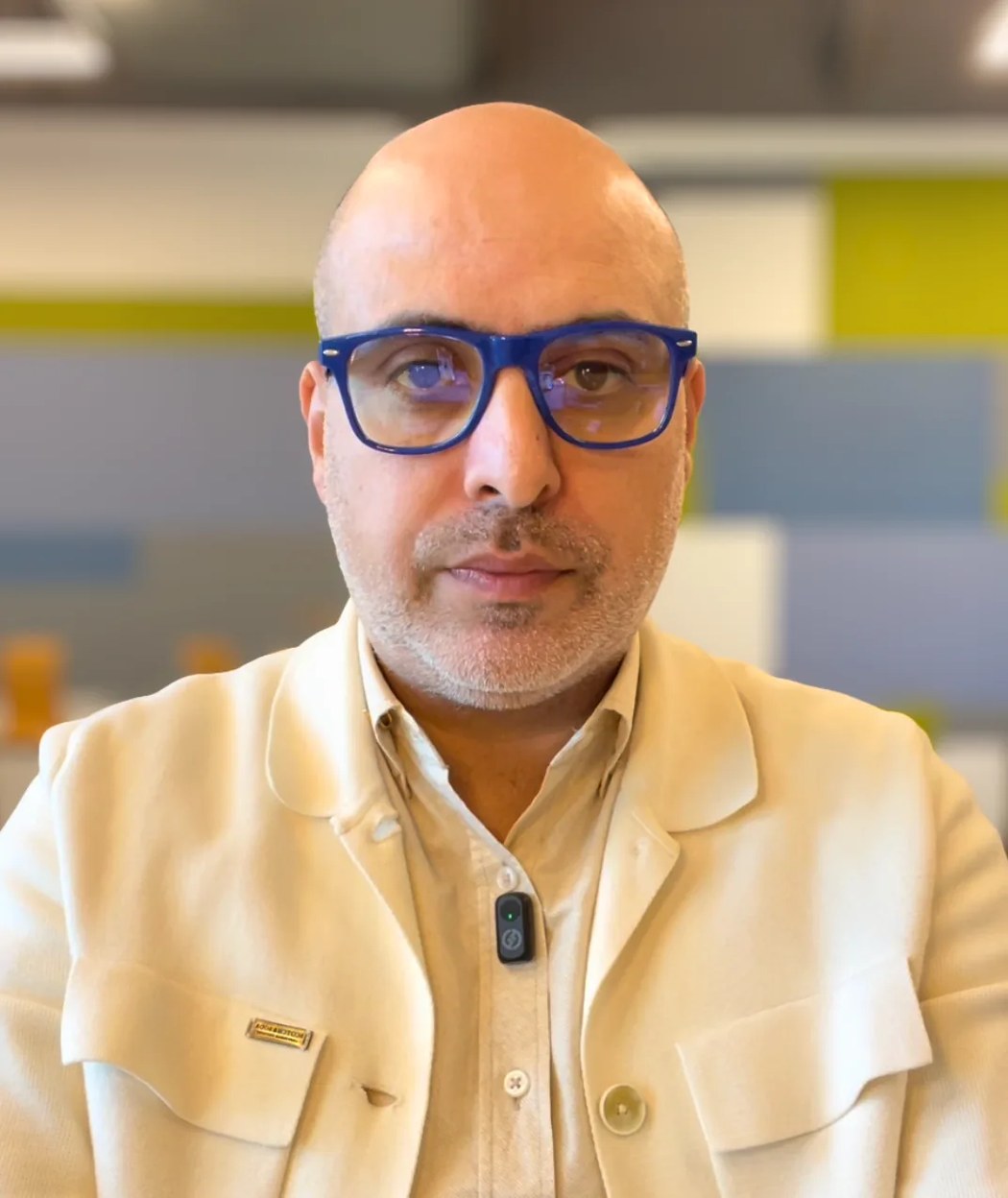
Alex Mojtahedi and the founders outside the velvet rope
After building startups and investing at Plug and Play, Alex Mojtahedi set out to make accelerator support available to more founders. Peachscore’s own brush with running out of money gave that ambition a rather practical education.
Knoxville Entrepreneur Center makes the right introduction
A maker and a software founder can walk through the same door in Market Square. Knoxville Entrepreneur Center has built its business around what happens next: useful advice, sharper plans, and people willing to help.
Nordic Startup Ventures makes founders do their homework
A Finnish venture builder puts customer questions before investor applause. Its school and deep-tech program tackle the awkward distance between a clever invention and a business someone will pay for.
Startup Tucson makes room for the dumpling founder
A dumpling business and a clinical software company can share a startup stage. In Southern Arizona, that is a clue to how Startup Tucson thinks an economy gets built.

yeswetrust wants your pitch to earn its introduction
A Swiss network has turned personal growth into an investor-readiness business. Its wager: the useful introduction begins before anyone enters the room.
Nashville Entrepreneur Center sells the introduction you can’t get yourself
Inside an old trolley barn, a Nashville nonprofit makes business relationships available by the month. Its real product is access - and its own history shows what that access costs.
FoundersBoost asks for six weeks. Your equity stays yours.
The global startup program charges no fees and takes no equity. Its real price is six weeks of work, awkward questions and a much shorter pitch.
CELA made networking a contact sport
Four mentors. Twelve minutes apiece. CELA put a clock on the warm introduction - then joined forces with WEVE to take its accelerator methods across borders.
BETA opens doors. Founders keep the equity.
A Minnesota nonprofit turned a gathering of startup friends into a free accelerator. Its most useful offering is access to people who can help a young company grow.

Atlanta Tech Village sells the office. The introductions are the point.
A renovation budget that more than doubled, a second location its founder once ruled out, and a practical bet: put entrepreneurs close enough to help one another.

Launch Academy HQ sold desks. Founders wanted a way in.
A few rented desks became a Vancouver startup network. Launch Academy’s real product is access to people who have already wrestled with your next problem.
CodeBase bets that founders can be taught
An Edinburgh startup hub became the operator of Scotland’s £42.4 million Techscaler programme. Its next test is whether better connections and practical teaching can turn more young companies into businesses that scale.
NEMIC helps medical ideas survive the expensive middle
A good medical idea can arrive years before a fundable business. In Providence, NEMIC works on the awkward interval between the two.

Startupfest puts your pitch to the grandmother test
In Montréal, a startup festival pairs investor access with a jury that has little patience for jargon. Its real product is the carefully arranged encounter.
FOUNDERS LEAGUE turns three minutes into a warmer introduction
A German pitch show puts founders in front of people who can help. Its more interesting business begins when the applause stops.
Dreamups makes the first startup less of a lonely experiment
In Moldova, Dreamups has built a route from classroom curiosity to customer testing and early investment. Its most useful lesson is knowing when an idea needs fewer features and more evidence.

1871 helped startups grow. Then it had to shrink.
Chicago’s startup hub built its reputation by putting founders in the same room. When the economics of that room stopped working, 1871 had to decide what its members were really buying.