In July 2011, twelve startups selected from around the world came to Montréal to make their case. Some faced investors in an actual elevator. Others faced six grandmothers. The elevator supplied a time limit. The grandmothers supplied something technology conferences can struggle to provide: an audience outside the professional language of technology.
Onavo won the Grandmother’s Pick. The detail is charming, but it is also a clue to the company behind the gathering. Startupfest, founded by Philippe Telio, organizes encounters in which entrepreneurs must explain themselves. The festival atmosphere gives those encounters a less forbidding setting. A business idea still has to survive a question.
- Three days of pitches, mentoring and meetings in Montréal.
- Investors make up 25% of the audience, the organizer says.
- Investment prizes have terms; grants are a separate category.
- Come with a clear question and a pitch ordinary people understand.
Chance encounters, with instructions
The business is event production. Startupfest is produced by Embrase, whose portfolio also includes FWD50. Its audience includes founders, angels, venture funds, accelerators, corporate innovators and the organizations that support them. What connects these groups is a familiar inconvenience: the person you need is often several introductions away.
Startupfest shortens that journey through its Village, stage programming and pitch competitions. Founders can show products on the Demo Floor, meet mentors during office hours or record a pitch. Investors see companies in person. Service providers can sit down with prospective clients. Partners can build specialist programming while the organizer handles the event machinery.
The networking has different entry points. Match-Ups arrange curated meetings. Braindates organize conversations around topics. Cocktails and off-site events allow looser exchanges. These formats offer something more usable than the instruction to mingle: a reason to approach another person. For someone who finds a room of strangers exhausting, that reason matters.
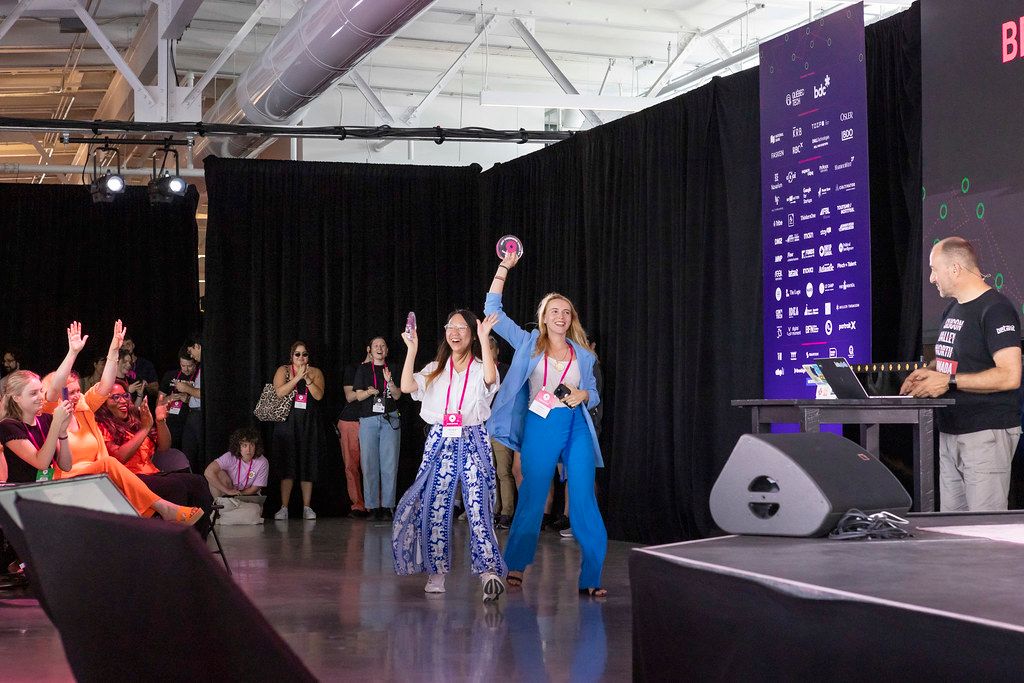
This places Startupfest among founder conferences and ecosystem gatherings. Its practical substitutes include accelerator demo days, local angel meetings and direct investor outreach. The appeal is concentration: several kinds of help occupy the same place. Its expertise lies in arranging that mixture, then giving people formats that make conversation possible.
The trophy has terms
Consider the 2026 Best of the Fest competition. A registered attendee needed no separate advance application. The founder could approach investor judges onsite with a pitch of no more than one minute. Getting one judge to shortlist the company opened the next door. Mentors then helped shortlisted founders prepare for subsequent rounds.
There is a useful distinction here between getting heard and getting funded. The detailed rules described a $100,000 investment from up to ten angels, using individual SAFE agreements by default. Alternative terms could be discussed. The investors and startup retained discretion over the agreement. Winning a trophy was therefore part of a financing process.
“We curate compelling content and meaningful interactions in unexpected ways that challenge the status quo.”Startupfest’s stated mission
The festival also offers grants. In 2026, Padder won the $100,000 Fintech Grant. AgroGene Solutions won Best of the Fest; LymeAlert won both Women in Tech and Audience Choice. Kiwi Charge took Grandmother’s Choice. The list stretches across quite different businesses, which is useful for founders whose work does not fit a fashionable software category.
Best of the Fest: default SAFE terms in the detailed 2026 rules.
The 2026 Fintech Grant was listed separately from investment prizes.
BetaKit reported $825,000 in pitch prizes at the 2026 edition and 275 pitches for Best of the Fest. Startupfest’s own 2025 announcement reported more than $1 million delivered to founders. These are different years, with different totals. Neither number describes the organizer’s revenue or a funding round raised by Startupfest itself.
The price of being in the room
Tickets are one part of the business model. Startupfest separates startup, ecosystem and investor passes; partnerships and paid tables supply other commercial offerings. Its published 2027 schedule lists final ticket prices of CAD$649, CAD$949 and CAD$1,049 respectively. Travel, accommodation and time away from a business belong in a founder’s calculation too.
Access has also been a deliberate programming choice. In 2025, the Inclusion Initiative advertised selected tickets for a $50 commitment fee and said it was doubling the available passes. Prizes backed by The Firehood, Rep Matters and QueerTech provide additional routes for women, Black and 2SLGBTQIA+ founders. Eligibility remains specific to each competition.
When the room disappeared
The pandemic tested an event built around proximity. In a 2020 interview, Telio explained that the team wanted to retain a physical gathering rather than simply transfer everything online. A studio in the Old Port enabled a hybrid edition, with a small onsite audience and remote participation. The next year’s event was virtual.
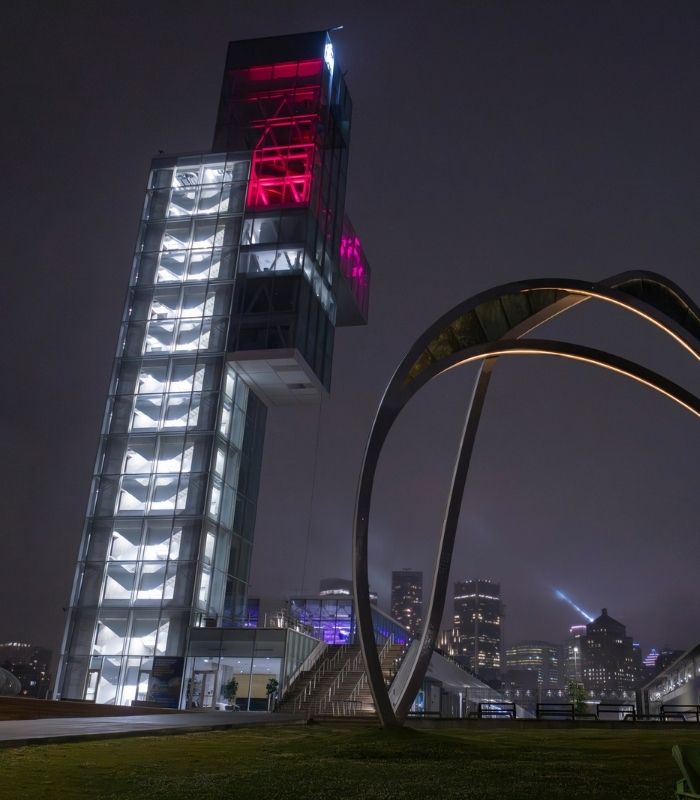
By 2022, the team had chosen an exclusively physical edition at Grand Quai. Telio told Le Lien MULTIMÉDIA that uncertainty about travel shaped the choice of a venue with a 1,500-person capacity. He reported 1,600 registrations, without that many people being present simultaneously. The return suggests how central shared space remained to the product.
Arrive with a question
The lesson readers can borrow is concrete. Give a meeting a subject. Prepare an explanation that survives outside your industry. Ask a mentor about one decision rather than requesting general wisdom. Follow up while the conversation is still fresh. These are editorial recommendations drawn from the event’s design, and they work just as well at a smaller gathering.
For founders, the festival is most useful when the people present match the problem at hand. A company seeking a particular customer or investor should check that fit before buying a ticket. A grant application needs eligible applicants; an investment needs acceptable terms. Networking requires time to follow through. A pleasant conversation cannot substitute for evidence that somebody wants the product.
The next Startupfest is advertised for July 7-9, 2027. Its enduring question is older than its next programme: can you explain the business to someone who has no obligation to be impressed? The grandmothers have been asking a version of that question since the beginning. It remains an excellent place to start.
Visit Startupfest ↗ · Tickets · Festival news · 2026 winners
LinkedIn · X · Instagram · Facebook
Talks and event videos ↗
Watch: Coming of Age, the 2026 theme film ↗