In December 2023, an investor put €40,000 into a startup after Startup Moldova helped make the connection. The foundation’s outgoing executive director, Natalia Bejan, mentioned the deal in her farewell letter a month later. Among the thanks and reflections, there it was: an introduction with a consequence.
Forty thousand euros is a modest sum in venture capital. For an organization trying to connect an entire country’s founders, it is a revealing piece of evidence. The useful question is what had to happen before two people were ready to talk about money.
- Startup Moldova helps technology founders prepare, find expertise and meet investors.
- Its toolkit spans legal support, mentorship, business education and international events.
- The practical lesson: prepare the company before arranging the introduction.
Startup Moldova occupies that space before the cheque. Its beneficiaries are founders and teams, including people preparing to start. Investors have their own reason to use it: finding companies they might otherwise miss. Partners bring expertise, programs and support. The foundation’s job is to make those interests meet usefully.
The organization that kept changing its tools
Established by Moldova’s National Association of ICT Companies, ATIC, in April 2021, Startup Moldova is a private nonprofit foundation. There was ambition from the beginning. An early executive director vacancy said it would seek to emulate Startup Chile. A model from another continent was being considered for a distinctly local problem.
Bejan’s account is more interesting than an immaculate founding myth. She wrote that the instruments imagined in 2021 changed when she took over in 2022, and changed again afterward. Recruiting was laborious: more than 50 interviews over two years before the right people were in place. The organization had to assemble its own capabilities while helping other teams build theirs.
“We identify a problem that we believe needs solving, propose and test solutions, validate hypotheses.”
Natalia Bejan · January 2024
Her useful discovery concerned the other side of the table. Investors, she wrote, were as eager to find startups as startups were to find funds. That observation makes matchmaking a two-sided service. A founder needs access; an investor needs something worth accessing. Olga Melniciuc took over the leadership in January 2024.
Prepare the company before the pitch
The Investment Readiness Program makes the sequence explicit. One phase works on investment tools; the next handles matchmaking with venture capitalists and angels. Financial models, ownership tables, investor presentations and a prepared data room appear alongside workshops and tailored mentorship. The second phase includes five startups selected through an investor-led committee.
The criteria are deliberately specific: a launched startup, early traction, a Moldovan base or local founder, and plans to raise within six months. An idea scribbled over coffee does not satisfy that description. The program is designed for a business approaching a particular decision, with work already done and more work due.
Other services address earlier friction. Founders can request legal counseling on operations and investor relationships, find a diaspora mentor, or search the startup database by sector, business model and founding year. The community map gathers more than 50 organizations and resources. It includes other providers because a useful guide should tell you where to go, even when the answer is elsewhere.
That helps explain its market position. Moldova also has accelerators, education programs and angel networks. DreamUps, XY Partners, YEP! Moldova and Technovator appear in the wider support landscape. Startup Moldova operates across that landscape, connecting services and people. A specialist accelerator can be a destination inside the network.
The price of being ready
The bill depends on the service. Bejan reported more than 200 hours of fully subsidized mentorship in 2023. The Mini MBA website lists €890. Delivered with ASEM and Chisinau Business School, that program uses business cases to work through leadership, strategy and finance, and advertises 10 transferable ECTS credits on successful completion.
The commitment matters as much as the fee. Published admission requirements include a bachelor’s degree or equivalent, advanced English and professional experience. Participants must make time for preparation and discussions. A busy founder shopping for a shortcut should read that part carefully.
Mini MBA listed participation fee
The foundation itself relies on a different mix of resources. Its 2023 report identifies core support from USAID, Sweden and UK Aid through Future Technologies Activities. EU4Innovation East co-financed the 2026 summit. Paid education sits beside partner-backed work. The 2022 Digital Impact for Cahul project had a reported grant budget of 7.8 million Moldovan lei - a project budget with a regional digital transformation purpose.
A room with exits to other markets
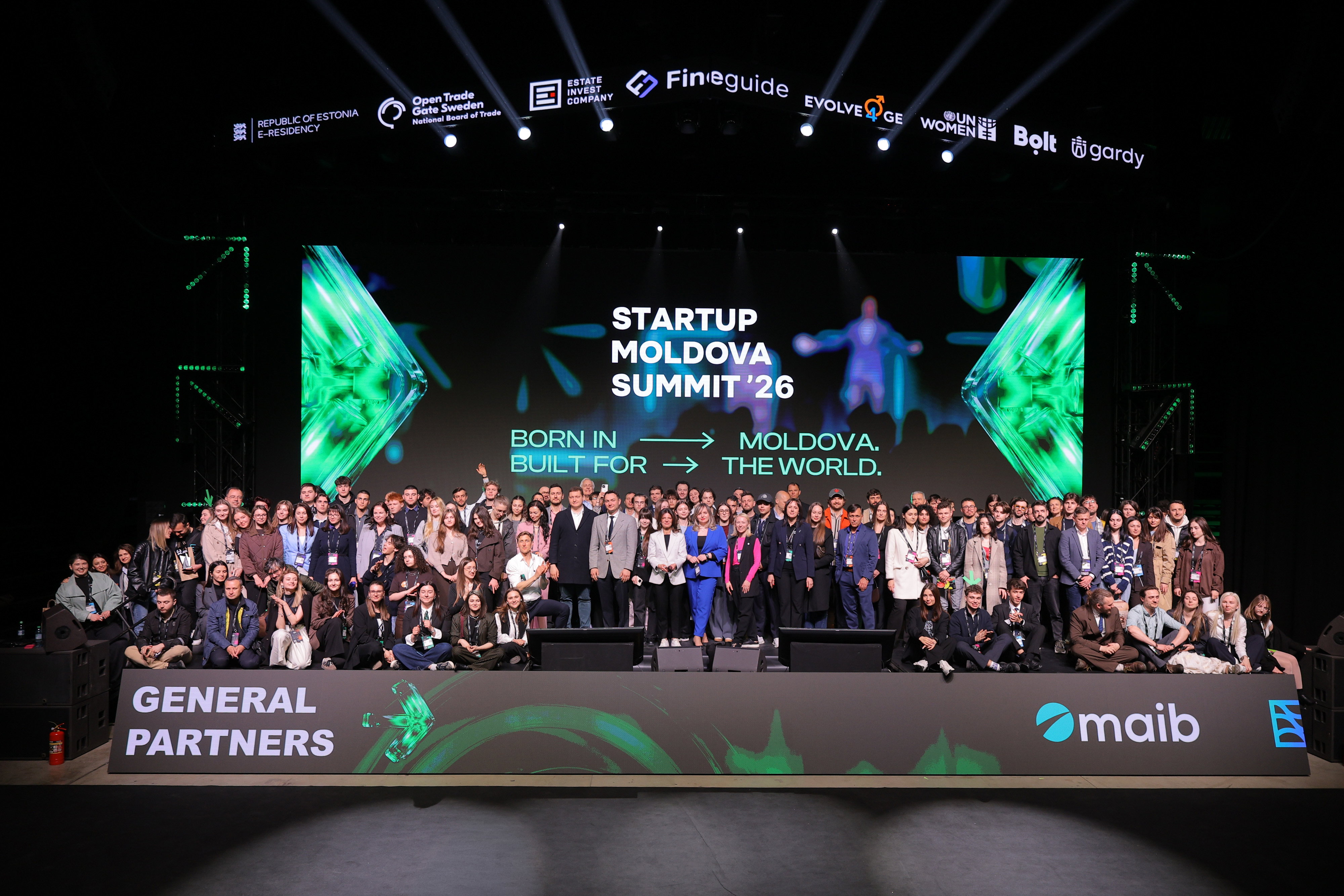
In April 2026, the summit brought 2,000 participants to Chișinău, with more than 60 speakers. Its 42-company Startup Alley gave products a physical place to be examined. Workshops ran in Romanian and English. Brella helped attendees arrange meetings. These details matter because a crowded room needs a way to become smaller conversations.
Partnerships announced around the event pointed outward. Unicorn Factory Lisbon offered a route toward acceleration and European markets. Cooperation with Moldova Innovation Technology Park and the Ukrainian Startup Fund targeted regional opportunities. SeedBlink added a connection to syndicated fundraising and European investor networks. These are announced pathways; a signed memorandum still needs execution.
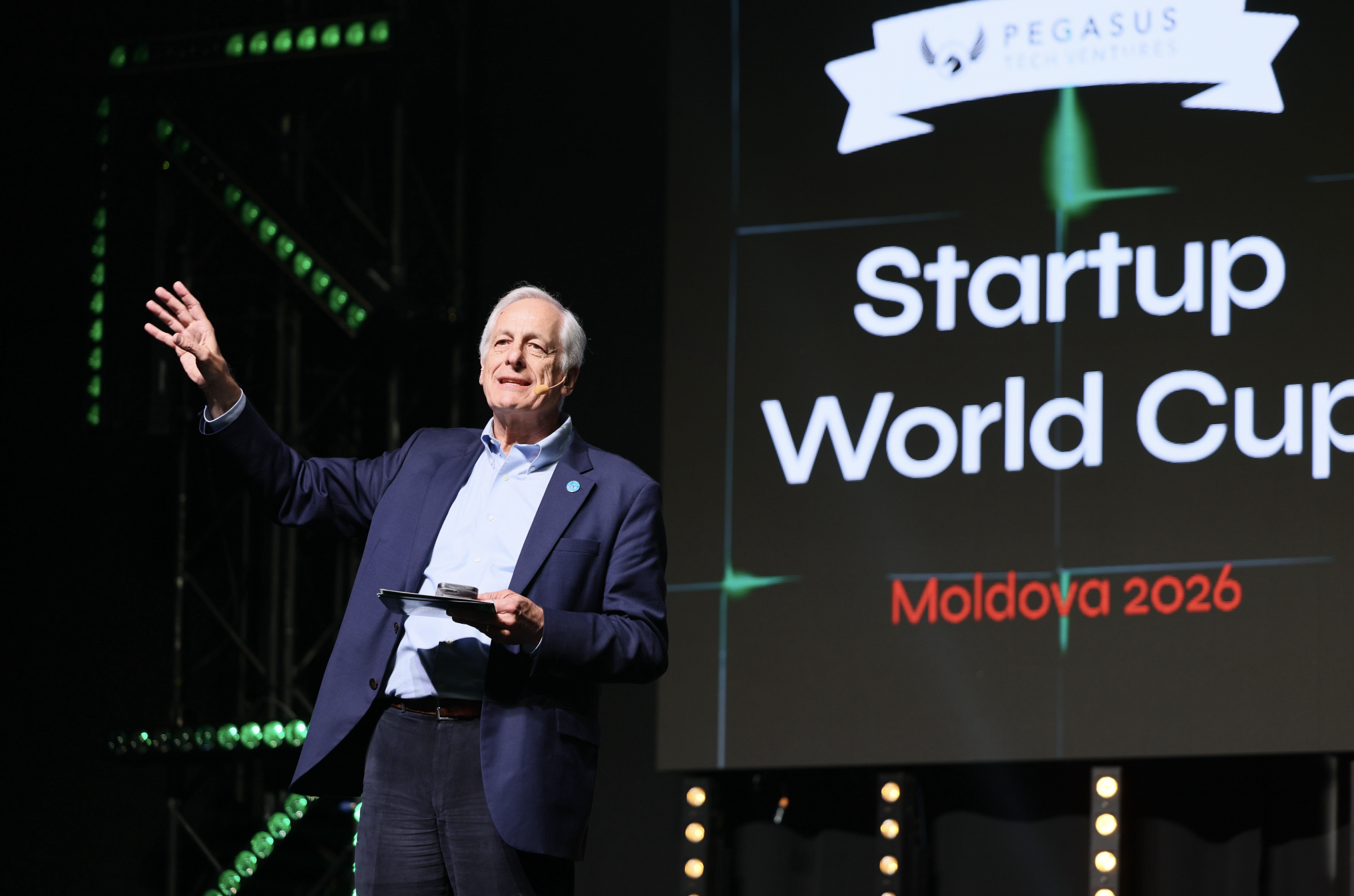
Promptend AI won the local Startup World Cup competition. That earned a place in the world final in San Francisco, where the investment prize is $1 million. The distinction is worth keeping: qualification opens a door. The money remains a competition away.
Borrow the sequence
The transferable idea is surprisingly unglamorous. Map the resources. Fix the documents. Find the appropriate investor. Arrange the meeting. Follow up. Startup Moldova’s 2024 report records more than 340 facilitated founder-investor meetings, a useful measure of activity, though meetings alone cannot measure business success.
For a founder, the sensible first move is to name the bottleneck. Legal uncertainty calls for legal support. Fundraising with traction calls for preparation and investor access. An introduction becomes valuable when both parties arrive with a reason to continue. The €40,000 deal suggests what that can look like.