The first useful thing Launch Academy sold was a desk. In April 2012, a group of Vancouver entrepreneurs wanted somewhere to work beside people who understood the peculiar business of starting a business. Twelve entrepreneurs joined within two weeks. By the end of the month, more than thirty were working in the space. Ray Walia used the rental revenue to buy more desks. Furniture, at least, had a straightforward business model.
- Launch began as shared workspace and grew into founder education, mentorship and introductions.
- Its $2.5 billion fundraising claim describes associated startups, not money raised by Launch itself.
- Today, buildrs puts the BC community online; Maple supports existing members as Canada’s startup-visa intake remains paused.
The furniture was the easy part
The desks solved proximity. The people sitting at them brought harder questions: how to test an idea, find someone useful, or avoid an expensive mistake. Launch’s anniversary account describes rising demand for shared resources and learning. That demand changed the business. By April 2013, the group had established a 12,000-square-foot home in Gastown. The space had become a place to learn how to build.
Walia, Roger Patterson and Jesse Heaslip began Launch on April 1, 2012. Mike Edwards joined as a co-founder and offered available space at GrowLab. Alex Chuang joined in September, helping develop programming beyond coworking. The origin matters because it gives the organization a practical sequence: gather the people, notice what they need, then build the service.
“We realized that Vancouver needed a nucleus”Ray Walia, speaking to BCBusiness in 2017
That is an unusually modest ambition for an organization in the startup business. It also explains its place in the market. A founder can buy a desk elsewhere, take an online class, hire an adviser, or pursue an investment accelerator. Launch assembles several of those connections in one community. Spring, with its impact-venture capital-readiness programs, offers a different emphasis. Launch’s usefulness depends on which missing connection is actually holding the founder back.
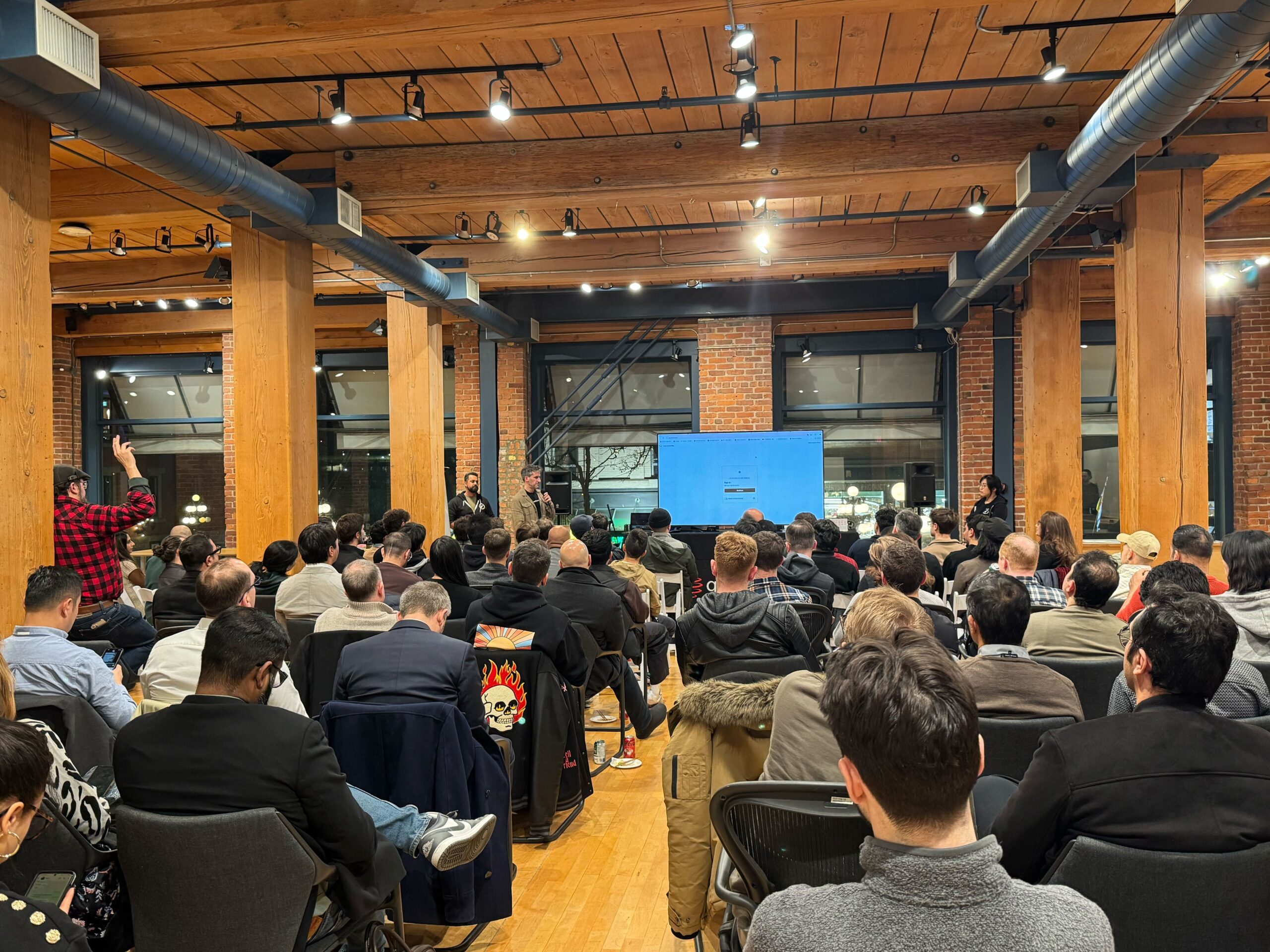
A network with a working agenda
The customers are technology founders, aspiring entrepreneurs and international companies exploring North America. Their needs differ. Someone validating an idea needs feedback; someone operating a company may need tax guidance, infrastructure advice or introductions. Launch’s expertise lies in founder support and convening specialists, rather than supplying every professional service itself.
Consider the AWS partnership. In 2023, Launch described an infrastructure-security workshop led by a senior cloud solutions architect. Members also had access to up to $100,000 in AWS Activate credits. That is a concrete answer to a concrete problem: young companies must run systems safely while watching their bills.
Or consider Smythe LLP, the accounting partner. Launch describes mentorship, workshops and help with financial planning, tax strategy and acquisitions. These are less glamorous subjects than a pitch competition. They are also the subjects that become urgent once a founder has customers, employees and a tax return. A useful community makes room for the unphotogenic work.
Company-reported totals. Fundraising belongs to associated startups; these figures do not establish Launch’s causal contribution.
The price of keeping your equity
Launch is a nonprofit, but some of its services have price tags. Its business model mixes paid programs, courses, subscriptions and partner support with free community resources. In its 2021 LaunchPad announcement, it said program proceeds would be reinvested in the ecosystem. A nonprofit still has to pay for the people arranging the introductions.
Prices illustrate how widely the offers have differed. A historical Maple landing page advertised fees starting at CAD 42,000 over twelve months, with zero equity taken. Taxes, legal, immigration and settlement costs sat outside that fee. Those terms belong to the historical offer. They should not be mistaken for a current application invitation.
The course catalogue offers smaller commitments: Startup 101 is free; Launch Your Startup is listed at $300; fundraising courses are listed at $599 and $799. The catalogue uses dollar signs without identifying currency. The sensible comparison is the problem each course solves, the time required to use it, and the founder’s available cash.
Likewise, a large perks total requires arithmetic with some manners. Cloud credits and software discounts have eligibility rules and limited uses. They help when the company needs the underlying service. They cannot pay every bill, and buying a program chiefly to collect advertised perks mistakes the accessory for the outfit.
Canada was part of the proposition
Maple added a different kind of access: entry into a business community in another country. Launch’s historical offer targeted international companies at Seed, Series A or later, combining mentorship, business matchmaking and expansion support with the Canadian Start-up Visa process. Moving a company also means learning a new market while a family learns a new city.
Policy changed the offering. Launch says IRCC changes in 2024 prompted Maple Bespoke. Canada subsequently paused the Start-Up Visa Program on June 30, 2026; previously accepted applications continue to be processed. Launch’s current site describes Maple as a continuing commitment to existing members. Government controls the immigration route, regardless of how capable an incubator may be.
The room now has a web address
The current portfolio extends the original idea online. buildrs offers a free BC events calendar, product directory and record of what people have shipped. Its optional founder library starts at $10 a month, billed yearly. Revenue Factory addresses marketing execution through a nine-week growth program and a related course using video modules and Claude prompts.
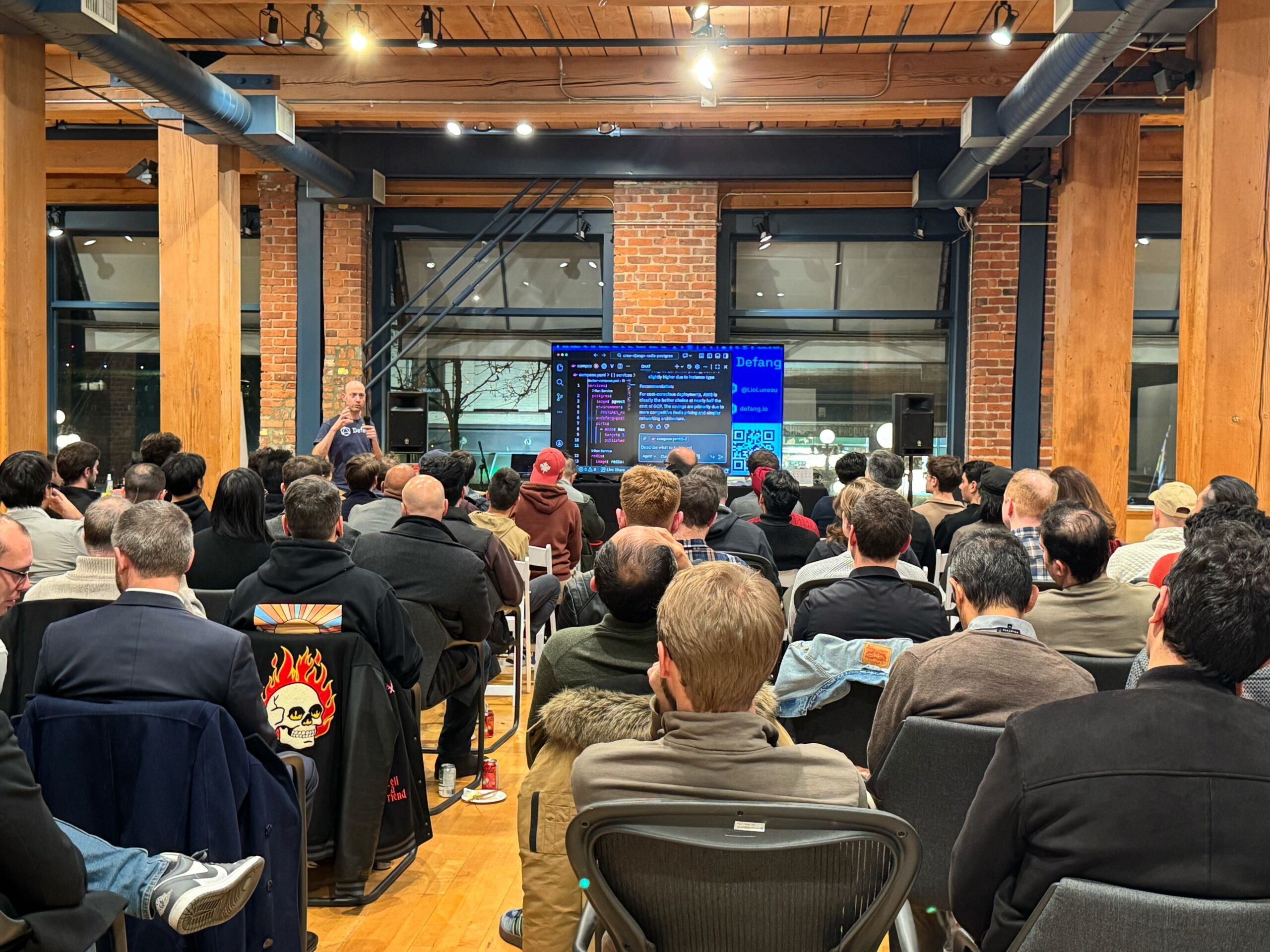
The physical room remains useful. Builders returned in November 2025 with six demos, including alumni presentations. Launch’s May 2026 review also describes a Global Relay partnership for The Vancouver Tech Hub. The formats change; gathering people around work remains the recurring idea.
What can another founder copy? Bring a specific question, seek someone who has handled it, and test the advice against customers. Repeated demos offer a reason to return and evidence to discuss. That routine needs participation and follow-through; it offers little to someone expecting membership alone to produce sales. Launch’s desk experiment supplies the reminder: watch what people ask for after they sit down.