startup-community
(30)
Boost Turku gives first-time founders a summer to find out
Eight weeks. No fee. No equity taken. In Finland’s student-run startup community, the first business idea is only part of the education.

Story Learned That Coworking Is Not Really About the Desk
A photographer's 1,500-square-foot studio became a 22,000-square-foot NuLu clubhouse for people who work alone. The revealing part is not the expansion - it is the location that failed, the focus that followed, and the business hidden inside a very good cup of coffee.

LUTES Gives Students the Keys to the Startup Club
In Lappeenranta, a student-run society turns curious newcomers into project leaders and first-time founders. Its most useful lesson is what happens when the board lets other people take charge.

Silicon Slopes built Utah a stage. Now it has to open the door.
The nonprofit behind Utah’s tech gathering is widening its brief: free founder education, smaller communities, and a business worth building even if it never becomes a unicorn.
Hamburg Startups knows who you need to meet
A local newsroom became a club, a food-industry meeting place and a stage for women founders. Hamburg Startups has spent more than a decade turning attention into introductions - while learning what those introductions should cost.

START Stuttgart gives student ambition a deadline
A free pitch night, a prototype sprint and a room full of people who might become your co-founders. Inside the student network turning entrepreneurship into something you actually have to do.
W Startup Community turns a warm introduction into a business tool
A Spanish nonprofit puts women founders in reach of investors, corporate leaders and one another. Its most useful offer may be the conversation that happens after the applause.
La Fábrica de Sevilla starts recruiting founders before they have a company
School competitions, subsidized incubation and introductions to working founders: Seville’s public-private startup initiative is building a route from the classroom to the first customer.

Capital Factory Put a Price on the Right Introduction
The Austin venture firm grew from five software startups into a network connecting founders with investors, customers and the military. Its next chapter separates the investment business from the community that feeds it.
Startup Büro makes a business of bringing Georgia together
From failure stories on stage to games built over a weekend, Startup Büro gives Georgia’s entrepreneurial community practical reasons to meet. Its longer programs give founders something to do once they get there.
The ocean has plenty of ideas. TOOL wants them to meet.
It began on an old Oslo ferry. Today, The Ocean Opportunity Lab connects ocean and clean-energy innovators with the people, practical resources and visibility that a promising idea cannot supply itself.
In Baku, Lotfi Zadeh Turns the Office Into a Place to Meet Your Next Collaborator
Lotfi Zadeh Technology Center sells desks, private offices and meeting rooms. Its more interesting proposition is putting the people building Azerbaijan’s technology businesses within talking distance.
Geekdom Built a Home for Startups. Now Comes the Hard Part.
The San Antonio community helped founders find one another. Its next chapter asks whether those connections can help a young business find enough customers to survive.

Volta’s next big idea: build less
The Halifax startup hub once expanded to 60,000 square feet. Now it is betting on smaller teams, practical AI coaching and a question founders cannot dodge: who will pay?

Fishburners Built a Founder Community. Then It Needed a Rescue.
For 15 years, Fishburners helped Australian founders find their people. Its 2026 rescue asks a harder question: how do you pay for the place that makes those connections possible?
The LAB Miami Is Selling the Room Where It Happens
From a 700-square-foot experiment to a two-building founder campus, The LAB Miami has spent years making introductions tangible. Its latest bet: put the right people together, then give them a reason to come back.

StrtupBoost Has 30,000 Members. Its Next Bet Is a Smaller Room.
The New York startup community pairs investor introductions with the unglamorous work of sales, design and fundraising preparation. Its latest pitch: fewer people at the table, more reasons to talk.

Graham & Walker turned a support group into a $10 million fund
Leslie Feinzaig built a community for founders who struggled to get heard. Now Graham & Walker writes early checks, teaches the mechanics of fundraising, and asks whether every founder needs venture capital at all.
Xartup Built an Audience. Then It Had to Earn Its Customers.
The founder network joined HT Media’s Mosaic Digital in 2024. Its more revealing lesson came when a flood of leads exposed a product that needed work.

Órbi began with a bank account. Now it’s betting on a whole neighborhood.
A startup community, a bank, a builder and a car-rental company gave Belo Horizonte a place to meet. Órbi’s next act brings research, executive education and the streets of Lagoinha into the same conversation.
Muslim Tech Fest puts a price on being in the right room
A volunteer network helped bring Muslim technologists together. Muslim Tech Fest turned that appetite into a ticketed business, with startup pitches, investor introductions and a growing international itinerary.

Work-Bench Built a Venture Fund Around the Part Founders Dread: Selling
The New York seed investor treats go-to-market as a product: research the buyer, rehearse the pitch, survive procurement, and turn a first customer into a repeatable sales engine.
The $250,000 Check That Wants to Go Everywhere
Everywhere Ventures turned a New York side project into a global pre-seed machine. Its edge is not a bigger check, but a loop: founders fund the fund, find the deals and help the next founders through the door.
The Venture Fund That Asks Founders to Move In and Lock Out the Noise
Brickyard has no cohorts, classes or demo day. Its wager is simpler and more demanding: put about 20 early-stage teams under one roof in Chattanooga, remove the usual startup theater, and let proximity do the work.
Startup Grind
Startup Grind is a global community for entrepreneurs, running founder-focused local events in hundreds of cities and a flagship annual conference in Silicon Valley. Started in 2010 as a small gathering in the founder's office and now powered by Google for Startups, it connects early-stage founders with investors, operators, and mentors through chapters, memberships, and online content.

ODF (On Deck Founders)
ODF (On Deck Founders) is a San Francisco-based founder fellowship that helps aspiring entrepreneurs go from idea to conviction. Its signature offering is an intense one-week in-person experience in SF where 80-100 pre-vetted builders meet potential co-founders, pressure-test ideas, and commit to starting a company - followed by lifelong access to an alumni community, mentorship, and hundreds of thousands of dollars in startup perks. Unlike a traditional accelerator, ODF takes no equity. More than 1,000 startups have launched through On Deck, collectively raising over $2 billion from investors including Sequoia, a16z, Khosla and Founders Fund.
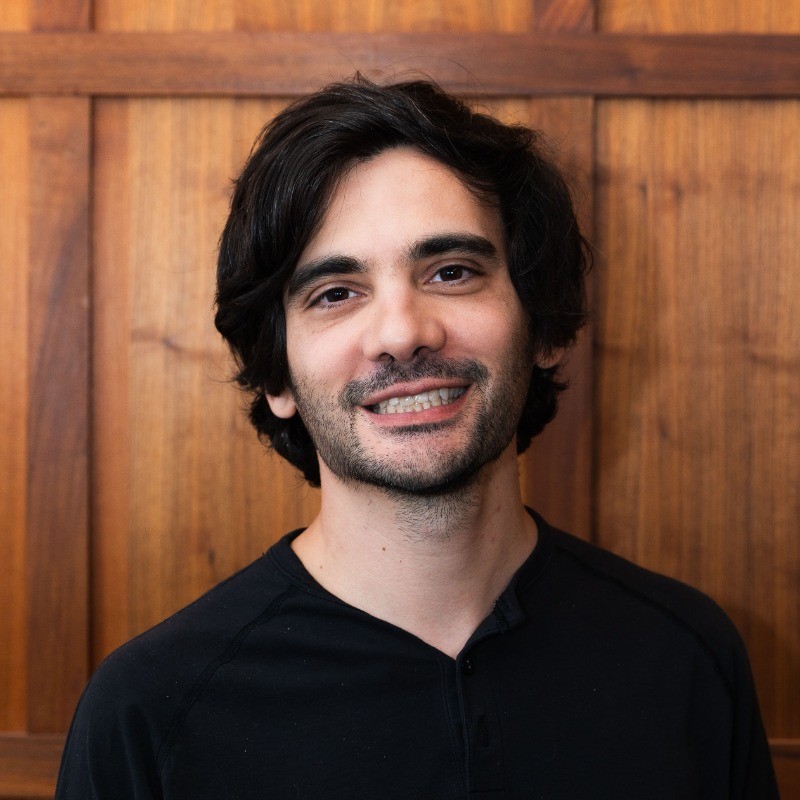
Hubert Thieblot
Hubert Thieblot is a French-born entrepreneur and General Partner at Founders, Inc. (f.inc), a San Francisco-based venture fund and community campus occupying 42,000 sq ft at Fort Mason. He built Curse, Inc. - a gaming media empire with 30M+ monthly visitors - from a World of Warcraft fan site he started as a teenager in Paris, grew it into an Inc. 500 company, and sold it to Twitch (Amazon) in 2016. After serving as VP of Emerging Markets and Mobile at Twitch, he joined Founders, Inc. to back early-stage founders tackling hard problems in AI/ML, hardware, web3, AR/VR, and other frontier tech sectors.

Luke Day
Luke Day is Co-founder and General Partner at MAGIC Fund, a $30M seed-stage venture firm built on the conviction that the best founders want money from people who've built things themselves. Focused on gaming, metaverse, and sports investments, Day came up through engineering recruiting at Discord and Roblox before co-founding one of the few truly decentralized VC funds - a 12-partner, multi-continent operation where each GP invests autonomously from their own domain expertise. MAGIC Fund's portfolio spans 250+ startups across 30+ countries with one unicorn (Retool) and a reported 5x return on its debut fund.
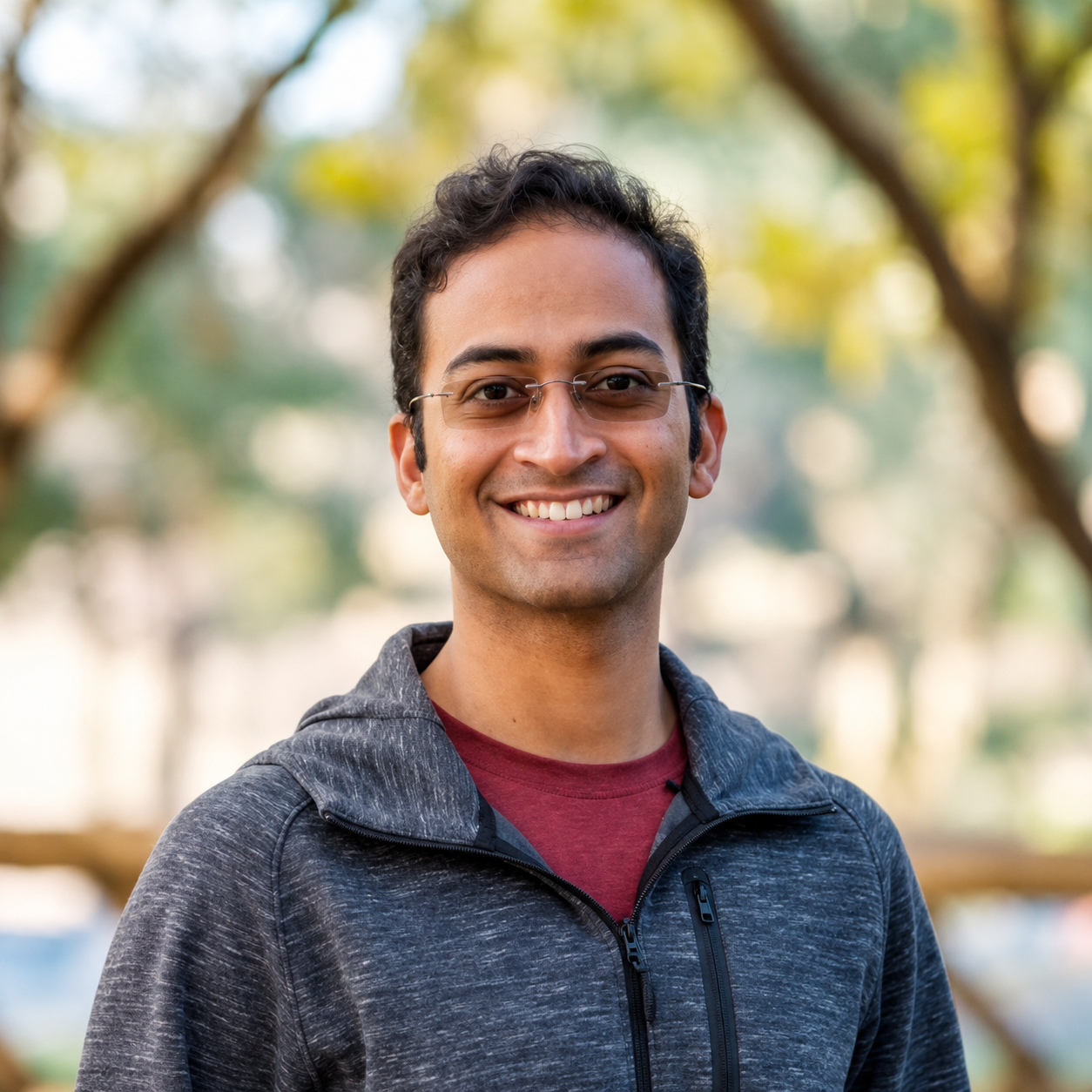
Hazim Mohamad
Hazim Mohamad is the Co-Founder and CEO of CoffeeSpace, a San Francisco-based AI-powered cofounder matching platform that functions like Tinder for entrepreneurs. After spending four years managing a $40 billion portfolio at the World Bank, he traded financial risk for startup risk - building a mobile-first platform that has amassed 25,000+ users and 2M+ swipes by connecting founders, early hires, and collaborators across the global startup ecosystem. CoffeeSpace raised $1M in pre-seed funding and was featured at TechCrunch Disrupt 2024.

Leandra Elberger
Leandra Elberger is the Head of Platform at Forum Ventures, New York's leading pre-seed fund and accelerator for B2B SaaS startups. With a career winding through global health, Wall Street, entrepreneurship education, and venture capital, she has built expertise in founder support and community infrastructure. A Tufts grad with an MBA with distinction from Cornell Johnson, she previously served as Studio Director at Cornell Tech and Head of Platform at Atento Capital, and has authored thought pieces on healthcare market opportunities and fintech infrastructure for founders. Her guiding philosophy: a career is a choice that indicates your values.