At BETA’s Showcase, the trophy is a Golden iPod. Visitors meet young companies, look at their products, and vote for a favorite. It is an agreeably odd object to place at the center of an entrepreneurial ceremony. A startup can spend months polishing a presentation for a handful of investors. Here, the audience gets to wander around and ask questions. The glamour is modest. The opportunity to be noticed is real.
- A free accelerator for Minnesota technology founders, with no equity taken.
- Practical education, peers, mentors, coworking, and public demonstrations.
- Supported by donors and partners; founders contribute time and participation.
First, invite 200 friends
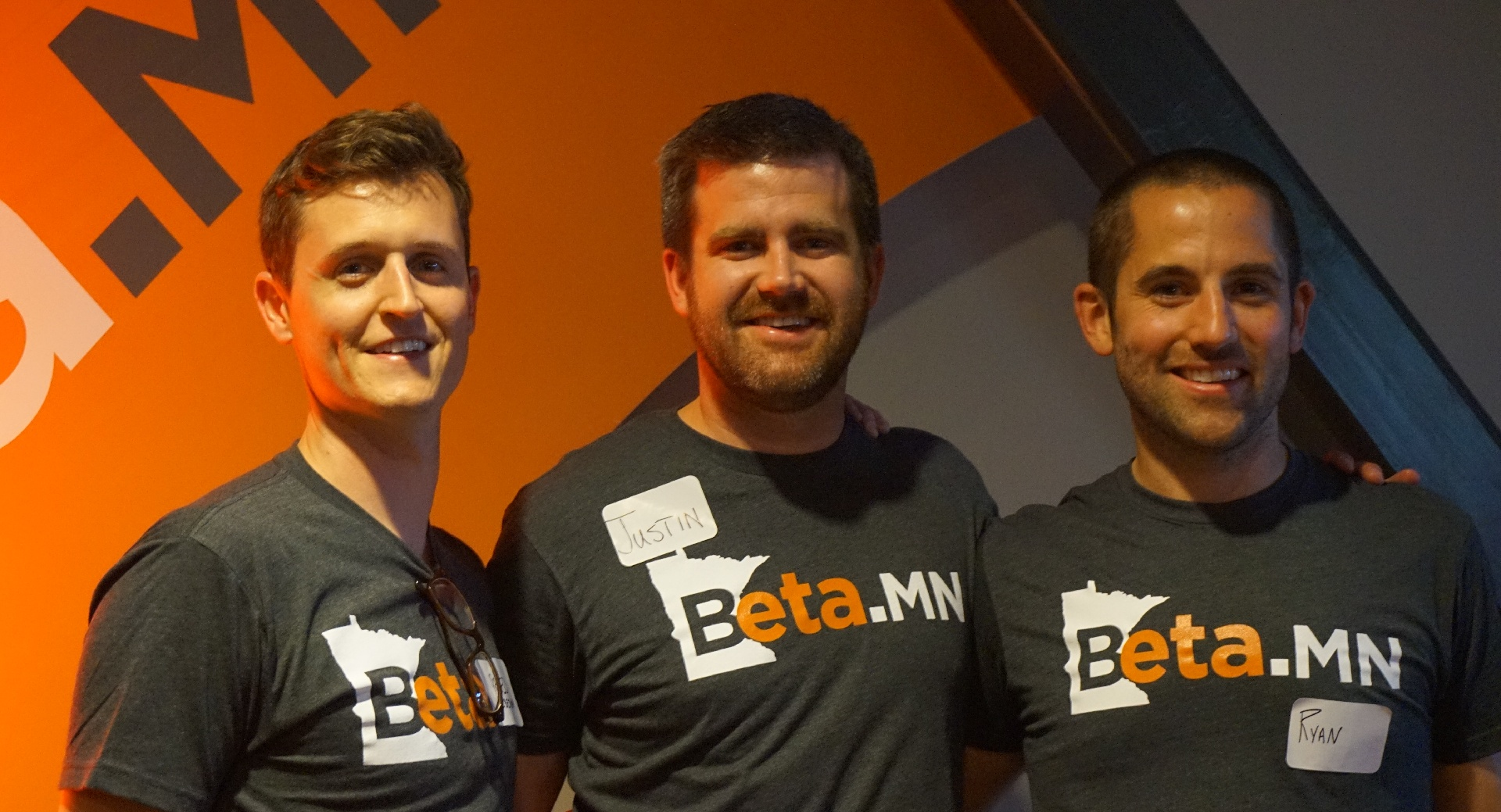
BETA began in 2013 with Reed Robinson, Ryan Broshar, and Justin Cox. Their initial ambition was to celebrate local technology founders. In January 2014, they found a venue, invited startups from their network, and persuaded more than 200 friends to come. There was no need to invent entrepreneurs. The entrepreneurs already existed. Giving other people a reason to meet them was the work.
Robinson later described the origin with unusual candor: “BETA was my sneaky way of staying involved in the local tech community.” Twin Cities Business reported that he ran the organization in his spare time for its first four years. That detail matters. An institution that now organizes founder education began with the sort of extracurricular enthusiasm that rarely comes with an operations manual.
The introduction gets a syllabus
Today, the BETA Cohort gives that gathering a practical structure. Founders work on financial models, customer feedback, sales, hiring, and investor presentations. The expected outputs include a business model canvas, a capitalization table, and a functioning customer relationship management system. A founder who can explain the product still needs to explain who buys it, what the sale costs, and how the company survives until the next one.
BETA offers access to peers, a private founder Slack channel, and coworking at Twin Ignition Startup Garage. Its expertise lies in assembling business training and relationships around early company needs. The most revealing feature is the homework.
A usable sales pitch travels further than a notebook full of encouraging remarks.
The intended beneficiary is usually a Minnesota company with a scalable, technology-enabled product and a minimum viable product already available or ready for market. Bootstrapped businesses fit alongside teams preparing for early fundraising. This is a particular moment in a company’s life: something exists, but the business around it still needs construction.
Free has a calendar attached
The cohort charges no fee and takes no equity. Its economics belong to a nonprofit: donors and sponsors help pay for programming, and partners are asked to contribute expertise and resources alongside financial support. BETA’s appeal rests partly on this division of labor. Founders receive support without selling ownership to the organization providing it.
The price they do pay is attention. BETA’s published expectations call for four to six hours of educational programming each week and attendance at at least 80 percent of scheduled activities. For Spring 2025, sessions ran on Wednesdays, primarily in person. Someone holding a demanding day job must reckon with that calendar. “Free” is a fine price, but a poor excuse to ignore opportunity cost.
Nor is BETA the only route. Gener8tor’s separate gBETA programs also offer free support without taking equity. Techstars couples its accelerator with investment under equity-bearing agreements. Those choices answer different needs. A founder seeking capital immediately may make a different decision from one seeking local business knowledge and introductions.
A science fair with consequences
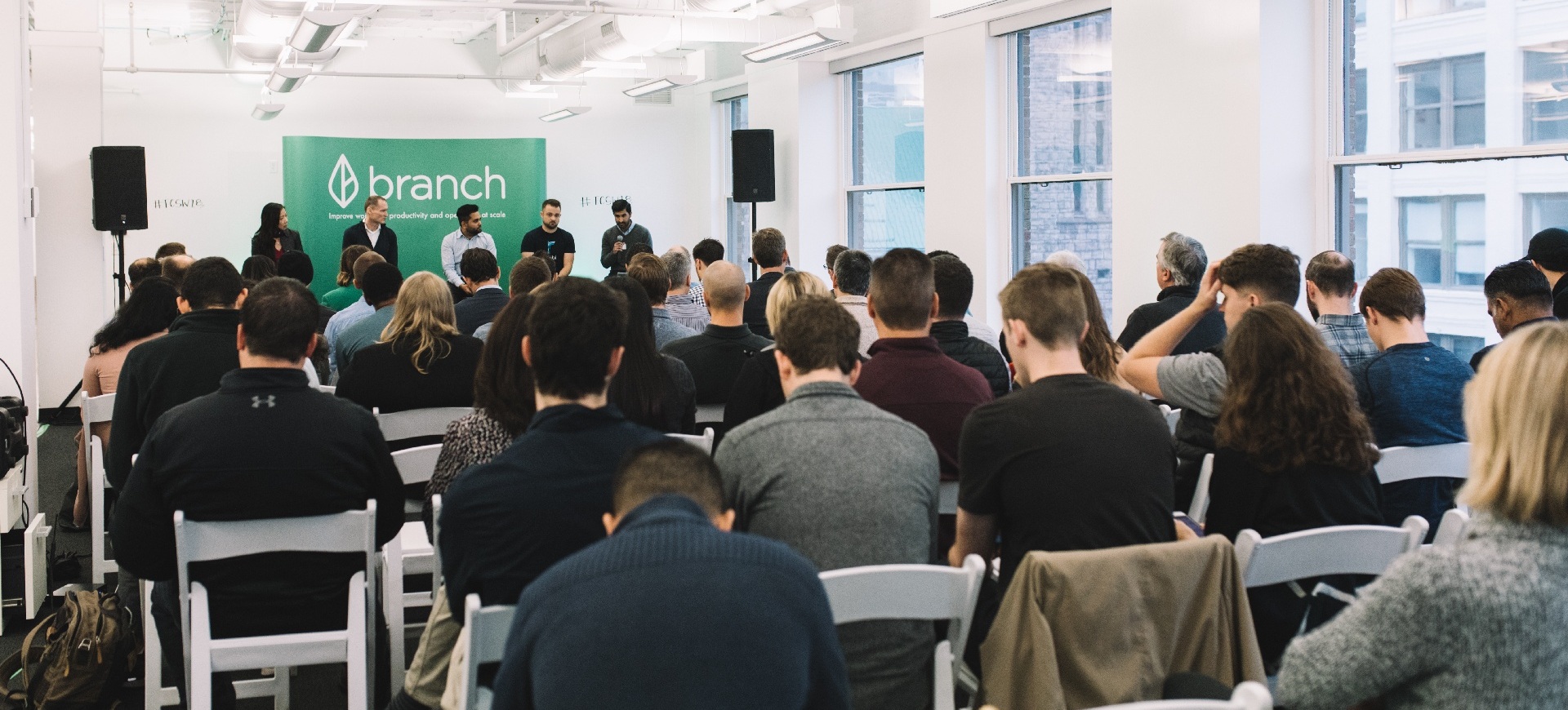
Showcase lets founders put a product in front of people who might use it, write about it, fund it, or simply ask an awkward question. BETA describes the event as a startup science fair. Mary Kay of Bus Stop Mamas offers a concrete account of its value: “Winning the Golden iPod propelled the visibility of Bus Stop Mamas.” Her testimonial links that attention to investor interest. Visibility is useful when it produces another conversation.
Twin Cities Startup Week takes the same impulse beyond a cohort. Local organizations help supply the programming, making the festival an entry point for people outside the usual founder circles. Its 2026 edition was listed for September 14-18 across six campuses. A city’s startup community becomes easier to enter when there are public occasions for entering it.
When the room disappeared
The model encountered a physical constraint in 2020. BETA’s annual recap records the conversion of its programming to digital experiences, including its first virtual cohort and two virtual showcases. Whatever a room had contributed to an introduction now had to happen online. The organization also expanded representation in its selection committee and incorporated inclusion throughout the curriculum. The report describes specific changes rather than treating community as a finished achievement.
In June 2021, BETA acquired tech.mn from SureSwift Capital. The stated rationale included wider startup storytelling and connections between companies and job seekers. Teaching founders to build businesses and helping the public discover those businesses sit close together. Buying a publication made that relationship organizationally explicit.
The number needs its small print
330 startups
2,334 employees
BETA’s homepage reports 330 startups, $651 million raised, and 2,334 employees; its portfolio rounds the fundraising figure to $650 million. These describe alumni companies. They are neither BETA’s own funding nor a controlled experiment proving what the accelerator caused. They do suggest that its network contains businesses whose ambitions have moved beyond the demonstration table.
The Spring 2026 announcement describes 13 startups, including Referrin Health, working on healthcare referrals, SolarSentra, analyzing solar inspection imagery, and WhereHowSpace, planning physical space from business data. The problems differ; the founder’s need to build a workable company recurs. BETA’s earlier Founders in Training expansion also invited people still considering a business to learn alongside established teams.
The useful lesson to copy is quite practical: arrange access around work that needs doing. Bring a product, a question, or a financial model to the conversation. Then follow up. For founders who can participate and put advice into practice, BETA gives that habit a schedule. The Golden iPod makes a better photograph. The next useful introduction may make a better business.
Meet the people. Try the door.
Explore the cohort ↗ Visit Showcase ↗ Startup Week ↗ BETA website ↗ BETA blog ↗ LinkedIn ↗ X ↗ Instagram ↗ Facebook ↗ Read Robinson’s interview ↗ Listen to Robinson ↗