In September 2025, Yaniv Bernstein put a peculiar number beside The Startup Podcast: zero. More than 250 episodes into a show about building companies, he said he had earned nothing from making it. His co-host, Chris Saad, was in the same position. There was an audience. There was a team. There was also a shrinking pot of money to pay that team.
- Free audio and video lessons for founders pursuing venture-scale growth.
- Operator experience from Google, Uber and the hosts’ own startups.
- Sponsors fund production; a 2026 episode raised the possibility of stopping.
This is an unusually useful place to begin a company profile. A podcast can help thousands of people and still struggle to support the work behind it. Founders hear versions of that problem every day: people appreciate the product, praise the product, recommend the product. Then comes the question that enthusiasm has conveniently postponed. Who pays?
The bill behind the free advice
“I have earned $0 from doing over 250 episodes of The Startup Podcast.”
Yaniv Bernstein, September 2025
Bernstein’s appeal was specific. The hosts enjoyed the work, helped other founders and met interesting people. But producing and distributing a twice-weekly show required paid help. Sponsors covered that work. He asked for introductions to companies serving startup founders and operators, particularly in Australia, the United States and the wider English-speaking market. The financial pressure sat in production cash, even while the hosts continued donating their time.
First, decide what you are building
Rewind to March 5, 2022. The first episode asked what a startup actually was. Its subtitle, An Antidote to Small Business Syndrome, supplied a fair warning about the hosts’ point of view. This would be instruction for people attempting a Silicon Valley-style company, with the ambition, experimentation and risk that venture-scale growth entails.
That distinction gives the brand its address in a crowded market. Its listeners are founders, operators and investors. The problems are familiar: finding product-market fit, deciding what to build, raising capital, hiring people and keeping an organization pointed in one direction. An owner seeking predictable income from a modest, profitable business may need a different set of instructions. The show’s assumptions about scale deserve examination before its advice becomes policy.
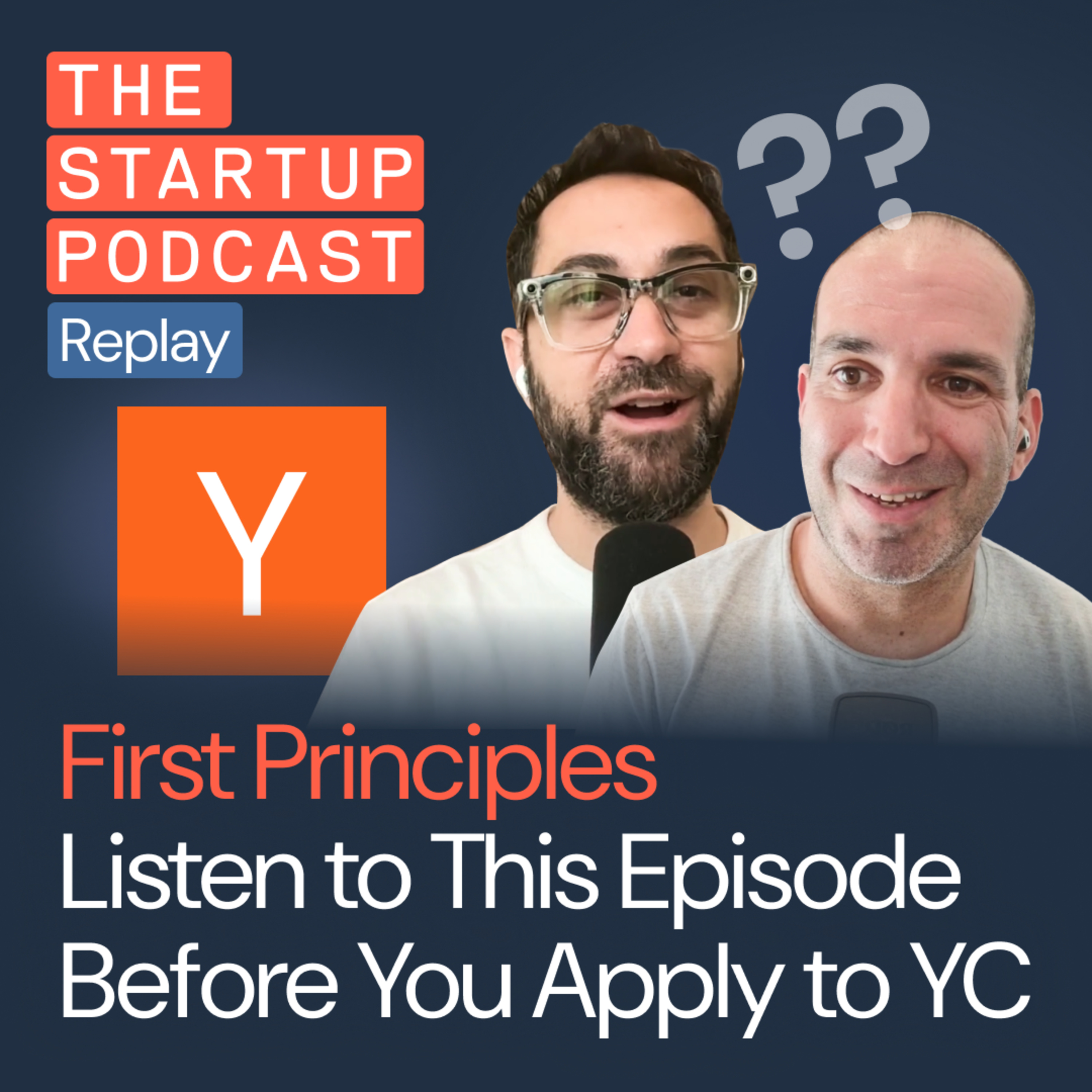
A microphone, not a victory lap
Saad formerly led product for Uber’s Developer Platform. Bernstein spent a decade at Google as an engineer and engineering leader, then worked in scale-up leadership and founded startups. Their expertise comes from product, engineering and organizational execution. Those are useful credentials for a conversation about why a team ships the wrong thing.
The format makes that experience accessible. “Edu” episodes tackle a particular subject; “Reacts” episodes interpret technology news. Listener questions and applied discussions add other ways in. Apple’s description emphasizes concrete instruction over another interview show. Guests still matter, but a topic supplies the organizing principle. A busy founder can enter through the decision already occupying the afternoon.
Consider the September 2022 conversation with product-management author Marty Cagan. It examined solution risk: choosing a real problem does not guarantee that the thing you build will solve it. The discussion covered prototypes, engineers participating in discovery and coaching product managers. The reader’s move is straightforward: include the people building the product while testing the proposed solution, rather than waiting until requirements have hardened.
The hosts also permit disagreement. A June 2022 episode explicitly advertised their conflicting views about geography. That matters for an advice business. The listener can hear the assumptions under an argument and decide whether those assumptions describe their own market. A polished answer is less helpful when it hides the conditions that produced it.
The host becomes the case study
In July 2026, Bernstein offered up Vera, his separate startup helping families care for aging parents, for examination by Rob Snyder. Snyder’s PULL framework asks where genuine customer demand exists. Suddenly the host was the founder being questioned. The episode description identifies the weakness plainly: Vera’s original problem was too abstract.
A mission can gather agreement without creating an immediate reason to act. The conversation narrowed toward a specific, unavoidable moment in the customer journey, distinguishing a general aspiration from a project someone needs completed. That changed the framing being discussed. It did not establish that a commercial turnaround had already happened.
What broad outcome do people want?
What specific project must they finish?
What action shows they need your help?
The exercise travels well. Ask a prospective customer what they are trying to finish, when it must happen and what they currently do instead. An agreeable conversation is insufficient evidence. The useful signal is behavior connected to a concrete need. For this show, submitting a host’s own business to scrutiny makes the teaching feel less safely retrospective.
Useful to one person. Paid for by another.
The podcast’s commercial arrangement contains two constituencies. Listeners receive free education. Sponsors buy access to that audience. Vanta, .tech domains and Trilligent have appeared as sponsors. A newsletter keeps another connection open; an official store sells apparel and drinkware. Production credits identify Justin McArthur and Steph Hefferan, making visible some of the labor behind the conversation.
SponsorsFund production
→The showCreates free lessons
→ListenersBring attention
The show calls its request for listener help “The Pact”: follow, review, watch, buy merchandise and share it publicly. Those actions can help distribution. Bernstein’s appeal exposed the remaining dependency: production still needs sponsor cash. The August 3, 2026 episode description warned that it might be the last without another sponsor. It is a conditional warning, not a confirmed closure.
One problem. One episode. One change.
Use the archive like a working shelf. Before a planning meeting, try the episode on priorities and unfunded mandates. Before committing engineering time, try the Cagan discussion. Write down one assumption to challenge and one action to test. That routine is an editorial recommendation: a way to turn listening into work you can inspect.
In the latest listed episode, Saad demonstrated ScaleStudio, his separate AI strategy tool, moving through problem definition, positioning, roadmaps and organization design. Spoken principles became a visible workflow. The podcast leaves a related invitation: take an idea out of the conversation and see what happens when a real customer, a real team or a real bill gets involved.