The third event on Startup Leadership Program New York’s published 2027 calendar is a failure keynote. Pitch practice comes later. Before fellows reach fundraising, they will also encounter customer development and cofounder conflict. It is an unusually candid prospectus: the business may struggle, the partnership may strain, and knowing what to do next deserves classroom time.
- A nonprofit fellowship for founders, with no equity taken.
- Local cohorts combine practical lessons, practitioners and peer support.
- Fellows help make the education; the network continues after graduation.
That is the useful way into Startup Leadership Program, or SLP. Entrepreneurship produces plenty of public performances: the pitch, the launch, the announcement. SLP makes room for the less photogenic work of becoming someone who can run a company. Its most interesting design choice concerns who does the teaching.
A classroom with no spectators
Anupendra Sharma and Puran Dang co-founded SLP in Boston in 2006, according to its India founding account. The ambition extended beyond producing successful businesses. Fellows were also asked to share knowledge, resources or wealth with people who needed help, regardless of their own eventual success.
“We help founders build their startups and chase their dreams.”
Anupendra Sharma · SLP founding vision
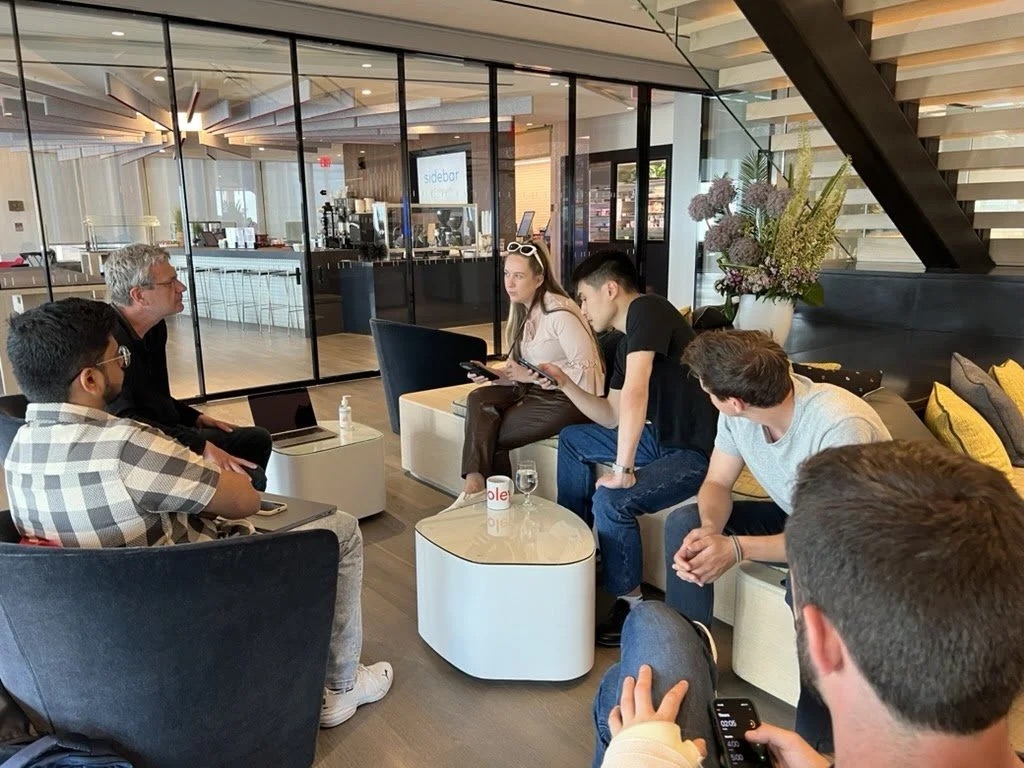
The operating idea is admirably concrete. India’s published curriculum says fellows take turns researching, planning, organizing and running classes, supported by the program team. A participant becomes responsible for other participants’ learning. That changes the bargain. Arrive unprepared and you have inconvenienced people whose problems you may need help solving next week.
Admission follows the same logic. India’s criteria emphasize the individual: leadership, entrepreneurial experience, willingness to contribute and cultural fit. The website explicitly distinguishes this from judging the startup’s quality. Its published cohort size is 20–25 founders per chapter. The idea can evolve while the person keeps learning.
The price of a seat
“No equity” is a useful promise, but it is not the same thing as free. India’s 2023–24 program advertised ₹35,000 including GST, with two nights at a national meetup covered. Its materials described 60 hours of classes across four months, Saturday sessions and a residential gathering. That is a dated chapter price, rather than a worldwide tariff.
The founding account explains where the money goes: operating expenses, including food, beverages and gifts for mentors. Local chapters run independently within program guidelines. New York describes its team as entirely volunteer-run. These arrangements help explain the model’s economics: fees cover activities, while participants and supporters supply much of the labor.
Time is the other contribution. SLP’s broader program has historically been described as six months and 80 hours, but local formats differ. A founder comparing chapters should read the actual calendar and ask what preparation is expected. A manageable tuition bill can still purchase a commitment that clashes with customers, employees or family.
A syllabus for the awkward bits
New York’s published 2027 schedule contains 25 events from January 5 to June 19, mixing virtual and in-person meetings. The regular classes are described as Tuesday sessions lasting roughly two and a half to three hours. Graduation gets a barbecue. Founders, apparently, also require lunch.
- JANFailure & company focus
- MARCofounder conflict & metrics
- APRPitching & cap tables
- JUNMental health & deciding to stop
Selected sessions, not a measure of time allocated.
Between those bookends sit product development, startup metrics, cap tables, hiring and mental health. The sequence suggests a practical definition of founder expertise: making decisions across functions when nobody has handed you a complete instruction manual. The syllabus recognizes that selling a product and managing yourself can become problems in the same afternoon.
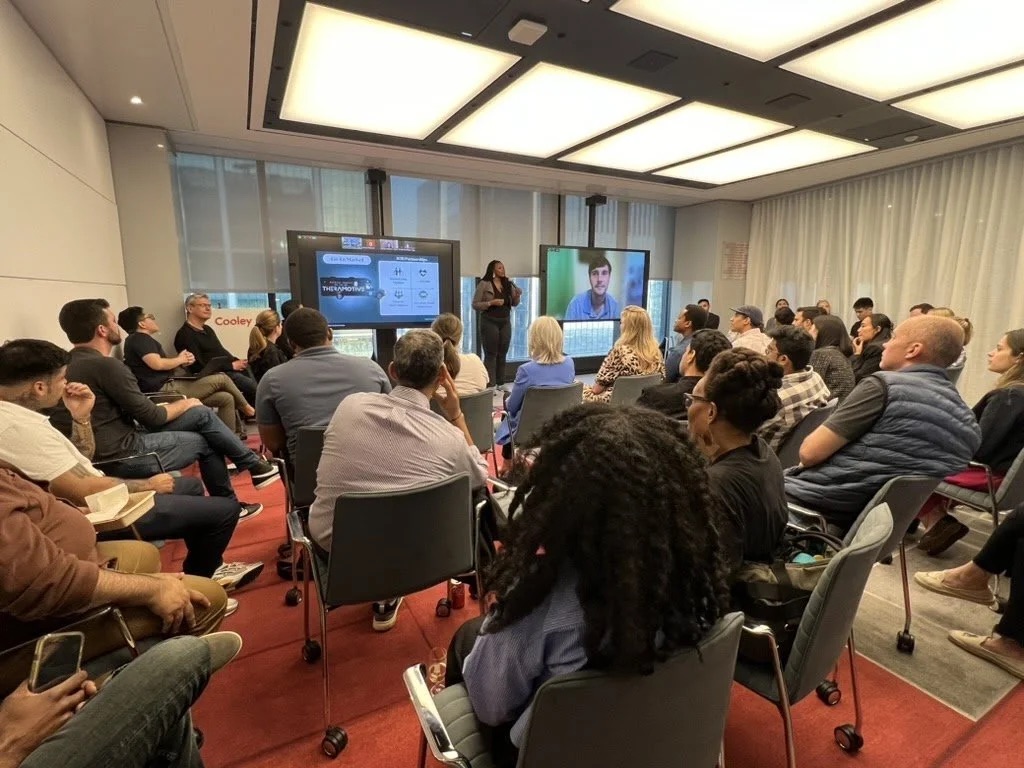
Support also comes from outside the cohort. New York’s live sponsors page lists product analytics company PostHog and law firms Cooley and Crowell & Moring. India’s published program names legal sponsor Fox & Mandal. These are chapter relationships, with benefits that depend on local arrangements; they should not be read as a universal package.
When the company changes, the network stays
A 2017 first-person account by fellow Yiannis Broustas illustrates the human stakes. Considering whether to keep pursuing startups, he encountered a speaker who had endured more than 100 investor rejections. A session about persisting or pivoting helped him reconsider his own path. He later wrote that he had declined job opportunities and returned with a new venture.
That is one person’s account, not a promised outcome. SLP’s India website also reports 4,000 fellows, 2,500 startups and $4.6 billion raised by alumni companies in its 2023-era materials. The funding belongs to those businesses. Aggregate totals cannot reveal how much the fellowship caused, or what happened to a typical participant.
The better distinction is structural. SLP says it chooses entrepreneurs and complements accelerators. It offers education and relationships that can remain useful across ventures. For founders already getting investment support elsewhere, a separate room for difficult questions may be valuable. The person can remain a fellow after the pitch deck changes beyond recognition.
Borrow the classroom
The practice a reader can copy is simple: give every member of a peer group responsibility for a useful session. Pick a live problem, invite someone with relevant experience, and ask participants to prepare. Repeated contribution gives people a reason to return and a way to recognize one another’s judgment.
The conditions matter. This arrangement needs attendance, candor and a cohort willing to help. Someone seeking an immediate investment check, passive lectures or a substitute for customer demand should examine those expectations carefully. For a founder willing to bring unfinished questions and do some teaching, SLP offers a practical exchange: work on your company while helping someone else work on theirs.