In May 2012, Chicago gave its technology founders a place to sit together. Fifty thousand square feet on the twelfth floor of the Merchandise Mart became 1871: desks, meeting rooms, a coffee shop and a proposition. Put people who need help near people who can give it. The awkward business of starting a company might become a little less awkward.
Thirteen years later, the organization announced it would leave. The founders had learned to work from anywhere. The lease had acquired no such skill. Here was a rather expensive question for an incubator: if the desk disappears, what remains worth paying for?
- 1871 sells access: education, mentors, peers and introductions for technology businesses.
- The old office model strained: fewer tenants meant less rental income against a large real estate commitment.
- Membership has a published price: individuals pay $200 monthly or $2,000 annually for early-stage membership.
- Impact and solvency are different: alumni fundraising totals do not pay the nonprofit’s bills.
The room that worked
1871 was a project of the nonprofit Chicagoland Entrepreneurial Center, with J. B. Pritzker among its founding forces and early financial supporters. Illinois provided a $2.3 million launch grant for construction and infrastructure. More than 300 companies had applied for space before the doors officially opened on May 2. The initial wager had an eager audience.
The building helped make the idea legible. A founder could arrive with a laptop and encounter investors, educators and other founders without arranging a tour of the city. Code Academy and Excelerate Labs were among the early participants. In the hub’s first hundred days, Food Genius became the first company to graduate into its own office. Leaving was a desirable outcome. Few landlords enjoy a tenant’s departure quite so much.
The name carried a civic argument. It referred to the rebuilding after Chicago’s 1871 fire: engineers, architects and inventors making something new together. A startup hub could borrow that history without borrowing the flames. The appeal was practical cooperation, wrapped in a story the city already understood.
Over time, 1871 broadened its audience. Its 2020 acquisition of the Illinois Technology Association brought growth-stage businesses into the community. A founder testing an idea and an executive trying to scale a company need different advice. Keeping both within reach created more occasions for experienced operators to meet people still wrestling with their first customer.
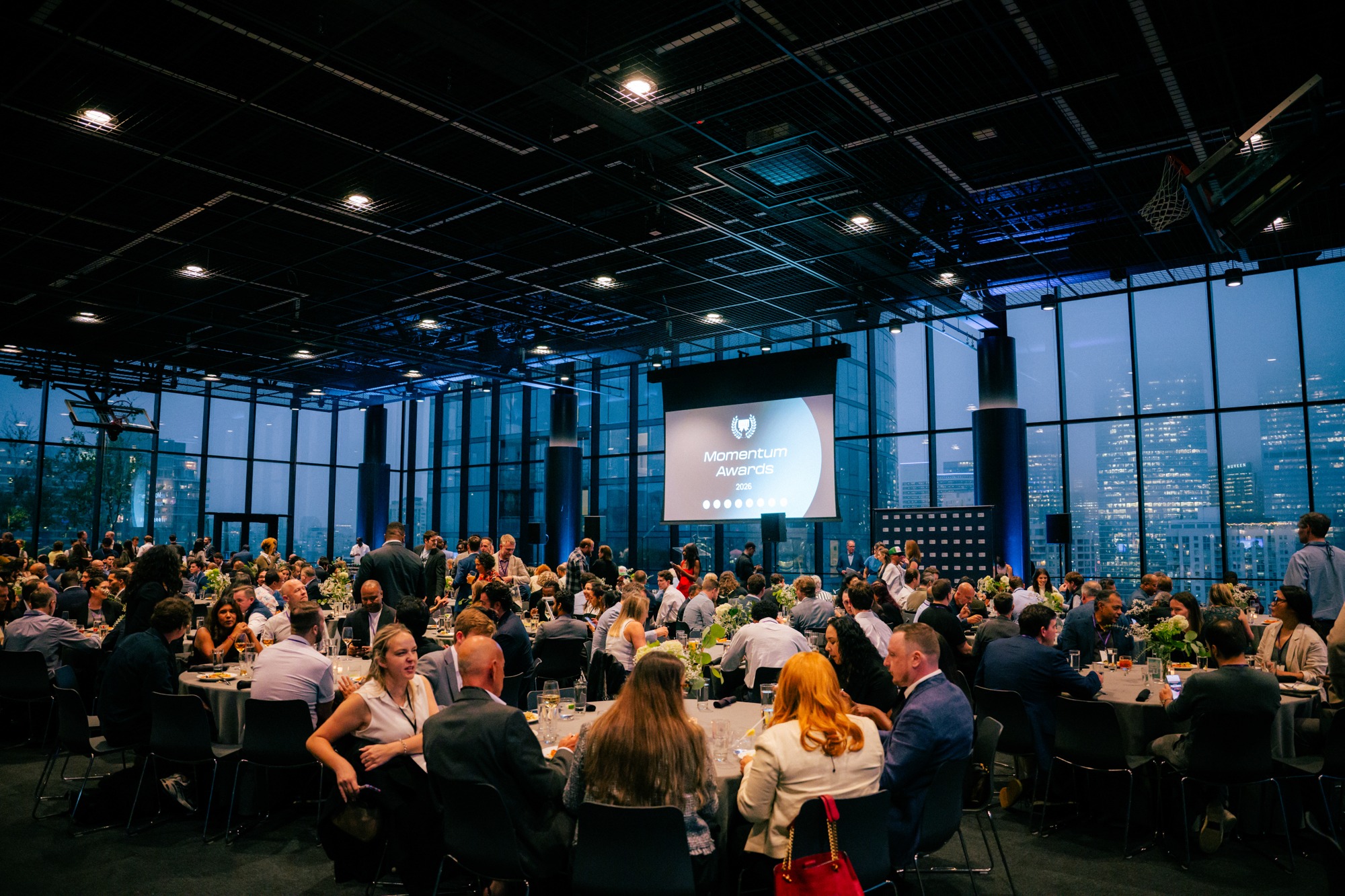
The lease was less adaptable than the founders
By February 2025, the physical model needed repair. The Real Deal reported that the pandemic had reduced 1871’s tenant roster from 52 to 15, cutting rental income by more than half. Its operator had paid $3.1 million in Mart rent in 2022. Those were operating costs, not the cost of teaching someone to pitch.
The same report quoted CEO Betsy Ziegler acknowledging that the organization had not adapted its real estate model quickly enough. That admission identifies the failure more precisely than a vague story about a difficult market. The commitment to space outlasted the demand that had supported it. A busy community and an affordable building had ceased to be the same thing.
In October 2025, 1871 announced a new shared hub alongside water-innovation nonprofit Current and the Illinois Hispanic Chamber of Commerce, in space provided by Edelman near its Chicago headquarters. By September 2026, 1871 reported its move to 111 N. Canal Street and reduced costs. The new arrangement preserved a physical meeting place while changing who shared it.
The tax filings give this decision some weight. For the fiscal year ending June 2025, the Chicagoland Entrepreneurial Center reported about $4.36 million in revenue and $5.09 million in expenses: a deficit of roughly $731,000. The previous fiscal year’s deficit was about $3.11 million. The smaller loss matters; it does not establish that the subsequent relocation solved every financial problem.
What a founder buys for $200
Today, 1871 offers early-stage membership with a published individual price of $200 a month or $2,000 a year. Team membership is listed at $500 monthly or $5,000 annually. Those figures give a founder a useful starting point for a budget conversation. Workspace arrangements require their own check: the current coworking portal lists weekday hours and a badge option for extended weekday access.
The educational machinery is concrete. Startup Roadmap describes Explore, Build and Launch milestones: testing an idea, validating a problem and business model, then using customer evidence to support growth. Early-stage benefits include weekly workshops, sixteen-hour deep dives and mentor feedback on pitches, branding and products. A founder need not pretend every unanswered question is equally urgent.
For a growing company, the offer shifts toward introductions to corporate partners and investors, leadership development and industry-specific communities. Corporate members get their own tools, including reverse pitches in which established businesses explain their innovation needs to startups. That changes the usual performance. The potential customer has to say what it wants before the founder polishes another slide.
This places 1871 between several markets. A coworking operator can supply a desk. A cohort accelerator can impose a concentrated schedule. An industry hub can supply specialist expertise. 1871’s case rests on connecting education and relationships across business stages. For a founder, the relevant comparison is the help needed this month: customers, product feedback, hiring or capital.
A bank in the room changes the conversation
One revealing example is WMNfintech, the accelerator built with BMO. In 2025, its sixth consecutive year, the partners selected five founders and planned visits to Chicago, New York and San Francisco. The cohort included Annika Ng of investing community Blossom Social, Gwyneth Borden of debt-recovery company Remynt and Lerato Matsio of fraud-prevention business Trudenty.
The variety is instructive. “Fintech” can conceal businesses with very different buyers, rules and sales cycles. An investing community and a fraud network cannot be taught as though they have identical problems. A bank partner offers a route toward people who understand those distinctions. Whether it becomes a commercial relationship depends on what the parties actually need.
WMNfintech sits beside WMNtech, BLKtech and LTNtech founder and leadership programs. These give underrepresented participants more specific ways into the community: peers, mentorship and focused education. The design recognizes that inviting everyone to a large event is only one part of making professional access useful. People also need somewhere to ask an unfinished question without turning it into a performance.
Count the introductions, then count the cost
In September 2026, 1871 reported that businesses getting their earliest start there had created more than 20,000 jobs and raised more than $7 billion. These are organization-reported alumni totals. They describe the companies’ achievements; they do not measure how much of that success membership caused.
“1871 didn’t do that. You did.”
Betsy Ziegler / September 2026
Ziegler’s own line is a useful restraint on the arithmetic. An incubator can make an introduction, improve a pitch or expose a mistaken assumption. The company must still persuade customers, recruit employees and survive. A fundraising total makes a fine celebration. It makes a poor invoice.
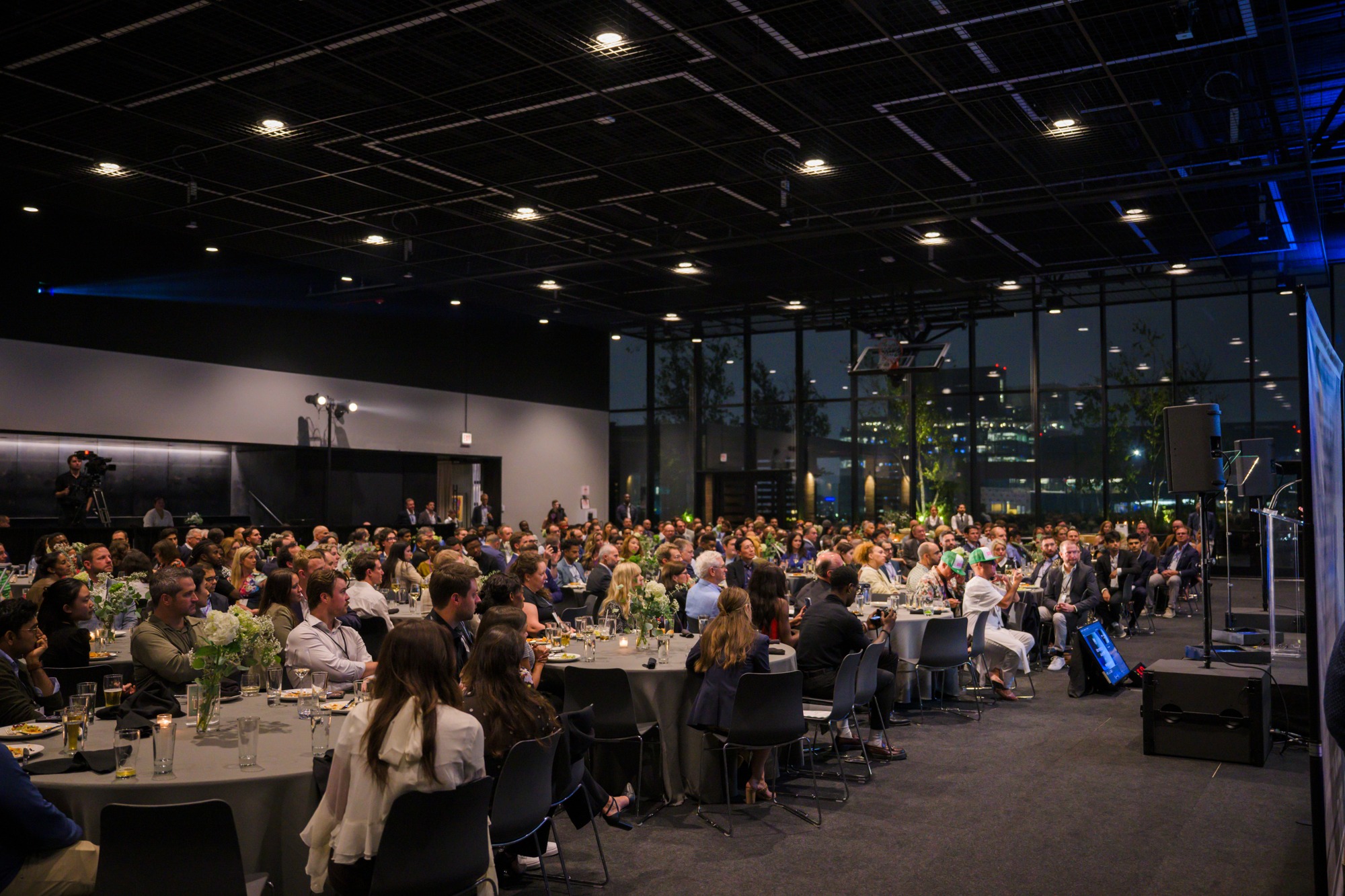
A reader can copy something more modest and more useful than a vast shared office. Name the next business milestone. Find peers at that stage. Ask for a mentor with relevant experience. Bring a specific customer question into a room containing potential buyers. Then measure what happened after the meeting: an interview, a pilot discussion, a changed product decision. Attendance alone tells you surprisingly little.
Membership will be harder to justify if the available expertise does not match the business, if the founder cannot make time for the programs, or if an introduction is mistaken for a funding promise. A tightly regulated product may need specialist advice beyond a general founder workshop. A business that only needs inexpensive workspace should compare workspace prices directly.
The institution has a parallel test. Relationships require organizing work, and organizing work costs money. 1871’s next chapter asks whether that work can remain useful with a more manageable property commitment. Chicago still has founders who need help and people willing to offer it. The interesting task is getting them together often enough to matter, at a cost the organizer can bear.
Go meet the room
Explore early-stage membership, the Startup Roadmap, growth-stage support and corporate membership. Check the current coworking arrangements before visiting.
Follow 1871’s website, LinkedIn, X, Instagram and Facebook. Read the new-hub announcement and September 2026 update, or browse the blog.
▶ Watch the Member Spotlight interviews ↗▶ More conversations on 1871’s YouTube channel ↗