ev-charging
(59)
Baker Electric Bought a $4,000 Shop. Then It Rewired Who Owns It.
From cruise-ship shore power to desert batteries, Baker Electric builds the connections behind California’s energy ambitions. Its own big connection is between the people doing the work and the people who own the business.

Kalibrate knows the corner. And the price at the pump.
Where should the next store go, and what should it charge? Kalibrate has built a business around those expensive questions - with retail forecasts, fuel pricing software and a growing debate over algorithmic power.

MADIC UK went from fixing pumps to running the shop
The former pump-maintenance business now connects tills, stockrooms and head offices. Its next test is making the forecourt work just as hard while drivers wait for a charge.

EO Charging Built the Plug, the Brain and the Pit Crew - Then the Grid Shifted Beneath It
The British fleet-charging specialist learned that the valuable bit is not the socket. It is knowing which van must leave at dawn, how much power the depot can spare and who answers when a charger sulks at 2 a.m. Its trip from a Suffolk pig shed to Pod and EDF is a sharp lesson in building - and financing - hard climate infrastructure.

Nadav Gur Has Spent 25 Years Making Invisible Systems Behave
Before apps were obvious, he built a travel assistant. Before conversational search was fashionable, he spun one out of SRI. Now Nadav Gur is applying the same systems instinct to the awkward economics of shared clean energy.

Nikhil Bharadwaj Put the Cloud on Notice
The Xeal co-founder learned EV charging’s least glamorous lesson in concrete garages: if the network disappears, the product cannot. His answer was to move the essential work closer to the plug.

Neha Palmer Is Building the Places Where Electric Fleets Get Their Power
The former Google energy strategist learned that scale begins long before a machine switches on. At Terawatt, she is turning land, grid connections and dependable operations into the quiet infrastructure of electric transport.

Daniel Lim Is Teaching Electricity to Pay Attention
The Crocus co-founder began with a stubbornly practical question: why collect oceans of energy data if nobody uses them to change what happens next? A decade later, his answer stretches from factory meters to EV chargers and software-controlled transformers.
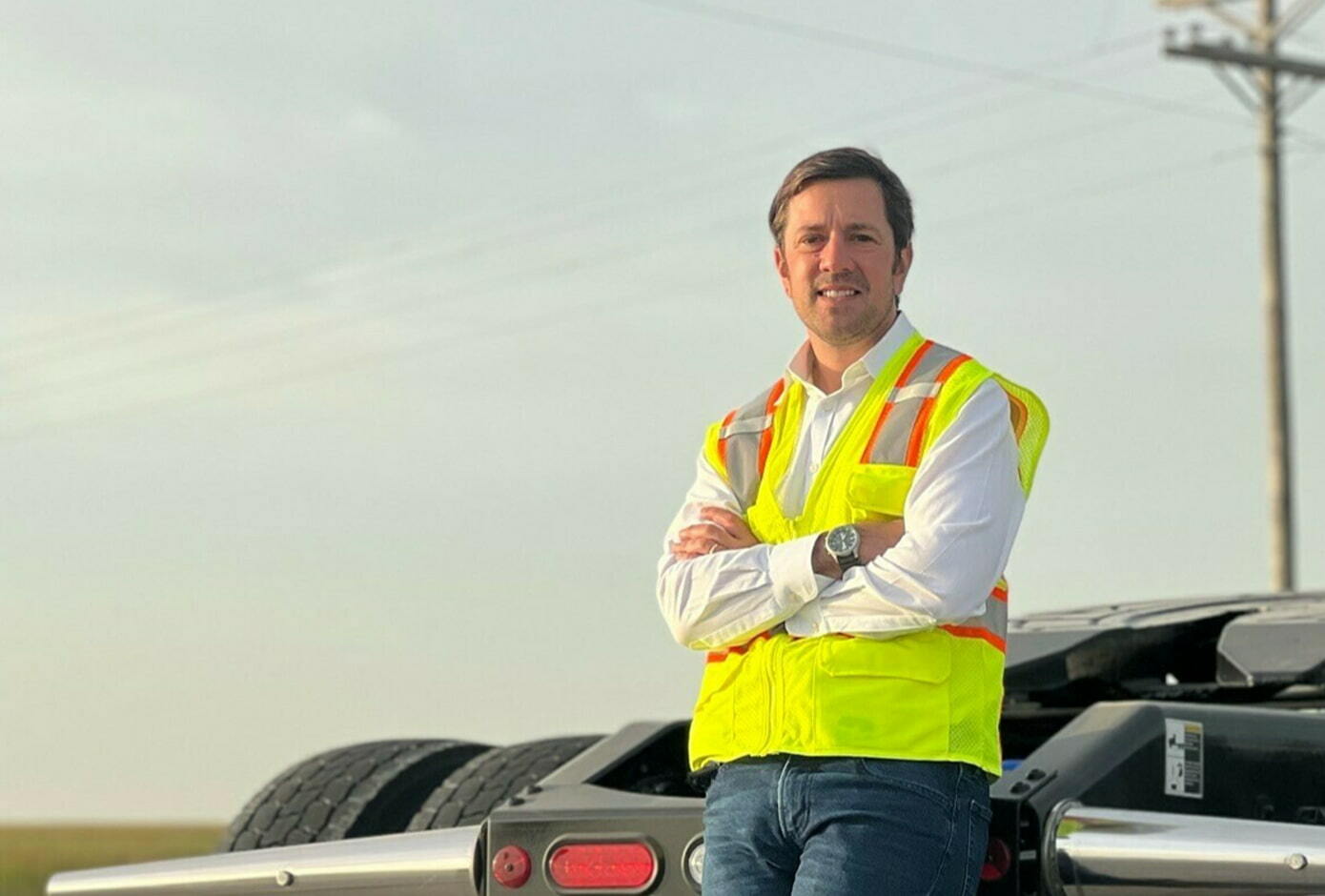
Pip Decker Learned Climate Policy in Washington. Then He Got a Truck License.
The Current co-founder has spent two decades turning climate policy into equipment that works - from Caribbean wind farms to electric semis, charging depots and a commercial driver's license of his own.

dcbel’s $9,999 Bet: Your EV Should Run the House
The Montreal company spent a decade turning an electric car into a home battery. Now the hardware is certified, Volvo and Polestar are plugged in, and the hard part has shifted from invention to installation.
Xeal’s Contrarian Bet: The Best EV Charger Is the One That Ignores the Internet
After its first connected chargers stranded drivers and drew hate mail, Xeal spent two years moving the transaction off the cloud. The result is a real-estate-first charging business built for the place Wi-Fi goes to die: the parking garage.

COIL Sold the Unsexy Part of the EV Boom - Making the Charger Actually Work
Anyone can sell a charger. COIL built a business around the permits, panels, trenching, software and phone calls required to make one useful - then sold that missing layer to Wallbox.

Leviton Turned a Light Socket Into a 120-Year Hardware Empire - Here’s the Expansion Playbook
The family-owned manufacturer began with a part for gas lamps. Its real trick was learning when to abandon the product category - without abandoning the customer, the channel, or the wall.

The 98-year-old company that keeps your electronics from catching fire
Founded in 1927 to keep radios from frying, Littelfuse now makes the fuses, semiconductors and sensors that quietly protect everything from EV chargers to data centers - a $2.4 billion business built on parts most people never see.

The Korean Startup Trying to Shrink the Grid's Heaviest Box
Crocus wants to replace the hundred-year-old iron transformer with a silicon one that thinks. Its bet: the same box that charges electric cars can also keep an AI data center from browning out.

GreenPoint Is Turning the Forgotten Corners of Infrastructure Into Operating Systems
The New York investment firm has raised more than $1 billion to combine land, operators and software - from truck terminals and fleet-charging hubs to farms and housing.

The Tribe That Plans 150 Years Ahead Just Became Milwaukee's Third-Biggest Minority-Owned Business
Potawatomi Ventures turns casino and enterprise profits into data centers, federal contracts and fresh-food gas stations - and measures every bet against the next 150 years, not the next quarter.
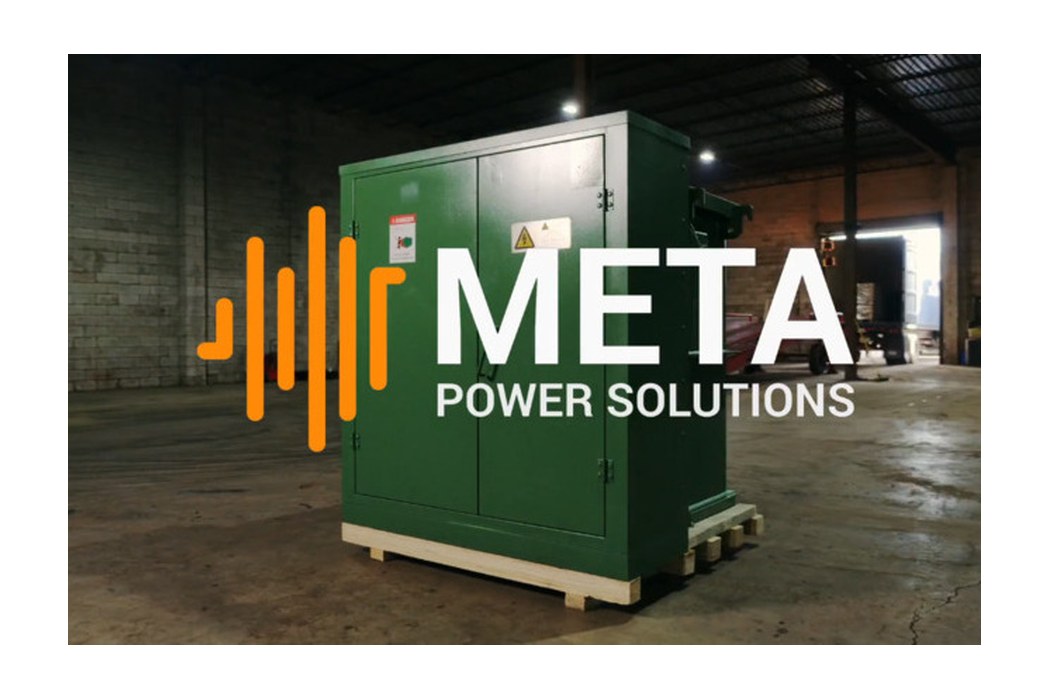
The Grid’s New Bottleneck Is a Box Full of Copper
Meta Power Solutions sells the overlooked hardware between ambitious electrical plans and a live switch. Its bet is that customization, testing and field support can turn a stubborn grid bottleneck into a buildable project.

The Company That Turned a Dead Battery Into an 80-Year Business
For 79 years Schumacher Electric has sold the same quiet promise - your battery will not leave you stranded. The bet now is that the promise scales from a dead sedan to an electric car.
The $4.50 Cleaning Bet That Now Runs 6 Billion Square Feet a Day
ABM began with a bucket, a sponge, a mop and $4.50. Today it sells something far more complicated: the promise that airports depart, data centers stay awake and ballparks are ready before the gates open.

The Tiny Box Behind Every Solar Panel Is Enphase's Big Bet
Enphase turned the least glamorous part of rooftop solar into a platform. Now its panel-level microinverters anchor a connected system for making, storing, using, and selling household power.
Circle K
How three El Paso grocery stores became a 29-country, 149,000-employee machine for selling gasoline, coffee and the two-minute stop.

Vontier
The company you have never heard of runs the fuel pumps, tool trucks and traffic lights you pass every day - and it is quietly betting all of them on the messy middle of the energy transition.

SolarEdge Technologies
The Israeli company that made every solar panel report for duty individually - and then had to fight its way back from a near-death inventory crisis.

Bell Resources
Bell Resources is building AI-powered Roadside Hubs that fold ultra-fast EV charging, automated car washing, clean energy and smart retail into a single connected stop.

Zinny Weli
Zinny Weli is the co-founder and CEO of RoboDock, a Y Combinator (W26) startup building robots that run the depots for autonomous and electric vehicle fleets - handling charging, plug-in, and post-trip inspection without human labor. A mechanical engineer trained at the University of Michigan and Stanford, she previously owned the charging system for Amazon's Astro home robot at Lab126 and led the autonomous charging tower for Zipline's delivery drones from concept to multi-city deployment. She started RoboDock with Celine Wang, whom she first met at Stanford as her teaching assistant.
RoboDock
RoboDock is a San Francisco robotics startup (Y Combinator W26) building the physical automation layer for electric and autonomous vehicle depots. Its robots plug in chargers, align to charge ports with vision guidance, and run post-trip inspections using visual and thermal sensing - turning depots that still rely on people walking rows of vehicles into self-running infrastructure. Founded in 2025 by Stanford classmates Zinny Weli (CEO) and Celine Wang (CTO), the company offers its system as a retrofit that drops into existing facilities without layout changes.

SwitchDin
SwitchDin is a Newcastle, Australia-based energy technology company that builds software and edge hardware to make distributed energy resources (DER) - rooftop solar, home and grid batteries, EV chargers and controllable loads - visible, controllable and orchestrable at scale. Its Stormcloud cloud platform and Droplet edge controllers create a common, vendor-neutral language across different brands of inverters and batteries, letting utilities, retailers and network operators run microgrids, virtual power plants and flexible-export programs. Founded in 2014 by Dr Andrew Mears, the company works with major Australian utilities including Horizon Power, Ausgrid, AGL, Origin and Western Power, and helped deliver a world-first renewable-only microgrid run in Onslow, WA.

Illumine-i
Illumine-i is a power and design engineering firm that provides turnkey engineering support for solar PV, battery storage, EV charging, substations, and grid infrastructure. Founded in 2015 by former Tesla and Sunrun engineers, the company works with EPCs, developers, independent power producers, and lenders - handling everything from preliminary feasibility to construction-ready permit packages, plus independent and owner's engineering. It has engineered more than 3 GW of clean energy across 200,000+ projects and complements its solar roots with construction-focused BIM/VDC and MEPF design services.
Sitetracker
Sitetracker is a cloud software company that helps owners and operators of critical infrastructure - telecom towers, fiber and wireless networks, EV chargers, renewable energy sites, utility grids and data centers - plan, build, operate and maintain their assets from a single system of record. Built on the Salesforce platform, its asset lifecycle and deployment operations management software is used by roughly 300 organizations worldwide, including BT, Ericsson, AT&T, Vodafone, Southern Company, RWE, Engie and EVgo, to manage millions of sites and projects representing more than $25 billion in portfolio holdings.