The electric-vehicle industry has produced a great many photogenic objects: clean dashboards, sculpted plugs, glowing map pins. COIL built its company around everything that happens just outside the frame. A charger must be matched to a building, a panel, a utility, a permit office, a network and a person willing to answer the phone when the screen goes dark. The company’s product is the completed chain.
Founded in San Francisco in 2019 by Bobby Penn, Coil, Inc. began with a plain observation. Buying connected electrical equipment - an EV charger, a home battery, a renewable-energy device - felt nothing like buying normal consumer technology. The box might arrive in two days. Making it useful could require weeks of load calculations, drawings, inspections and scheduling. COIL set out to turn that thicket into a managed customer experience.
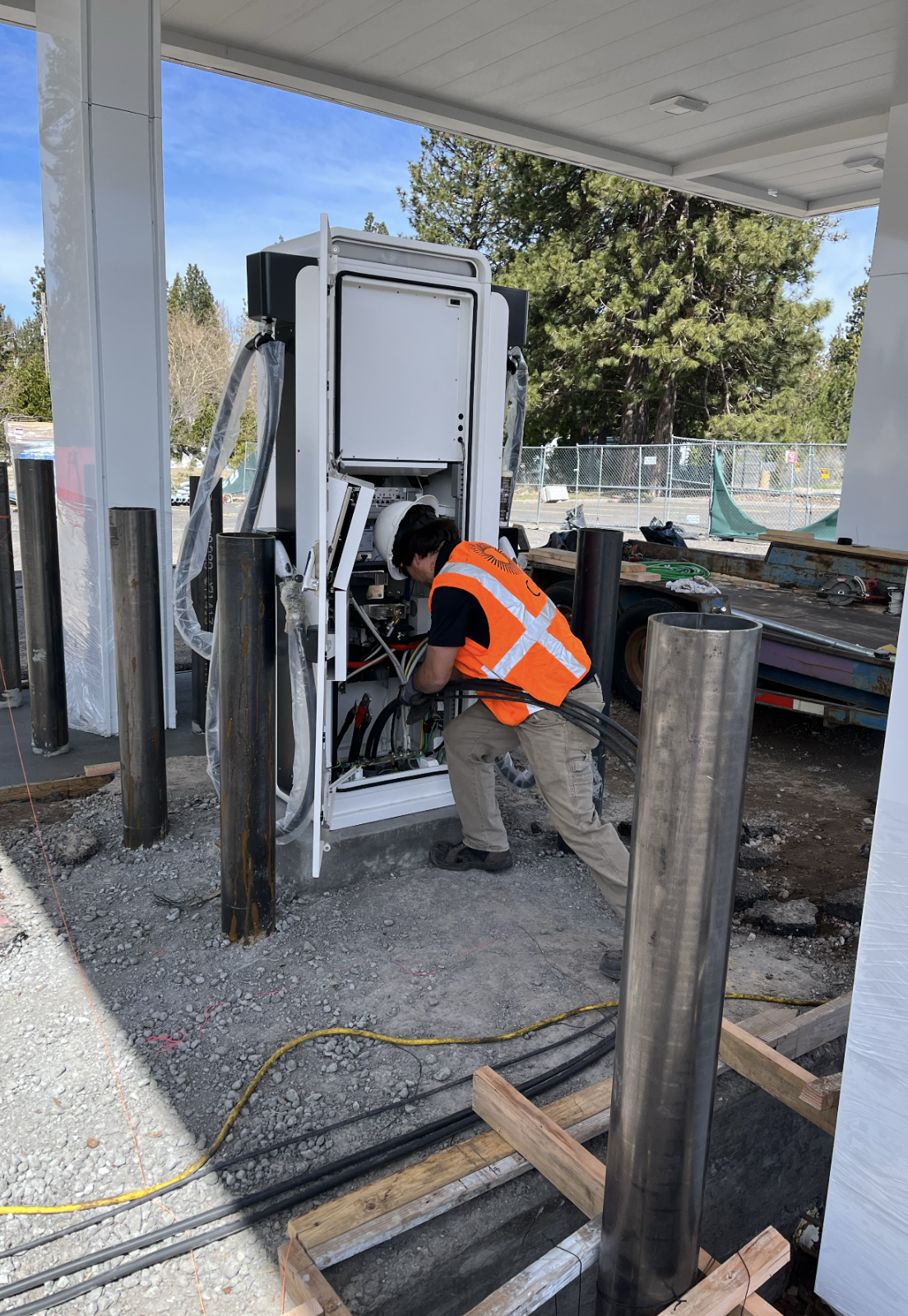
Today the company works across residential garages, apartment buildings, hotels, commercial parking, public sites and fleet depots. It assesses the site, designs the electrical solution, handles permits and utility coordination, installs Level 2 or DC fast-charging equipment, connects the network, commissions the system and offers maintenance. Its website lists licenses in 16 states. The local work travels through a national network of vetted electrical partners, while COIL’s own managers and software keep the project stitched together.
The product is not the plug
COIL does not depend on convincing every customer to buy one proprietary charger. It calls itself EVSE- and partner-agnostic, and its public work includes Wallbox, Tesla, Nuvve, Xeal, Blink, Enel X and other brands. That changes the sales conversation. The first question becomes “What does this site need?” instead of “How do we fit this site around our box?” For an HOA balancing resident requests, an asset manager replacing dead equipment or a bus depot planning tomorrow morning’s routes, that distinction is practical.
The service menu follows the actual order of pain: solution design and engineering; load calculations; permits; rebates and incentive support; trenching, switchgear and panel upgrades; network configuration; commissioning; program management; then operations and maintenance. COIL CARE packages the last part into three-, four- or five-year plans priced per property. COIL iQ packages the workflow itself - pricebooks, estimate building, invoicing, job sharing, lead sharing and customer records - in software designed for electrical service businesses.
The repeatable project - from parking spot to working port
This hybrid makes COIL difficult to place in a single tidy box. It is an electrical contractor, a project manager, a specialist consultant, a software vendor and an installer marketplace. The untidiness is the point. Customers do not wake up wanting five vendors. They want charging.
What changed their mind
A 16-space garage near San Francisco’s famously crooked Lombard Street provides the cleanest view of COIL’s method. The property at 2164 Hyde Street was really several structures, with parking split across three levels. Its HOA initially considered a system for six to nine chargers. Requests from residents kept coming, so the ambition expanded: wire every space, share power and use flat-rate billing.
COIL did not begin by hanging equipment. It conducted a site walk and a 30-day load calculation. That study exposed the physical constraint. The building’s existing 100-amp panel would not support the desired power-sharing design, so COIL upgraded it and added a 200-amp panel. Sixteen Wallbox Pulsar Plus units were then networked to balance delivery across connected cars. The change of mind was not a founder epiphany. It was a customer seeing rising demand, then an electrician measuring what the building could safely deliver.
“Wallbox met all the needs that this property was looking for.”Suz Johnson, senior account executive at COIL
That sequence is copyable: let the demand define the target, let the load study define the constraint, and only then select the hardware. It also explains why vendor neutrality matters. Power sharing, connector compatibility, billing, physical size and communications all mattered in the Hyde Street garage. The winning charger was the one that fit the entire brief.
What failed first
In 2024, Veris Residential offered a less cheerful version of the same lesson. The apartment owner had selected a charge-point operator to own, fund and run charging across its properties. That operator went out of business. Existing ChargePoint installations also suffered from connectivity and customer-service problems. The physical plugs had not vanished, but the service model underneath them had become a liability.
COIL performed walks at five properties and returned assessments within two weeks. It presented two hardware approaches to Veris executives, explaining how each choice changed both installation scope and price. Veris selected self-contained Xeal chargers to simplify management in complicated high-rise environments. COIL installed 62 Level 2 units across the five properties and began evaluating two more. The rescue was not about adding the fanciest network. It was about reducing failure points while preserving room to expand.
Failure also appears in COIL’s corporate story. Wallbox acquired 100 percent of the business in August 2022. The disclosed consideration was €3.572 million: about €1.155 million in cash and €2.417 million in shares, with a possible additional share earn-out tied to conditions and continued employment. One year later, Wallbox reported that COIL had not met the required earn-out conditions and reversed the contingent amount. The core logic of the purchase remained: Wallbox wanted in-house U.S. installation and maintenance for residential, commercial and DC fast-charging work.
The $4 million-ish missing layer
At the exchange rates of the period, Wallbox’s price was roughly a few million dollars, modest beside the factories and public-market valuations surrounding EV hardware. Yet the purchase solved a strategic gap. A manufacturer could now approach automakers, utilities and dealerships with a one-stop installation and maintenance offer across North America. Wallbox had the designed object; COIL had the licensed people, project workflow and field relationships required to put it into service.
The business model mixes project revenue with repeat service. Homeowners can request proposals from certified installers. Commercial customers buy custom engineering and construction. Manufacturers use COIL as the customer-facing installation layer. Property owners can add multi-year maintenance. Electricians enter through the certified network, receive leads and use COIL iQ. Each participant sees a different product, but COIL monetizes the same scarce thing: coordination with accountability.
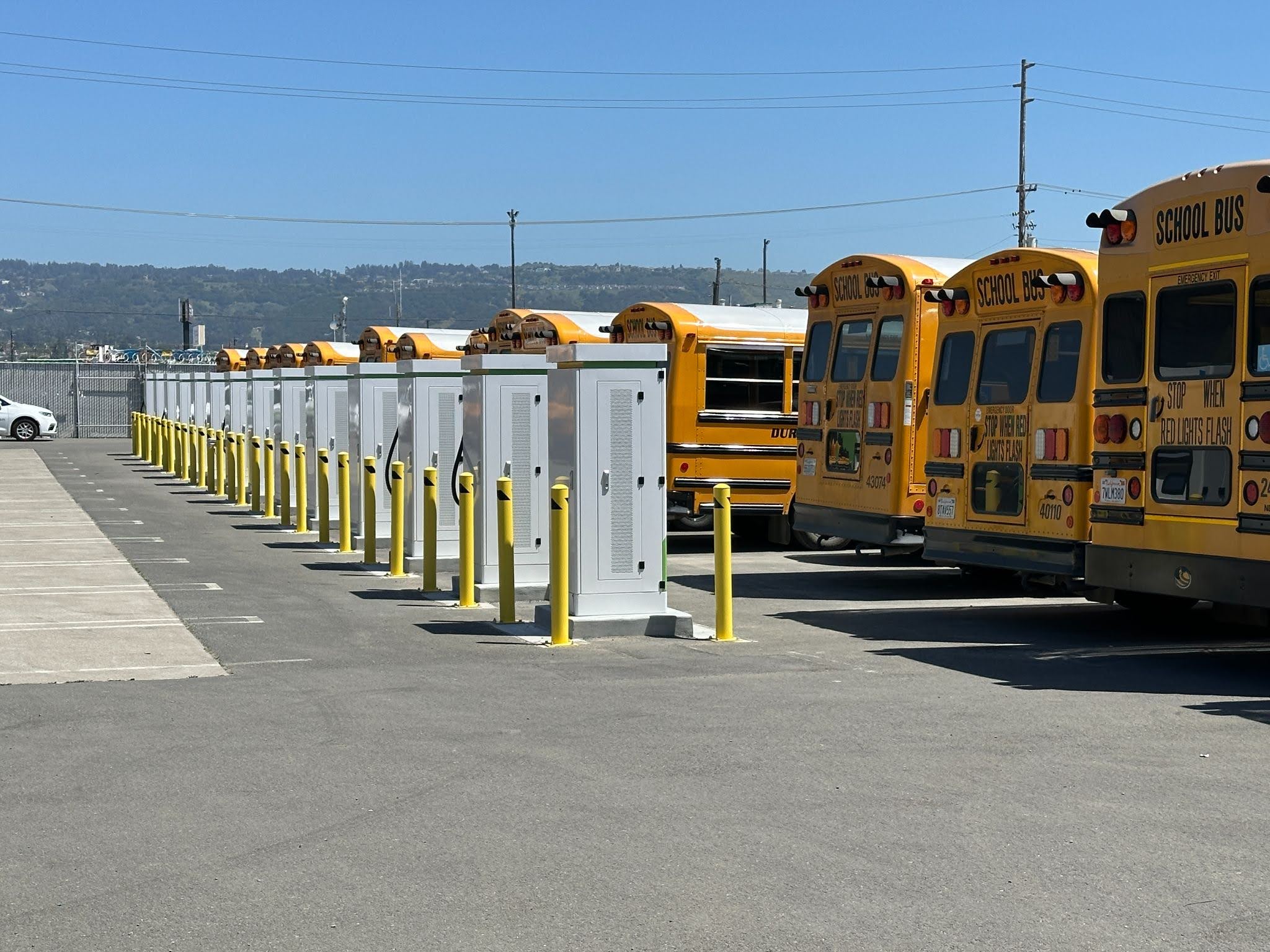
Its customers reveal where the market sits. A homeowner wants overnight convenience. A hotel wants an amenity installed without disturbing guests. The Hyatt Regency San Francisco Downtown SOMA project put in 12 Tesla wall connectors over two days, within the proposed budget and without interrupting operations. A school district needs buses charged before routes begin; COIL and Nuvve installed 14 Level 2 chargers for six Cutler-Orosi electric buses. A fleet depot may need high voltage, civil work and software schedules. The hardware changes. The orchestration does not.
What another operator can steal
- Sell the finished outcome, not one component of it.
- Use software to standardize intake, quoting and handoffs before chasing automation theatre.
- Stay neutral where customers face fast-changing hardware and stranded-vendor risk.
- Build a vetted local network, but centralize standards, communication and accountability.
- Attach maintenance at the property level, where uptime has an owner and a budget.
Where the playbook breaks
COIL’s model works best when the customer has a real site, durable demand and enough budget to treat charging as infrastructure. It becomes harder when local utilities cannot provide capacity, switchgear lead times swallow the schedule, permitting authorities move slowly, or public incentives arrive in boom-and-bust cycles. Penn has warned policymakers that inconsistent subsidy programs can make private investment lurch rather than compound.
It also fails if “hardware-agnostic” becomes “nobody owns the problem.” A wide brand catalog increases choice, but it also multiplies firmware, networking and warranty paths. The installer network only works when vetting, bonding, insurance, code compliance and field quality remain consistent. And the economics weaken on tiny, scattered jobs where travel, permitting and customer support cost more than coordination can save.
Still, the broader insight travels well beyond EV charging. Fast-growing hardware categories create an integration tax. The buyer thinks they purchased a product; reality hands them a project. COIL made that gap visible, gave it a workflow and put a price on finishing the job. The orange sunburst logo may suggest clean energy. The company underneath is really a machine for making six other companies call one another back.