enterprise-software
(1,322)
Philip Moyer and the last mile to the classroom
Before Microsoft, Google and Vimeo, Philip Moyer wrote school software at night and sold it by day. Now leading McGraw Hill, he is returning to an old ambition: a learning path for every student.

Scott Staples and the trouble with looking convincing
An English graduate helped build Mindtree, then took charge of First Advantage. His next challenge is a hiring market where a convincing face can belong to somebody else.

Alan Trefler and the art of the next move
At 19, he tied for first at the World Open. Five decades later, the Pegasystems founder is still working on a harder problem: getting people, and their software, to change their minds.

Jorge Zamora and the Value of a Small Shortcut
Before GoLinks, Jorge Zamora drew plans for physical infrastructure and taught himself to build a social network. His next idea came from noticing how much useful software stayed trapped inside big companies.

David Harding and the orange that never ran out of juice
A bank technology executive heard a joke about an endlessly squeezed IT budget. Years later, David Harding is still working on the arithmetic behind it - now as co-founder and CEO of MagicOrange.

David Schmaier saw a business in the missing aisle
At Dreamforce in 2013, David Schmaier went looking for a company to buy. The gap he found led to Vlocity, a Salesforce acquisition, and a career spent making software speak the customer’s language.

Alex Mattos and the Six-Month Appointment
An unpaid trial, a return visit to British Airways, and an engineer’s eye for the paperwork around a plane. Alex Mattos built his career connecting the people who keep aviation fuel moving.

Glenn Trout and the business hiding in the paperwork
After the dot-com crash, Glenn Trout built a business around documents people still needed. His path from MSDSonline to VelocityEHS and Source Intelligence follows a stubbornly practical idea: make complicated information easier to use.

Barry Maxon and the Trouble with a Perfectly Good Filing Cabinet
The SafetyChain co-founder built a software business around the records factories already kept. His recurring question: could that information do something useful before the shift was over?
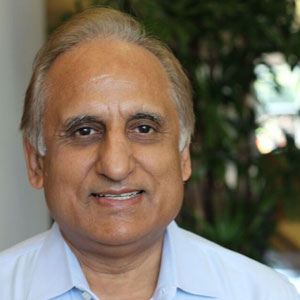
Sushil Garg and the business of the unnoticed
A hotel guest sees the room. Sushil Garg saw the purchasing behind it. The BirchStreet founder built a software business around the orders, invoices and small decisions that keep hospitality running.

Mark LaRow and the trouble with a simple answer
For decades, Mark LaRow has worked on getting useful answers out of unruly data. His route from MIT to MicroStrategy and Verato passes through a surprisingly persistent question: can the software make sense of the person using it?

Suresh Mathew Wants to Give You Your Afternoon Back
After years building systems at PayPal, Suresh Mathew set out to spare other engineers the work he had grown tired of doing. Sedai became a test of whether software could earn the right to leave people alone.
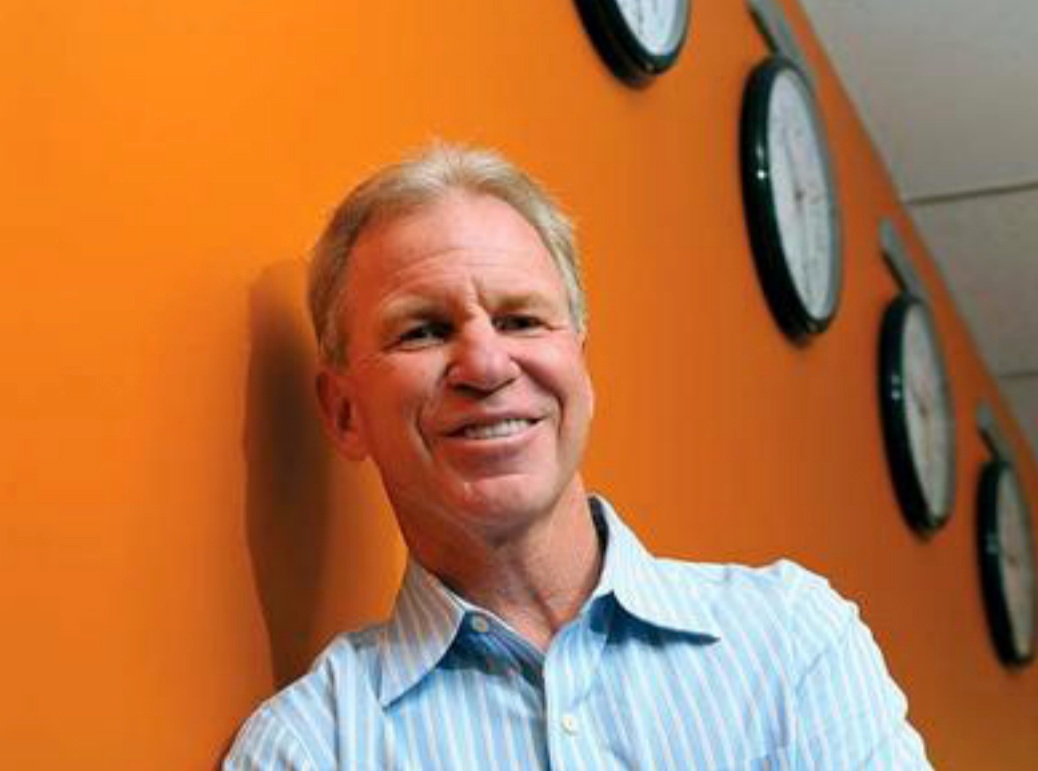
Michael McCloskey’s next move began twenty years earlier
At Bright Pattern, Michael McCloskey reunited with colleagues he had known since Genesys. His career offers a story about second acts, the usefulness of old working relationships, and the daily business of making software deliver on its promises.

Aatish Dedhia and the art of paying attention
A catalogue problem led the Zycus founder into procurement. Decades later, his interests run from autonomous software to classical music, bird conservation and the engineering students building what comes next.

Geoff Nudd and the Trouble with a Good Idea
ClearCare began with a family’s unanswered questions. Geoff Nudd built it by listening to the objections - from customers, competitors, and eventually the numbers themselves.

Botan Osman and the Trouble Between the Systems
From government IT in Kurdistan to Restrata’s security software, Botan Osman has spent his career connecting things that struggle to talk to one another. His approach leaves room for a decidedly human ingredient: getting people together.

Puneet Mehta and the case for a quieter machine
Before Netomi, Puneet Mehta built trading systems and an app for navigating New York. His next wager is that useful AI should leave customers with fewer reasons to ask for help.

Dimitri Sirota and the trouble inside the cupboard
After two security startups, Dimitri Sirota built BigID around an awkward question: do companies know what data they hold? AI has given that question a fresh urgency.

Paula Jagemann and the business hiding behind the paper clips
Paula Jagemann set out to sell office supplies on the internet. The more durable idea was helping other people sell them - a change of direction that helped shape ECI Software Solutions.

Travis Jarae and the Cost of Not Knowing
At Google, Travis Jarae worked on proving who people were. At Liminal, he is working on a different uncertainty: how businesses decide what to do next.

Jeff Gallino heard a business in the background noise
A roomful of analysts had too many earnings calls to hear. Jeff Gallino saw the beginnings of CallMiner - and spent the next two decades working out what companies miss when they only listen to a little.

Michael Osborne and the trouble with acting like a boss
An early promotion taught Michael Osborne how quickly authority can become a costume. From Bazaarvoice to Appriss Retail, he has been working out what to keep, what to change, and when to listen.

Jean-Luc Robert and the money hiding in plain sight
For 20 years, Jean-Luc Robert built Kyriba around a question every company ought to be able to answer: where is the cash? His career follows that question from French software to global finance, and from the chief executive’s chair to the boardroom.

Jaspreet Singh and the art of starting over
Before Druva became a cloud data protection company, Jaspreet Singh had to learn why customers would say no. His education took him from a student food business in Germany to Pune, Silicon Valley, and the increasingly complicated business of getting things back.

Jan Bruce Had an Audience. Then She Built a Different Business.
She sold a magazine to Martha Stewart, helped its readership more than triple, and moved into enterprise software. Jan Bruce’s career turns on knowing when to change the product and when to stay with the customer.

Abhinav Shashank and the value of walking away
Disney and NASA were early customers, but Abhinav Shashank and his co-founders gave up most of their business to pursue a narrower ambition. The Innovaccer CEO has been revising his ideas about company building ever since.

Robert Dykes and the value of fewer moving parts
Robert Dykes helped build TORA around the awkward mechanics of institutional trading. Its $325 million acquisition agreement with LSEG put a price on years spent making those mechanics work together.
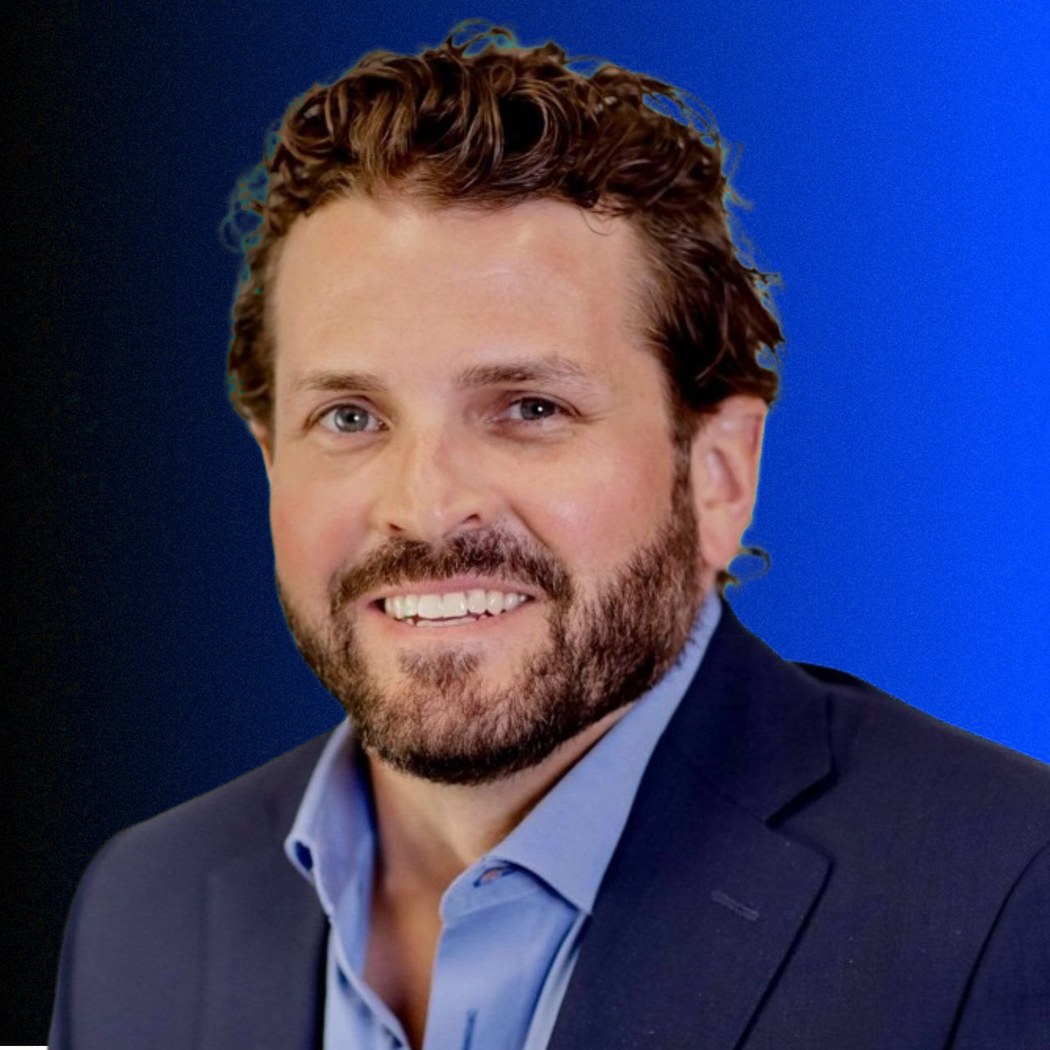
Tom Kieley and the five-cent lesson
A missing packing part could stop a factory. Tom Kieley carried that lesson into SourceDay, then learned that building a company also meant knowing when to hand it over.

Richard Potter and the art of the useful decision
A childhood computer, a Manchester pub and a stubborn question: what should a business actually do with its data? Richard Potter built Peak around the answer. Now, inside UiPath, the question has grown.

Bobby Yarlagadda and the business behind the software
Before founding BPO Systems, Rambabu (Bobby) Yarlagadda worked through the machinery of corporate finance, sales and planning. His route into Oracle consulting began on the customer’s side of the table.