energy-transition
(71)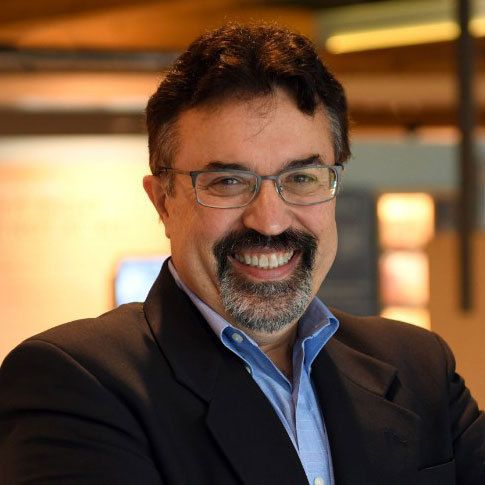
Bruce Fleming and the second life of a refinery
After decades in oil-industry operations and dealmaking, Bruce Fleming is helping put existing refinery equipment to work on renewable fuels. In Great Falls, Montana, that means connecting chemical engineering, farm output and the price of a plane’s next tank.
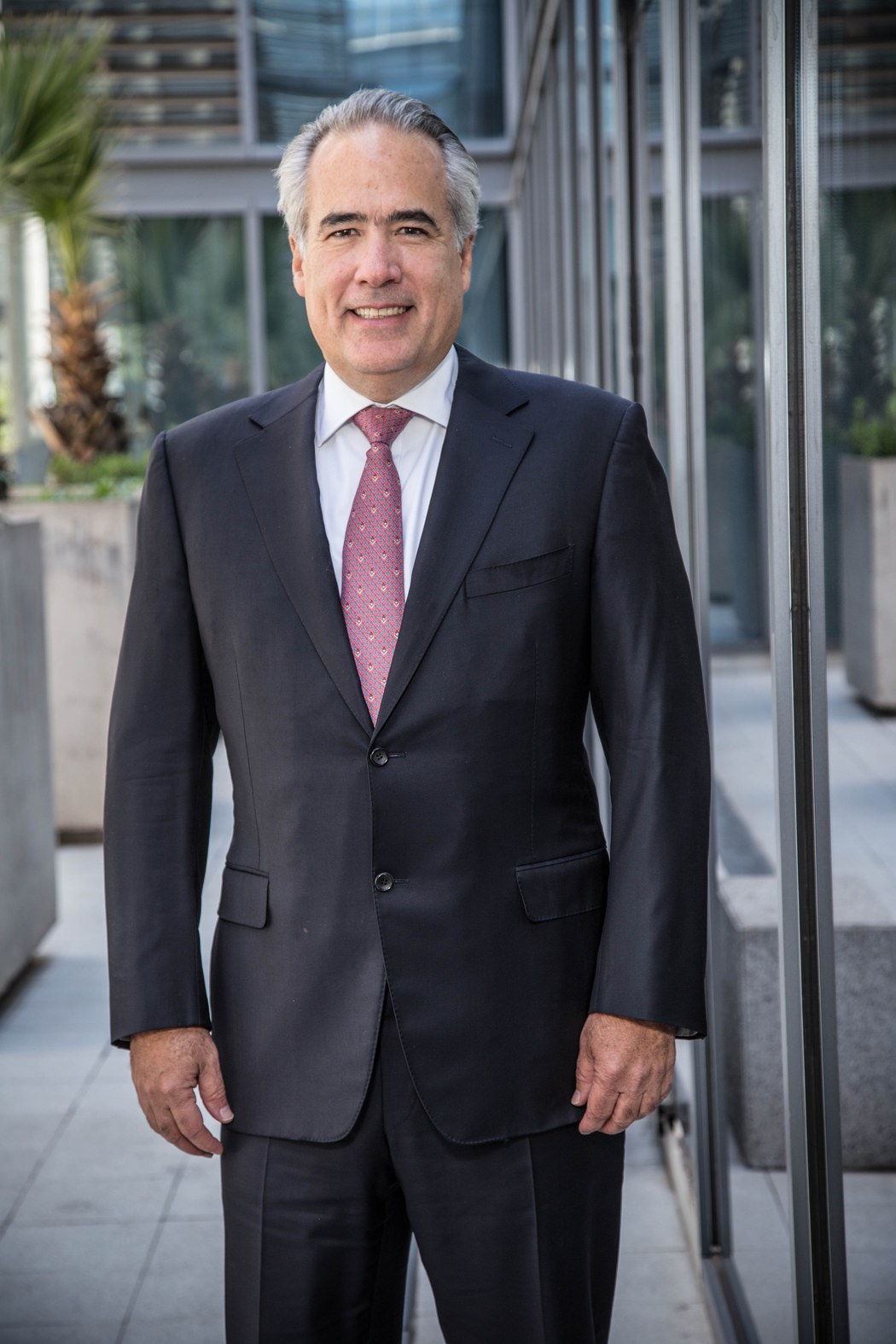
Julian Nebreda and the trouble with being on time
He trained as a lawyer, ran power businesses across continents, and came to Fluence with a case for a more flexible grid. Now Julian Nebreda faces a test that every electricity customer understands: delivering when promised.
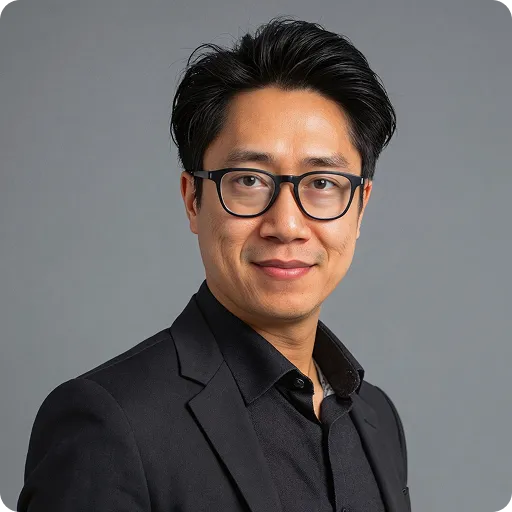
Josh Wong’s Unfinished Business With the Grid
Josh Wong sold his first grid software company to GE, then returned to the same demanding customers with ThinkLabs AI. His career is a study in what happens when an engineer finds a problem he cannot leave alone.
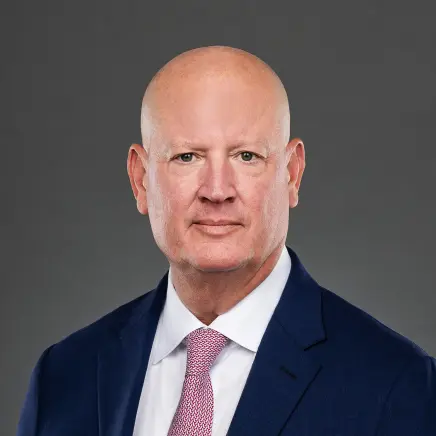
Mac McFarland and the long way to the nearest socket
An engineer by training and a restructuring veteran by experience, Talen Energy’s CEO found a new customer for an old industry: the cloud. His Amazon deal shows how much work sits between a power plant and a promise.
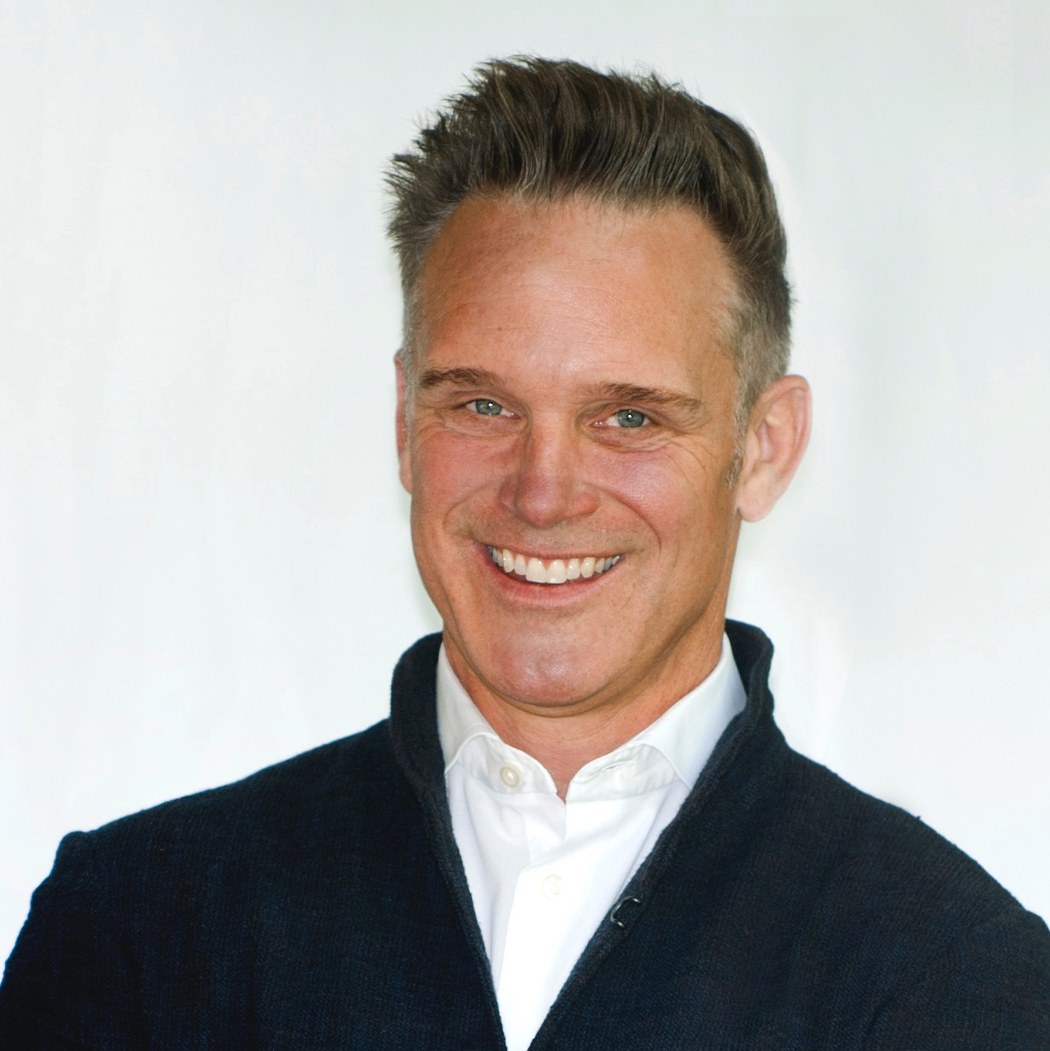
Steve McBee’s second theory of power
He built the firm that became Signal Group, then left Washington to change the energy business. Now Steve McBee is asking why an industry with commercial momentum still struggles to organize political power.
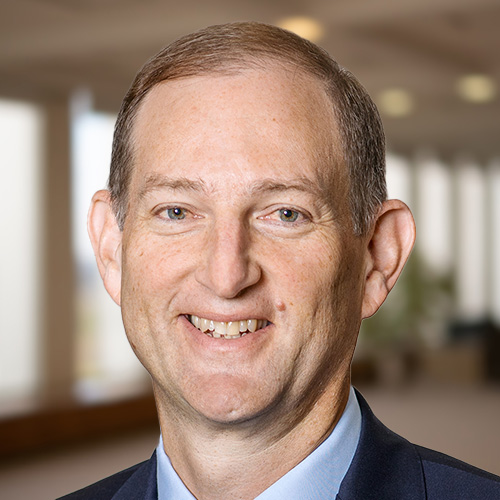
Robert Blue and the problem with going faster
A former policy adviser now runs Dominion Energy, where the digital economy meets the electric grid. His route to the job runs through Virginia government, a law review, and the occasional kayak trip down the James.

Olivier Le Peuch and the long road to the server room
He joined Schlumberger in 1987 to work on electronics and software. As SLB’s CEO, Olivier Le Peuch is testing how far that engineering inheritance can travel - from the oilfield to the infrastructure behind AI.
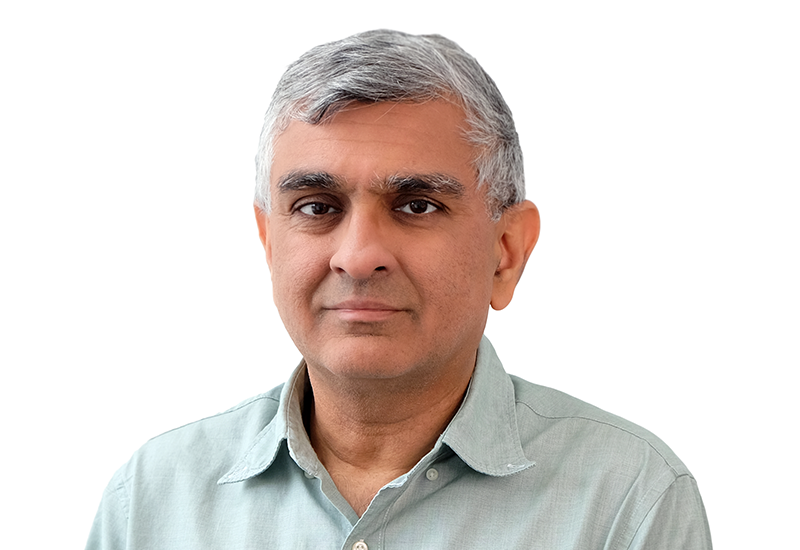
Sameer Bharadwaj and the distance between a discovery and a difference
Before he became Orbia’s CEO, Sameer Bharadwaj learned that a promising experiment still needs a customer. His career has followed the long journey from chemical reactions to the pipes, farms and networks that people depend on.

Scott Strazik and the three-year wait for tomorrow
GE Vernova’s CEO learned the power business through finance, sales, and a turnaround. Now he has to turn a growing appetite for electricity into machines that arrive on time.
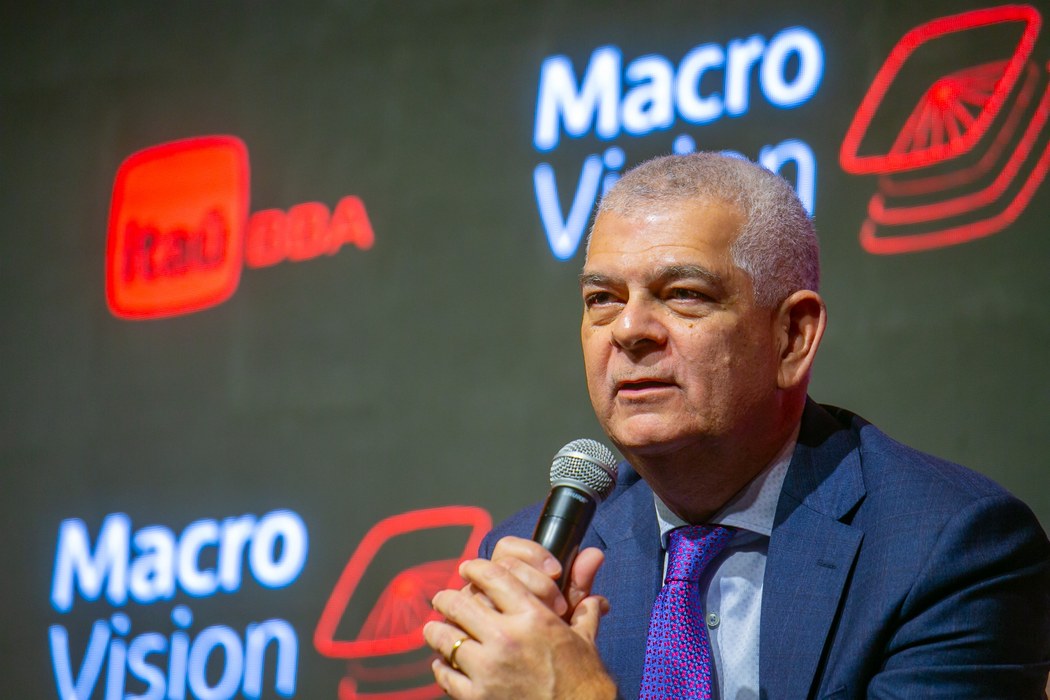
Ivan Monteiro and the long business of changing the sign
He began as a Banco do Brasil clerk and went on to lead Petrobras and AXIA Energia. His career offers a lesson in how long institutional change takes, even after the new name is on the door.
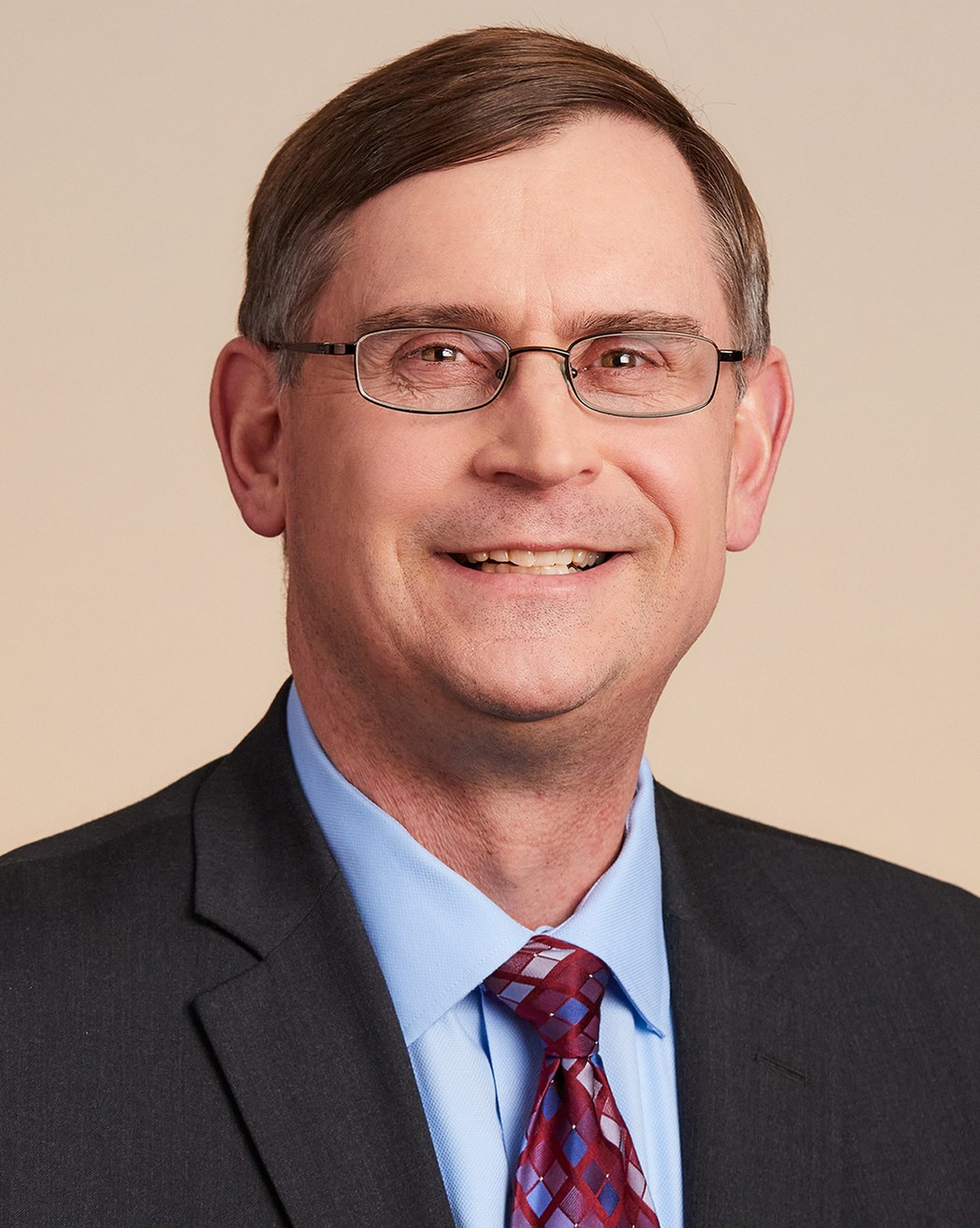
Scott Lauber and the arithmetic of keeping the lights on
He joined Wisconsin Energy in 1990. Now WEC Energy Group’s chairman and CEO faces a different kind of accounting: how to build for a surge in demand while keeping everyday customers in the equation.
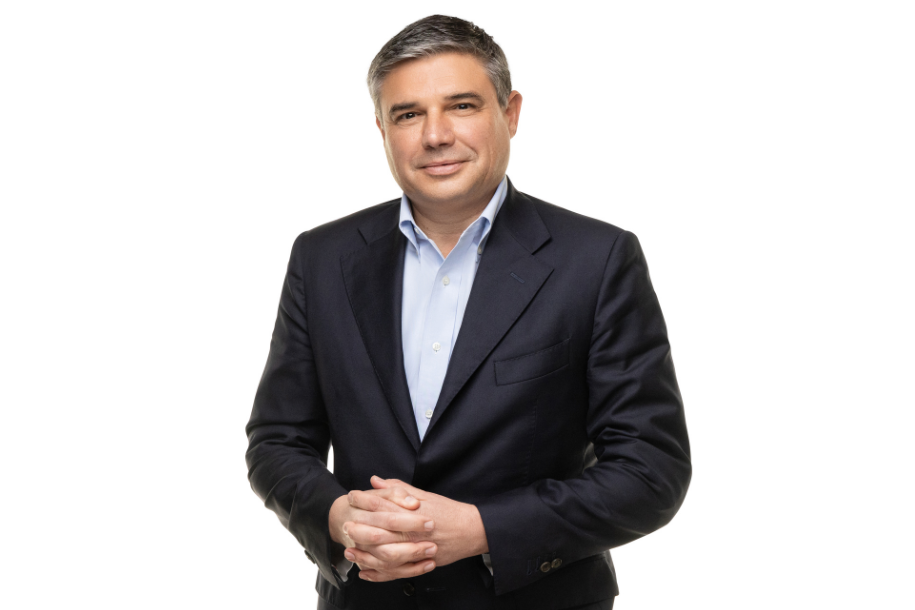
Lorenzo Simonelli’s future arrives in parts
From locomotives to LNG equipment, Lorenzo Simonelli has built a career around turning industrial plans into working machinery. His latest task at Baker Hughes is to make a larger, more varied business pull together.
Sandeep Zanzaria and the distance between power and possibility
From a graduate engineer’s job at BHEL to leading GE Vernova T&D India, Sandeep Zanzaria has spent his career on the connections that make electricity useful. India’s energy transition is bringing that work into sharper view.
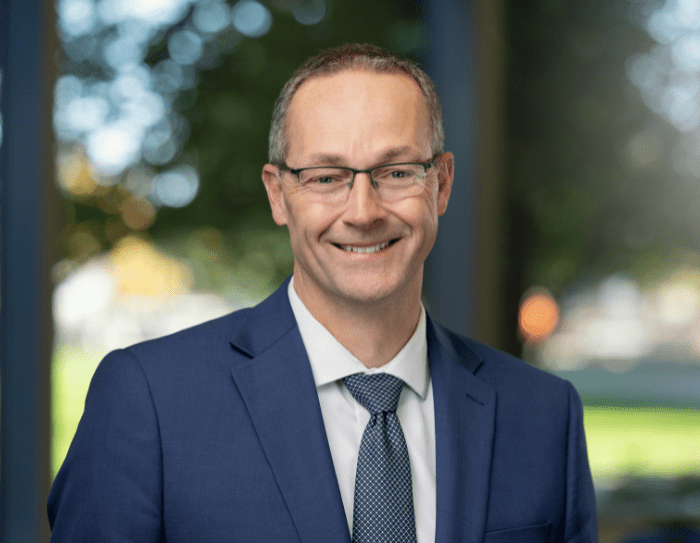
Garrick Rochow and the Things You Cannot Switch Off
His father helped keep Consumers Energy in step with environmental rules. Now Garrick Rochow runs the company, with a harder assignment: change how Michigan gets its power while keeping the lights on.

Steve Butler and the business of the missing connection
He built a mobile-tower business, then turned to the electricity grid. At Symphony Infrastructure Partners, Steve Butler is applying a familiar idea to a different network: bring the builders, the capital and the long-term responsibility together.
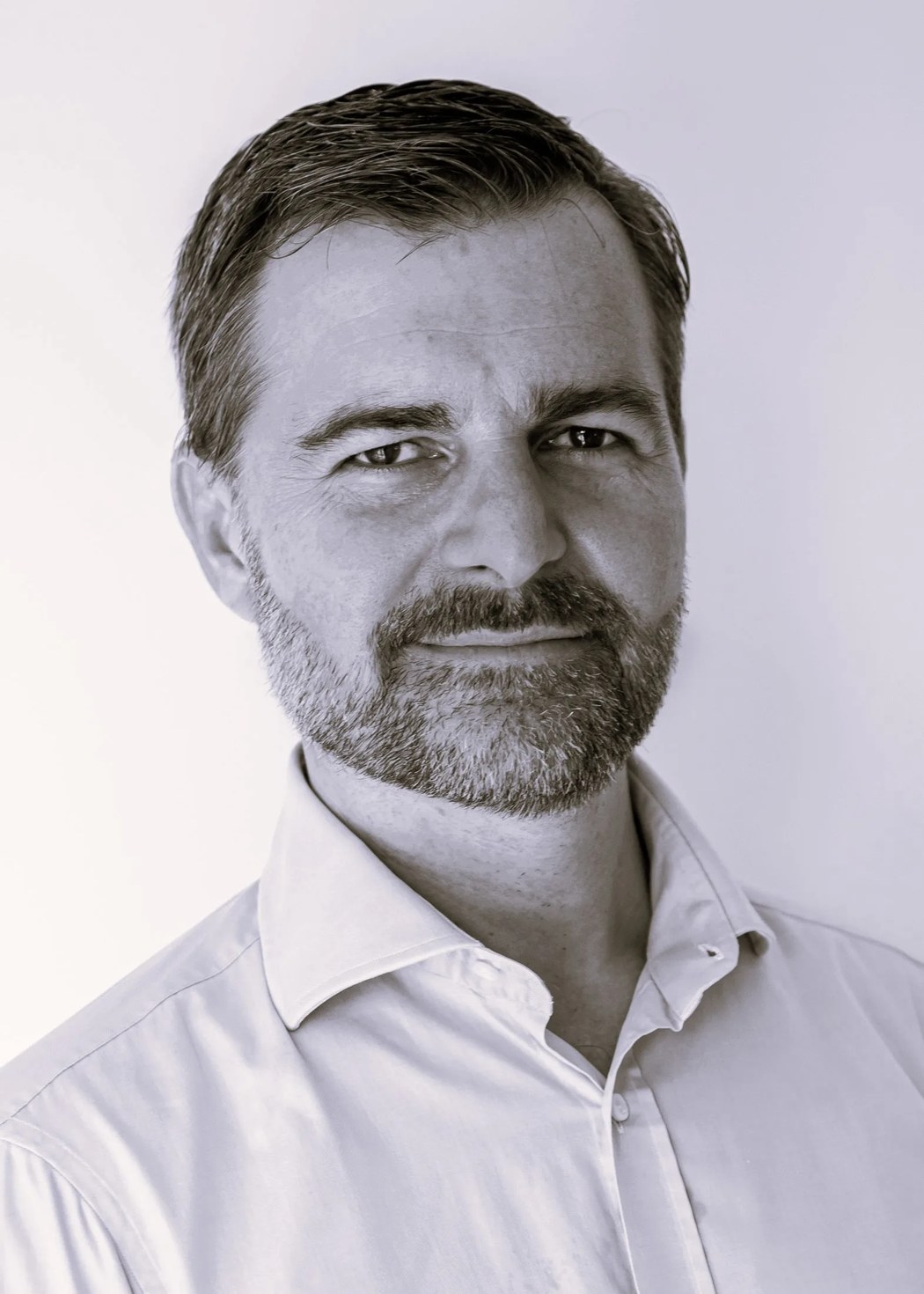
Richard Calleri and the price of proving the heat
After eleven years in investment banking, Richard Calleri moved into the business of understanding what lies underground. At Ignis H2 Energy, he is putting that experience to work on a geothermal portfolio where the next investment depends on the next piece of evidence.
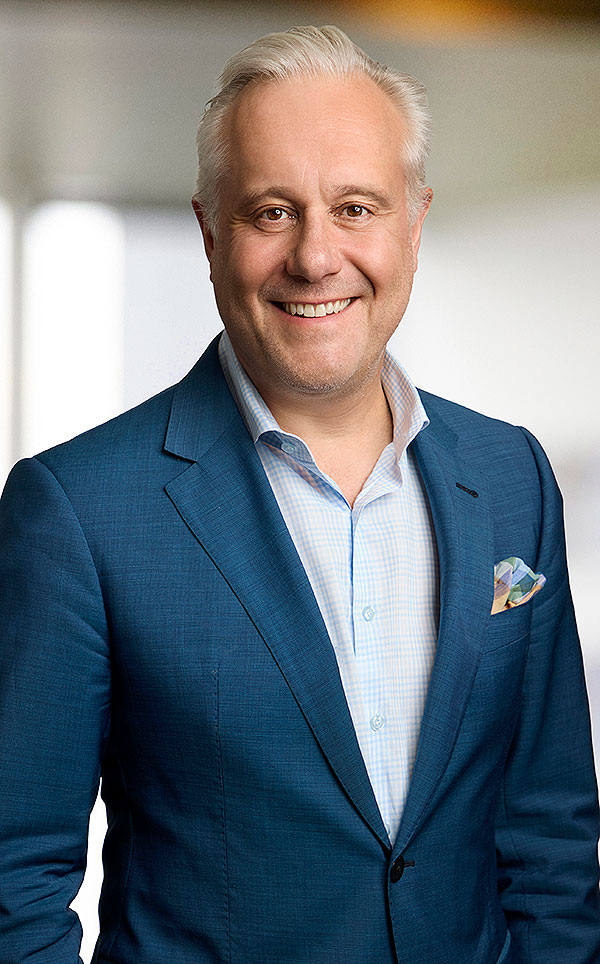
Brian Boulanger and the value of staying long enough
He joined ARC Financial as an analyst in 1997 and became its CEO in 2020. Along the way, the Calgary investor learned that building energy companies and learning to work with people belong in the same education.
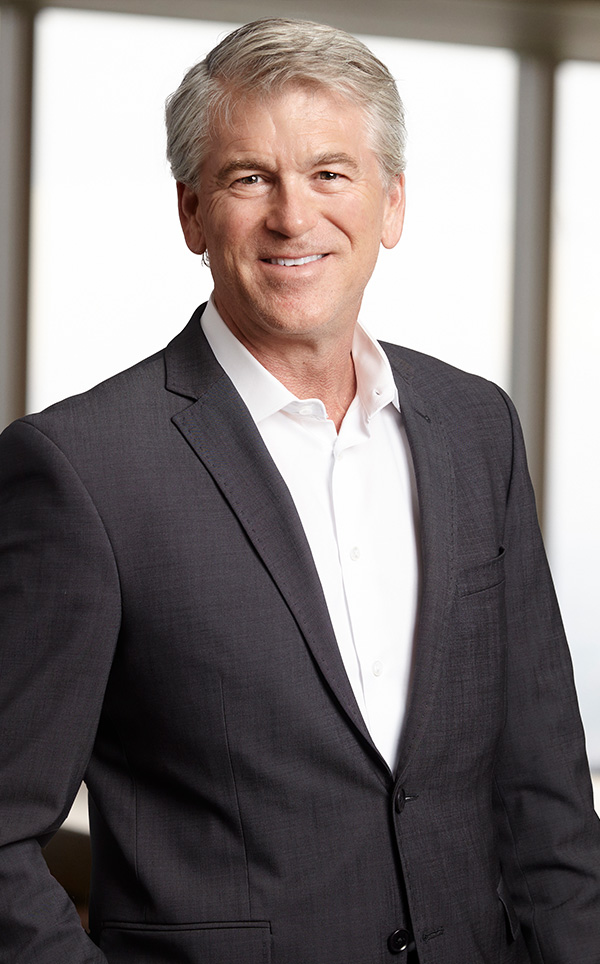
Kevin Brown and the business of earning trust
He joined ARC Financial in 1989, helped raise billion-dollar energy funds, and helped create a centre for ethical leadership. Kevin Brown’s career connects the money entrusted to a business with the people entrusted to run it.
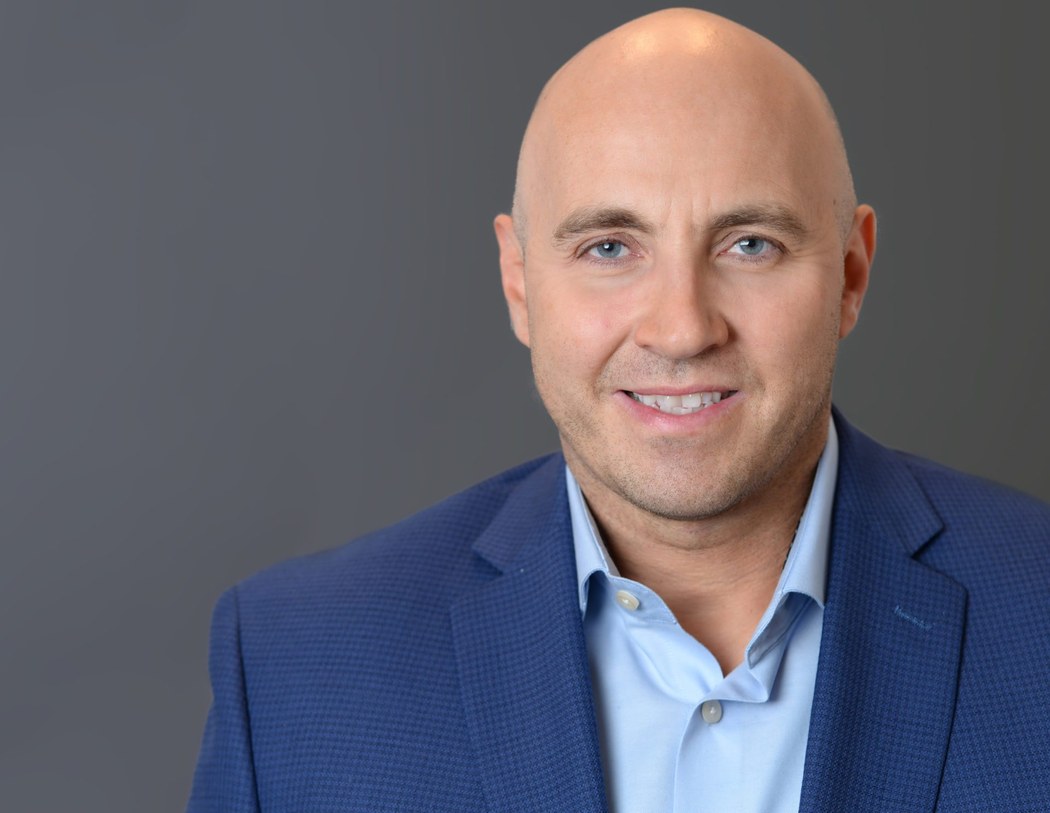
Harry Giovani and the price of getting things built
Before Harry Giovani led credit at Energy Impact Partners, he learned to lend against the working parts of industry. His career follows the money from factory floors to the businesses putting the energy transition into service.
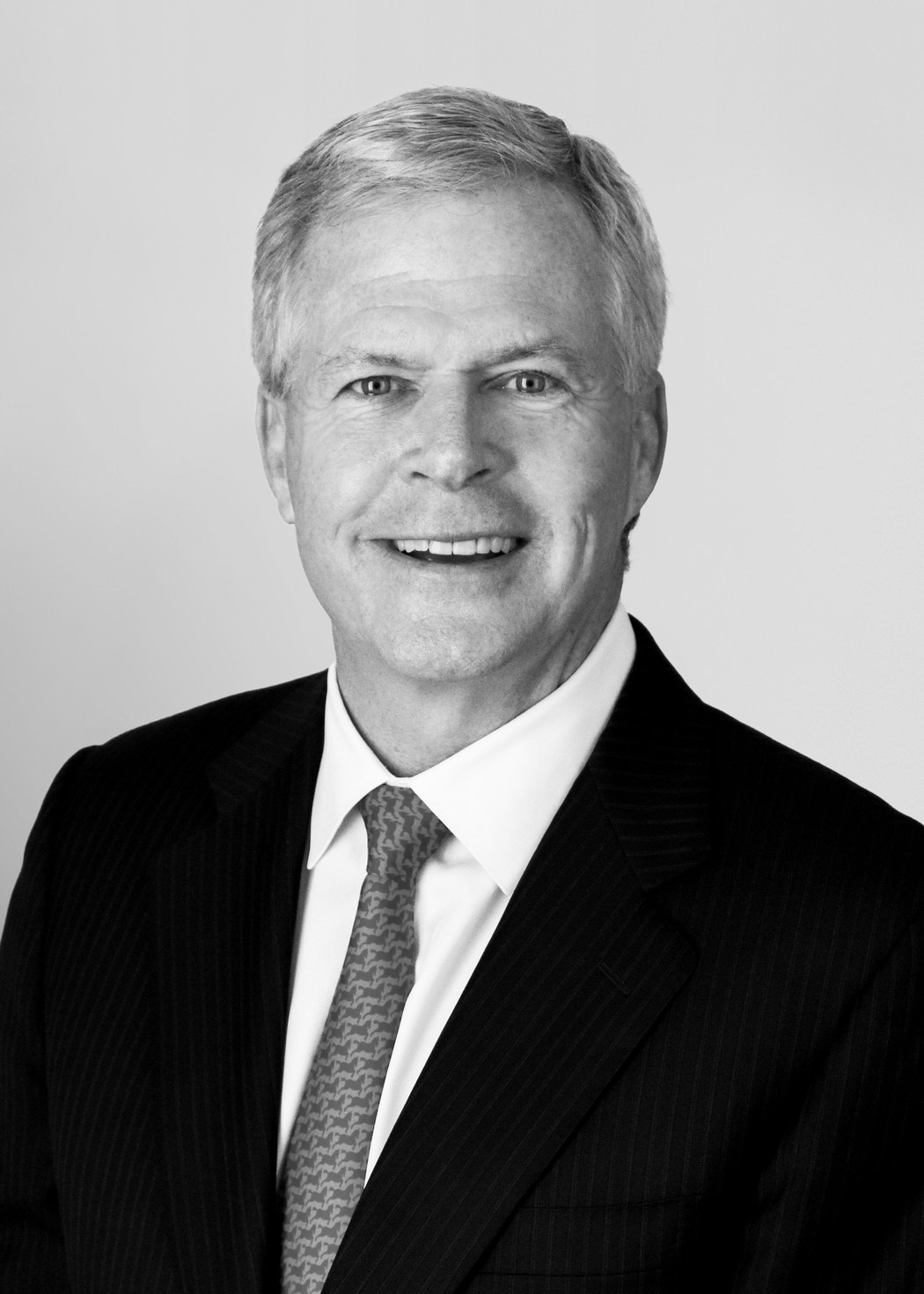
Skip McGee and the size of a banking life
He left a broad banking job to build an energy specialist, one Houston breakfast at a time. Eleven years later, Intrepid’s advisory business has a new home - and his career has another turn.
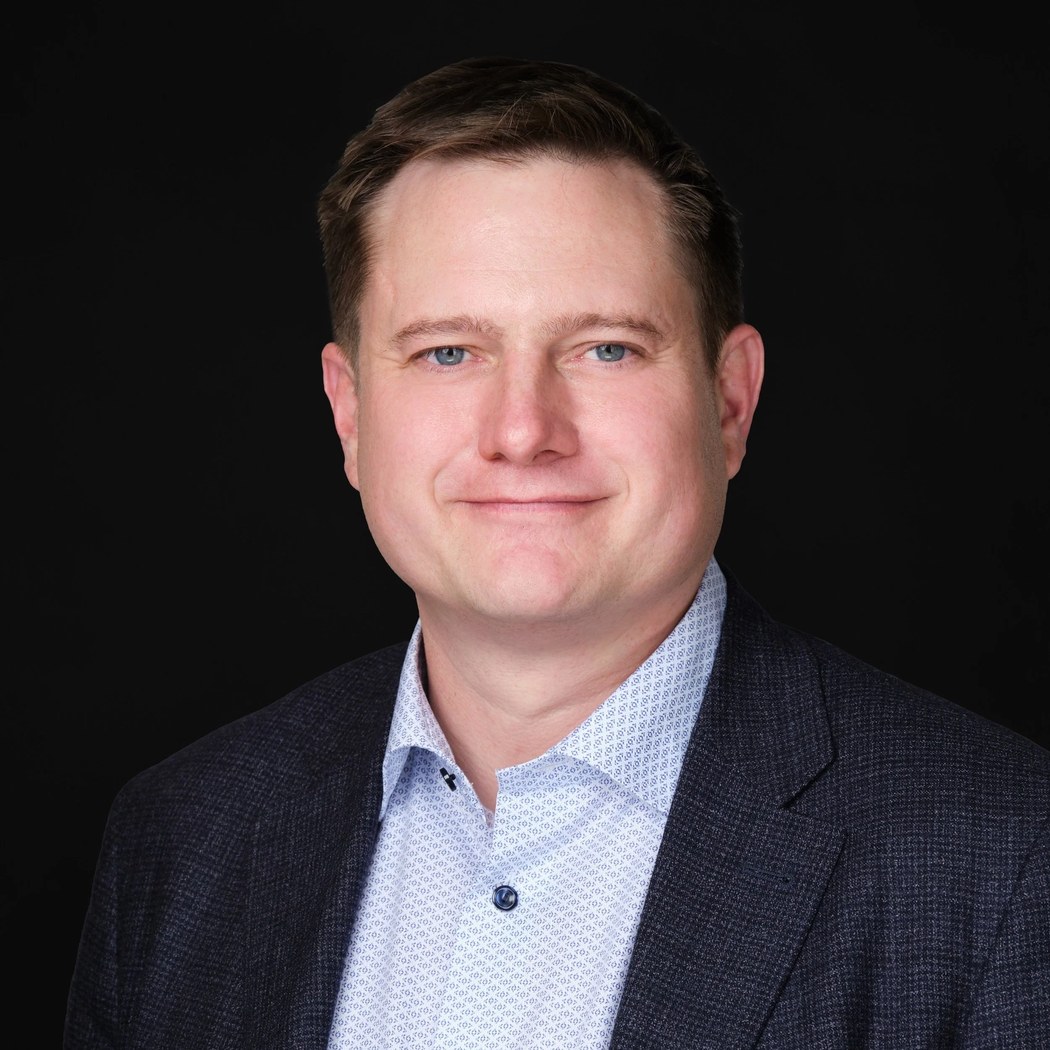
Kevin Krausert and the education of an energy insider
He worked his way from a northern Alberta drilling rig to the chief executive’s office. With Avatar Innovations, Kevin Krausert is giving energy workers a route from industrial know-how to companies of their own.
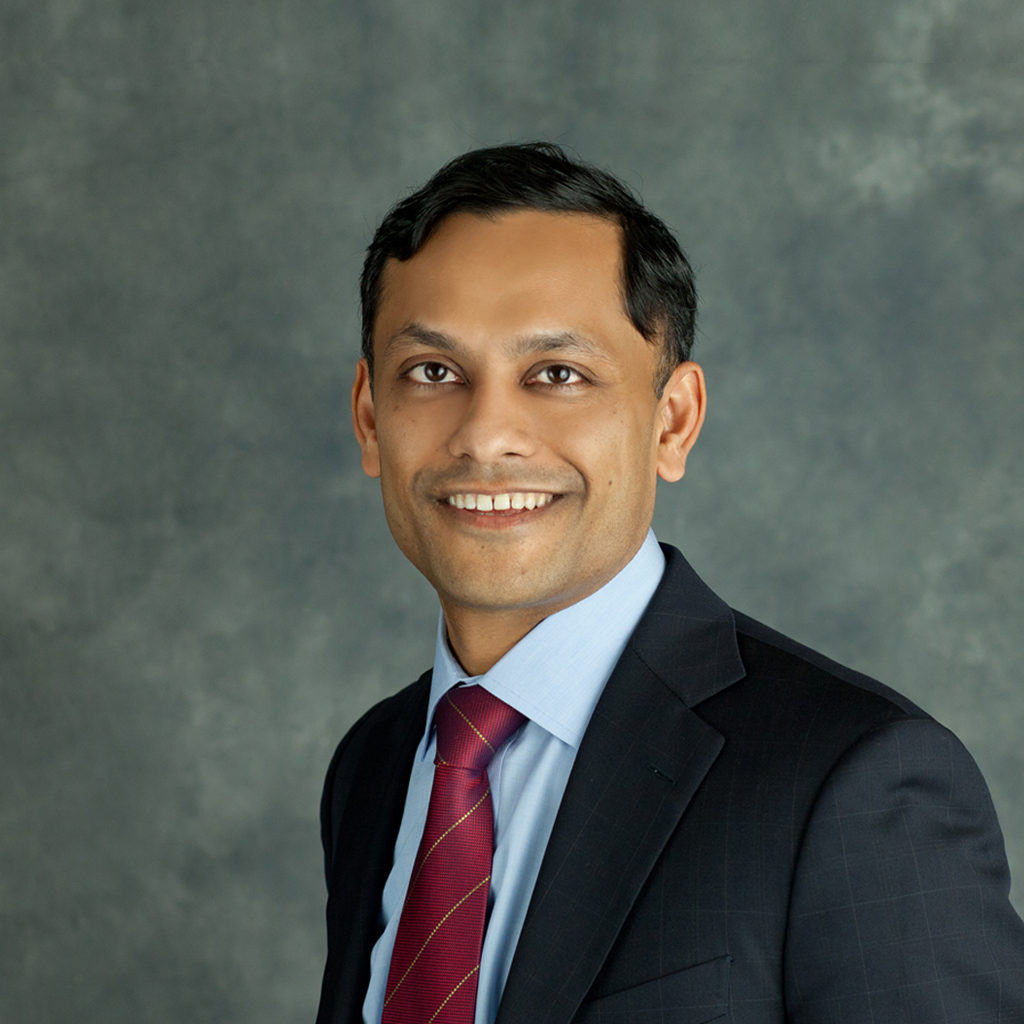
Himanshu Saxena and the nine-year journey of a power line
From chemical engineering to energy investing, Himanshu Saxena has built a career around the connections that make infrastructure work. Ten West Link offers a 125-mile illustration of the patience involved.
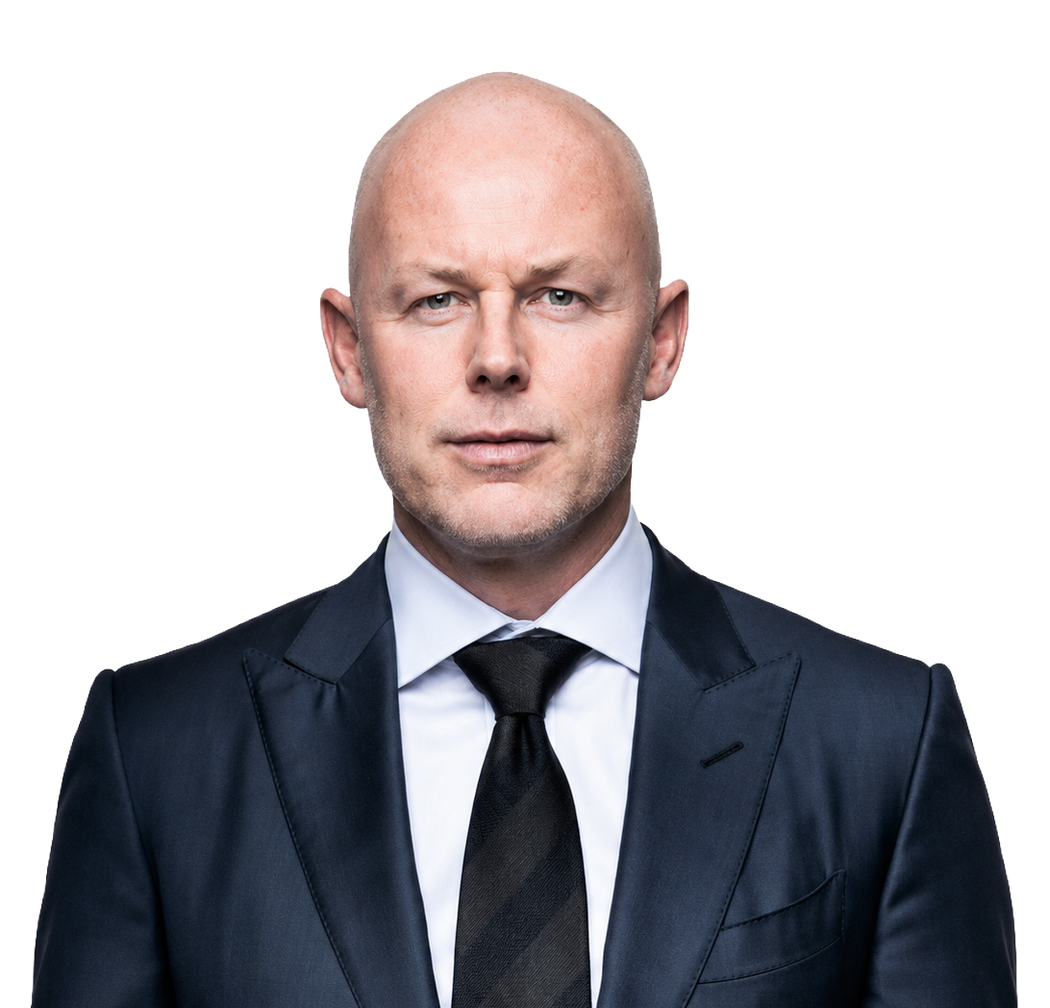
Michael Dorrell and the things the future cannot do without
A move to New York put Michael Dorrell inside a small infrastructure team before Wall Street crowded in. At Stonepeak, he has built a career around the pipes, ports and connections that keep other people’s ambitions moving.
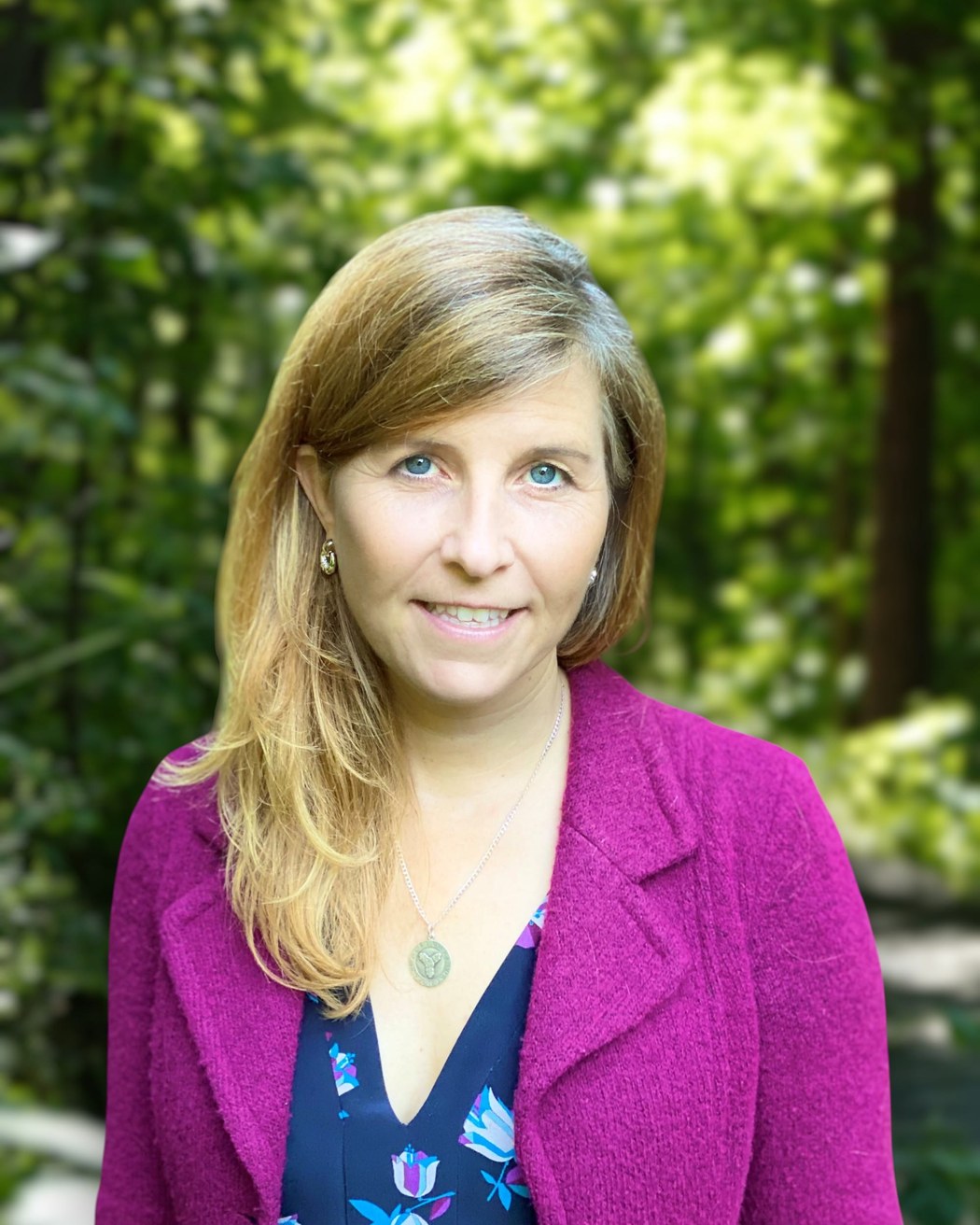
Jennifer von Bismarck and the missing money in the middle
From Bill Gates’s investment office to a California worm farm, Jennifer von Bismarck has followed the cash flows. At Galway Sustainable Capital, she helps finance the practical work of a more sustainable economy.
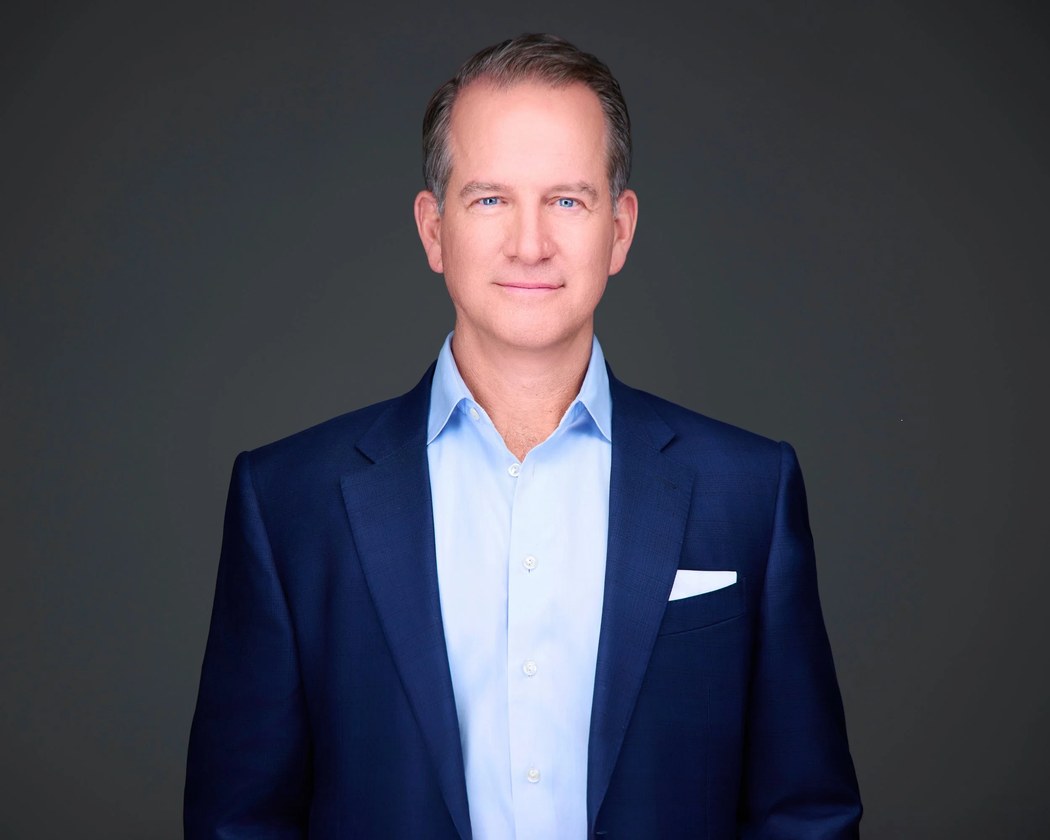
Chris Manning and the surprisingly practical business of the electric future
After decades inside Lehman Brothers and Trilantic, Chris Manning founded Greenbelt Capital Partners in Austin. His next chapter runs through the wires, substations, batteries, and businesses that make electrification possible.
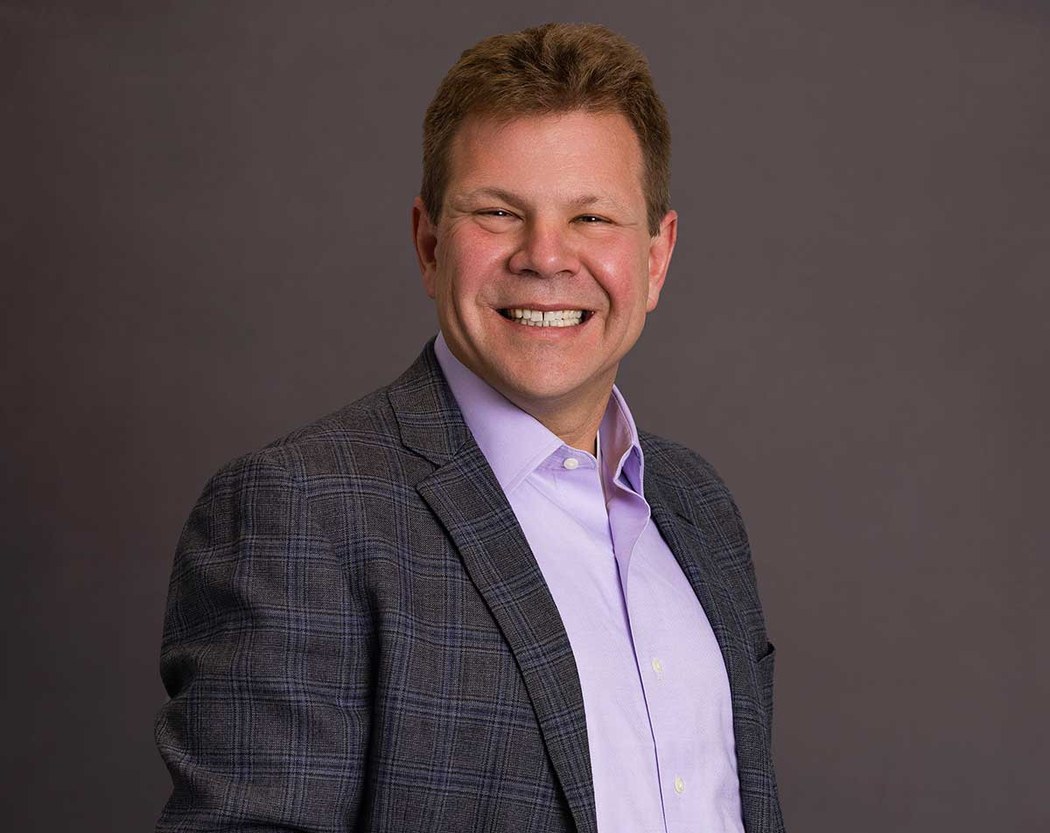
Nazar Massouh and the value of fifteen minutes
A brief airport meeting opened a door for a young graduate. The OIC co-founder’s longer story runs through power plants, private credit, and the patient work of building an institution.
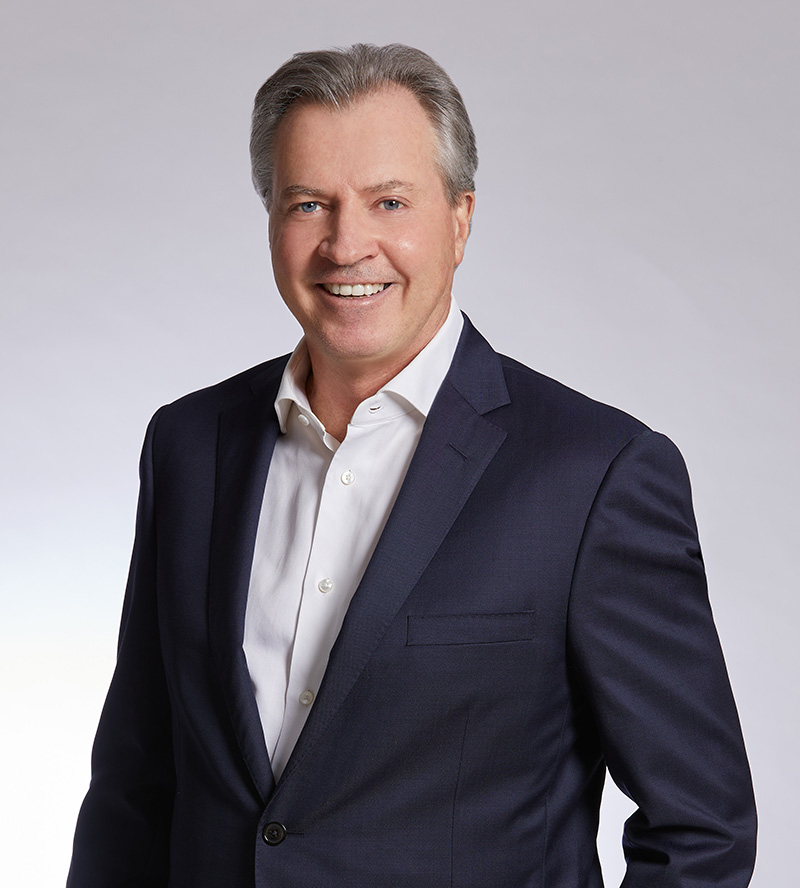
Ken MacKinnon and the value of staying at the table
After co-founding MKB in 2007, Ken MacKinnon spent more than sixteen years as its CEO. His work with founders offers a view of the energy transition measured in board meetings, factory space and relationships that last.
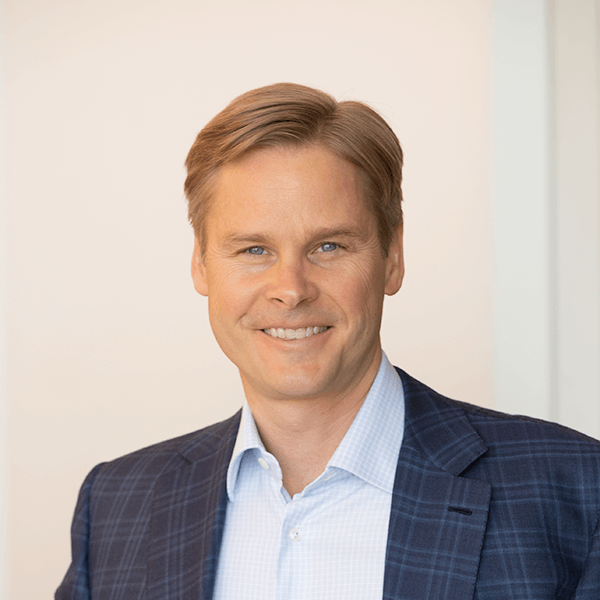
Wil VanLoh and the value of waiting
He started Quantum at 28 to back energy entrepreneurs. Nearly three decades later, Wil VanLoh’s approach still leaves room for an unfashionable decision: keeping the money in his pocket.
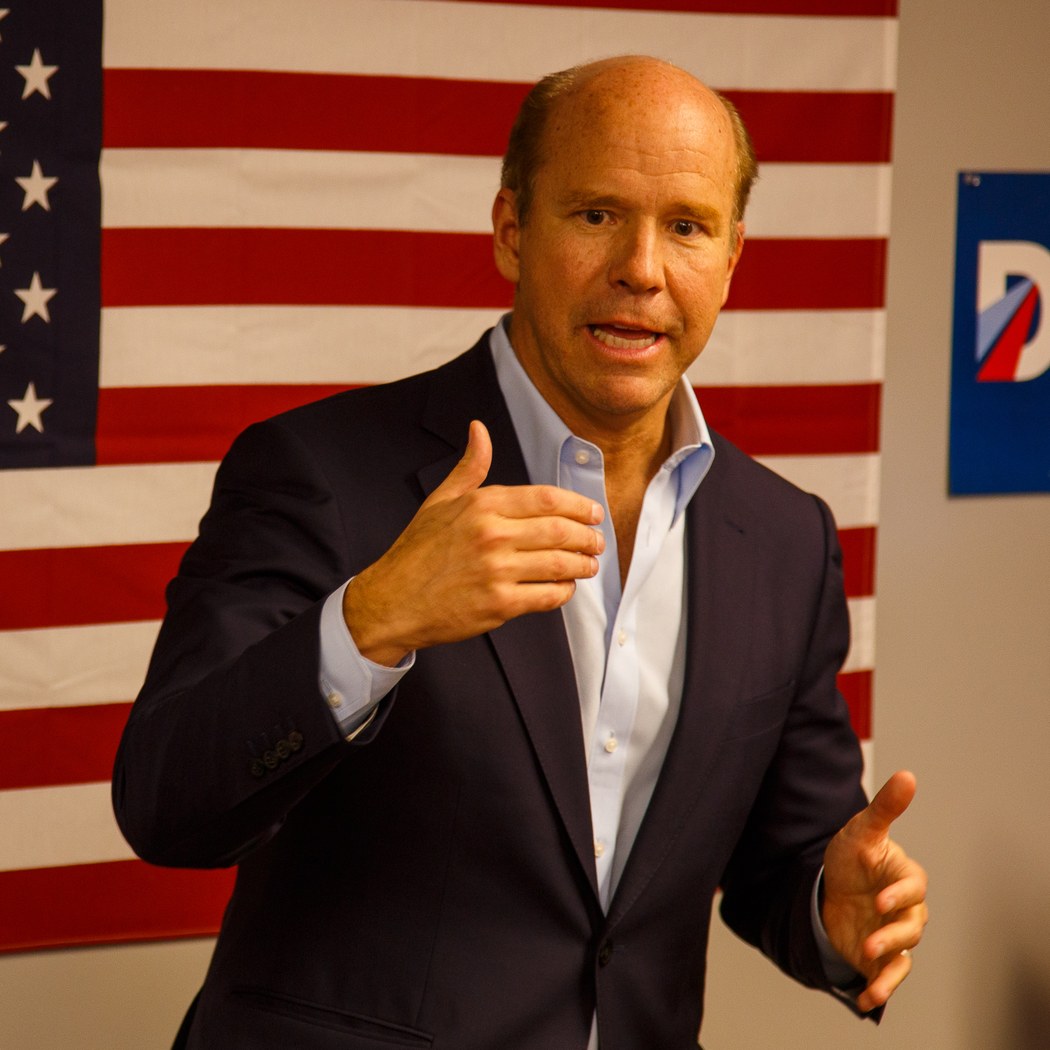
John Delaney and the problem of getting things built
A union electrician’s son built lending companies, went to Congress, and spent years asking Iowa for a promotion. Back in finance, John Delaney is still working on the distance between a good idea and the money to make it happen.
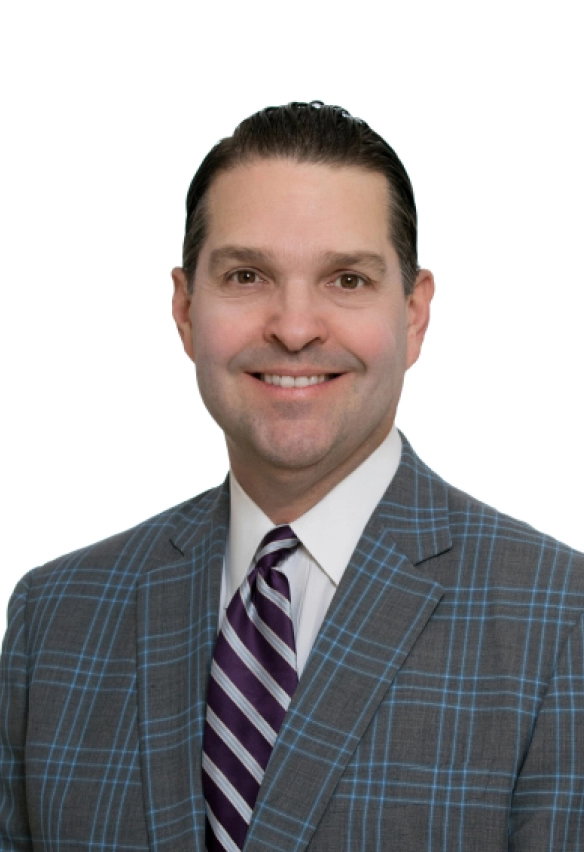
Randolph Newcomer and the art of starting again
An engineer became an investor, built Riverbend Energy Group, and kept returning to the work of assembling energy assets. His career runs from Permian Basin reservoirs to a portfolio that now includes solar materials and carbon capture.