energy-transition
(72)
NW Natural’s next act is inside the pipes
The Northwest utility once changed its fuel without replacing its business. Its next transition is testing how far old pipes can carry a new idea.
El Paso Electric learned the hard way.
A desert utility froze, rebuilt and learned to think differently about reliability. Its next experiment puts part of the power plant at home.

GE Vernova and the bottleneck business
Everyone wants more electricity. GE Vernova makes the machines, connections, and control systems that decide how much of it actually arrives.

Cummins. The future needs backup.
The company that helped put diesel on the road now keeps data centers running. Its next challenge is deciding which parts of the energy transition are ready to work.

McDermott builds giants. The margin is tiny.
Six cranes can lift a piece of an offshore platform. Keeping the company behind them afloat takes a different kind of engineering.

GenOn Energy and the price of being ready.
A power plant can be essential to the grid and a lousy business for its owner. GenOn’s smaller fleet, billion-dollar restructuring and next act in Maryland show how both can be true.

Petrol Energy sells the stop
The fuel gets you there. The coffee, the shop and the charging cable explain where Slovenia’s Petrol Group wants to go next.

ESG makes the meter count.
The energy transition has a billing problem. ESG connects the readings, rules and transactions that turn electricity into a business.

Unknown Campus puts the classroom where the companies are
In a former tobacco warehouse in The Hague, students build businesses beside working founders. Unknown Campus is betting that the people down the corridor can teach you something a lecture cannot.
Innowatts and the price of being almost right
A small forecasting error can become a very large electricity bill. Innowatts builds its predictions from the meter up - and GridX has bought the machinery.
ANB makes clean energy wait less
A solar installation can be ready while its paperwork is still making the rounds. ANB Systems built a business around shortening that journey - and DNV bought it for $39.4 million.
The Three-Minute Grid
Utilities still study a changing electric grid at human speed. ThinkLabs AI is betting that a machine taught the laws of physics can turn a month of engineering into minutes - without asking operators to trust a black box.

The People You Call When the Press Release Is the Smallest Problem
DrivePath Advisors built an energy communications firm around a useful premise: in a crisis, fluency beats volume. Its advisers have already sat in the chair, watched the clock shrink and learned which sentence cannot wait until morning.

Technica Communications knows what to say before the plane can fly
A delayed test flight. A heat pump with three weeks to make an impression. Technica Communications turns complicated technology into stories that give customers and investors a reason to pay attention.

Daybreak Ventures backs the space between an idea and a working business
Drones, donation campaigns and a hyperloop share room in this Dutch investor’s portfolio. The connecting thread is practical help - and the messy business of turning ambition into something people can use.

BOM is betting on fewer doors between an idea and a business
The Dutch public investor pairs venture capital with hands-on company building and international connections. Its latest move tackles a problem closer to home: a startup support system with too many moving parts.
The $1.6 Billion Bet on the Software That Rehearses the Grid
Before a utility builds a transmission line, retires a power plant or bets on hydrogen, it can test the decision inside Energy Exemplar’s model. A PhD side project from Adelaide has become the rehearsal room for consequential energy bets.

FortisBC’s $697.6 Million Bet: Can a Gas Utility Reinvent the Pipe Before the Rules Reinvent It?
FortisBC is trying to modernize a century-old energy system without making reliability or affordability the collateral damage. The playbook is unusually practical: blend cleaner fuels, fund many small experiments, partner early and let regulators kill the ideas that cannot yet carry their cost.
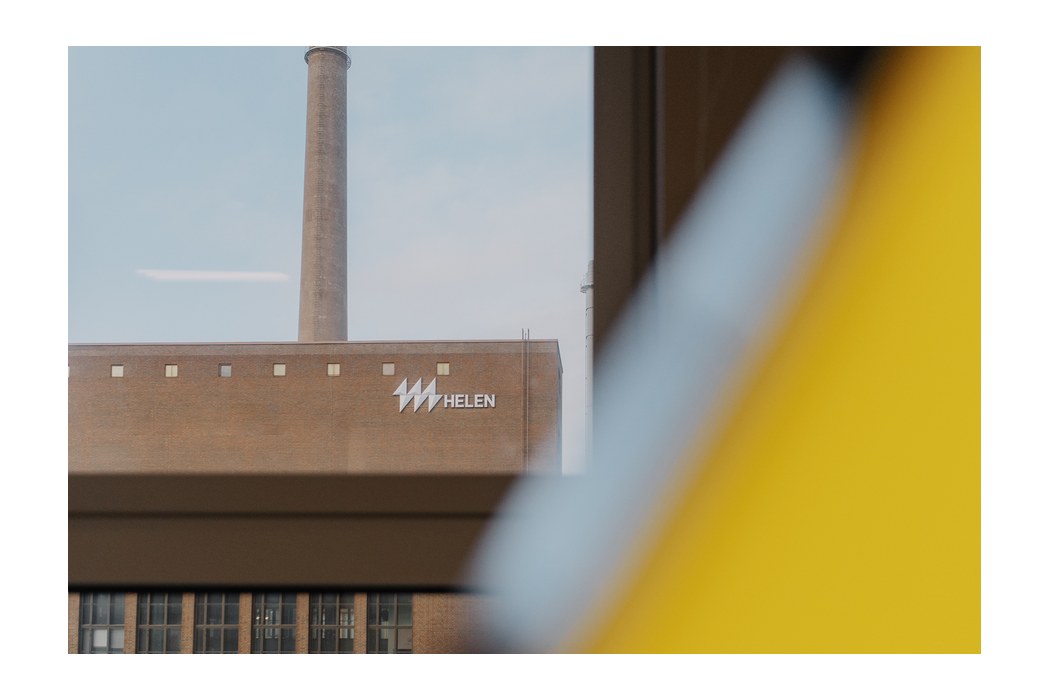
Helsinki Killed Coal Without Freezing: Helen's Blueprint for Rebuilding a City While It Runs
A century-old municipal utility retired its last coal plant, cut direct emissions 56% in a year and survived the next hard winter with heat reliability above 99.9%. The useful idea is not one miracle machine - it is a network designed to swallow whatever clean heat source works next.

The Company That Turns Cow Manure and Table Scraps Into Pipeline Gas
Founded in 2017, Sevana Bioenergy builds the tanks where dairy manure and rotting food break down into pipeline-grade fuel. Then it bought the biggest one in North America for pennies on the dollar.
The Solar Team That Builds to Sell, Not to Hold
Three industry veterans bet that community solar's real money is in development, not ownership. Two and a half years later, Headwater Energy bought the whole pipeline.
The Startup That Turns Factory Exhaust Into a Power Plant - and Bills Nobody For It
Up to 58% of the energy fed into heavy industry escapes as waste heat. Kanin Energy built a business model that catches it, converts it to power, and hands the factory a check instead of an invoice.

The Renewable-Energy Company That Turned Local Opposition Into a Funding Model
Root Energy found that Korea's clean-power bottleneck was not the turbine or the solar panel. It was consent - so the company made nearby residents investors, built a regulated climate-finance platform around the idea, and added an RE100 business for corporate buyers.
The Climate Investor With an Unfair Advantage: Its Customers Are Already in the Room
Energy Impact Partners built a venture firm around a stubborn fact: energy startups do not scale on capital alone. Its coalition model puts the utilities and industrial companies that might buy, test and deploy new technology inside the investment platform.

The Power Broker Behind the AI Boom
ECP spent two decades learning how electricity actually gets made, moved and financed. Now AI has turned that unfashionable expertise into one of private markets' most valuable specialties.

Apollo Built a Trillion-Dollar Machine on the Boring Middle of the Balance Sheet
It started as a distressed-debt shop picking through the wreckage of the 1990 junk-bond collapse. Thirty-five years later Apollo runs close to a trillion dollars and is trying to sell private credit to your 401(k).

The Fund That Invests in the Cracks Between Food, Oceans and Energy
S2G Investments manages about $2.8 billion across food, oceans and energy - and its whole thesis is that the money should go where those systems meet.

The Power Plants Nobody Wants - Until the Grid Needs Them
Rockland Capital built a private equity strategy around the awkward middle of the energy transition: keeping the grid reliable while cleaner power scales. Its edge is not a new technology, but an operator's appetite for complicated assets.

The $60 Billion Firm That Builds Infrastructure Companies From Scratch
I Squared Capital does not merely buy roads, grids and data centers. Its repeatable trick is to turn small groups of essential assets into operating platforms built to grow across markets.

Rocks, Lawsuits and Power Lines: Siltstone's Alternative-Asset Playbook
The Houston investment firm has built a business around assets most portfolios struggle to price - royalties under the ground, commercial claims in court, grid infrastructure and temporarily mispriced property. Its edge is less a single product than a repeatable habit: find complexity, underwrite it deeply and stay involved.