In February 2026, GE Vernova spent $5.275 billion buying the half of a transformer company it did not already own. A transformer is an unlikely object of corporate desire. It does not produce electricity. It changes voltage so electricity can travel and reach customers. Yet that apparently supporting role helps explain the acquisition of Prolec GE. Build all the generating capacity you like. Without the equipment connecting it to the customer, you have an expensive problem.
- Sell the machines that generate electricity and the equipment that moves it.
- Keep those machines working through parts, repairs, upgrades, and software.
- Expand capacity while preventing manufacturing mistakes from eating the margin.
A power plant is only the beginning
GE Vernova occupies several points along that journey. Its Power business supplies gas turbines, hydro equipment, nuclear technology, and services. Wind builds turbines and supports existing fleets. Electrification supplies grid equipment, power conversion, storage, and software. Utilities, independent power producers, grid operators, and industrial customers buy different combinations. The common problem is getting dependable electricity to the place that needs it.
This makes the company an instructive way to look at the energy transition. Public discussion gravitates toward the source: gas, wind, water, uranium. GE Vernova also sells what happens between the source and the socket. Its stated mission pairs electrification with decarbonization. Its commercial portfolio reflects a world where customers must manage emissions, cost, and reliability together, with existing infrastructure still doing much of the work.
A young company with a very old advantage
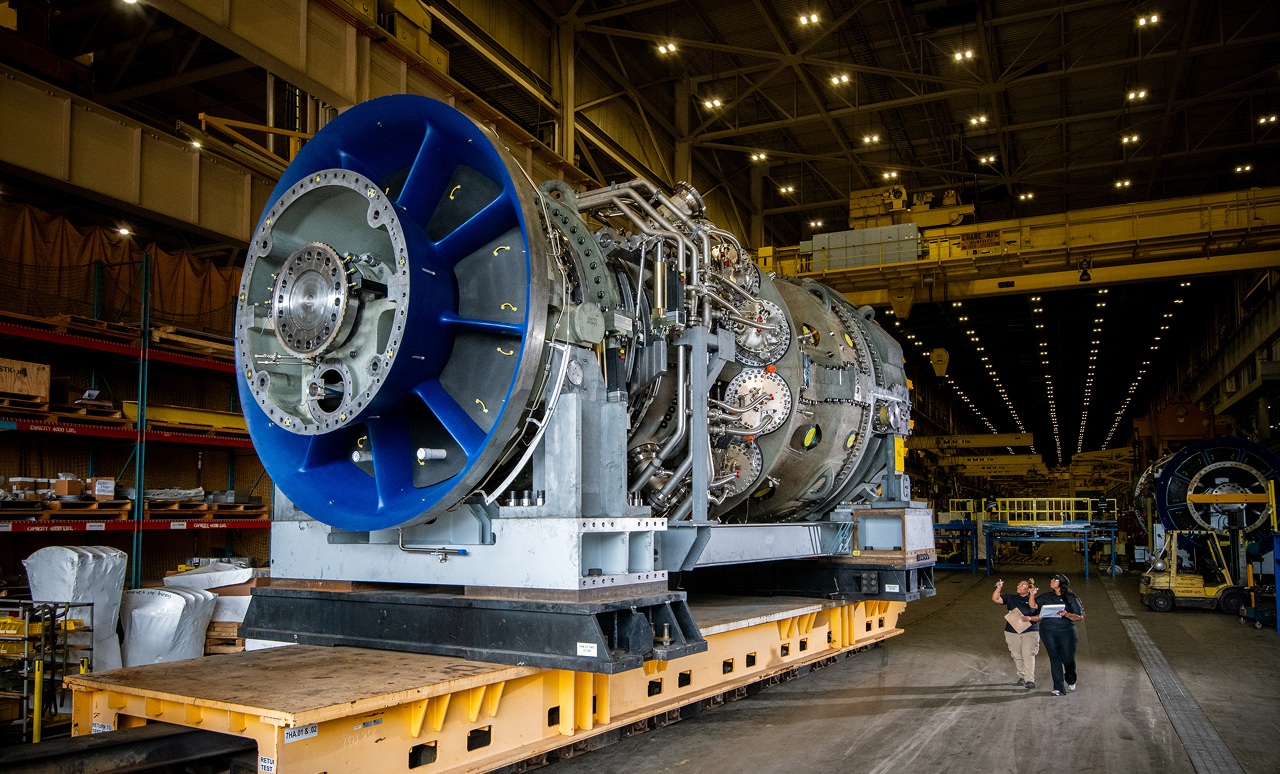
The independent company began trading on April 2, 2024, after separating from General Electric. Scott Strazik became the public face of a business assembled from inherited energy operations. Calling it a startup would miss its defining advantage: machines already out in the world. GE Vernova says its technologies help generate approximately 25% of global electricity. That is a claim about customers using its equipment, rather than electricity it owns.
Installed equipment creates continuing work. A turbine requires inspections, replacement parts, repairs, and eventually upgrades. GE Vernova sells those services alongside new equipment and software. The original purchase opens a relationship that can continue through years of operation. A buyer is therefore evaluating the manufacturer’s ability to maintain a machine as well as its performance on delivery day.
Segment figures precede corporate eliminations. Consolidated 2025 revenue: $38.1bn.
Competitors vary by purchase. Siemens Energy and Mitsubishi Power compete in gas generation; Vestas and Siemens Gamesa in wind; Hitachi Energy and Schneider Electric in grid equipment. GE Vernova’s distinction is the breadth of its participation, combined with its installed fleet. Breadth offers customers several related capabilities. It does not mean one supplier wins every technical or price comparison.
The control room meets the tree surgeon
Consider a less theatrical electricity problem: a tree growing toward a power line. Florida Power & Light has used GE Vernova’s Visual Intelligence software to combine vegetation scans with geographical network information. The useful question becomes which tree threatens several connected assets, and therefore deserves attention first. A digital model earns its keep by helping someone dispatch a trimming crew.
This is the everyday promise of GridOS, GE Vernova’s grid orchestration portfolio. It brings network data and operating applications together as utilities manage more complicated power flows. Alliances with AWS and Microsoft support cloud and analytics work. For a utility buyer, the practical starting point is a defined operating problem, usable network data, and a deployment plan. A software purchase alone cannot supply missing physical capacity.
The blade that changed the arithmetic
Hardware supplies a sterner test. On July 13, 2024, a blade failed at Vineyard Wind. GE Vernova attributed the failure to a manufacturing deviation at its Canadian factory. The regulatory response suspended production and installation activities; permissions subsequently returned in stages. Quality reviews led to blade strengthening, and the company revised execution timelines as it worked through offshore projects.
“We have been very intentional, thorough, not rushed in reevaluating our blade quality across Offshore Wind in totality.”
Scott Strazik / October 2024 earnings call
The financial consequences stretched beyond one component. GE Vernova recorded approximately $0.9 billion of incremental contract losses across Vineyard Wind and Dogger Bank during the second half of 2024. That figure included revised schedules, commercial liabilities, remediation, and manufacturing and supply-chain costs. It should not be mistaken for the price of a single failed blade.
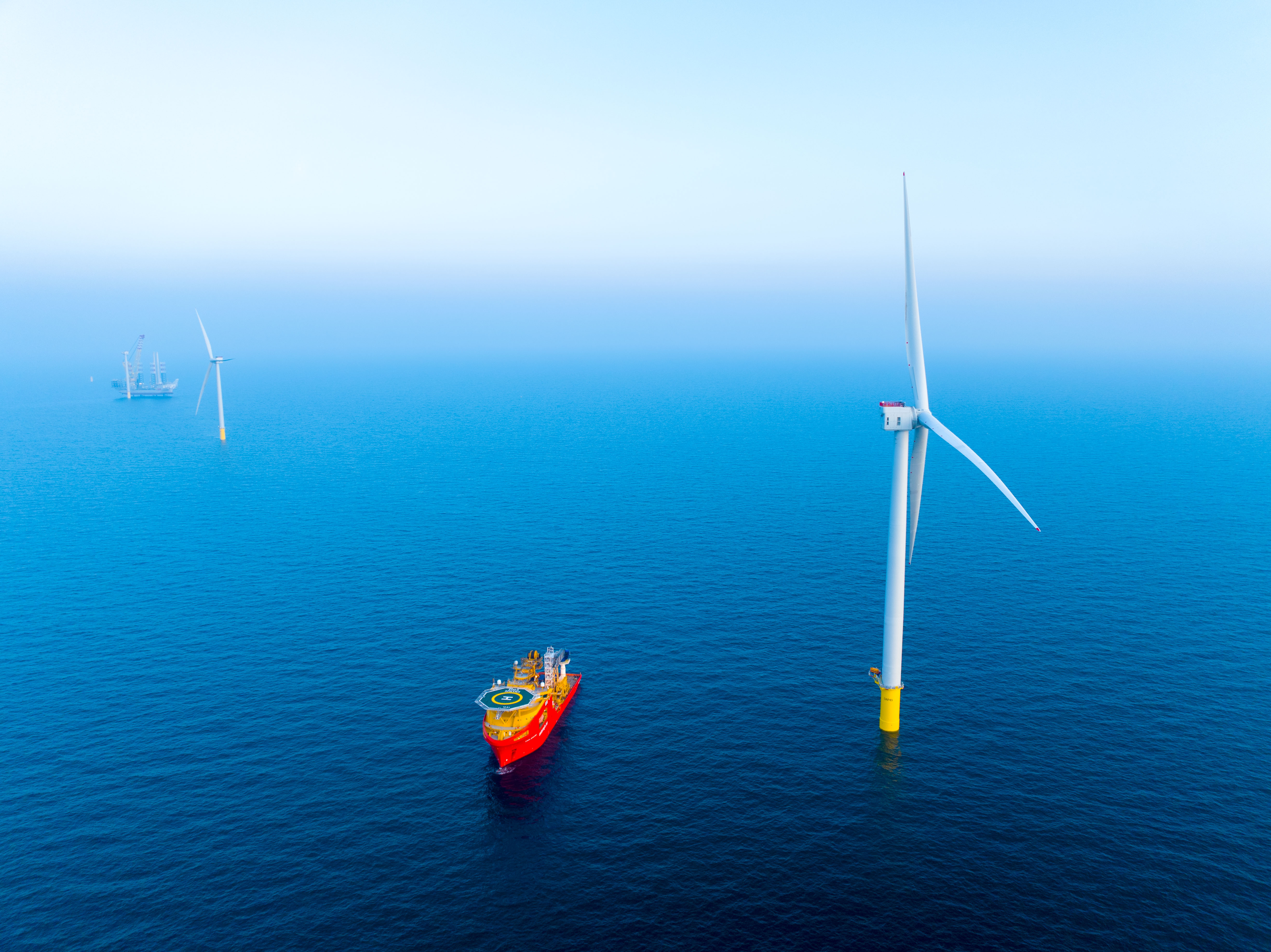
In September 2026, Vineyard Wind and GE Vernova announced a settlement of outstanding litigation, with GE Vernova withdrawing its termination notice. The episode exposes an uncomfortable feature of industrial growth: a large order can contain a large future loss. Manufacturing quality and contract discipline determine what the order is worth.
Copy the constraint, then check the factory
The Prolec acquisition points toward grid demand; the offshore experience explains why execution matters. GE Vernova’s lean operating culture focuses on safety, quality, delivery, and cost. In an October 2025 investor discussion, management described changes to standard work and factory layout at Stafford, England, that increased valve-module production capacity by approximately 40%. The useful lesson is concrete: examine how work moves before assuming every capacity problem requires another building.
Demand remains substantial. At June 2026, GE Vernova reported $176 billion of backlog. In October it announced a gas turbine and generator order for Songon Energies near Abidjan. Meanwhile, its Hitachi nuclear alliance is working with Ontario Power Generation on the first Darlington BWRX-300. These are different technologies with a shared requirement: customers need projects that can actually be delivered.
The approach depends on financing, permits, connections, suppliers, and, for gas plants, fuel. A backlog cannot remove those dependencies. Readers can borrow GE Vernova’s attention to the unavoidable constraint in a customer’s system, then apply the harder test: can the supplier relieve it reliably, at the promised cost? Electricity demand starts the story. Delivery decides the outcome.