In 1913, Harvey Couch found a fuel supply in somebody else’s waste. He arranged to burn sawdust from an Arkansas lumber company to generate electricity. The following year, the operation sent power along 22 miles of transmission lines. It was a small bargain with a large implication: a business could grow by connecting something plentiful to something people needed.
More than a century later, Entergy faces another version of that problem. The customers include technology companies whose data centers need extraordinary quantities of electricity. The connections require power stations, transmission corridors, financing and public permission. The cloud, viewed from Louisiana, involves a considerable amount of construction.
- Entergy makes and delivers electricity across four Southern states.
- Storm damage has made stronger wires a business priority.
- Data center growth brings investment - and scrutiny of who pays.
A lumberyard bargain
Today’s Entergy is a regulated electric utility serving households, shops, public institutions and industrial facilities. Its operating companies cover Arkansas, Louisiana, Mississippi and Texas. The customer buys a continuing service: electricity must be generated, moved over high-voltage lines and delivered through the local network. A failure anywhere along that route can interrupt dinner.
Its business model reflects that obligation. Regulators oversee tariffs, investment recovery and authorized returns. Shareholders supply equity; lenders supply debt; customer payments sustain operations. The company reported approximately $12.9 billion in 2025 revenue. In the second quarter of 2026, it completed a $2.175 billion stock offering with a forward component. Building ahead of demand requires money ahead of revenue.
Southern Company and Duke Energy offer useful comparisons, but a household generally cannot treat them as competing subscriptions. Geography determines the local provider. Entergy’s distinctive position comes from its Gulf South industrial base, its integrated electricity network and its exposure to destructive weather. Winning an industrial project also means convincing customers and regulators that the investment makes sense.
The company has also narrowed its job. In July 2025, it sold the Louisiana gas distribution business to Delta Utilities. Generating electricity with natural gas remains part of Entergy’s work; delivering gas directly to those former customers belongs to another company. The distinction is easy to miss in a list of energy businesses.
The wires had the last word
Hurricane Ida supplied an unpleasant demonstration in 2021. Eight transmission lines delivering electricity into greater New Orleans went out of service, disconnecting the area from the bulk power system. Local generation mattered, but access to the wider network mattered too. A power station’s rated output could not describe the whole customer experience.
The practical response includes replacing vulnerable equipment before another storm arrives. In April 2024, Louisiana regulators approved the first phase of Entergy Louisiana’s resilience plan: approximately $1.9 billion over five years. The plan covered stronger structures, wire replacement and selective undergrounding. It came with construction reporting and a pole-performance measure, making the promise more specific than “better reliability.”
Estimated monthly resilience rider at approval, for 1,000 kWh of residential use. Not a current tariff or total bill.
Entergy subsequently reported that inspections after Hurricane Francine found no damage among 250 hardened structures. That is an encouraging result within a particular storm’s footprint. It cannot establish that every upgraded line will survive every hurricane. The useful lesson is methodological: identify vulnerable components, change the specification, then inspect what actually happened.
A customer large enough to change the arithmetic
Data centers introduce a different pressure. Entergy Mississippi helped prepare for Amazon Web Services’ announced $10 billion investment in two data center complexes. In Louisiana, Meta’s expansion has turned electricity planning into a central part of the project. A large customer can contribute toward shared infrastructure costs, provided its contract actually assigns those costs.
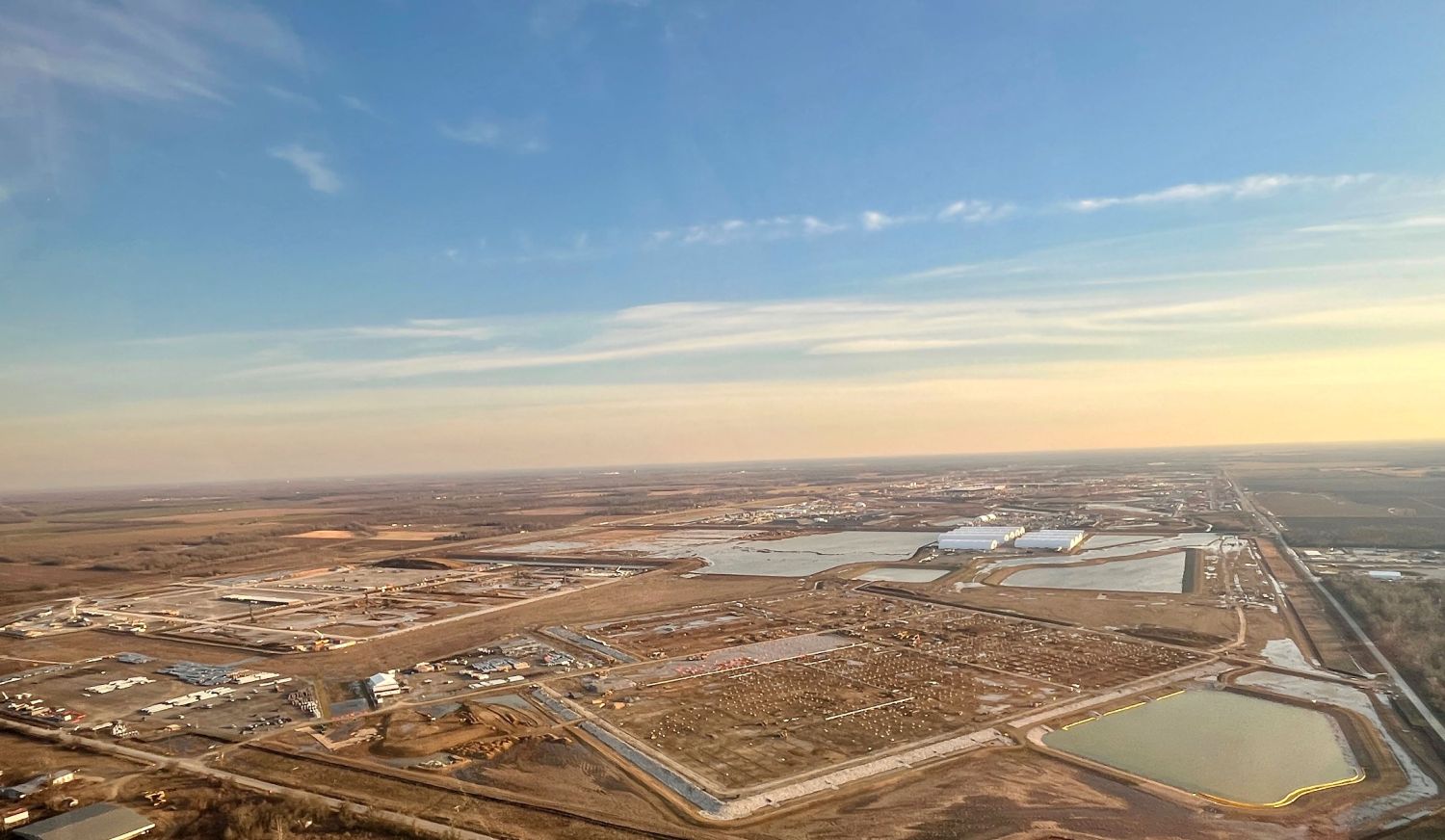
The additional Meta agreement announced in March 2026 proposed seven gas-fueled combined-cycle plants totaling more than 5,200 megawatts, new transmission, batteries and nuclear uprates. Entergy projected about $2.65 billion in combined customer benefits over 20 years from two agreements. Those figures describe plans and forecasts. They should be read with their verbs attached.
The accounting is contested. A consultant’s report raised concerns that a separate proposed Texas power-plant acquisition could increase Louisiana bills. Entergy disputed the analysis and said the need predated Meta. The disagreement exposes the essential question: which investments serve the new customer, which serve everybody, and how should their costs be divided?
The contract decides how the promise reaches the meter.
There is a useful historical wrinkle here. Entergy finished leaving merchant nuclear power in 2022, while retaining its regulated utility nuclear stations. In its earlier Palisades planning, it cited changed markets and “more economic alternatives.” The technology and the business model were separate decisions. A plant could be technically useful while its commercial arrangement became unattractive.
The bill still lands at home
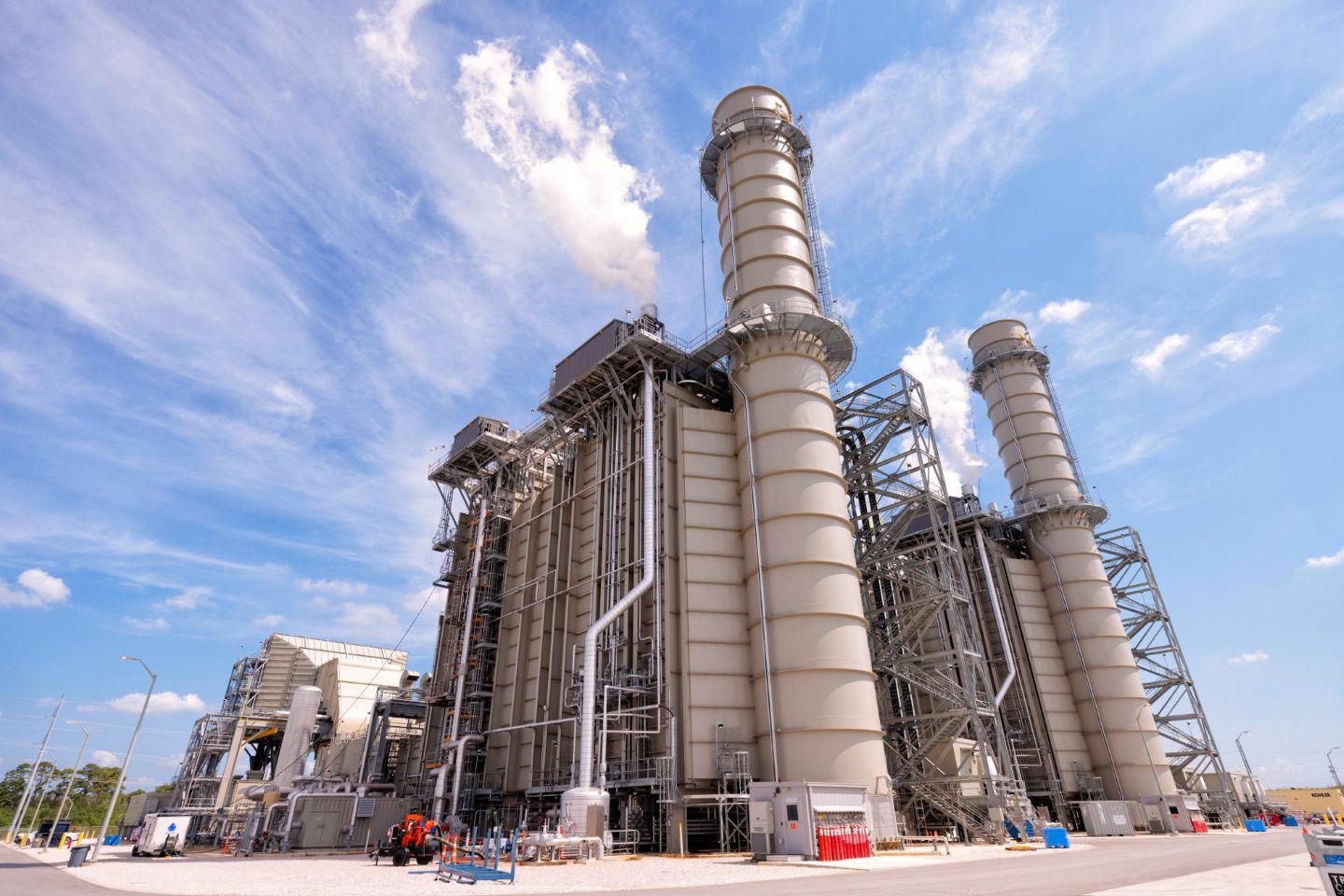
Entergy’s current construction is tangible. On October 14, 2026, its Orange County Advanced Power Station entered service in Southeast Texas, adding 1,215 megawatts. The company projects more than $1 billion in long-term customer savings from lower fuel and operating costs. Gas remains part of the expansion; future carbon-capture capability should never be confused with carbon capture already operating.
For an ordinary customer, the useful products are less monumental. Through myEntergy and myAdvisor, users can inspect consumption, set usage alerts and see bill projections. Payment options can smooth seasonal swings; assistance programs support eligible customers. These tools make the relationship more manageable, even when the customer has little choice about the company delivering the electricity.
Its expertise depends on people trained for that physical system. Entergy describes college and technical-school partnerships, internships and continuing development. Its stated values begin with safety and include teamwork, learning, integrity and respect. Those commitments matter in a business where a maintenance decision can affect colleagues in the field and customers miles away.
The larger lesson travels beyond utilities: check the capacity a new customer will consume, price the supporting work and decide who carries the risk. It depends on demand materializing, financing remaining workable and projects arriving when needed. Entergy’s stated purpose is “We power life today and for future generations.” The test reaches a household every month, printed on a bill.