energy-infrastructure
(48)
The Clean-Energy Fight Happens Before the Hearing
Bantam Communications has built a business around an awkward truth: a technically sound energy project can still die in a county meeting. Its answer is part research desk, part political campaign, and part software command center.

MDM Corp.: Before the first shovel, the first conversation
An Arizona job posting asks for a right-of-way agent who speaks Navajo. That small requirement explains a great deal about MDM Corp., the company working where energy projects meet land, people, and permission.
Baker Electric Bought a $4,000 Shop. Then It Rewired Who Owns It.
From cruise-ship shore power to desert batteries, Baker Electric builds the connections behind California’s energy ambitions. Its own big connection is between the people doing the work and the people who own the business.

Rob Lamkin Put Solar in a Balloon. Then Came the Harder Work.
He spent decades learning how power plants get financed, built and operated. Then Rob Lamkin bet on inflatable solar collectors - and learned that durable persistence means knowing what to keep, what to stop and what to build next.

Andrew Webber Found a Second Market for Electricity
A newspaper story about California paying Arizona to take surplus electricity sent a former Marine and Wall Street investor down an unlikely path. His answer was to bring computing to the power - and teach data centers when to get out of the grid's way.

Brian Berzin Is Turning Fusion's Twisty Donut Into a Software Problem
Thea Energy's CEO has an engineer's eye, an investor's discipline, and a decidedly practical question for fusion: what if the difficult part could move from sculpted metal into software?

Gregory Green Is Financing the Grid’s Waiting Game
The Australian dealmaker survived a bank collapse, helped build and sell a renewable-gas platform, and now wants batteries to become ordinary infrastructure in Austria. His bet is less about chemistry than patience, permits and bankable cash flows.

Michael McNamara Bet the AI Boom Would Run Into a Power Problem
Before AI made electricity the technology industry's favorite constraint, Michael McNamara was working on a stranger idea: data centers that behave less like stubborn factories and more like courteous guests of the grid.

Jim Murphy Built for the Grid's Long Game
After 25 years beside founder Michael Polsky, Invenergy's finance-minded co-founder has taken the CEO seat. His operating idea is simple: relationships compound, execution matters, and the power grid cannot run on slogans.
ATCO’s 15-Trailer Playbook for Building What Everyone Needs - and Surviving What Breaks
ATCO grew from 15 utility trailers into a C$28 billion-asset group by pairing dependable networks with buildings that can move. Its next test is whether that same portfolio logic can absorb grid bottlenecks, policy uncertainty and a C$2.9 billion pipeline bet.
Invenergy’s 38-Gigawatt Trick: Build the Power Plant, the Contract, and the Patience
The Chicago power builder became North America’s largest privately held independent producer by treating energy as a full-stack business. Its advantage is execution across decades - and its latest pivots show exactly where that model bends.
Longroad Energy Stopped Flipping Solar Farms - and Bet Billions on the Boring Part
The Boston renewable-energy builder discovered that the valuable part was not merely finishing projects. It was owning the machines, contracts and operational headaches for decades.
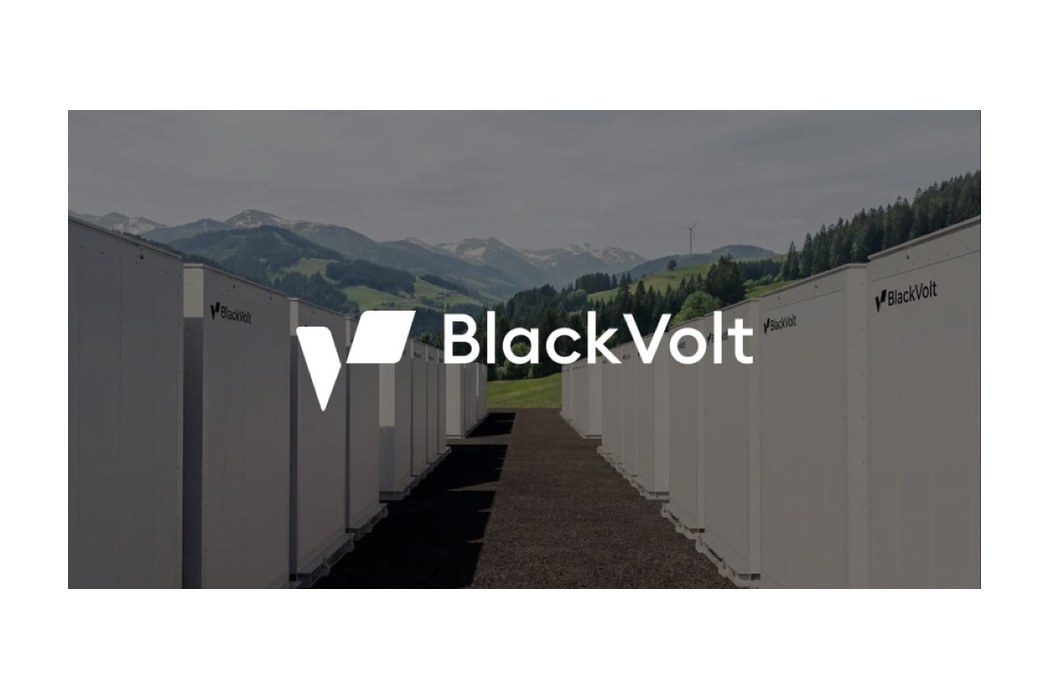
Blackvolt's Bet: Turn Austria's Messy Power Hours Into a Battery Business
Austria makes plenty of renewable electricity at the wrong moments. A capital-heavy infrastructure opportunity begins with one young company, two construction sites and a plan to get paid for moving electrons through time.

Triple Oak Power’s 8-Gigawatt Bet: Turn the Messy Middle of Clean Energy Into Something Banks Can Back
Triple Oak Power does not sell turbines. It sells uncertainty reduction - the patient work that turns wind, land, grid access and local consent into financeable power projects.

Toshiba Lost the Living Room. Can It Win the Infrastructure Underneath Everything?
The 150-year-old Japanese icon survived scandal, a nuclear wipeout and a rejected breakup. Now private, leaner and newly profitable, it is betting that the best place to rebuild a household name is far outside the household.

The Fusion Bet That Looks Like a Barbell, Not a Donut
Most fusion companies bend plasma into a ring. Realta Fusion is betting that a straight magnetic bottle - built for industrial heat first - can make the economics less contorted.

Arndt Lutz Is Betting the Solar Race Will Be Won One Cell at a Time
After two decades across solar and green hydrogen, the ELITE Solar CEO has returned to photovoltaics with a blunt thesis: assembling modules is not enough. The durable advantage sits deeper in the supply chain.
The Climate Investor With an Unfair Advantage: Its Customers Are Already in the Room
Energy Impact Partners built a venture firm around a stubborn fact: energy startups do not scale on capital alone. Its coalition model puts the utilities and industrial companies that might buy, test and deploy new technology inside the investment platform.

The Power Broker Behind the AI Boom
ECP spent two decades learning how electricity actually gets made, moved and financed. Now AI has turned that unfashionable expertise into one of private markets' most valuable specialties.

The Firm That Bet on Boring and Made $41 Billion
Founded in 1984, Kayne Anderson built a $41 billion alternatives platform by specializing in the unglamorous middle market - oil wells, storage units, and student housing - where cash flow, not hype, does the talking.
The Venture Firm Betting the Next Tech Boom Will Wear Steel-Toed Boots
Construct Capital raised $740 million across three fundraising cycles by arguing that factories, freight networks and energy systems deserve the same software ambition once reserved for the screen. Its wager is now colliding with the age of physical AI.
Keel Infrastructure Is Betting the AI Boom Will Be Won Before the Servers Arrive
The company formerly known as Bitfarms has traded Bitcoin mines for a 2.2-gigawatt pipeline of powered sites. Now it has to turn scarce megawatts into long-term tenants.
Al Blackburn and the quiet machinery that keeps Virginia on
Al Blackburn's public profile is spare, but the system around his name is anything but: millions of customers, tens of thousands of miles of wire, and an energy transition measured in decades.

Chris Scherman Is Learning to Read the Energy Map Before It Is Drawn
A lawyer moved from contracts to corporate strategy. At Pembina, Chris Scherman now works where long-lived infrastructure, customer demand and the next version of the energy map meet.
Tesla Wants to Sell You a Car - Then Replace the Grid Around It
The company that made the electric car feel inevitable is now trying to turn vehicles, batteries, chargers and software into one enormous machine. The cars still pay most of the bills, but Tesla's next argument is about infrastructure.

The Bloom Box Was Built for Mars. AI Made It Urgent.
Bloom Energy spent a quarter-century turning a NASA-inspired ceramic fuel cell into an onsite power business. Now the grid bottleneck - and AI's appetite for electricity - has made the once-futuristic Bloom Box a very practical machine.
Vestas Built 200 Gigawatts of Wind - Now the Real Business Is Keeping It Spinning
The Danish manufacturer sells machines the height of skyscrapers, then stays for decades to keep them productive. Its 200-gigawatt installed base has become both an engineering record and a service network competitors must chase.

The $4.50 Cleaning Bet That Now Runs 6 Billion Square Feet a Day
ABM began with a bucket, a sponge, a mop and $4.50. Today it sells something far more complicated: the promise that airports depart, data centers stay awake and ballparks are ready before the gates open.

Ameresco Found a Way to Make Old Buildings Pay for Their Own Future
The Framingham company sells a practical bargain: modernize the systems everyone depends on, then use the avoided utility bill to help pay for the work. Now data centers are turning that old energy-services idea into a new power-infrastructure business.

Netceed
Netceed sells the unglamorous pieces that make modern networks possible - then adds the engineering, inventory and logistics discipline that keeps thousands of those pieces arriving in the right order.