electric-utilities
(7)
The Three-Minute Grid
Utilities still study a changing electric grid at human speed. ThinkLabs AI is betting that a machine taught the laws of physics can turn a month of engineering into minutes - without asking operators to trust a black box.
The Software Company Utilities Call When the Lights Go Out
Milsoft began with a pencil, a calculator and one engineer’s circuit model. Thirty-seven years later, more than 1,000 utilities use its software to find faults, dispatch crews, answer anxious callers and keep the grid’s many databases speaking the same language.
Celerity Found a Business in the Mess Behind the Meter
Utilities rarely lack data. They lack clean, connected evidence they can trust when a regulator, a wildfire or a courtroom raises the stakes. Celerity built its business in that gap.
Al Blackburn and the quiet machinery that keeps Virginia on
Al Blackburn's public profile is spare, but the system around his name is anything but: millions of customers, tens of thousands of miles of wire, and an energy transition measured in decades.
Vistra Corp.
Vistra sells power at both ends of the wire: a sprawling fleet makes the electricity, while familiar retail brands sell it to nearly 5 million customers. The result is a revealing bet on what the American grid needs next - nuclear endurance, gas flexibility, batteries, and a great deal more demand.
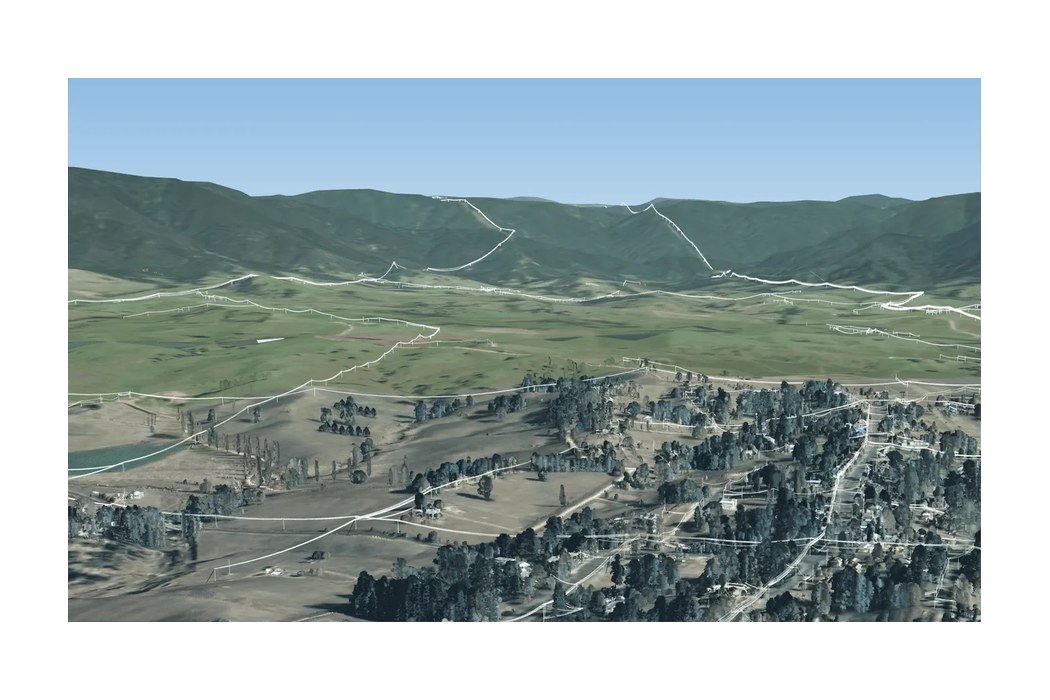
Neara
Neara is a Sydney-founded software company that builds physics-enabled digital twins of utility networks. By combining LiDAR, satellite imagery, sensor data, AI and engineering-grade physics simulation, it creates geometrically accurate 3D replicas of power grids so utilities can model how their assets behave under real-world stress - wildfires, floods, storms, heat and rising demand. The platform lets operators find spare grid capacity, mitigate risk, plan maintenance and connect renewables faster, often replacing months of manual field inspection with analysis that runs in minutes. In February 2026 Neara raised an AUD $90 million Series D, reaching a roughly AUD $1.1 billion valuation to become one of Australia's newest unicorns.

KloudGin Inc.
KloudGin is a Sunnyvale-based SaaS company that combines field service and enterprise asset management into one AI-powered, mobile-first cloud platform. Its 'Single Face of Work' approach is used by utilities, municipalities and infrastructure operators to dispatch crews, manage assets, and keep water flowing, gas safe, and lights on.