grid-resilience
(15)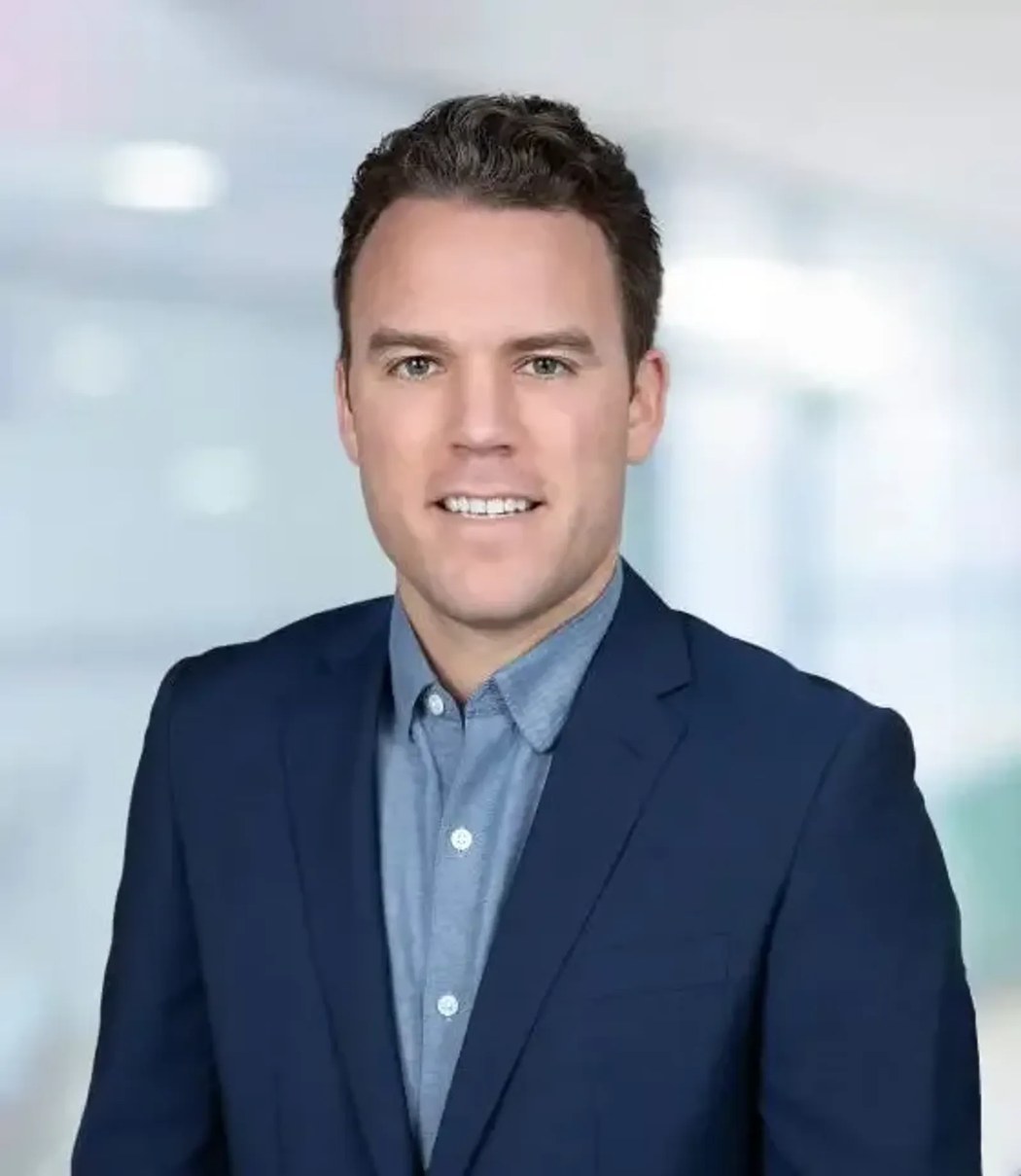
Adam Simpson Spent a Decade Teaching a New Generator to Leave the Lab
Before Adam Simpson could sell a linear generator, he had to help invent the category. Sixteen years after a Stanford idea became a company, his work has shifted from proving the machine to proving where it belongs.
ERock found a second job for the backup generator
A machine that waits for a blackout is an expensive spectator. ERock puts onsite power to work for the grid - and now for AI companies impatient to plug in.
NM Group Sees the Power Grid the Way a Laser Does
Its aircraft collect billions of precise measurements. Its engineers turn them into a practical answer for utilities: which tree, wire or tower needs attention first?
The Bloom Box Was Built for Mars. AI Made It Urgent.
Bloom Energy spent a quarter-century turning a NASA-inspired ceramic fuel cell into an onsite power business. Now the grid bottleneck - and AI's appetite for electricity - has made the once-futuristic Bloom Box a very practical machine.
Bell Resources
Bell Resources is building AI-powered Roadside Hubs that fold ultra-fast EV charging, automated car washing, clean energy and smart retail into a single connected stop.
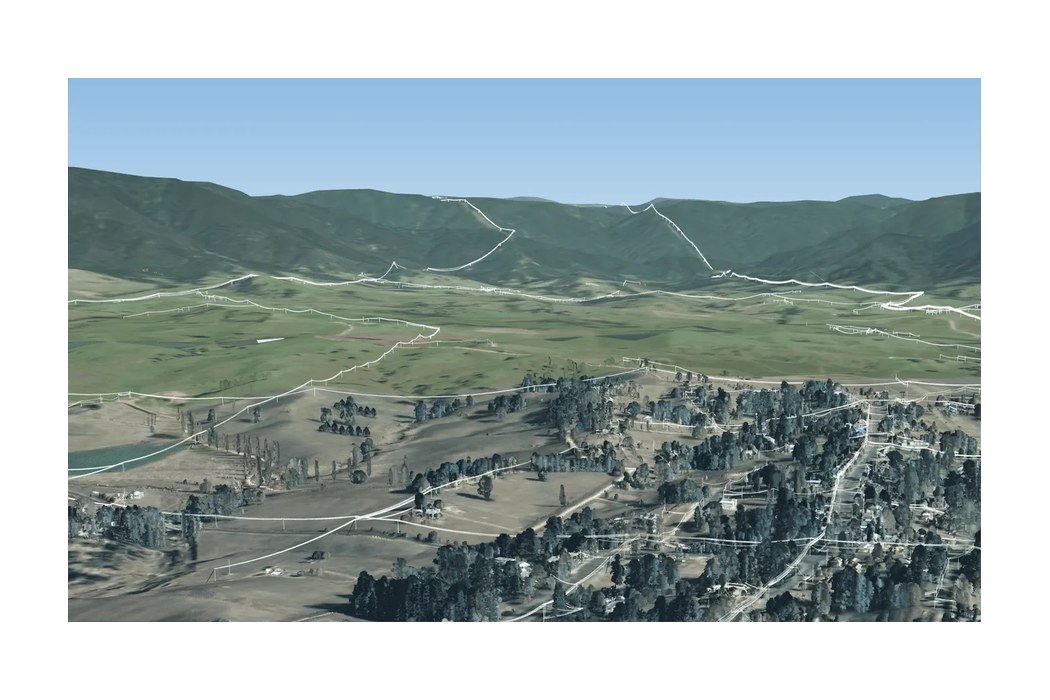
Neara
Neara is a Sydney-founded software company that builds physics-enabled digital twins of utility networks. By combining LiDAR, satellite imagery, sensor data, AI and engineering-grade physics simulation, it creates geometrically accurate 3D replicas of power grids so utilities can model how their assets behave under real-world stress - wildfires, floods, storms, heat and rising demand. The platform lets operators find spare grid capacity, mitigate risk, plan maintenance and connect renewables faster, often replacing months of manual field inspection with analysis that runs in minutes. In February 2026 Neara raised an AUD $90 million Series D, reaching a roughly AUD $1.1 billion valuation to become one of Australia's newest unicorns.
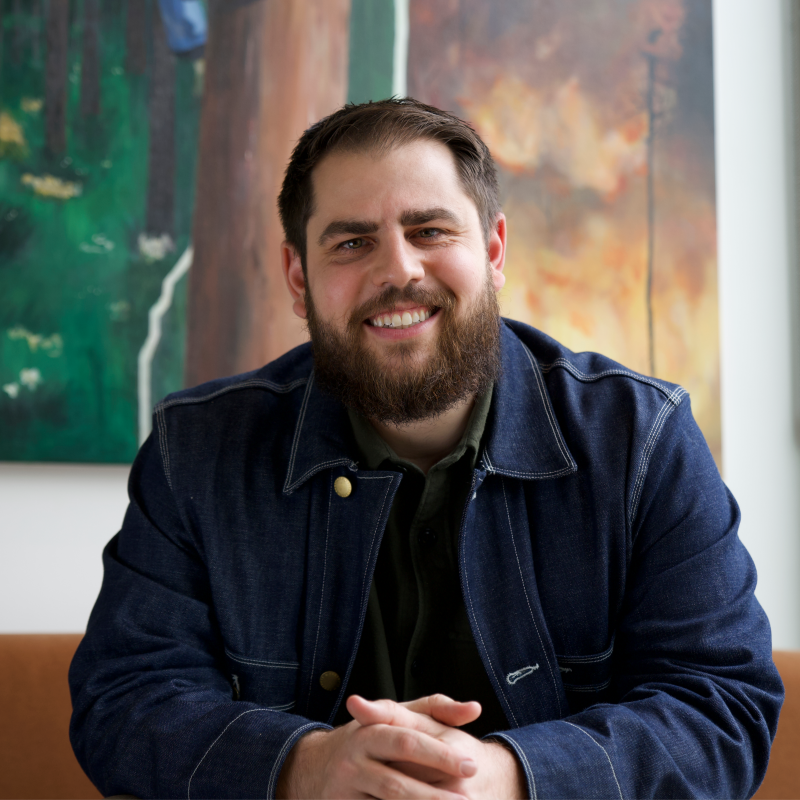
Timothy Barat
Timothy Barat is the co-founder and CEO of Gridware, a San Francisco climate-tech company that builds pole-mounted sensors to detect power grid failures before they cause outages or wildfires. A former electrical lineworker from Victoria, Australia who lived through the 2009 Black Saturday bushfires, Barat moved to the United States, earned bachelor's and master's degrees in Electrical Engineering and Computer Sciences from UC Berkeley, and founded Gridware in 2020 with Hall Chen and Abdulrahman Bin Omar. His Gridscope device, described as a 'Fitbit for power poles,' listens to the mechanical and electrical signals of the grid to pinpoint hazards. Gridware has raised roughly $97 million to date, including a $55 million Series B in November 2025, and its co-founders were named to Forbes' 30 Under 30 Social Impact list.
Base Power Company
Base Power is an Austin-based energy company that installs large-capacity home batteries and sells electricity to homeowners as a licensed Texas retail electric provider. Founded in 2023 by Zach Dell and Justin Lopas, it pairs whole-home backup with low fixed rates, using its growing fleet of distributed batteries as a virtual power plant that charges when power is cheap and discharges when the grid is strained. The company raised a $1 billion Series C in October 2025 at a $4 billion valuation and is building its own battery factory in Austin to scale nationally.
LineVision
LineVision is a Boston-based grid intelligence company that helps electric utilities get more capacity, reliability, and safety out of existing transmission lines. Its patented non-contact sensors mount on transmission towers - not the live wires - and pair LiDAR-based measurements of conductor position with AI-driven, hyperlocal wind forecasting and computational fluid dynamics to calculate a line's real-time thermal capacity. Through its Dynamic Line Rating, situational awareness, and asset-health products, LineVision typically unlocks 30%+ additional capacity on monitored lines at a fraction of the cost and time of building new transmission, supporting faster renewable integration and a more resilient grid.
Gridware
Gridware builds pole-mounted sensors and an analytics platform that give electric utilities real-time awareness of what is physically happening on their power lines. Its Gridscope device measures mechanical, electrical, and environmental signals directly at the pole, and its Active Grid Response platform turns those signals into immediate hazard detection, precise fault localization, and faster outage response. Founded in 2020 by three UC Berkeley graduate students - including a former lineman - Gridware aims to close the 'hazard awareness delay' that leaves utilities blind to fallen limbs and damaged lines until after they spark outages or wildfires.

Orenda, Inc
Orenda, Inc is a Brooklyn-based renewable energy company that develops, builds, and operates standalone battery energy storage projects across densely populated Downstate New York. Founded in 2020, Orenda handles the full lifecycle - site diligence, permitting, interconnection, engineering, construction, financing, and ongoing asset management - and pairs it with an AI/ML software platform that forecasts energy prices and optimizes when its battery fleets charge and discharge. The company claims roughly a 34% market share in New York City with a development pipeline of about 920 MW / 2.7 GWh, and is co-developing roughly 675 MW of distributed storage with the New York Power Authority.
Bill Grinstead
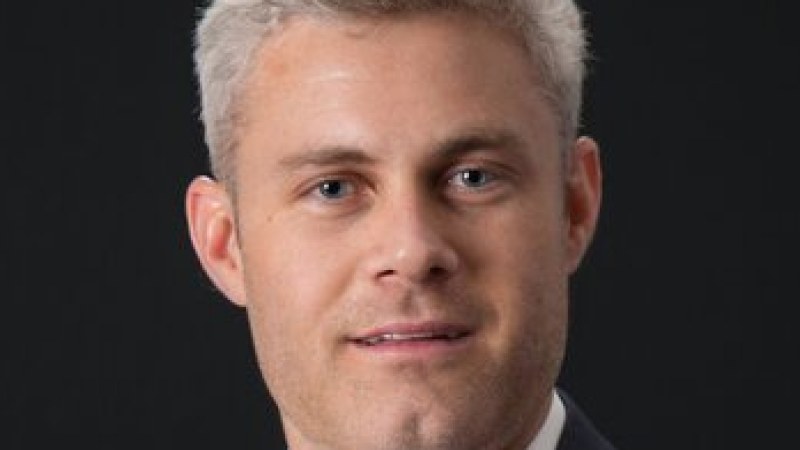
Bill Grinstead is the co-founder and CEO of Orenda, a Brooklyn-based renewable energy company building standalone battery storage that keeps New York City's overloaded grid from buckling. A former finance professional who cut his teeth at Susquehanna International Group and the $7B private equity firm Marlin Equity Partners, Grinstead traded markets for megawatts in 2020. Under his lead, Orenda has grown into one of the largest energy storage developers in downstate New York, claiming roughly a 34% share of the NYC storage market and a development pipeline measured in the hundreds of megawatts, while handling everything from site origination and permitting to construction and live operations.
Form Energy
Form Energy is an American energy-storage company building iron-air batteries that store electricity for 100 hours - multiple days - at roughly one-tenth the cost of lithium-ion. Founded in 2017 by a group of storage veterans, the company uses 'reversible rusting' of cheap, abundant iron to let renewable grids stay reliable through long stretches of low wind and sun. Its first high-volume factory, Form Factory 1, sits on the site of the former Weirton Steel mill in West Virginia, and its batteries are now being deployed with utilities including Great River Energy, Xcel Energy, Georgia Power and Dominion Energy.
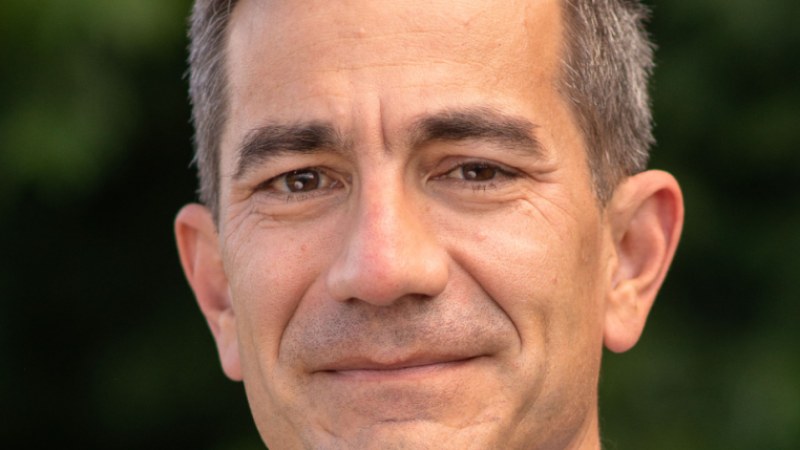
Mateo Jaramillo
Mateo Jaramillo is the co-founder and CEO of Form Energy, a Somerville, Massachusetts company building 100-hour iron-air batteries that store electricity by rusting and un-rusting iron. After more than seven years at Tesla, where he started and ran the stationary storage business behind the Powerwall and Powerpack, he co-founded Form in 2017 on a contrarian bet: skip lithium, find a chemistry cheap enough to store power for days instead of hours. The company has raised over $1.3 billion, revived an abandoned West Virginia steel mill as its first factory, and signed a roughly $1 billion deal with Google for the world's largest battery system.
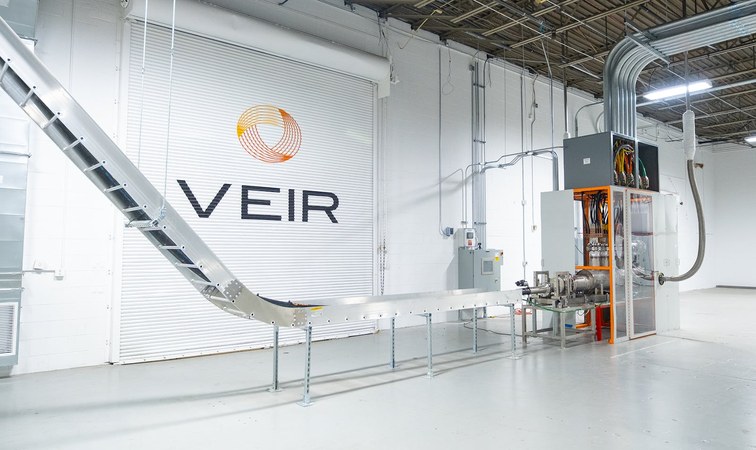
VEIR
VEIR is a Woburn, Massachusetts company commercializing high-temperature superconducting power lines that move 5 to 10 times more electricity than conventional cables at the same voltage and footprint. Its key breakthrough is a passive, evaporative liquid-nitrogen cooling system that keeps superconductors cold without heavy machinery. Founded in 2019 out of Breakthrough Energy Ventures research, VEIR targets utilities, renewable developers, and increasingly the power-hungry AI data center market. It closed a $75M Series B in January 2025 led by Munich Re Ventures, with backing from Microsoft's Climate Innovation Fund.