construction
(52)
Atkore sells the parts. Time is the product.
Behind the walls of electrification sits a less glamorous business: getting conduit, cable and supports onto the job. Atkore has built its pitch around the minutes between delivery and installation.
JM builds the home before the home.
The Nordic developer has spent decades taking control of the steps that precede a front door. Now it is testing how much better building can do for a hesitant housing market.
EquipmentShare found the key to idle iron.
A contractor’s spare excavator became the starting point for a national rental network. EquipmentShare’s bigger bet: connect the machine, the operator and the person who can keep both working.
James Hardie wants the whole exterior.
The siding maker bought its way onto the deck. Now comes the harder job: making a houseful of brands work together.

The builder that stays.
Shikun & Binui builds roads, homes and water infrastructure. Its most revealing projects come with a second job: keeping them working for decades.
The little pieces holding the big things together
Simpson Manufacturing built a business around the joints most of us never see. Its story runs from a knock at the door to a seven-story earthquake test - and a $2.3 billion year.
United Rentals makes money when ownership makes no sense
A machine earns its keep when it works. United Rentals built a business around everything that happens before, after, and in between.

The machine you don’t have to own
Sunbelt Rentals built a business around a simple inconvenience: the equipment you need today may be useless to you next month. Its next act is helping customers figure out the whole job.
Fluor learned to build the contract first.
A plant can be assembled from 215 shipped modules. A profitable project takes something harder: agreement on who carries the risk. Fluor has spent years relearning the difference.
US LBM got big. The lumberyard stayed local.
More than 100 acquisitions turned regional building suppliers into a national business. US LBM’s wager is that the person behind the counter still matters as much as the company behind the truck.
Stanley Black & Decker is learning what to leave out.
The company behind DEWALT and CRAFTSMAN built a vast tool business. After a $6.6 billion inventory pileup, its next chapter depends on making that business simpler - and its tools more useful.
Tutor Perini builds big. Getting paid is the plot twist.
Tunnels, hospitals, casinos. Tutor Perini takes on construction at a scale few firms pursue. Its recent turnaround reveals the less visible job: turning complicated contracts into cash.
Lennar wants to keep the line moving.
The homebuilder has spent decades simplifying what buyers choose. Now it is changing what a builder owns - and paying a price to keep houses selling.
Acumatica APAC: Let everyone in.
An ERP system gets more useful when the people doing the work can actually use it. Acumatica’s Asia-Pacific operation brings that idea to growing businesses - with a pricing model that changes the conversation.
The part with four names
HAL, Inc. makes software for the moment a shipment becomes somebody else’s problem. Its big idea: keep the identity of every little thing intact.

SketchUp lets everyone in on the plan.
A drawing is useful only if someone else understands it. SketchUp built a business around that small problem - and followed it all the way to the construction site.

SAC Incorporated makes the pieces fit
A pipe is easy to notice. The work that makes it fit is easier to miss. SAC Incorporated has built its business around that gap.
Synergy Contracting, Inc. builds on the work nobody sees
Before a building gets its grand entrance, someone must deal with what is behind the walls. Synergy Contracting turns that unglamorous work into a business built around union crews, practical pivots and the next job.
DWG FastView put CAD in your pocket. Quiet costs extra.
Gstarsoft made technical drawings portable with a viewer for phones, browsers and PCs. Its next design problem was the advertising that got between people and their work.
The House That Ate the Software
Atmos promised to make a custom home feel as easy to order as a product. The company got 50 houses built, then discovered that software could not carry the whole construction site on its back.
Motivational Systems, Inc. and the art of getting you there
A hospital corridor, a model-home turnoff, a library aisle: MSI works at the moment someone needs a clue. Its business shows how much thinking can hide inside a sign.
Sprint Signs Makes the Last Few Feet of Finding a Business Count
A San Diego sign shop turns logos, directories and room markers into the physical language of a building. Its most revealing work happens between the artwork file and the installation.
Fusion Sign and Design puts brands on the street
From homebuilder wayfinding to restaurant drive-thrus, Fusion has grown by taking on the work behind the sign. Its next test is making a national network feel like one dependable local shop.
VILOR builds the way back
From a flood-wrecked station in Paiporta to the tunnels beneath Seville, the Valencia contractor has made public infrastructure its business. Its next challenge reaches from recycled asphalt to the security of construction data.
Baker Electric Bought a $4,000 Shop. Then It Rewired Who Owns It.
From cruise-ship shore power to desert batteries, Baker Electric builds the connections behind California’s energy ambitions. Its own big connection is between the people doing the work and the people who own the business.
The Firm That Remodels America 3,000 Stores at a Time
McDonald's, Starbucks and Walgreens don't remodel one store at a time - they hire a Downers Grove firm run by a former Green Beret to do thousands at once, on schedule, on brand.
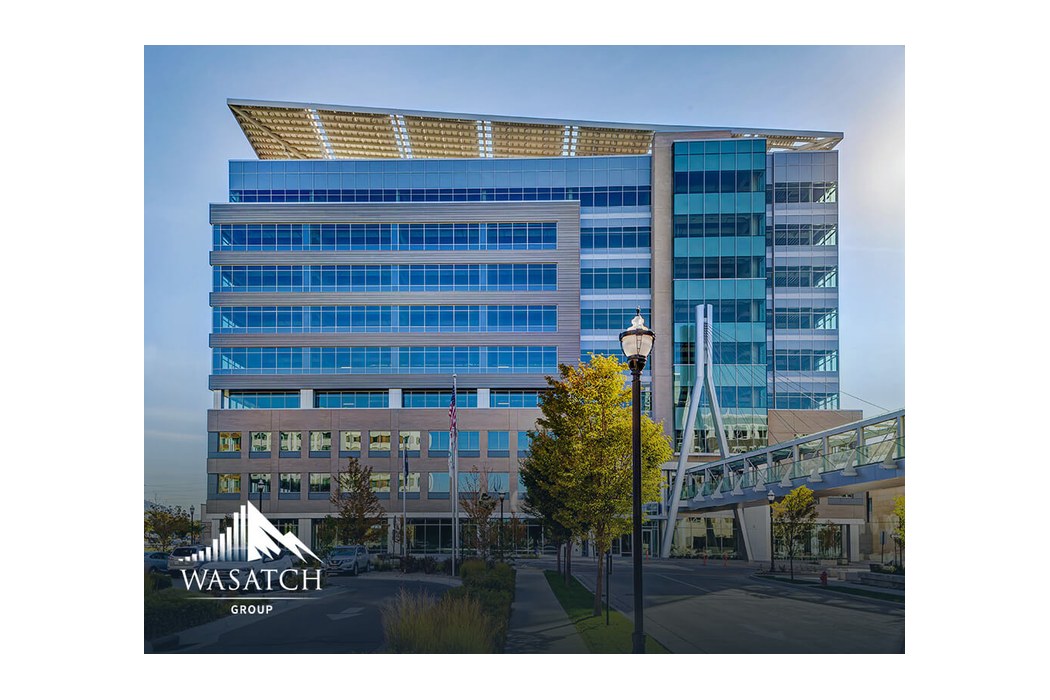
The Landlord With a Construction Crew, a Capital Desk and 18,000 Front Doors
From a Logan headquarters, Wasatch Group buys, builds, finances and manages housing across the West. Its advantage is less a single breakthrough than control of nearly every handoff.

The Quiet Holding Company Behind America's Walls, Ceilings and Firewalls
A private, people-first investment firm in suburban Kansas City has spent two decades assembling a coast-to-coast family of specialty construction companies - and betting that patient ownership beats the quick flip.

Inside the Tennessee Family Office Quietly Building a Portfolio of Unsexy Companies
The Providence Groups turned a long-term-care operator in White House, Tennessee into a ten-company family office that bets on septic pumping, nurse staffing, and construction - the businesses nobody posts about.

Curb Home Services
Curb Home Services is assembling roofing, siding and solar contractors without sanding off their local identities. Its wager is that the best home-services platform will be almost invisible to the homeowner - and indispensable to the operator.